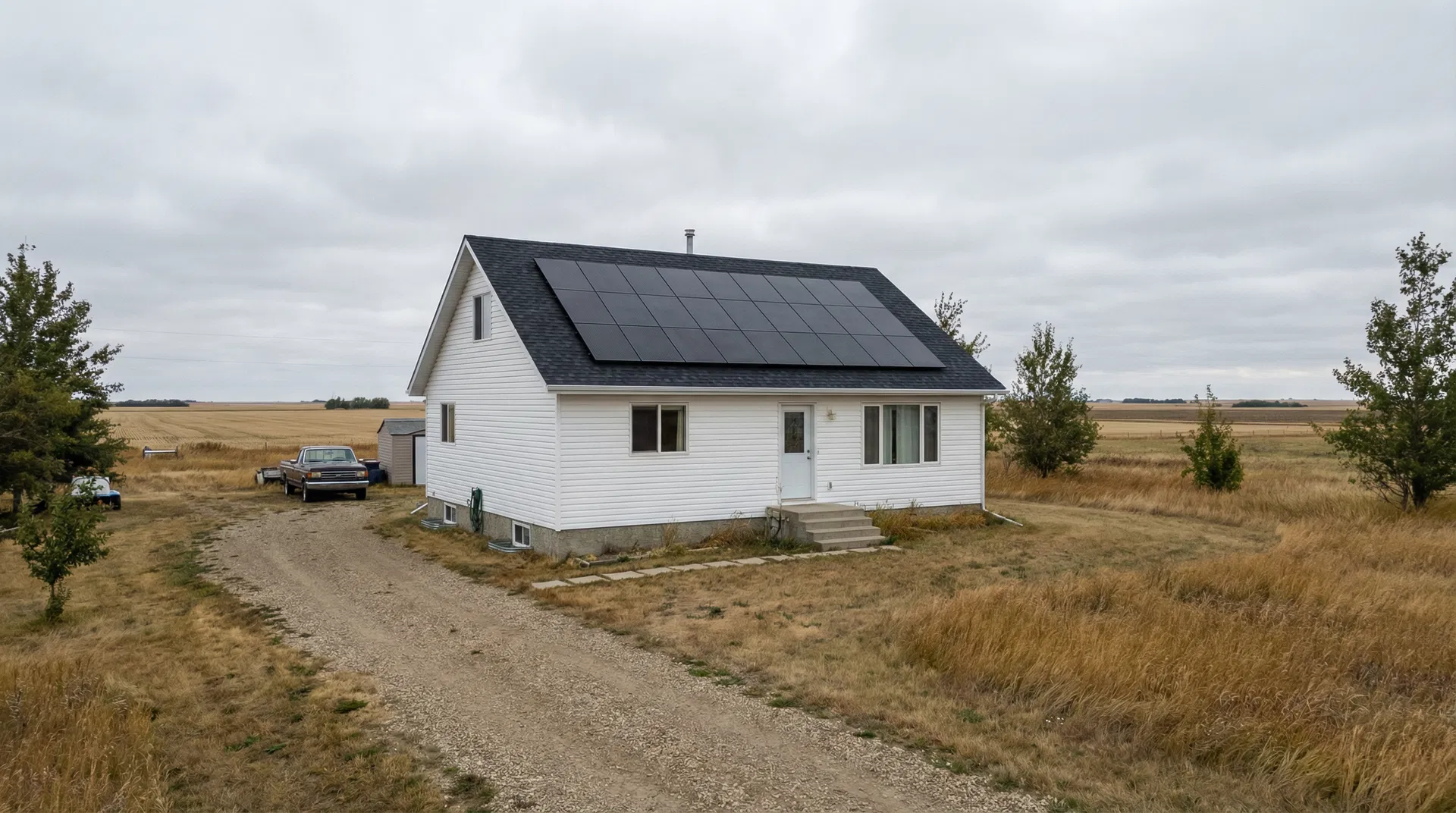
Range Road Solar designs every solar solar-battery Innisfail alberta project around the loads on your property, not a catalog package. A typical system in this range runs 8 to 12 kW of solar, with 10 kW as the common starting point for a home with a shop. The array uses LONGi solar panels paired with APsystems microinverters. Each panel's output is handled on its own, so shade from a grain bin, a tree line, or a fence post on one panel doesn't pull down the rest of the array. That matters on rural roofs and ground mounts, where shadows move across the array at different hours of the day. Battery storage sits alongside the array and holds energy you produce but don't use right away. Backup is often the first question on a rural property. Some owners want a few critical circuits covered during a grid outage, such as the well pump, the freezer, and the furnace blower. Others want more of the house running, which takes a larger battery and a fuller panel layout. Battery capacity and equipment are confirmed during property-specific design, so we won't pick a battery size before we've seen your site and your most recent power bill. Acreage homes with a heated shop usually need a different layout than a single house with a roof-mounted array, and farm yards with a grain dryer or livestock waterers often shift daytime solar into evening loads. We'll show you the trade-offs in plain terms. More storage means more backup coverage but a larger upfront package. A smaller battery keeps the install simpler and leaves room to add capacity later. Either way, you'll see the layout, the equipment list, and the reasoning before anything gets signed.
Solar Planning for Innisfail Properties
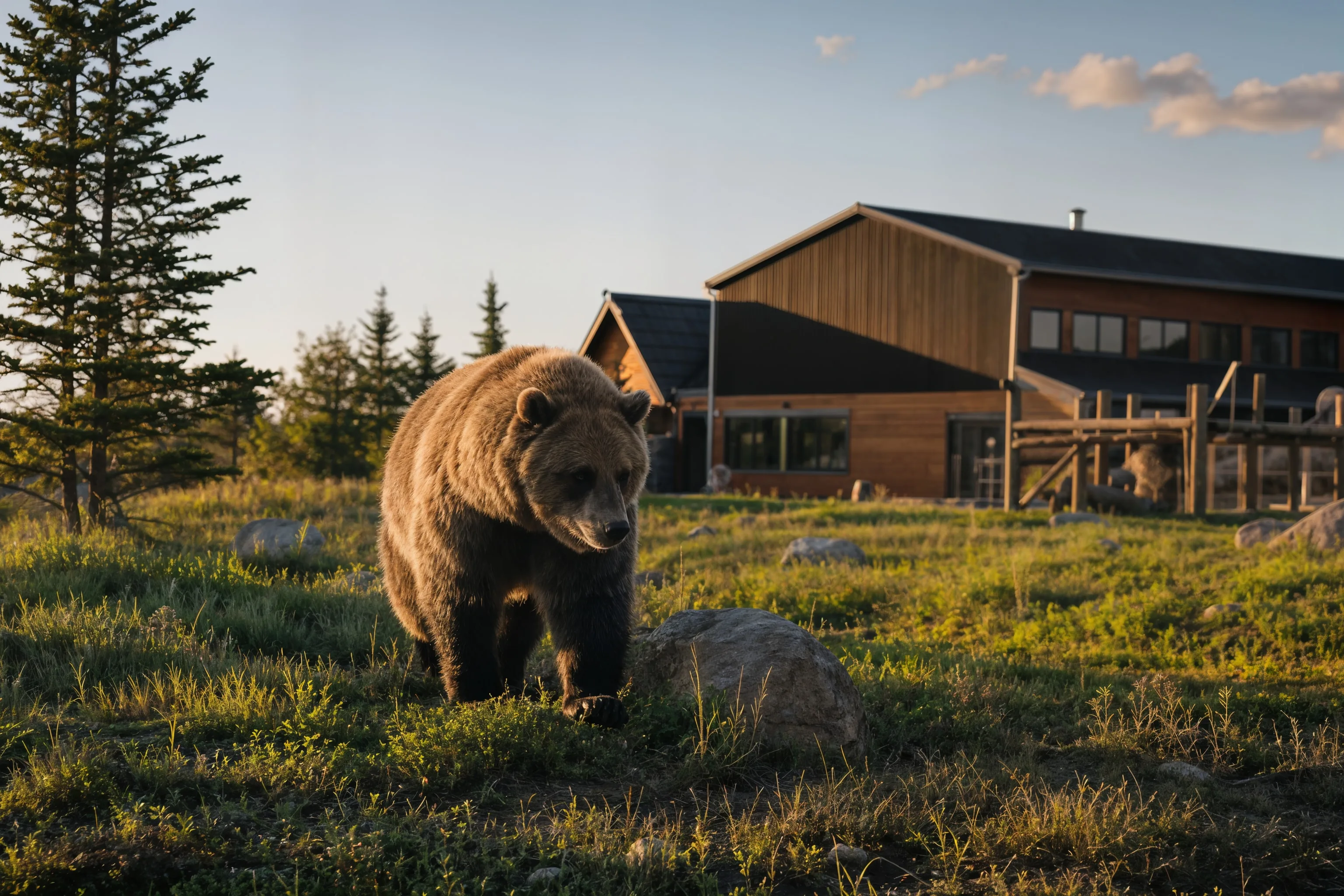
Incorporated on November 20, 1903, the area has a long run of farm and acreage properties behind it. Discovery Wildlife Park draws visitors through the area, and Johns Manville and the Innisfail Solar project both show up in the local economic picture. Properties here range from older farmsteads to newer acreages, and each one has its own roof, yard, and load pattern. FortisAlberta is the wire service here, so any grid connection runs through FortisAlberta's process. Alberta's deregulated market also means the company that bills you for power can differ from the company that delivers it. That's why we don't talk about rates or savings until we've seen your most recent power bill and your site. Roof condition, shading from trees or outbuildings, and the way you use power all shape the design. A property with a heated shop, a well pump, and a few outbuildings doesn't need the same system as a small acreage house. We'll sort out which one you've got before we put a number on anything.
Electrical Site Review for Innisfail Properties
Voltage Rise
Voltage rise is the increase in voltage at your service that can happen when a solar system pushes power back onto the distribution line. How much of it shows up depends on conditions at your end of the line, which we can't judge from a desk. When voltage rise is high enough, the inverter may clip output to protect the connection, so we factor that behavior into the array size.
Single-Phase vs Three-Phase
Rural properties can have either single-phase or three-phase service, and the difference shapes which inverters fit and how much capacity the system can deliver. Single-phase is common on a standard home, while three-phase is more often found on larger shops and farm loads. We confirm which service you have before we select equipment, so the system matches what's already on the property.
Panel Infrastructure
Older electrical panels on rural properties often have breaker spaces or capacity limits that a solar and battery system will press against. We check the panel rating, the open breaker spaces, the panel's age, and the condition of the wiring before anything gets connected. If the panel can't support the system, the upgrade usually means a larger panel with new breakers, and we'll include that scope in the design before you commit.
Service Entrance Review
We check the service entrance and the meter base because both affect whether the micro-generation application to FortisAlberta can move forward. A corroded, undersized, or non-compliant meter base can hold up the connection even when the array is designed correctly. If an upgrade is required, we list it in the design package so the scope is clear before any work starts.
Right-Sizing Solar for Innisfail Properties
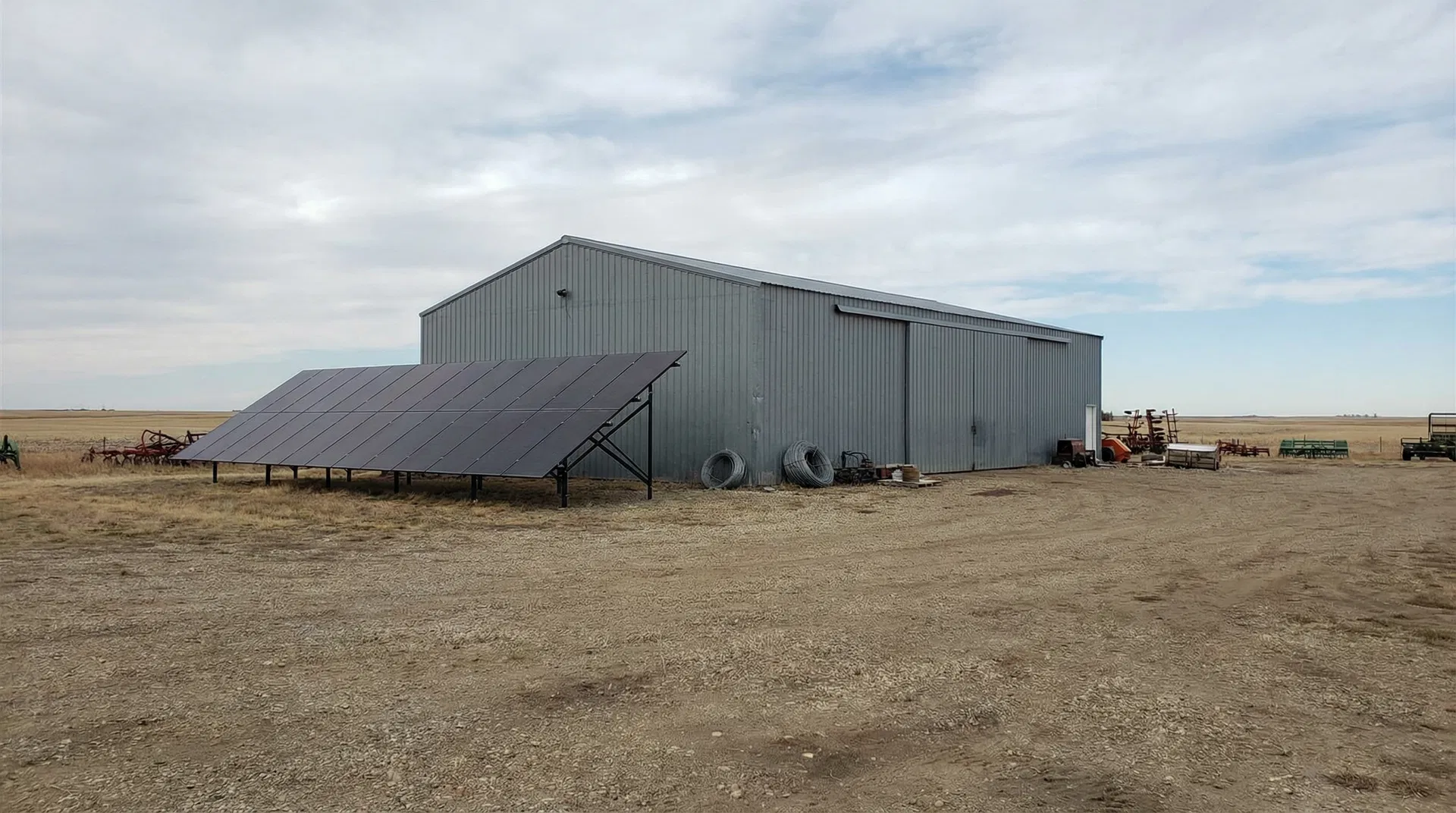
Rural Alberta systems are usually bigger than the house they're attached to, because the property runs more loads. A home might share power with a heated shop, a well pump, a block heater, and a few outbuildings, and on some farms an irrigation pump or grain handling equipment. Each one draws differently, so the system has to cover the combined load, not just the kitchen. Roof or ground mount is the next call. A roof mount works well when the roof is in sound condition, the pitch is workable, and nothing shades it for long stretches. A ground mount is the better choice when trees or buildings shade the roof, the pitch is poor, or the yard is spread out with open land to spare. Sizing starts with your most recent power bill. The 12-month usage graph on that bill shows how demand moves across the year, which tells us more than a rule of thumb ever could. We don't guess a system size from square footage or from the number of people in the house. Site design then tests that size against your roof, your shading, and how you actually use power. Your current power bill and a site visit together decide whether 8 kW fits, whether you need the upper end of the 12 kW range, or whether 10 kW is the right middle ground. We'll walk you through the reasoning so you can see why we landed where we did.
Typical Load Profiles We Design For Near Innisfail
Home + Heated Shop
A 1,200 square foot heated shop running a welder, a compressor, and shop lights sits alongside a typical acreage house. Shop work tends to happen during daylight hours, which lines up with solar output and lets the array offset more of the combined load. Your most recent power bill and the site design set the final size, usually somewhere in the 8 to 12 kW range.
Home + Well Pump + Outbuildings
A house with a well pump, a chest freezer, and two or three outbuildings draws power in short bursts that don't follow the sun. Pump starts and evening cooking push demand after the array has peaked, which is where battery storage earns its place. We read the 12-month usage graph on your most recent power bill to see those evening peaks before we choose a battery size.
Farm Yard + Grain or Irrigation
A farm yard with a grain dryer, a livestock waterer, and a 15 hp irrigation pump runs its heaviest loads at harvest and during watering season. Those loads are seasonal and can be large, so the usage graph on your most recent power bill matters more than a single month's reading. A site walk then shows where a ground mount fits and whether the service entrance needs review first.
FortisAlberta Interconnection in Innisfail
FortisAlberta is the wire service here, so any solar system that connects to the grid goes through FortisAlberta's interconnection process. Range Road Solar handles the application from start to finish. We prepare the design package, pull together the site details the application needs, and submit it on your behalf so you aren't left working out which forms apply. The design package covers the array layout, the inverter and battery equipment, and the service entrance details. Battery storage is part of that review, so the application describes how the system operates alongside your existing service. We keep you posted at each step and handle any follow-up questions FortisAlberta raises. If the service entrance or meter base needs work before the system can connect, we'll flag it during the design review, not after the paperwork is filed. The only document we ask for is your most recent power bill, which gives us the account details and usage history to start. Everything else comes out of the site review.
Project Economics and Design Review
| System Size | Annual Production | Year 1 Savings | Payback Period |
|---|---|---|---|
| 8-12 kW range, 10 kW typical |
Production, savings, and payback require a property-specific design and your most recent power bill.
How We Work in Innisfail
Bill and Load Review
We review your power bill to understand your energy use in Innisfail and size the system to your actual consumption, not a generic estimate.
Site Assessment
We assess your roof or ground area, south-facing exposure, electrical service, and utility interconnection requirements specific to your property.
Design and Utility Application
We produce a system layout, production estimate, and cost summary, then submit your micro-generation application to your utility on your behalf.
Installation and Commissioning
Our crew installs racking, panels, inverter, and electrical connections. All work is performed by licensed electricians. We commission and test before handoff.
Current Program and Interconnection Review
Utility connection review
FortisAlberta, the wire service here, reviews grid connection applications for solar systems. Range Road Solar prepares the design package and handles the application so the paperwork is complete before it goes in. Credit and timing questions are confirmed during your design review.
Current program review
Commercial, farm, and residential eligibility is reviewed against current rules at design time. We check the property type, the system size, and the equipment in the design against those rules before anything is finalized. Nothing on this page guarantees that any specific program applies to your property.
Frequently Asked Questions
Get a Solar Assessment for Innisfail
Submit a recent power bill and we will review your consumption and provide an honest assessment for your Innisfail property. No obligation.
(587) 330-7502 Book a CallMore Solar Services in Innisfail