Solar plus battery storage in Bowden, Alberta pairs a grid-tied solar array with battery backup sized to the property's actual loads, not a one-size package. We install LONGi panels paired with APsystems microinverters, a module-level setup that keeps the system producing even when part of an array is shaded by a shop roof, grain bin, or shelterbelt, which matters here since mature trees and outbuildings often fall across part of a roof. System size for this service runs 8 to 12 kW for most residential rooftops, with the exact number set during a property-specific design. Battery capacity is a separate decision from panel count: a homeowner who wants backup for a well pump and fridge needs a different battery than one who wants to ride through a multi-day outage on the shop too. We confirm both numbers, the solar array size and the battery capacity, after reviewing the site and the most recent power bill. Equipment and capacity for every installation here are confirmed during that property-specific design, since roof pitch, shading, panel age, and the loads you're protecting all change the recommendation. We handle the racking, wiring, and inverter configuration for both roof-mount and ground-mount layouts, and we size the battery around backup priorities you set, not a default template.
Solar Planning for Bowden Properties
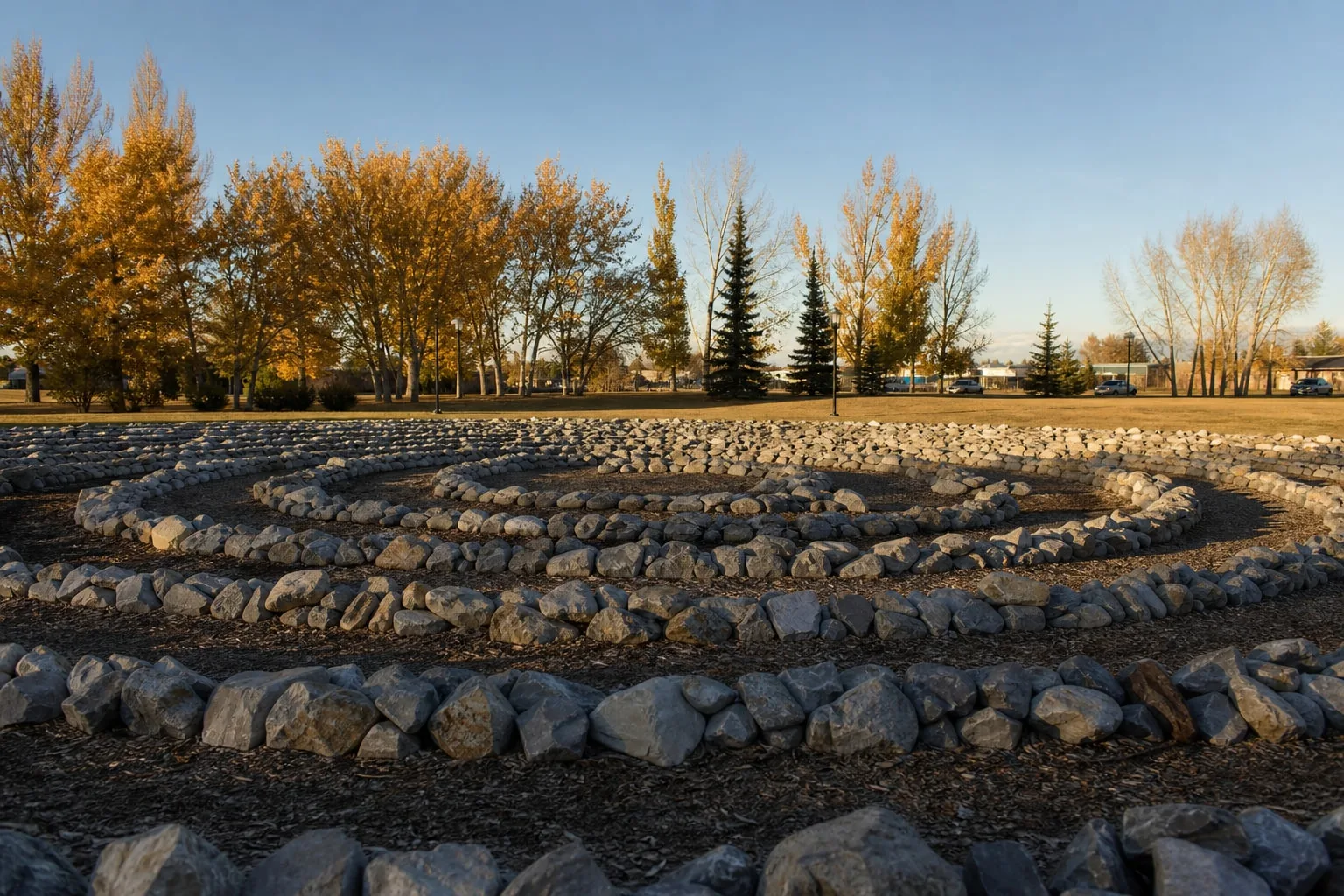
This part of central Alberta, along the QEII corridor, is home to roughly 1,280 residents according to the most recent census, up from 1,240 in the prior count. It's a working town: the RCMP Police Dog Service Training Centre anchors part of the local economy, alongside farms and acreages that ring the townsite. Properties here range from in-town lots to larger rural parcels with shops, grain bins, and outbuildings, and each one draws power differently. Environment Canada's climate normals record 1,998.4 hours of bright sunshine annually at the nearby Olds station, but we don't size a system off a regional average. We size off the property: roof orientation, shading, the loads you actually run, and the 12-month usage graph on your most recent power bill. A home near the Bowden Sun Maze has different needs than an acreage with a heated shop or irrigation pump, and solar plus battery storage only makes sense when the battery is sized to the loads you want backed up, not a flat number. Every design we bring to a property here starts with that bill and a site visit, not a sales pitch.

Electrical Site Review for Bowden Properties
Voltage Rise
Voltage rise happens when a solar inverter pushes power back onto a long or lightly loaded distribution line, nudging the voltage at your service upward. Rural feeders in this area can run longer than in-town lines, so we check the distribution conditions at your specific service before finalizing inverter settings. If voltage rise is a concern, it can affect how hard the inverter can run before it clips output, which factors into how we size the array.
Single-Phase vs Three-Phase
Properties in this area can have either single-phase or three-phase electrical service, depending on when the service was installed and what it was built to run. This matters because inverter selection and the maximum system capacity we can connect both depend on which phase configuration is present. We confirm your service type during the site visit so the equipment we spec is actually compatible with your connection.
Panel Infrastructure
Older rural properties in this area sometimes have electrical panels with limited breaker capacity or equipment that predates modern solar interconnection standards. We check panel age, busbar rating, and available breaker space before finalizing a design, since a full panel can block a solar or battery connection even when the roof and site are otherwise ready. If an upgrade is needed, we scope it as part of the project rather than discovering it mid-install.
Service Entrance Review
We inspect the service entrance and meter base on every property we work on here to confirm it can support the added equipment a solar plus battery system requires. The meter base condition matters directly for the micro-generation application to FortisAlberta, since an outdated or damaged meter base can hold up the connection review. When an upgrade is required, we include it in the project scope so it doesn't surface as a surprise after the application is already in.
Right-Sizing Solar for Bowden Properties
Rural properties typically need a bigger system than a comparable in-town home, simply because there's more to power: the house, maybe a shop, outbuildings, a well pump, or grain handling equipment that draws hard during harvest. A system sized only for the house often leaves the shop running entirely on grid power, which defeats the point. Roof mount works well when there's enough unshaded, well-oriented roof area to fit the array, but it's not always the right call. Ground mount makes more sense when trees or outbuildings shade the roof, when the roof pitch or orientation isn't ideal, or when the yard has open space and the ground array can be angled for better exposure. Acreages and farms often have exactly that kind of room, which puts ground mount on the table in a way it rarely is for a small in-town lot. Either way, we size the system from the 12-month usage graph on your most recent power bill, not a flat rule like watts per square foot of house. That graph shows us your actual draw across the year, including spikes from a shop heater or irrigation pump, and we build the array and battery around that pattern rather than a generic number. A current power bill and a site visit are what actually drive the system size we recommend.
Typical Load Profiles We Design For Near Bowden
Home + Heated Shop
This profile covers a house plus a detached shop with electric or combination heat, which tends to pull hard through the winter months. We read the shape of that draw off the 12-month usage graph on your most recent power bill, then size the array and any battery backup around both buildings instead of just the house meter.
Acreage with Well Pump and Outbuildings
Acreages with a well pump, a barn, or a scattering of outbuildings often have load spikes that a single in-town home never sees. We account for those spikes using your most recent power bill rather than guessing, since a well pump cycling on can draw more than steady household loads. The battery and array get sized to cover the pattern we actually see, not an assumed average.
Grain Handling and Seasonal Farm Load
Grain drying, augers, and other seasonal equipment create short, heavy bursts of demand that are easy to undersize for if you only look at average monthly use. Your most recent power bill's usage graph shows us those seasonal peaks even if they only last a few weeks a year. We factor that peak draw into the system and battery sizing so the equipment isn't left running on grid power alone during harvest.
FortisAlberta Interconnection in Bowden
FortisAlberta is the wire service for this property, which means any solar plus battery storage system installed here goes through FortisAlberta's micro-generation interconnection process. Range Road Solar prepares and submits that application package as part of your project, including the electrical drawings and equipment specifications FortisAlberta requires to review the connection. We don't guess at FortisAlberta's requirements or promise a specific approval timeline, because those depend on your specific site and current FortisAlberta rules at the time you apply. What we do handle is the paperwork itself: single-line diagrams, equipment data sheets, and the site-specific details FortisAlberta needs to process a micro-generation application. If your system includes battery storage, we document how the battery interacts with the grid connection as part of that same package, so FortisAlberta is reviewing one complete application rather than piecing it together.
Project Economics and Design Review
| System Size | Annual Production | Year 1 Savings | Payback Period |
|---|---|---|---|
| 8-12 kW range, 10 kW typical |
Production, savings, and payback figures are only accurate once we've completed a property-specific design using your most recent power bill.
How We Work in Bowden
Bill and Load Review
We review your power bill to understand your energy use in Bowden and size the system to your actual consumption, not a generic estimate.
Site Assessment
We assess your roof or ground area, south-facing exposure, electrical service, and utility interconnection requirements specific to your property.
Design and Utility Application
We produce a system layout, production estimate, and cost summary, then submit your micro-generation application to your utility on your behalf.
Installation and Commissioning
Our crew installs racking, panels, inverter, and electrical connections. All work is performed by licensed electricians. We commission and test before handoff.
Current Program and Interconnection Review
Utility connection review
FortisAlberta reviews every micro-generation grid connection application for a system installed in its service area. Range Road Solar prepares the design package, electrical drawings, and equipment specifications that application requires, and submits it on your behalf.
Current program review
Residential, farm, and commercial solar plus battery projects are each checked against whatever program and eligibility rules are current at the time we design your system. We don't assume a program applies just because it did on a past project, since rules and availability change.

Frequently Asked Questions
Get a Solar Assessment for Bowden
Submit a recent power bill and we will review your consumption and provide an honest assessment for your Bowden property. No obligation.
(587) 330-7502 Book a CallMore Solar Services in Bowden