Solar quotes in Bowden, Alberta start with a real design, not a satellite guess pulled off Google Maps. We review your uploaded bill and site photos, or visit in person, to check roof pitch, shading from trees or outbuildings, and how the service panel is set up before we size anything. A typical home here lands in the 8 to 15 kW range, with 10 kW being the most common size we quote, though the exact number depends entirely on what your most recent power bill shows about how the property uses power across the year. Every quote we prepare uses LONGi panels and APsystems microinverters. LONGi panels give us flexibility on roof layouts that aren't perfectly square, and the APsystems microinverter setup means each panel operates independently, so shade from a tree, a chimney, or a neighboring roofline on one panel doesn't drag down output from the rest of the array. That matters on a lot of in-town lots where mature trees or tight lot lines limit where an array can go. For acreages and properties with a shop or outbuilding load, the quote accounts for that extra draw separately rather than sizing off the house alone. We'll walk through roof-mount versus ground-mount options where the yard layout allows it, and we price out the electrical work needed to tie a new array into an older panel if that's part of the job. The quote you get back is a real proposal built from the property and the bill in front of us, not a range pulled from a brochure.
Solar Planning for Bowden Properties
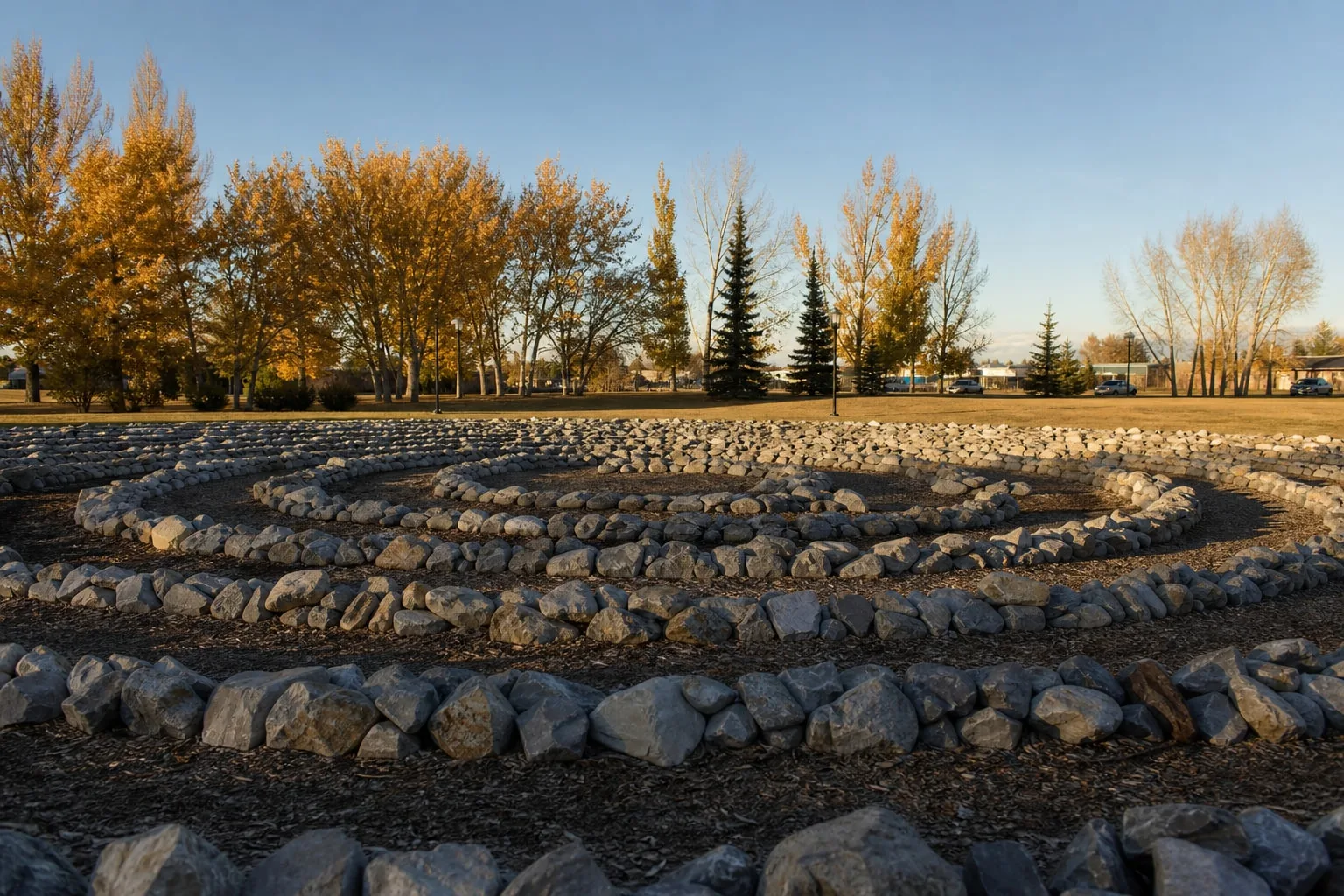
Bowden was incorporated as a village in 1904 and as a town in 1981, and it's grown steadily since then: the most recent census put the population at 1,280, up from 1,240 the count before that. That kind of small, steady growth means the town still has a mix of older in-town lots, newer infill, and acreages on the edges where Bowden meets the surrounding rural land. Each of those property types comes with a different roof, a different service panel, and a different load profile, so a solar quote here starts with what's actually on the property, not a template. We see everything from modest in-town roofs near the Bowden Sun Maze to larger outbuildings tied to farm operations and properties near the RCMP Police Dog Service Training Centre. FortisAlberta is the wire service across the area, and that shapes how the interconnection paperwork gets filed and reviewed, regardless of whether the array ends up on a house roof, a shop, or a ground mount. We don't guess at any of this from a satellite image. A design review starts with your most recent power bill and a look at the actual site: roof pitch, shading, panel capacity, and how the property draws power across the year. That's what turns into a real system size in the 8 to 15 kW range, not a number pulled from an average.
Electrical Site Review for Rural Alberta Properties
Voltage Rise
Voltage rise happens when the distance and load between a transformer and the property push voltage higher than the inverter expects at the point of connection. Rural distribution lines in this area can run longer than in-town circuits, and that distance is one of the factors we check before finalizing inverter settings. If voltage rise is a concern on the line, it can affect inverter clipping and push us toward a different system size or configuration.
Single-Phase vs Three-Phase
Properties in this area run on either single-phase or three-phase service, and which one you have changes which inverter equipment and system capacity make sense. A shop or grain-handling setup on three-phase power often needs a different inverter configuration than a single-phase farmhouse. We confirm which service type the property has during the site review, before we finalize equipment.
Panel Infrastructure
A lot of rural properties in this area still run on older electrical panels, and breaker capacity and panel age are two of the first things we check on-site. We're looking for whether the panel has room for a new solar breaker and whether its age or condition raises any red flags on its own. If the existing panel can't support the added capacity, the quote includes what a panel upgrade would involve before the array goes in.
Service Entrance Review
We check the condition of the service entrance and meter base as part of every site visit, since that's the physical connection point FortisAlberta reviews as part of the micro-generation application. A meter base that's outdated or doesn't meet current standards can hold up that application. When an upgrade is needed, we scope it as part of the quote so it's not a surprise after the paperwork is already in.
Right-Sizing Solar for Rural Properties
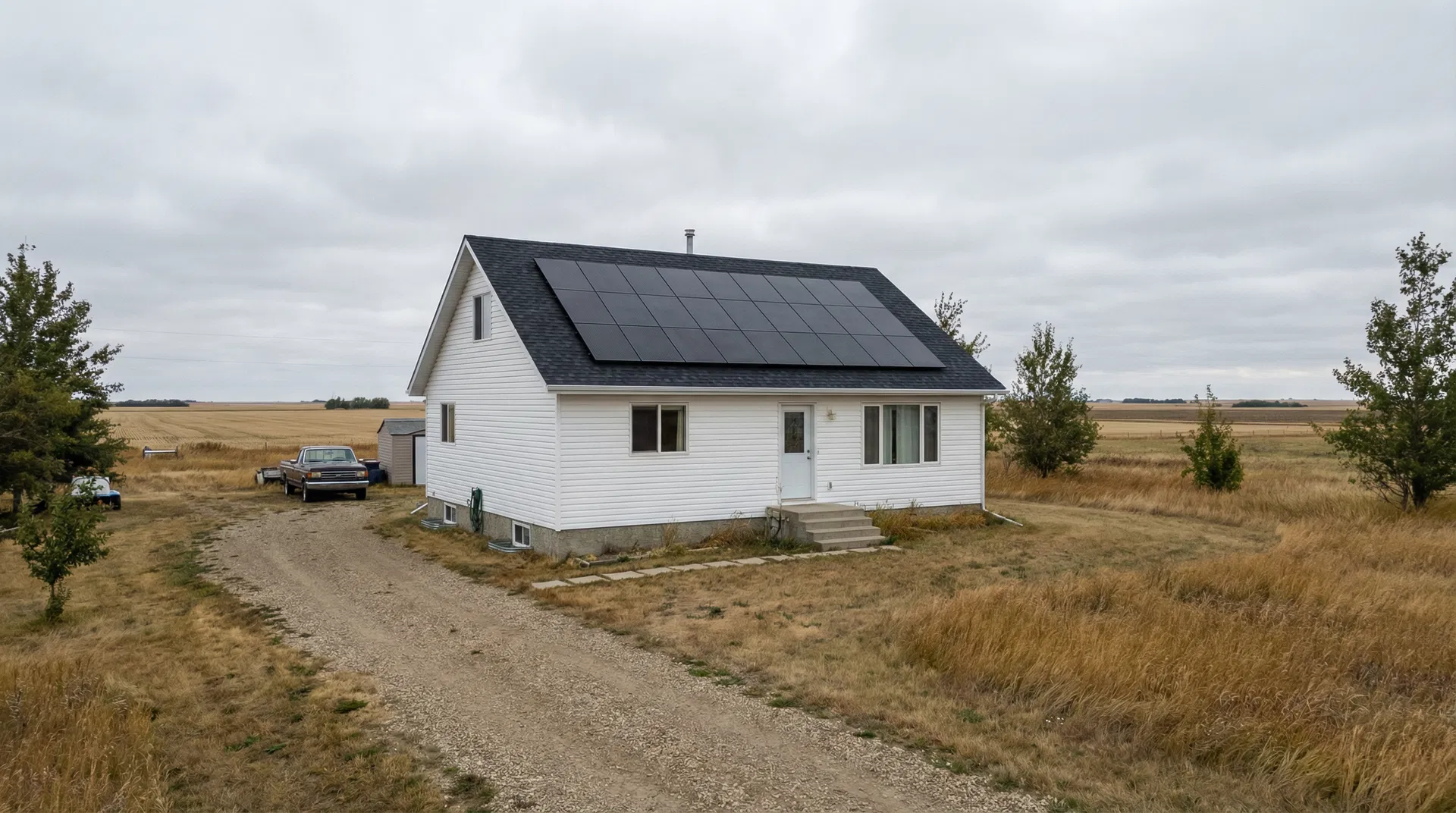
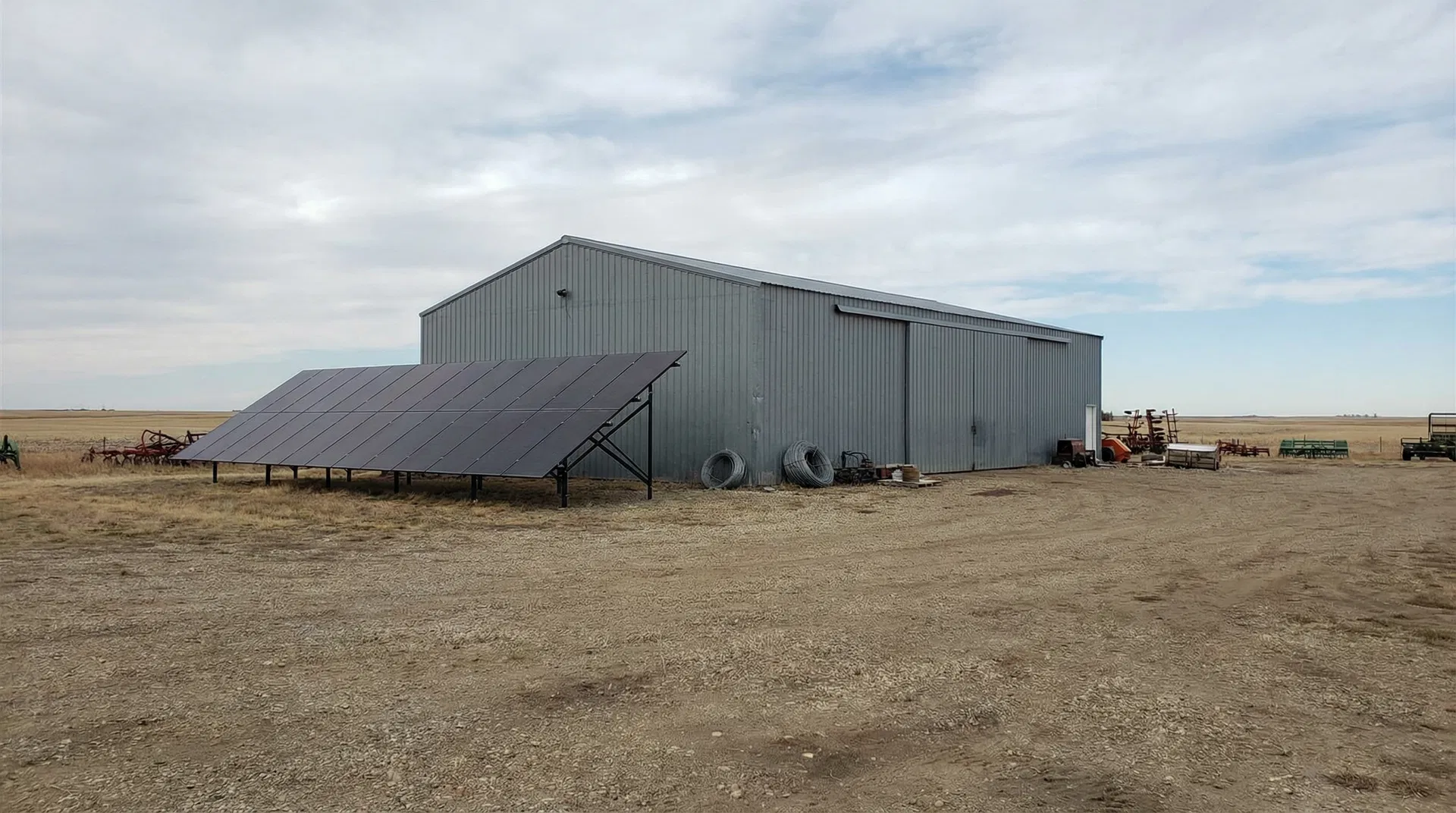
Rural properties in this area usually need more capacity than a comparable in-town home, and it's not because the sun here is any different. It's because the loads stack up: a house plus a heated shop, plus a well pump or irrigation setup, plus grain handling equipment that draws hard during harvest. A system sized only for the house often comes up short once those other loads are counted. Roof versus ground mount comes down to what the property actually looks like. If the house roof faces the wrong direction, has a low pitch, or sits in the shade of mature trees or a shop, a ground mount on open yard space is often the better call, especially on acreages where there's room for it. In-town lots with tight lot lines usually stay on the roof by default, simply because there's nowhere else to put an array. Either way, we size the system off the 12-month usage graph on your most recent power bill, not a rule-of-thumb number based on square footage or a quick guess. That graph shows us how the property draws power across the seasons, including any spikes from a shop, irrigation pump, or grain dryer. Combined with a site visit to confirm roof or ground conditions, that's what turns into an actual system size, somewhere in the 8 to 15 kW range for most properties we quote here, with 10 kW being typical.
Typical Load Profiles We Design For in This Area
Home + Heated Shop
This is one of the most common profiles we quote in this area: a house plus a heated, insulated shop that runs power tools, a compressor, and sometimes a wood or metal shop setup through the colder months. We size for both loads together using the 12-month usage graph on your most recent bill, since the shop's draw often shows up as a separate seasonal pattern from the house.
Acreage with Well Pump and Outbuildings
Acreages in this area often run a well pump, a barn or machine shed, and general outbuilding power off the same service as the house. None of those loads run constantly, but together they add up to a different daily pattern than a straight residential property. We look at how those loads layer on the bill's usage graph before settling on a system size.
Grain Handling and Farm Operations
Properties with grain bins, augers, or dryers see sharp seasonal spikes at harvest that a flat, average-based estimate would miss entirely. We size for that seasonal peak using the usage pattern on your most recent bill, not just an annual average, so the system reflects how the property actually draws power during the busiest weeks of the year.
FortisAlberta Interconnection in Bowden
FortisAlberta is the wire service across Bowden, and that's the utility your interconnection application goes through no matter what type of property is involved, in town or on an acreage nearby. Range Road Solar handles that micro-generation application as part of every solar quote: we prepare the electrical single-line diagram, the equipment specifications for the LONGi panels and APsystems microinverters, and the paperwork FortisAlberta requires to review a new grid-tied system. We don't quote an approval timeline or promise a specific outcome on the application, because that review sits with FortisAlberta, not with us. What we can tell you is that we've done this paperwork before and know what FortisAlberta's review process expects from a submission, which is why we build the application package as part of the quote instead of leaving it for you to sort out after the fact. If the property needs a service upgrade before an array can connect, we'll flag that during the design review, before anything gets signed.
Project Economics and Design Review
| System Size | Annual Production | Year 1 Savings | Payback Period |
|---|---|---|---|
| 8-15 kW range, 10 kW typical |
Production, savings, and payback figures are only meaningful after a property-specific design review that uses your most recent power bill and actual site conditions.
How We Work in Bowden
Bill and Load Review
We review your power bill to understand your energy use in Bowden and size the system to your actual consumption, not a generic estimate.
Site Assessment
We assess your roof or ground area, south-facing exposure, electrical service, and utility interconnection requirements specific to your property.
Design and Utility Application
We produce a system layout, production estimate, and cost summary, then submit your micro-generation application to your utility on your behalf.
Installation and Commissioning
Our crew installs racking, panels, inverter, and electrical connections. All work is performed by licensed electricians. We commission and test before handoff.
Current Program and Interconnection Review
Utility connection review
FortisAlberta reviews every micro-generation grid connection application on its own merits, and that review is separate from the design work we do. Range Road Solar prepares the full design package, including the single-line diagram and equipment specs, so the application goes to FortisAlberta complete the first time. We don't control the review itself, but we do control how ready the paperwork is when it lands there.
Current program review
Eligibility for any current program, whether it applies to a residential property, a farm operation, or a commercial site, gets checked against the rules in place at the time we prepare your design. Those rules change, so we confirm current eligibility during the design review rather than quoting off what applied last year. That review happens before you commit to a system size or a final quote.
Frequently Asked Questions
Get a Solar Assessment for Bowden
Submit a recent power bill and we will review your consumption and provide an honest assessment for your Bowden property. No obligation.
(587) 330-7502 Book a CallMore Solar Services in Bowden