Is solar worth it in Alberta?
For most properties around Alberta, the math works. A typical 10 kW residential system here produces about 11,000 kWh a year and trims roughly $2,500 off your first-year power bill, which puts payback at about 13 to 15 years. We size every system to your actual power bills and site conditions, not an inflated projection.
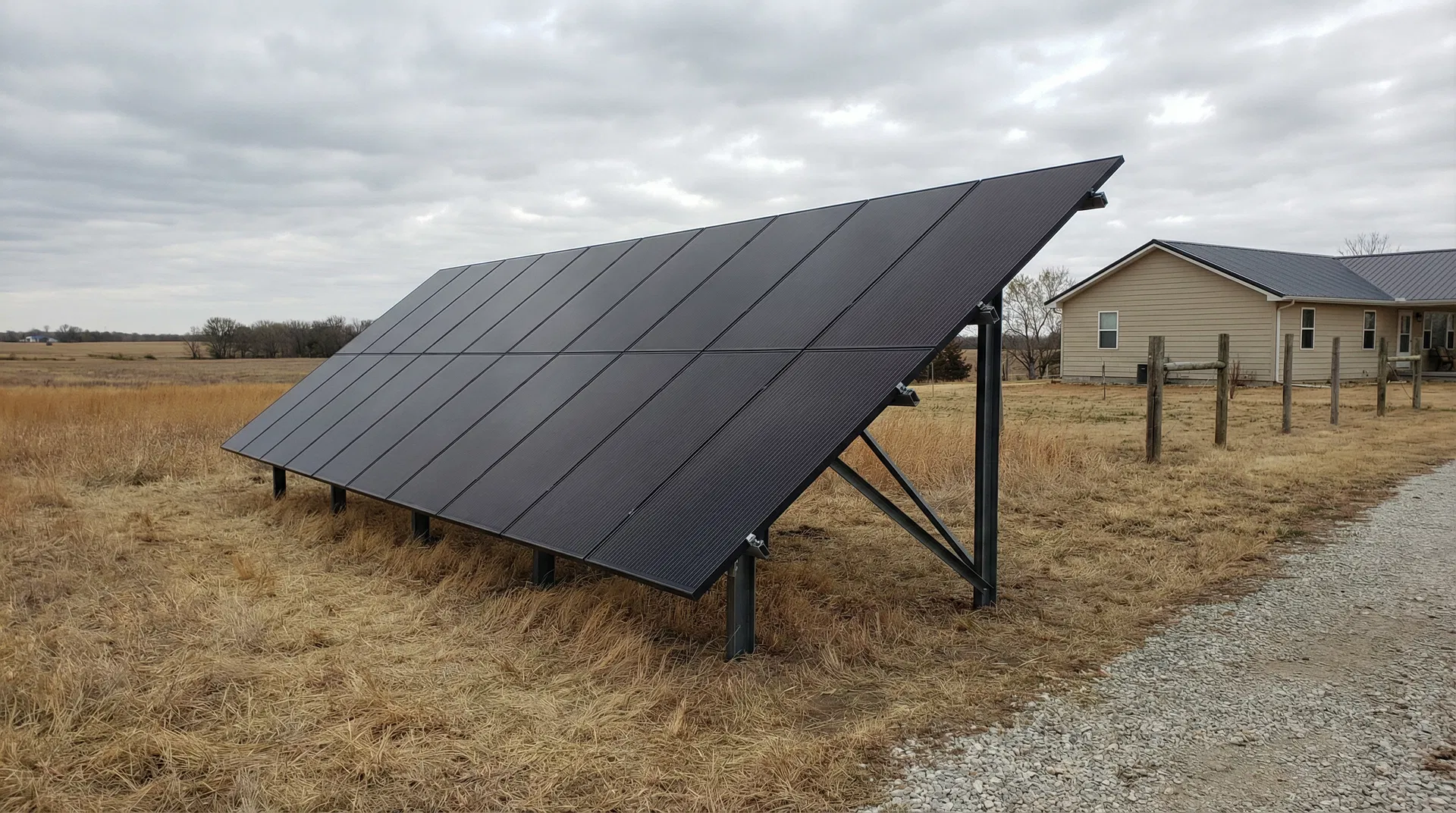
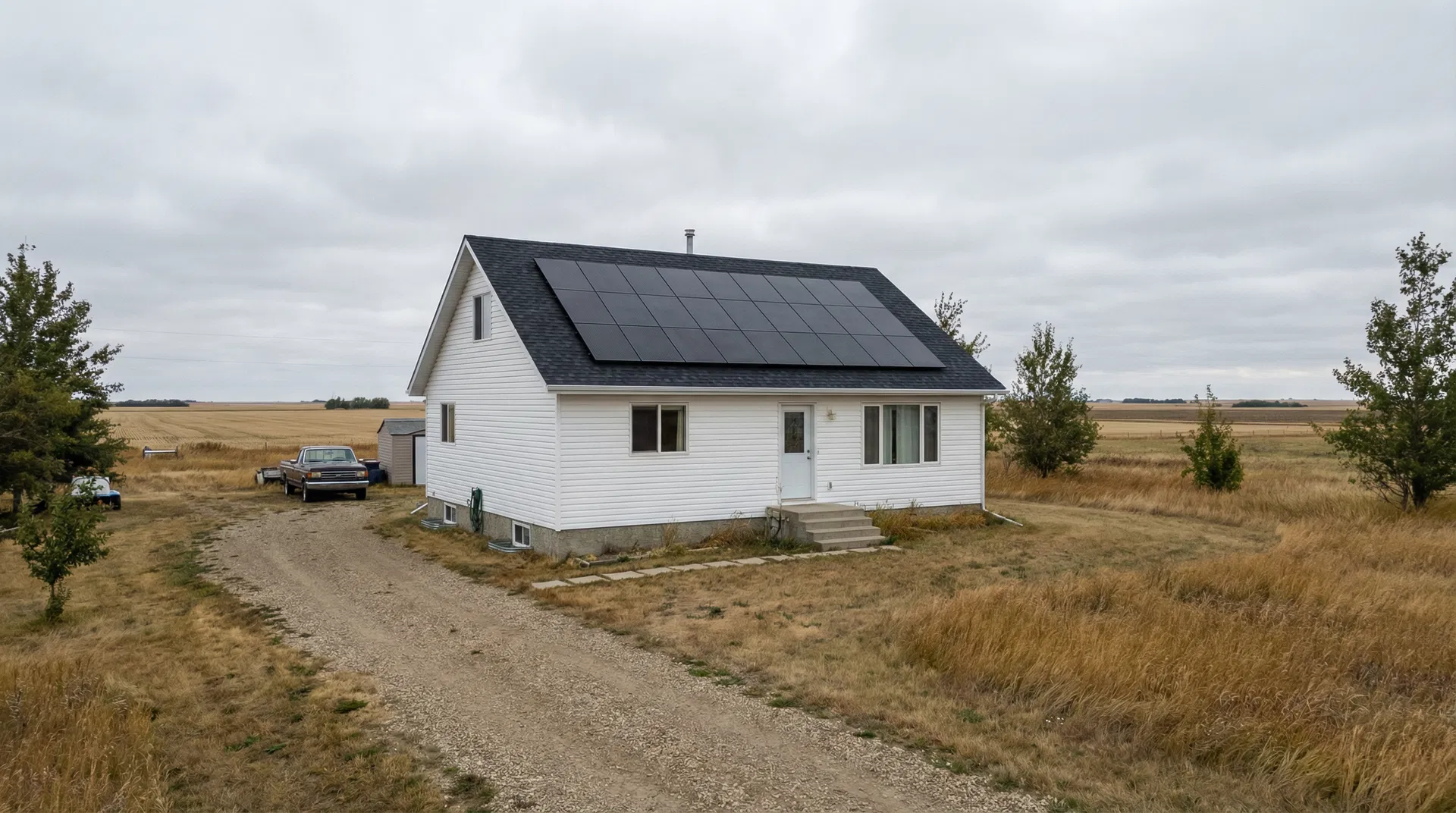
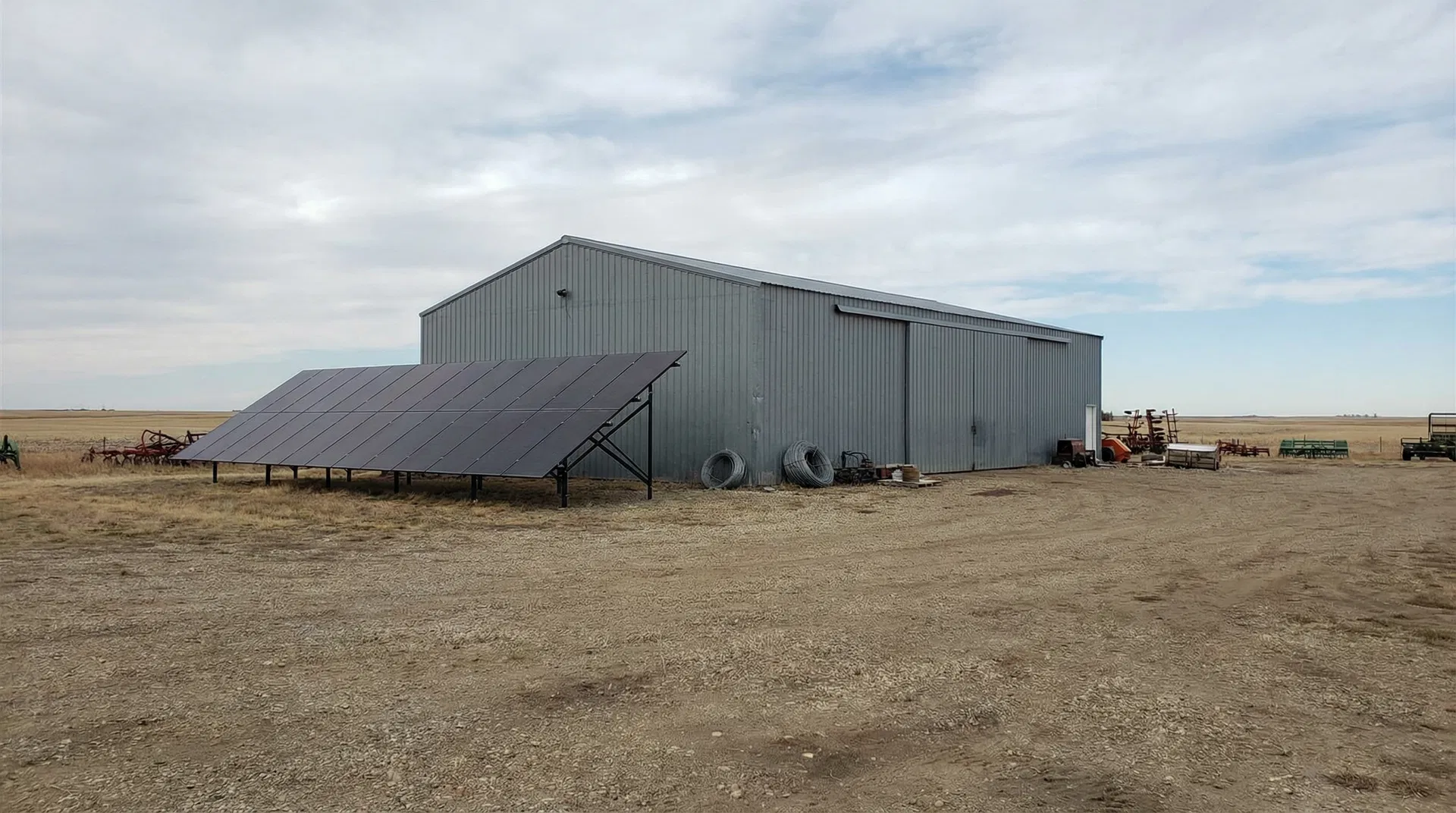
Searching for the best solar company in Alberta returns a wall of ads, ranking sites that take payment for placement, and a hundred companies that all claim to be number one. We are not going to hand you a ranked list with our own name at the top. What we can do is show you how to evaluate any installer, because the criteria are not secret and a good company will pass every one of them without flinching. Range Road Solar is an Alberta company that specializes in rural, acreage, and farm installations across Calgary's surrounding counties: Rocky View County, Foothills County, Mountain View County, and beyond, plus plenty of in-town work in places like Airdrie, Okotoks, and Cochrane. We are open about what we are good at. If you have a downtown Calgary condo board project, there are firms better matched to that job. If you have an acreage with a long service run, a shop with three-phase questions, or a quarter section where a ground mount makes more sense than a roof, that is exactly the work we built the company around. What follows is the vetting checklist we would give a family member shopping for solar anywhere in the province, plus the specific questions that separate a professional operation from a sales organization with subcontractors.
What Actually Separates Good Alberta Solar Companies
First, licensing and certification. Solar in Alberta is electrical work. The company should hold the proper municipal or provincial electrical permits for every job, use certified electricians for the electrical scope, and be able to show WCB coverage and liability insurance without being asked twice. Membership in industry bodies like Solar Alberta is a good signal that a company participates in the industry beyond selling. Second, honest production estimates. Alberta gets excellent sun, but a company quoting production numbers that assume perfect conditions year-round is setting you up for disappointment. Ask what irradiance data the estimate is based on and whether it accounts for your actual roof orientation, tilt, and shading. If the answer is a rule of thumb, keep shopping. Third, warranty structure. Panel and inverter manufacturer warranties run 10 to 30 years, but the warranty that matters most day to day is workmanship: who fixes a roof penetration leak or a failed connection, and for how long. Get the workmanship warranty in writing and ask who honours it if the company changes hands. Fourth, who does the work. Some companies sell the job and subcontract everything. That is not automatically bad, but you should know who is on your roof and who is accountable afterwards. Fifth, the paperwork. A professional installer handles the micro-generation application with your utility, the electrical permit, and the inspection scheduling as part of the job. If a company expects you to figure out the utility side yourself, that tells you how the rest of the project will go.
Questions to Ask Every Solar Company Before You Sign
On the estimate
What irradiance data and shading analysis is this production number based on? Did you use my actual your most recent power bill to size the system? What happens to the payback math if rates change? A professional shows their assumptions. A salesperson shows a monthly payment.
On the install
Who physically does the installation, employees or subcontractors, and who is the certified electrician of record? What racking and flashing system do you use on my roof type, and how are penetrations sealed? What is your snow load and wind engineering basis for my area?
On the aftermath
What is the workmanship warranty, in years, in writing? Who handles the micro-generation application and meter swap with my utility? Who do I call in year six if a panel underperforms, and what does that service call cost me?
On rural sites specifically
Have you dealt with voltage rise on long rural feeders? Can you design for three-phase farm service? Have you built ground mounts in this county and handled the trenching and locates? Rural work is a specialty, not a variation on a city rooftop.
Why Utility Territory Knowledge Matters When Picking an Installer
Alberta is not one grid experience. Calgary is ENMAX territory. Edmonton is EPCOR. Most of rural Alberta and the smaller cities around Calgary are FortisAlberta. Central, eastern, and northern towns are largely ATCO Electric. Lethbridge, Red Deer, and Medicine Hat run their own municipal utilities inside city limits. Each wire owner has its own micro-generation application process, its own review timelines, and its own quirks. An installer who works your territory regularly knows where the delays happen and how to avoid them. This matters double on rural properties. Long distribution feeders raise voltage rise questions that can constrain how much a system is allowed to export. Farm sites mix single-phase and three-phase service. Older rural panels and meter bases sometimes need upgrades before the utility will approve an interconnection, and finding that out after the panels are on the roof is expensive. When you interview a company, ask directly: who is my wire service provider, how many systems have you interconnected with them, and what is your current approval turnaround? A company that works your area answers immediately. A company that hesitates is going to be learning on your project. Most approvals across Alberta utilities come back in 2 to 6 weeks when the application is complete and correct the first time, and that completeness is entirely in the installer's control.
What a Fairly Priced Alberta Solar Quote Looks Like
| System Size | Annual Production | Year 1 Savings | Payback Period |
|---|---|---|---|
| 10 kW residential | 11,000 kWh | $2,500 CAD | 13 to 15 years (based on $34,000 to $38,000 installed) |
These are benchmark figures for comparing quotes, based on typical Alberta irradiance and current all-in electricity costs. Any specific quote should be built from the 12-month usage history on your most recent bill and a site-specific production model.
How We Work in Alberta
Bill and Load Review
We review your power bill to understand your energy use in Alberta and size the system to your actual consumption, not a generic estimate.
Site Assessment
We assess your roof or ground area, south-facing exposure, electrical service, and utility interconnection requirements specific to your property.
Design and Utility Application
We produce a system layout, production estimate, and cost summary, then submit your micro-generation application to your utility on your behalf.
Installation and Commissioning
Our crew installs racking, panels, inverter, and electrical connections. All work is performed by licensed electricians. We commission and test before handoff.
Frequently Asked Questions
Get a Solar Assessment for Alberta
Submit a recent power bill and we will review your consumption and provide an honest assessment for your Alberta property. No obligation.
(587) 330-7502 Book a CallRelated Resources