Commercial solar for Three Hills businesses starts with a site assessment of your building's roof or available land, your electrical panel, and your load profile, not a generic package deal. We install systems from 15 kW up to 100 kW, sized to match what your operation actually draws, whether that's a single storefront, a shop with cold storage, or a multi-building commercial site. Every system uses LONGi panels. On smaller commercial installs we pair them with APsystems microinverters, which let us mix roof planes and orientations without one shaded or underperforming panel dragging down the whole array. On larger commercial systems, where the math favors it, we spec string inverters instead, which handle higher-capacity arrays more efficiently at scale. Mounting depends on the building: standing-seam metal roofs common on commercial and shop buildings around the area take a different racking approach than a flat membrane roof or a ground-mount array on open land beside a building. We also design around three-phase service where a business has it, since that changes both inverter selection and how much capacity we can put on the property. Before we finalize a design, we pull your most recent power bill and review the 12-month usage graph it includes, so the system size reflects how your business actually uses power across the year, not just a snapshot. That review, combined with the site walk, is what tells us whether 20 kW covers the load or whether the property can support something closer to the 100 kW end of the range.
Solar Planning for Three Hills Properties
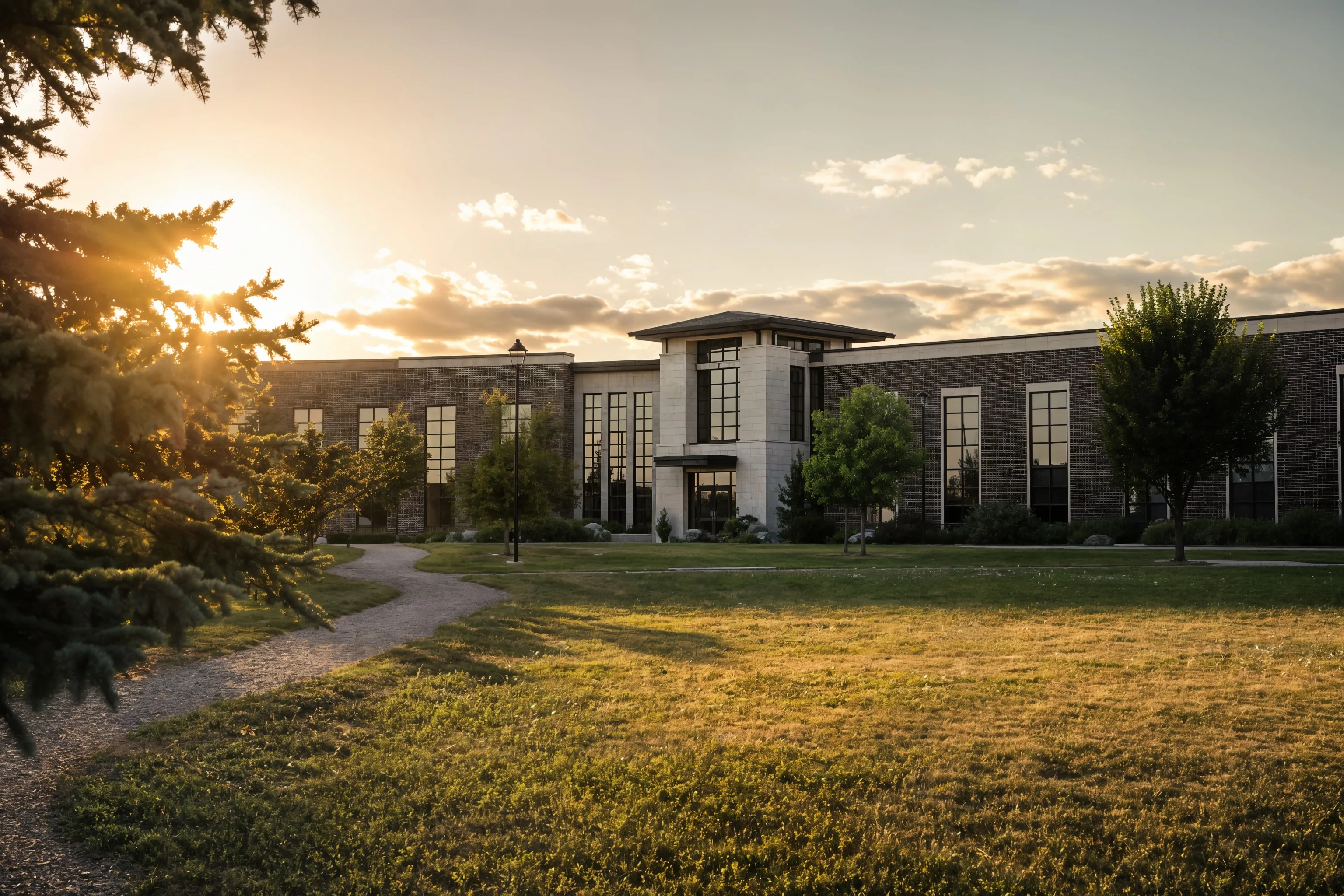
Three Hills is home to Prairie College (formerly Prairie Bible Institute), a campus that anchors a good share of the area's commercial and institutional building stock. The town was incorporated as a village on June 14, 1912, and as a town on January 1, 1929, and much of its commercial core, from Main Street storefronts to shop buildings on the edge of the area, reflects that long build-out. With a population of 3,042, the area carries a mix of retail, agricultural service, and small manufacturing operations, each with a different roof, panel, and load profile. A commercial solar system here has to work with what's actually on the property: roof pitch and condition, available ground space, the building's electrical panel, and how much power the operation draws through the day. We don't size a system off a rule of thumb. We start with a site walk and your most recent power bill, then build a design that fits the building in front of us, not a generic template. That's true whether you're running a shop downtown or an operation with outbuildings on the edge of the property.
Electrical Site Review for Three Hills Properties
Voltage Rise
Voltage rise happens when the voltage at your property's connection point sits higher than what the grid nominally delivers, often because of how far a property sits from a transformer or how the local distribution circuit is loaded. On commercial systems, higher voltage rise can push an inverter to clip output or shut down protective limits sooner than expected. We check distribution conditions at your site during the design review so the inverter and system size we spec actually hold up under real voltage, not just a textbook number.
Single-Phase vs Three-Phase
Commercial properties in this area run on either single-phase or three-phase electrical service, and which one you have changes what equipment we can use. Three-phase service opens up a wider range of string inverter options and generally supports a larger system, while single-phase service caps capacity and points us toward microinverters or a smaller string inverter setup. We confirm your service type early, since it affects both equipment selection and how large a system your connection can actually support.
Panel Infrastructure
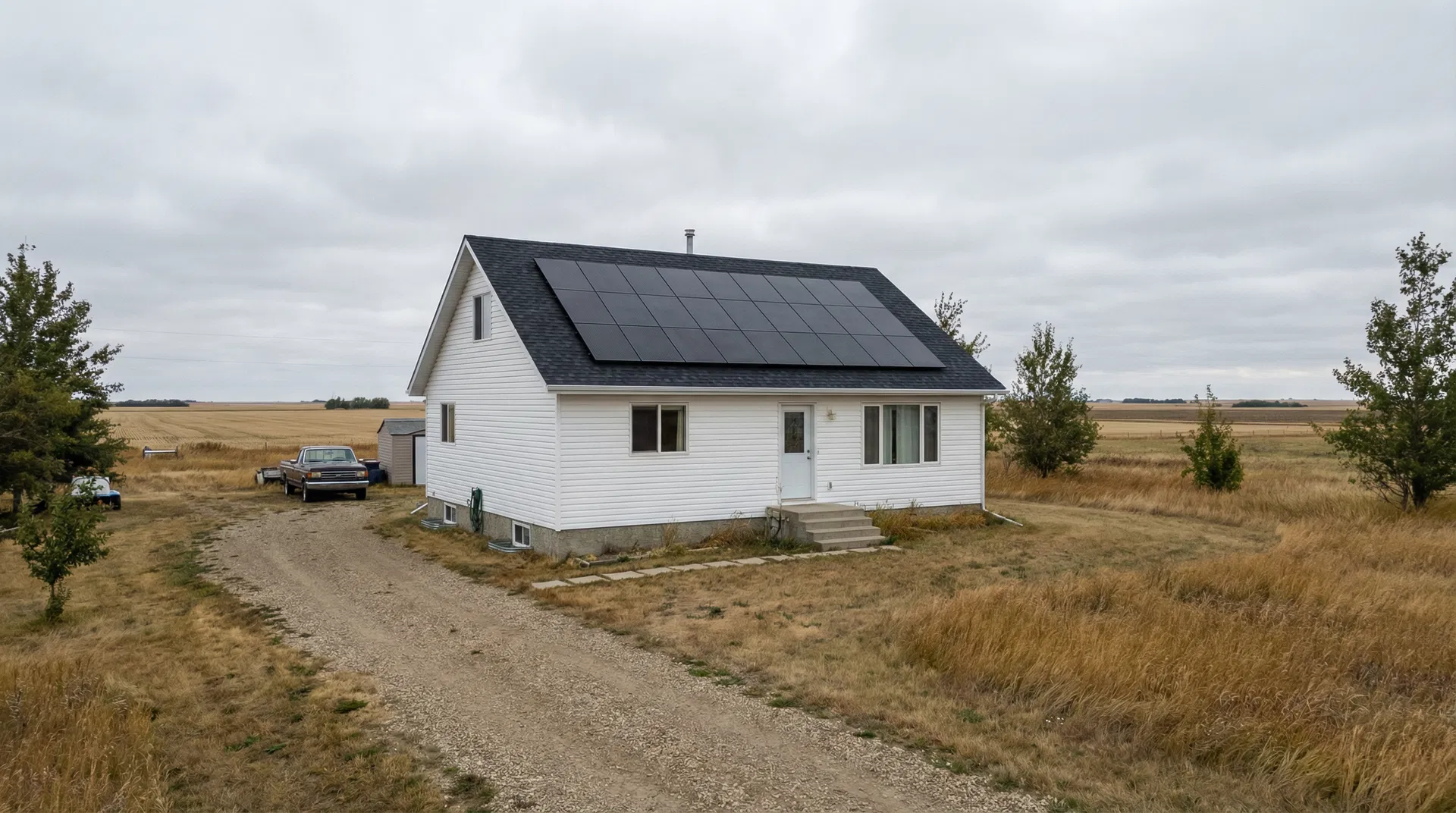
Older commercial electrical panels weren't built with a solar interconnection in mind, so we check breaker capacity, panel age, and busbar rating before finalizing a design. What we're looking for is whether the panel has room for a solar breaker without exceeding its rated capacity, and whether its age or condition raises other concerns. If the panel can't support the system, an upgrade means a new panel or a service upgrade sized to both your existing loads and the solar addition, which we scope out as part of the design.
Service Entrance Review
We review the service entrance and meter base condition as part of every commercial design, since that's the physical connection point ATCO Electric evaluates in the micro-generation application. A meter base that's outdated, undersized, or in poor condition can hold up that application or require correction before ATCO will approve the interconnection. When an upgrade is needed, we identify it during the site review and fold it into the project scope so it doesn't surface as a surprise later.
Right-Sizing Solar for Three Hills Properties
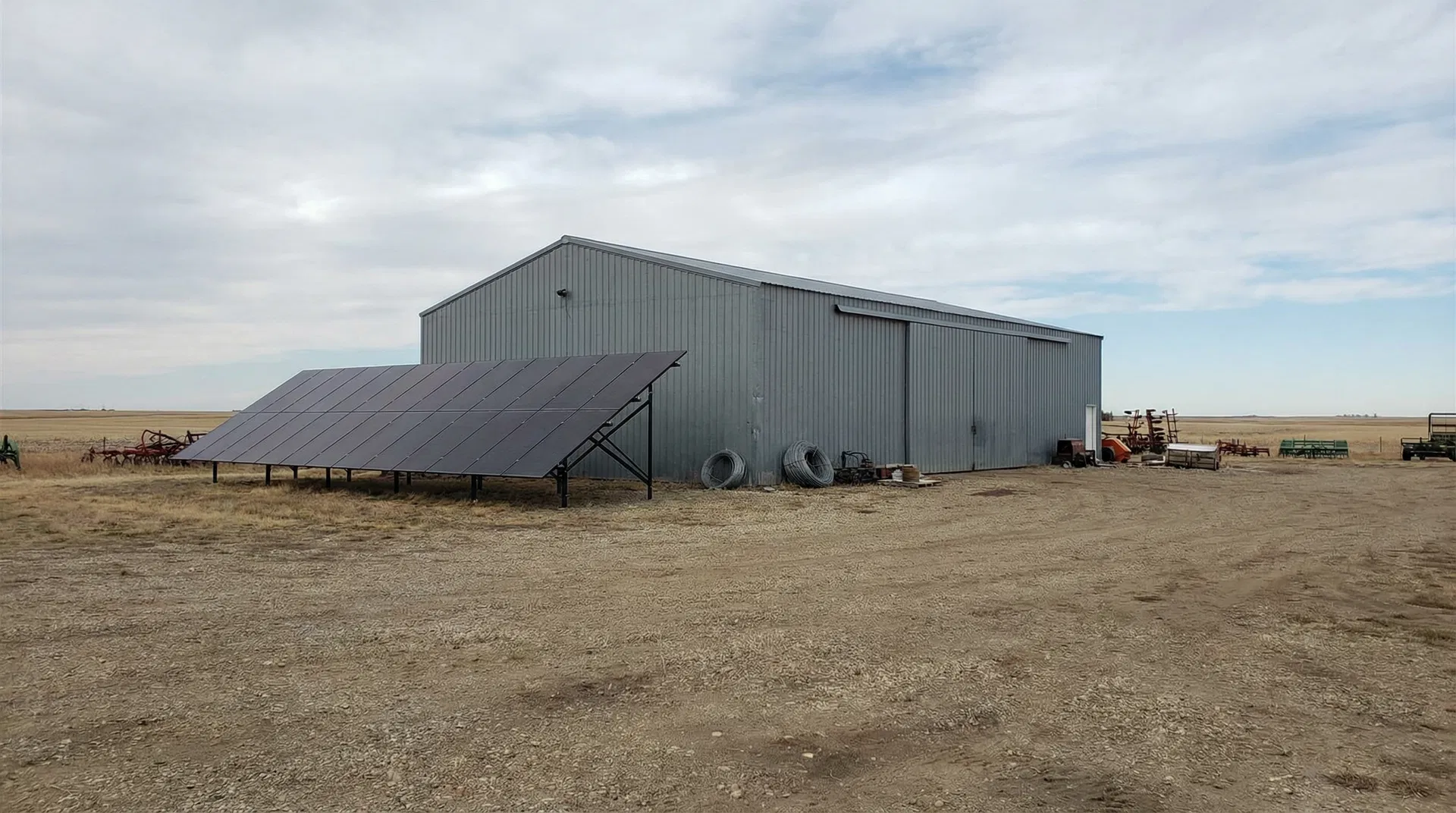
Commercial properties are rarely a single load. A shop with a storefront might also run cold storage, shop equipment, and yard lighting, and each of those draws power differently through the day. That's a big part of why commercial systems here often land well above what a typical home needs, and why we size from 15 kW up to 100 kW depending on the property. Roof or ground mount comes down to what the building and lot actually offer. If the roof has good, unshaded exposure and enough structural capacity, that's usually the simpler and less expensive path. But a lot of commercial buildings here have shading from neighboring structures or trees, a roof pitch or membrane that doesn't suit panels well, or open yard space that makes more sense to use. In those cases, a ground mount array beside the building is often the better call, and it can be sized independent of roof constraints. Either way, we don't size off a rule of thumb like watts per square foot. We size from the 12-month usage graph on your most recent power bill, which shows how your load actually moves across the year, paired with a site design that accounts for shading, orientation, and available space. That combination, your bill and your site, is what tells us where in the 15 to 100 kW range your system belongs.
Typical Load Profiles We Design For Near Three Hills
Retail Storefront + Cold Storage
A retail or service storefront that also runs a walk-in cooler or freezer has a steadier daytime draw than a typical office, since refrigeration doesn't stop when the doors close. We size systems for this load profile using the 12-month usage graph on your most recent power bill, which shows how much of that draw is constant versus tied to business hours. That graph, paired with your roof or available ground space, tells us where in the 15 to 100 kW range the system should land.
Shop or Ag-Service Operation
Shops that run welding equipment, compressors, or vehicle service bays tend to have load spikes rather than a flat draw, which changes how we size and configure a system. We look at your most recent power bill's usage graph to see how often and how high those spikes run, since that shapes both system size and inverter selection. Three-phase service, where the property has it, usually gives us more flexibility to size around this kind of load.
Multi-Building Commercial Site
Some commercial properties run more than one building off a shared service, such as a main building plus a secondary shop or storage structure. That setup often means a larger combined load and more roof or ground-mount options to work with. We map out every building's draw from your power bill and site conditions before deciding whether one larger array or a split system across buildings makes more sense.
ATCO Electric Interconnection in Three Hills
ATCO Electric is the wire service for Three Hills, and any commercial solar system tied to the grid here goes through ATCO's micro-generation interconnection process. Range Road Solar handles that application on your behalf: we prepare the technical package, including system design, equipment specifications, and single-line diagrams, and submit it to ATCO Electric so you aren't the one chasing paperwork. Commercial interconnections often involve more back-and-forth than a residential one, since ATCO reviews the system against your building's existing service capacity and, where relevant, three-phase configuration. We stay the point of contact through that review so you can keep running your business instead of managing a utility file. We don't quote approval timelines or promise a specific turnaround, because that's set by ATCO Electric's current process, not by us. What we can tell you upfront is that the application gets built correctly the first time, with your actual equipment and load data, which is the biggest factor in keeping the review moving.
Project Economics and Design Review
| System Size | Annual Production | Year 1 Savings | Payback Period |
|---|---|---|---|
| 15-100 kW range, 30 kW typical |
Production, savings, and payback figures are provided only after a property-specific design review that uses your actual power bill and site conditions.
How We Work in Three Hills
Bill and Load Review
We review your power bill to understand your energy use in Three Hills and size the system to your actual consumption, not a generic estimate.
Site Assessment
We assess your roof or ground area, south-facing exposure, electrical service, and utility interconnection requirements specific to your property.
Design and Utility Application
We produce a system layout, production estimate, and cost summary, then submit your micro-generation application to your utility on your behalf.
Installation and Commissioning
Our crew installs racking, panels, inverter, and electrical connections. All work is performed by licensed electricians. We commission and test before handoff.
Current Program and Interconnection Review
Utility connection review
ATCO Electric reviews every commercial micro-generation interconnection application before a system can be tied to the grid. Range Road Solar prepares and submits that design package on your behalf, including system specifications and single-line diagrams, so the application reflects your actual equipment and site conditions.
Current program review
Commercial, farm, and residential solar projects are each reviewed against current federal and provincial rules at the time of design, since eligibility and requirements can change. We check what applies to your property as part of the design review rather than assuming a program still works the way it used to.
Frequently Asked Questions
Get a Solar Assessment for Three Hills
Submit a recent power bill and we will review your consumption and provide an honest assessment for your Three Hills property. No obligation.
(587) 330-7502 Book a CallRelated Resources
More Solar Services in Three Hills