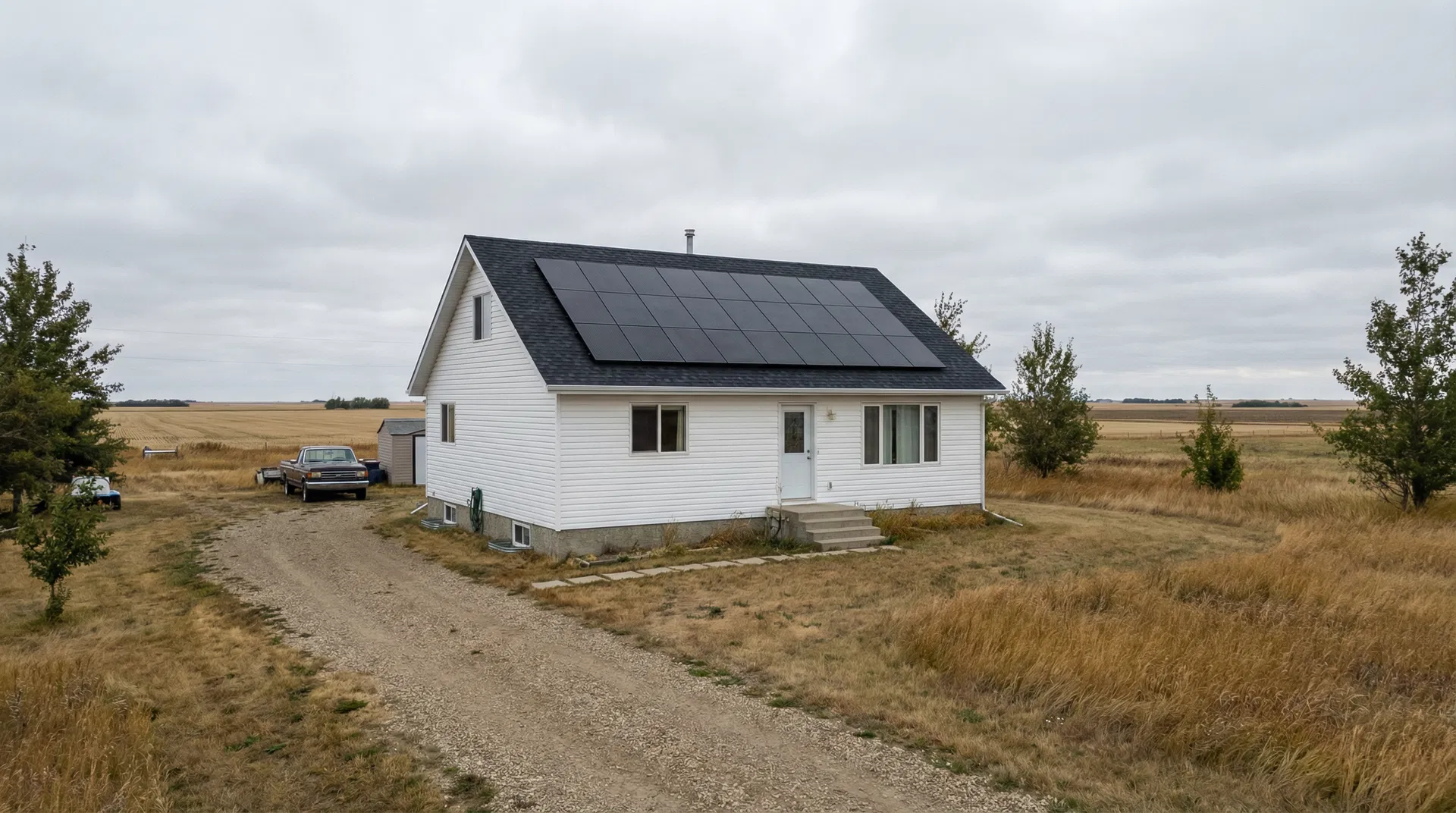
Solar installation in Three Hills starts with the roof or yard you actually have, not a catalogue system. Most of our residential work is grid-tied, built around LONGi panels and APsystems microinverters. Each panel runs its own microinverter, so one shaded panel doesn't drag down the rest of the array. That matters on a rural property where a tree line, a grain bin, or a neighbouring shed can throw a shadow across part of the roof. The residential systems we design here usually fall in the 8-12 kW range, with 10 kW as the typical size. Where a property lands in that range depends on its loads, the roof or yard space available, and the electrical service already on the building. Two houses of the same size can need very different systems if one runs a heated shop and the other doesn't. Acreage homes and rural residences come with a few things a city lot doesn't have. There's usually a detached garage, a shop, a well pump, or a yard with plenty of open ground. We look at all of it during the site visit. The racking goes onto either the roof structure or a ground frame, depending on what the design calls for. APsystems microinverters also make split layouts easier to design. If the roof has panels facing two directions, each panel's output stays with that panel instead of being tied to the weakest string. That's a practical advantage when the building layout doesn't cooperate with the sun. Roof or ground mount gets settled during the site visit, and your most recent power bill confirms what the property needs. We'd rather tell you a smaller array fits your load than sell you a bigger one that doesn't.
Solar Planning for Three Hills Properties
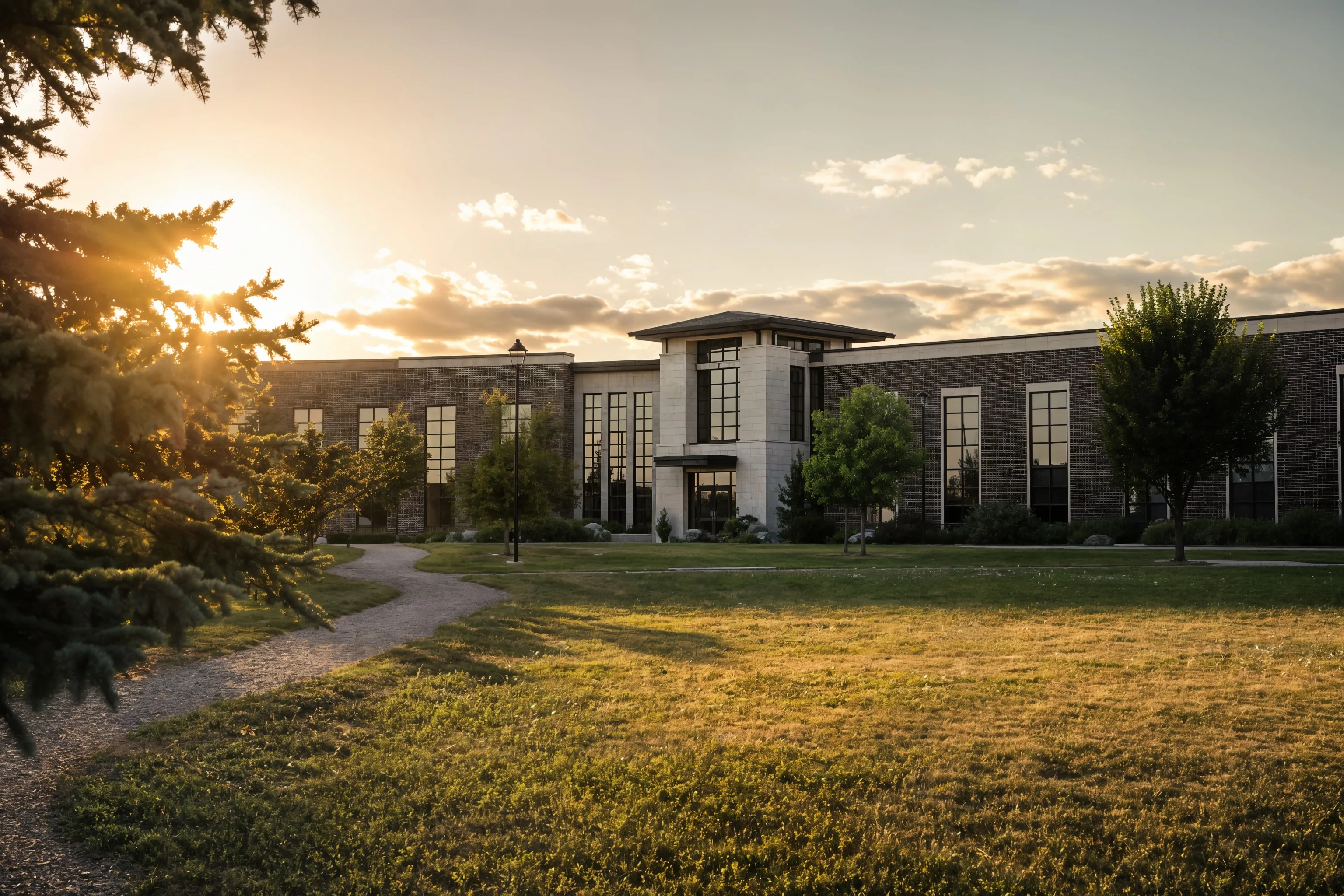
Solar planning here starts with the wires. ATCO Electric is the wire service for this community, and it's a separate relationship from whoever sells you your electricity. Alberta's deregulated market works that way, so the grid connection for your system runs through ATCO Electric, and that's the first thing we check. Prairie College (formerly Prairie Bible Institute) and the Three Hills Water Tower are two landmarks that help anchor this community. They're also a reminder that the properties around here range from residential lots to acreages and working yards, and each of those needs something different from a solar design. Every property gets a site-first design. We look at roof pitch and orientation, shade from trees and outbuildings, the open ground available for a ground mount, and the electrical service already on the property. Your most recent power bill shows how the property actually uses electricity, and the design review confirms what production and payback look like for your place. We don't quote a system from a yard sign or a neighbour's install. If the numbers don't fit the property, we'll tell you before the project starts.
Electrical Site Review for Three Hills Properties
Voltage Rise
Voltage rise happens when a solar system pushes power back onto the distribution line and the voltage at the connection point climbs above its normal level. Distribution conditions on a long rural feeder can make that rise more noticeable, and high voltage can cause inverters to clip output during peak production. We factor that into the system size so the design doesn't count on output the connection can't carry.
Single-Phase vs Three-Phase
Rural properties can have single-phase or three-phase service, and that difference shapes which inverter configuration and system capacity make sense. A three-phase building can support a larger array and spread the load across phases, while single-phase service sets tighter limits on how much solar fits. We confirm which service your property has before we pick the equipment.
Panel Infrastructure
Older electrical panels on rural properties often predate the loads we see today, like a heat pump, a shop, or a well pump. We check the panel's rated capacity, its age, and how much room is left on the breakers before we size anything. If the panel can't support the system, an upgrade means a new panel with a service rating that matches the design, and we quote that before any work starts.
Service Entrance Review
We check the service entrance and meter base for corrosion, loose connections, and whether the base matches the service rating. The meter base condition matters because ATCO Electric reviews the micro-generation application against the existing service, and a worn base can hold up the connection. If an upgrade is needed, we'll explain what it involves before we start the design package.
Right-Sizing Solar for Three Hills Properties
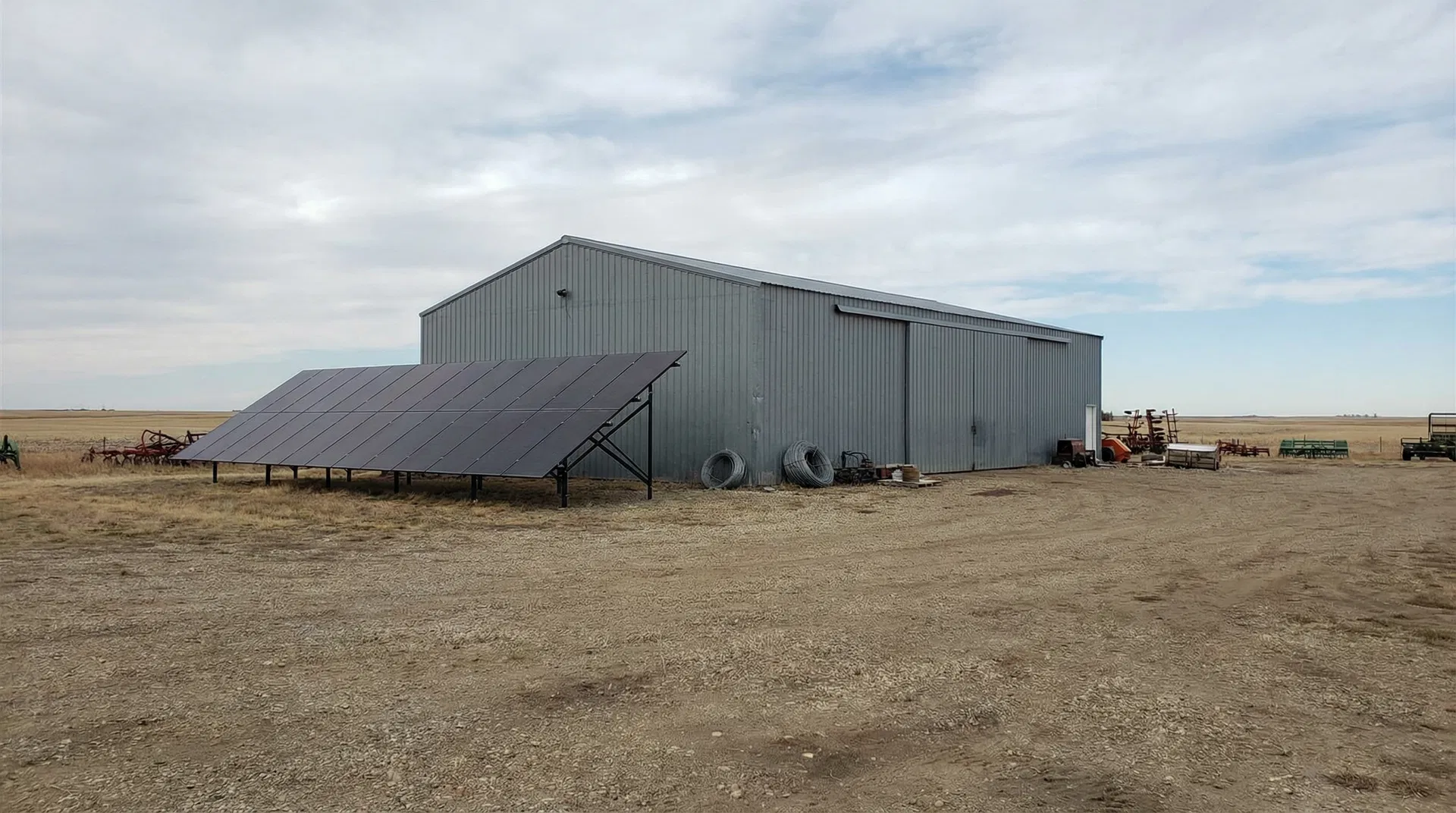
Rural solar systems usually run bigger than urban ones because the property carries more loads. A house might share a meter with a heated shop, a well pump, and a grain dryer or irrigation pivot. Each of those adds to the picture, so we don't size from the house alone. Roof or ground mount is the first call. A roof works well when it has a clear face, a workable pitch, and no trees or buildings throwing shade across it for long stretches. A ground mount makes more sense when the roof is shaded, the pitch is poor, or the yard has open ground you don't mind giving up. On acreages, a ground array also keeps panels away from the roof structure. Sizing starts with your most recent power bill. The 12-month usage graph on that bill shows how the property uses electricity through the year, including seasonal peaks from irrigation or a shop that gets heavy use. That's a far better starting point than a rule of thumb or a neighbouring system. We pair that usage graph with the site design. Roof size, shading, orientation, and the electrical service limit what's possible, and the graph shows what the property needs. Where the two line up, the system size is easy to pick. Where they don't, we'll walk you through the trade-off before you commit. Most properties we design for land in the 8-12 kW range, with 10 kW as the typical starting point, but we don't start there.
Typical Load Profiles We Design For Near Three Hills
Home + Heated Shop
A house and a heated shop on one meter is one of the most common setups we see out here. The shop's heater and tools add a daytime load that often overlaps with daylight hours, while the house usually runs mostly in the mornings and evenings. We size the array from your most recent power bill and the shop's share of the 12-month usage graph, not from the house alone.
Home + Irrigation Pump
A house with a 5 HP irrigation pump, or a pivot on the same service, carries a large seasonal load that runs for long stretches. Pump starts can cause short spikes, so we check the service rating against the pump's starting demand before we settle on an array size. The usage graph shows how often the pump runs, so the system isn't sized for a load that only shows up a few weeks a year.
Farm Yard + Grain Handling
A farmyard with a grain dryer, a 1,200 square foot Quonset-style shop, and several outbuildings is the largest load profile we design for. The grain equipment runs in short, heavy bursts during harvest, and the usage graph shows those as sharp peaks. We confirm which equipment shares the service and size the system to the load that's actually on the meter, not the total of every motor in the yard.
ATCO Electric Interconnection in Three Hills
ATCO Electric is the wire service for this community, so your solar system connects to ATCO Electric's grid. That's the step most people don't expect. Before a system goes live, the grid connection application goes to ATCO Electric for review, and the paperwork has to match the system you've designed. We handle that application for you. Our team prepares the design package, including the equipment specs for the LONGi panels and APsystems microinverters, the single line details, and the site information the application asks for. You don't have to work out which form goes where or what ATCO Electric needs to see. If a meter base or service entrance needs work before the connection can go ahead, we'll flag it during the design review. That way the application doesn't stall over something we could have spotted at the start. If you already have a solar quote from another company, send it along. We'll check that design against ATCO Electric's requirements and tell you where it holds up and where it doesn't.
Project Economics and Design Review
| System Size | Annual Production | Year 1 Savings | Payback Period |
|---|---|---|---|
| 8-12 kW range, 10 kW typical |
Production, savings, and payback require a property-specific design and your most recent power bill.
How We Work in Three Hills
Bill and Load Review
We review your power bill to understand your energy use in Three Hills and size the system to your actual consumption, not a generic estimate.
Site Assessment
We assess your roof or ground area, south-facing exposure, electrical service, and utility interconnection requirements specific to your property.
Design and Utility Application
We produce a system layout, production estimate, and cost summary, then submit your micro-generation application to your utility on your behalf.
Installation and Commissioning
Our crew installs racking, panels, inverter, and electrical connections. All work is performed by licensed electricians. We commission and test before handoff.
Current Program and Interconnection Review
Utility connection review
ATCO Electric reviews grid connection applications for solar systems in this area, and we prepare the design package that goes with each one. We handle the technical details, the single line diagram, and the equipment specs, so your application arrives complete. What ATCO Electric requires comes from its own process, and we follow it on your behalf.
Current program review
Commercial, farm, and residential eligibility is reviewed against current rules at the design stage. We check each property's situation when we prepare the design rather than assuming what applies from one project to the next. You'll get a clear answer on what applies to your property before you sign anything.
Frequently Asked Questions
Get a Solar Assessment for Three Hills
Submit a recent power bill and we will review your consumption and provide an honest assessment for your Three Hills property. No obligation.
(587) 330-7502 Book a CallRelated Resources
More Solar Services in Three Hills