Solar installation in Trochu starts with a site visit, not a sales call. We install grid-tied systems using LONGi panels and APsystems microinverters, sized in the 8-12 kW range depending on your roof and your household load. LONGi panels give us a reliable module to work with on both standard asphalt shingle roofs in town and the metal roofing common on acreage outbuildings nearby. APsystems microinverters let each panel operate independently, which matters on roofs with partial shading from trees or an attached garage, a layout we see often on older lots in the area. For in-town homes, we typically mount on the main roof facing the best available orientation. For properties with a shop or detached garage, we'll look at whether a split array across two roof planes, or even a ground mount if the yard has the space and the roof doesn't, makes more sense. Every installation includes the design engineering work up front: load calculations, structural review of the roof or mount, and the paperwork for ATCO Electric's micro-generation interconnection. We handle permitting and the utility application so you're not the one chasing down forms. Whether you're replacing an aging panel, adding a shop to your property, or just want your own system instead of a template quote, we design around what's actually on your roof and in your breaker panel, not a stock size pulled from a brochure.
Solar Planning for Trochu Properties
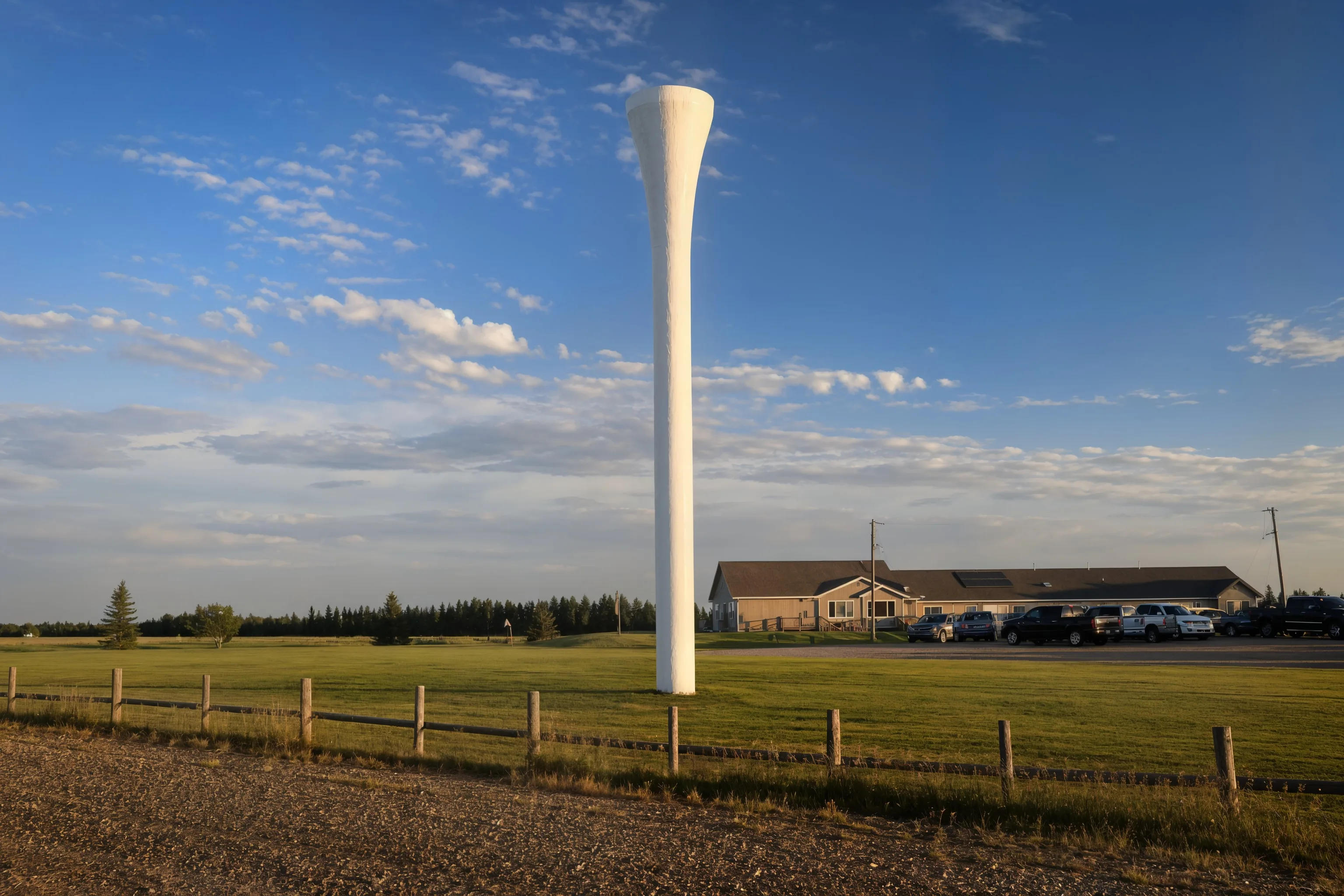
Trochu is a town in Kneehill County, Alberta, home to 998 people as of the last census, down from 1,058 the census before. That kind of small, settled community means most properties here are either in-town lots on municipal service or acreages just outside town on ATCO Electric's rural lines, and the two call for different system layouts. Under Environment Canada's annual bright sunshine normals for the region, the area averages 2,021.8 hours of bright sunshine a year, which is a climate reference point, not a production number; your actual output depends on your roof, your orientation, and your shading, not a regional average. A home close to downtown, within sight of local landmarks like the World's Largest Golf Tee, typically has a simpler roof and a shorter run to the panel, while a property out past the edge of town may have a shop, a well pump, or outbuildings pulling extra load. Range Road Solar walks each site before we design anything: roof pitch and orientation, shading from trees or neighboring structures, and what's already on your electrical panel. We size every system off your actual property and your most recent power bill, not a generic template or a regional average.

Electrical Site Review for Properties Near Trochu
Voltage Rise
Voltage rise happens when the distance and wiring between a property and the nearest distribution transformer cause voltage to climb higher than normal under low-load conditions. On rural ATCO Electric lines, where runs can be longer than in a tight in-town subdivision, this matters for solar because higher voltage at the inverter can trigger it to curtail or clip output rather than deliver full capacity. We check line conditions and distance from the transformer as part of sizing your system, so the inverter selection accounts for it rather than getting surprised by it after install.
Single-Phase vs Three-Phase
Properties in this area may have single-phase or three-phase electrical service, depending on when the property was built and what it was originally wired to run. This matters for solar because inverter selection and maximum system capacity both depend on which type of service you have; a three-phase shop building, for example, opens up different equipment options than a single-phase farmhouse. We confirm your service type during the site visit, before we finalize the system design, so we're not guessing at equipment compatibility.
Panel Infrastructure
A lot of rural Alberta properties still run on electrical panels installed decades ago, and breaker capacity and panel age both affect whether a panel can safely accept a new solar circuit. We check the panel's rated amperage, its condition, and whether there's physical space for the breakers a solar system needs. If the panel can't support the addition, an upgrade means a new panel sized for both existing loads and the solar circuit, done before or alongside the solar install.
Service Entrance Review
We review the service entrance and meter base condition as part of every site visit, checking for wear, corrosion, or capacity limits that could affect the installation. This matters because ATCO Electric's micro-generation application depends on an accurate picture of your existing service equipment, not just the panel inside the house. If the meter base or service entrance needs an upgrade to support the new interconnection, we'll flag it during design so it's addressed before the application goes in, not after.
Right-Sizing Solar for Trochu Properties
Rural Alberta systems usually run bigger than a typical in-town rooftop, and that's because rural properties often carry more than just a house. A shop, a well pump, grain handling equipment, or irrigation can each add real load on top of normal household use, and all of that factors into how we size a system for a property in the area. We don't start from a rule-of-thumb number per square foot of roof; we start from the 12-month usage graph on your most recent power bill, which shows your actual consumption pattern across the year rather than a guess. Roof mount is the default for most in-town homes with a clear, well-oriented roof and no major shading. Ground mount becomes the better call when a roof is shaded by mature trees or a neighboring building, when the pitch or orientation works against solar rather than for it, or when a property has a spread-out yard with open land and a roof that's already crowded with vents, dormers, or multiple planes. Acreages in the area often have the land available to make ground mount a real option, not just a fallback. Either way, the system size we land on comes out of your usage graph and a site design, not an assumption about what a typical rural home needs.
Typical Load Profiles We Design For Near Trochu
Home + Heated Shop
This profile covers a house plus a heated detached shop, a common setup on properties in this area where the shop runs power tools, a block heater circuit, or occasional welding. We size the system off the combined usage graph from your most recent power bill, since the shop's heating load can shift seasonally in ways a house-only estimate would miss. The design accounts for both buildings drawing from the same service when that's how the property is wired.
In-Town Home, Standard Roof
This profile covers a single-family home on a standard in-town lot with a roof that doesn't need a ground mount workaround. We work from your most recent power bill's usage graph and the home's roof orientation to land on a system in the lower end of the 8-12 kW range for most households, with final sizing confirmed during design.
Acreage with Well Pump and Outbuildings
This profile covers an acreage with a well pump, a few outbuildings, and sometimes a second structure like a bunkhouse or detached garage pulling power. Well pumps in particular can create short bursts of higher demand that show up clearly on the usage graph from your most recent power bill, which is part of why we size off that graph instead of square footage. These properties often land toward the top of the 8-12 kW range or get a ground-mount recommendation if the roof can't carry it.
ATCO Electric Interconnection in Trochu
ATCO Electric is the wire service for Trochu, which means any grid-tied solar system here goes through ATCO's micro-generation interconnection process rather than a different utility's. That process requires a formal application, an electrical single-line diagram, and sign-off on the equipment being installed, in our case LONGi panels paired with APsystems microinverters. Range Road Solar prepares and submits that full application package on your behalf, so you're not learning ATCO's forms from scratch partway through your own project. We handle the technical side: system specifications, the interconnection agreement paperwork, and coordinating any inspection ATCO requires before your system is approved to operate. Because ATCO's requirements can differ from what a neighboring wire service asks for, we don't reuse a generic checklist; we work from ATCO Electric's current process for this property and its specific system size. Current rules on credit settlement, metering, and tariff structure are reviewed at the time of your design, since utility policy can change, and we'll walk you through what applies to your account before you sign off on anything.
Project Economics and Design Review
| System Size | Annual Production | Year 1 Savings | Payback Period |
|---|---|---|---|
| 8-12 kW range, 10 kW typical |
Production, savings, and payback figures require a property-specific design review and your most recent power bill; we don't quote them off a template.
How We Work in Trochu
Bill and Load Review
We review your power bill to understand your energy use in Trochu and size the system to your actual consumption, not a generic estimate.
Site Assessment
We assess your roof or ground area, south-facing exposure, electrical service, and utility interconnection requirements specific to your property.
Design and Utility Application
We produce a system layout, production estimate, and cost summary, then submit your micro-generation application to your utility on your behalf.
Installation and Commissioning
Our crew installs racking, panels, inverter, and electrical connections. All work is performed by licensed electricians. We commission and test before handoff.
Current Program and Interconnection Review
Utility connection review
ATCO Electric reviews every grid-tied solar application that comes through its micro-generation interconnection process, and that review has to happen before your system is approved to operate. Range Road Solar prepares the full design package, including the technical specifications and application paperwork, so the submission to ATCO is complete the first time.
Current program review
Eligibility for residential, farm, and commercial solar can depend on rules that change from year to year, so we check current requirements against your specific property type at design time rather than relying on what applied last year. This applies whether your property is a standard in-town home, a working farm, or a small commercial building.

Frequently Asked Questions
Get a Solar Assessment for Trochu
Submit a recent power bill and we will review your consumption and provide an honest assessment for your Trochu property. No obligation.
(587) 330-7502 Book a CallRelated Resources
More Solar Services in Trochu