Solar cost in Trochu, Alberta depends on system size, roof or ground-mount conditions, and current ATCO Electric interconnection rules, not a flat per-watt number pulled from a national average. For most homes and acreages in this service area, we're specifying systems in the 8 to 15 kW range, with 10 kW being the typical starting point for a single-family property with normal household loads. That range moves up quickly once a shop, well pump, or grain-handling equipment shares the meter. Every system we install here uses LONGi panels paired with APsystems microinverters. We like the microinverter approach on rural properties specifically because each panel operates independently: if one section of an array picks up shade from a bin, a tree line, or a neighboring building later in the day, it doesn't drag down the output of the rest of the array the way a single string inverter setup can. We don't quote a price off a phone call. Pricing comes after we've looked at the roof or the proposed ground-mount location, checked the electrical service, and reviewed the usage graph on your most recent power bill. That's the only way to give you a number that holds up once the crew is actually on site, instead of a placeholder that changes the day we show up.
Solar Planning for Trochu Properties
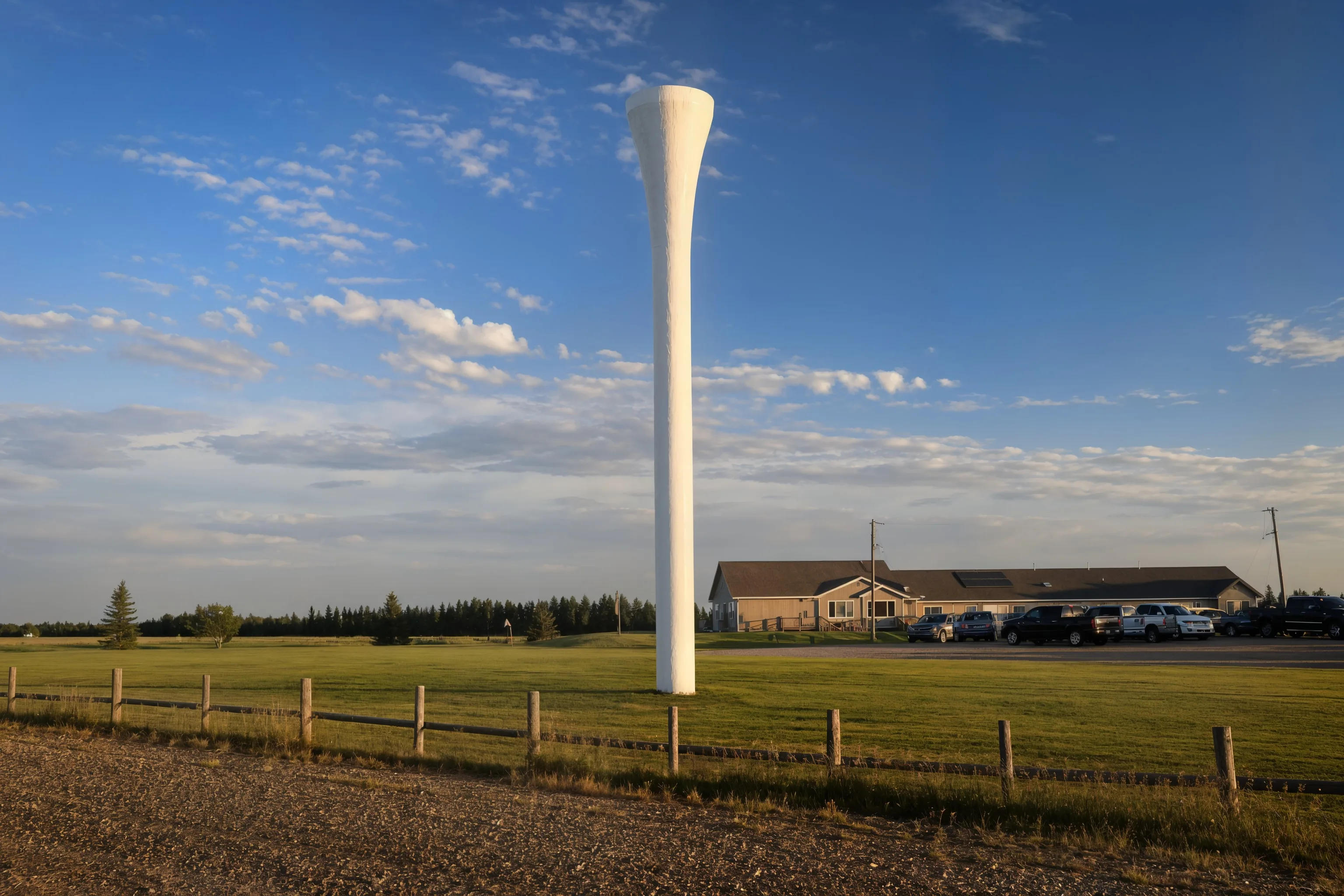
Trochu sits inside Kneehill County, one of the smaller incorporated communities in this part of central Alberta. Statistics Canada's most recent census counted 998 residents here, down from 1,058 in the prior count, and that shift shows up in how we plan systems: fewer new subdivisions, more established acreages and in-town lots with older electrical services already in place. Properties in the area range from tight in-town yards to working farms with a shop, grain bins, or irrigation pump running off the same meter as the house. Because ATCO Electric runs the distribution wires here, every solar system we design factors in that utility's interconnection application and the physical condition of the existing service equipment before we spec panel count or inverter configuration. We don't start with a sunshine chart or a rule-of-thumb multiplier. We start with the property: what's on the panel now, whether the service is single-phase or three-phase, and what the most recent power bill shows about actual monthly draw. That approach holds whether the address is a quarter-section outside town or a lot near the Trochu Arboretum & Gardens. A system sized off assumptions is a system that either underperforms or costs more than it needs to. A site visit and a real bill fix that.
Electrical Site Review for Trochu Properties
Voltage Rise
Voltage rise happens when the voltage at a solar inverter climbs above the utility's nominal supply as power flows back toward the transformer, and it's more common on longer rural distribution runs than on tight urban circuits. If the rise is significant enough, the inverter can trip offline or automatically curtail output to stay within its allowed operating window. We measure line conditions during the site visit so system size and inverter configuration account for it before installation, not after.
Single-Phase vs Three-Phase
Properties around here can have either single-phase or three-phase electrical service, and that distinction isn't something we assume, we confirm it at the panel. Three-phase service opens up a wider range of inverter and system capacity options, while single-phase service caps what a given service size can support. Getting this wrong at the design stage means ordering the wrong equipment, so it's one of the first things we check.
Panel Infrastructure
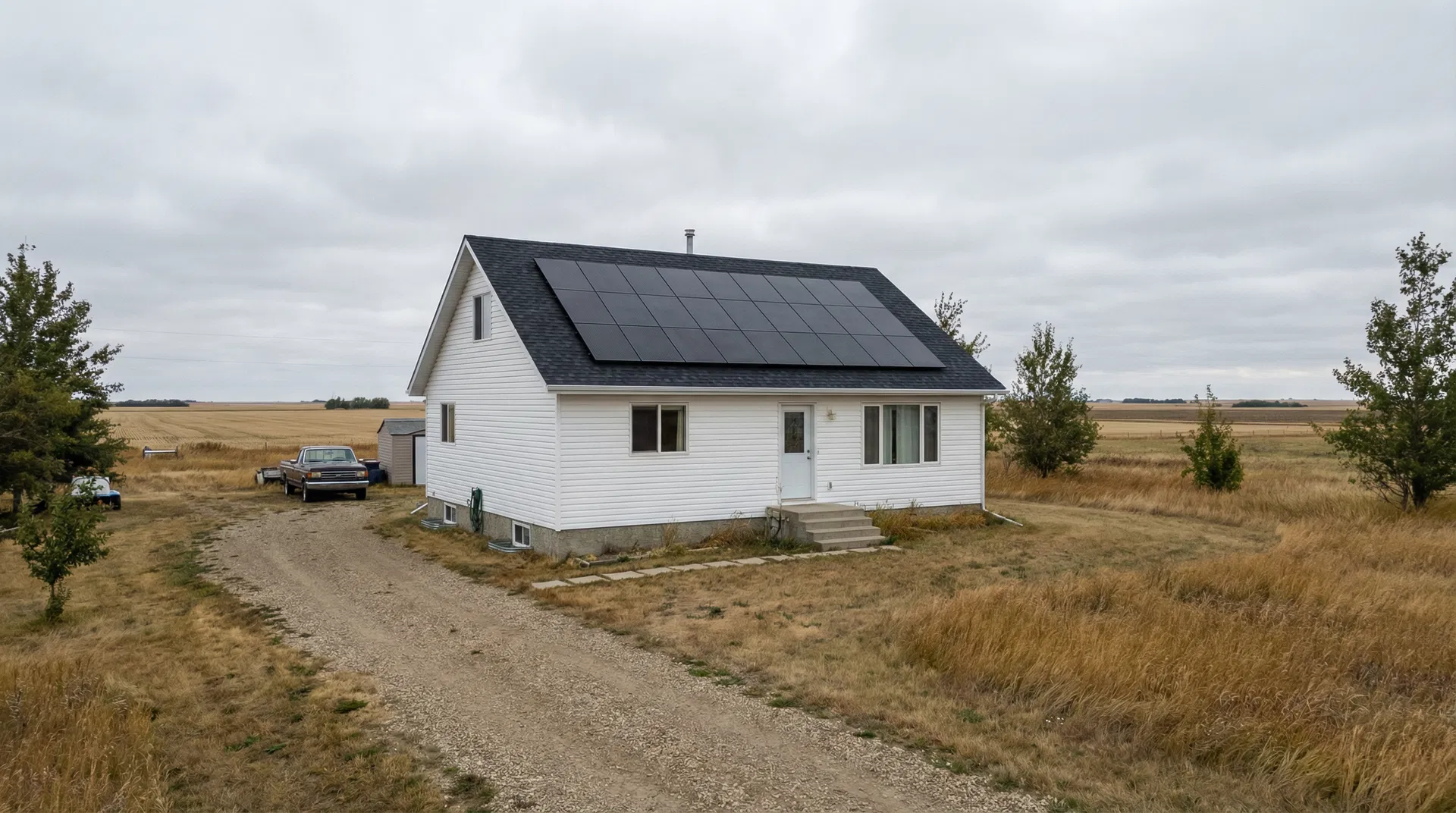
Rural Alberta properties often carry electrical panels that are decades old, and breaker capacity that made sense for an older farmhouse doesn't always leave room for a modern solar interconnection breaker. We check panel age, available bus capacity, and existing breaker layout before finalizing a design. If the panel can't support the added breaker, an upgrade to a larger panel or a subpanel is scoped into the project, not discovered as a surprise mid-install.
Service Entrance Review
The meter base and service entrance are part of what we inspect before submitting an ATCO Electric interconnection application, since ATCO reviews the condition of that equipment as part of approving a micro-generation connection. Corroded, undersized, or outdated meter bases can hold up an application or need replacing before a connection is approved. When we find that during the site visit, we scope the upgrade into the project quote up front instead of letting it surface as a change order later.
Right-Sizing Solar for Trochu Properties
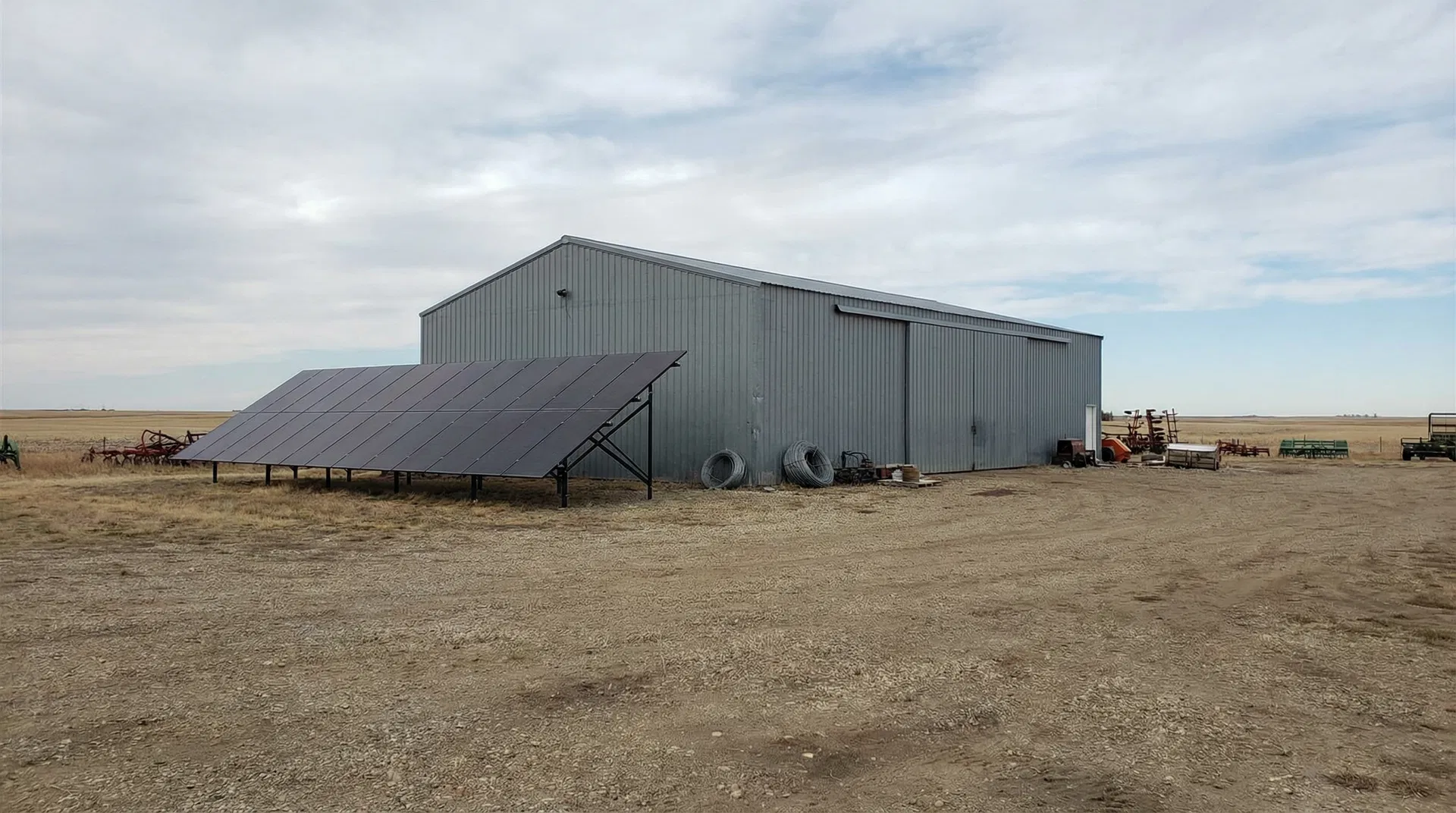
Rural systems here typically run larger than a comparable system in a city subdivision, and the reason is straightforward: a farmhouse might be sharing a service with a heated shop, a well pump, grain-handling equipment, or a second outbuilding, and all of that load has to factor into system size. A system sized for the house alone leaves real usage on the table. Roof versus ground mount is a property-by-property call. A steep, well-oriented roof with no shading is often the simplest option. But plenty of acreages have tree lines, outbuildings, or roof pitches that cut into production, and in those cases a ground-mount array on open yard space is usually the better fit. Ground mount also makes sense when there's simply more usable land than roof area, which is common outside town. Either way, we size systems off the 12-month usage graph on your most recent power bill, not a rule-of-thumb per-square-foot or per-occupant number. That graph shows seasonal swings, like winter heating load or summer irrigation, that a generic estimate misses entirely. Combined with a site design that accounts for shading, orientation, and roof or ground conditions, that bill is what actually drives the system size we recommend, not a guess.
Typical Load Profiles We Design For Near Trochu
Home Only
This is a single-family residence with no shop, well pump, or outbuilding sharing the service, just standard household loads like heating, appliances, and hot water. It's usually the simplest system to size, and it tends to land toward the lower end of the 8 to 15 kW range we typically install in this area. We still confirm the exact number off your most recent power bill rather than assuming a standard household number applies.
Home Plus Heated Shop
Add a heated shop to the property and the load profile changes substantially, especially through the colder months when shop heat runs alongside the house. That combined draw usually pushes system size toward the upper end of the typical range, sometimes higher depending on shop size and how it's heated. We look at the usage graph on your bill to see how much of the load is shop-driven before finalizing a design.
Farm With Grain Handling or Irrigation
Grain dryers, augers, and irrigation pumps create short, heavy load spikes rather than steady draw, and that pattern shows up clearly on a power bill's usage graph. Sizing a system for this kind of property means accounting for those seasonal spikes, not just average monthly use. We design around the actual equipment on the property and when it runs, not a generic farm template.
ATCO Electric Interconnection in Trochu
ATCO Electric is the wire service for properties in this area, which means any grid-tied solar system here goes through ATCO's micro-generation interconnection process before it's allowed to operate in parallel with the grid. Range Road Solar prepares and submits that application as part of the install, including the single-line diagram and equipment specifications ATCO requires to review the request. We don't publish a turnaround estimate for that review, because it depends on ATCO's current queue and the completeness of the application, not on anything we control after submission. We also don't make claims here about credit carryover, payout structure, or export compensation, since those are governed by your retailer and ATCO's tariff, not by us. What we can tell you is that we've built the application package before and know what ATCO wants to see on it, which keeps most reviews from bouncing back for missing information.
Project Economics and Design Review
| System Size | Annual Production | Year 1 Savings | Payback Period |
|---|---|---|---|
| 8-15 kW range, 10 kW typical |
Production, savings, and payback figures require a property-specific design and a look at your most recent power bill before we can give you real numbers.
How We Work in Trochu
Bill and Load Review
We review your power bill to understand your energy use in Trochu and size the system to your actual consumption, not a generic estimate.
Site Assessment
We assess your roof or ground area, south-facing exposure, electrical service, and utility interconnection requirements specific to your property.
Design and Utility Application
We produce a system layout, production estimate, and cost summary, then submit your micro-generation application to your utility on your behalf.
Installation and Commissioning
Our crew installs racking, panels, inverter, and electrical connections. All work is performed by licensed electricians. We commission and test before handoff.
Current Program and Interconnection Review
Utility connection review
ATCO Electric reviews every grid-tied solar interconnection application before a system is allowed to operate, and that review covers the equipment specifications and single-line diagram we submit on your behalf. Range Road Solar prepares that design package as part of the install, so you're not the one filling out utility paperwork. We don't control ATCO's review timeline, but we do make sure the application is complete when it goes in.
Current program review
Eligibility for any current commercial, farm, or residential solar program is reviewed against whatever rules are in effect at the time your design is finalized, since those rules can and do change. We check this as part of the design review rather than assuming last year's terms still apply. That review happens before we finalize your quote, not after.
Frequently Asked Questions
Get a Solar Assessment for Trochu
Submit a recent power bill and we will review your consumption and provide an honest assessment for your Trochu property. No obligation.
(587) 330-7502 Book a CallRelated Resources