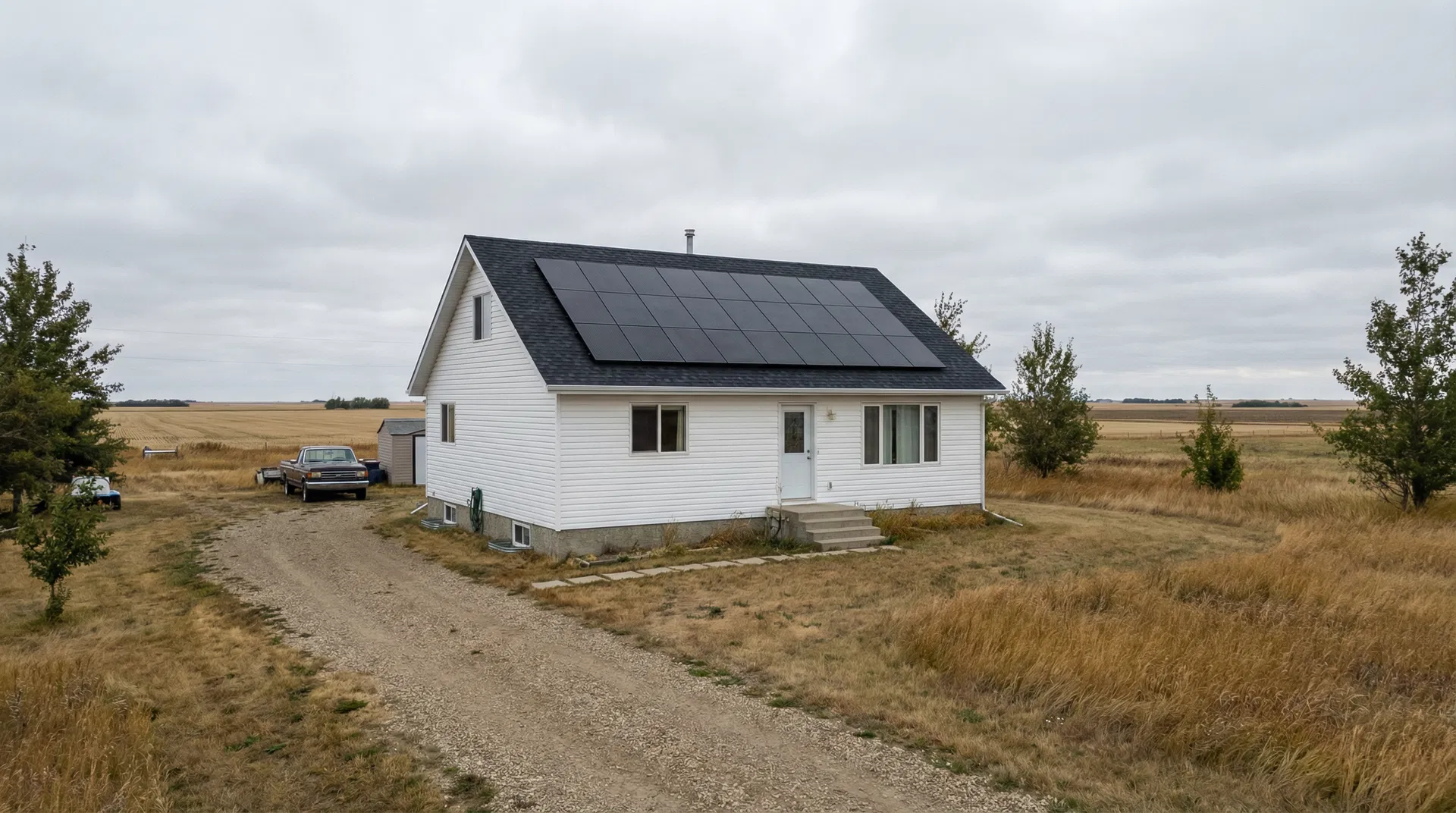
Range Road Solar installs solar battery storage in Three Hills, Alberta for homes, farms, and acreages that want backup power when the grid goes down. Systems in this area typically run in the 8 to 20 kW range, with 12 kW being a common starting point once we've reviewed a property's loads and roof or ground-mount options. Every system pairs LONGi panels with a hybrid inverter and lithium battery storage, so the same equipment that produces your solar power also manages what gets stored and what gets sent to backed-up circuits during an outage. On properties where the layout calls for it, we use APsystems microinverters instead of a central string design, which lets panels on multiple roof faces or partially shaded outbuildings keep producing independently rather than dragging the whole array down. For a bungalow, that might mean a battery sized to keep the fridge, well pump, and a few circuits running through a winter outage. For a property with a shop or grain-handling equipment, we're usually looking at a larger battery bank and a hybrid inverter sized to carry heavier startup loads. We don't quote a battery size off a rule of thumb. We pull the usage graph from your most recent power bill, walk the site, and size the system to what's actually drawing power on that property, whether that's a house alone or a house plus a shop and irrigation pump out back.
Solar Planning for Three Hills Properties
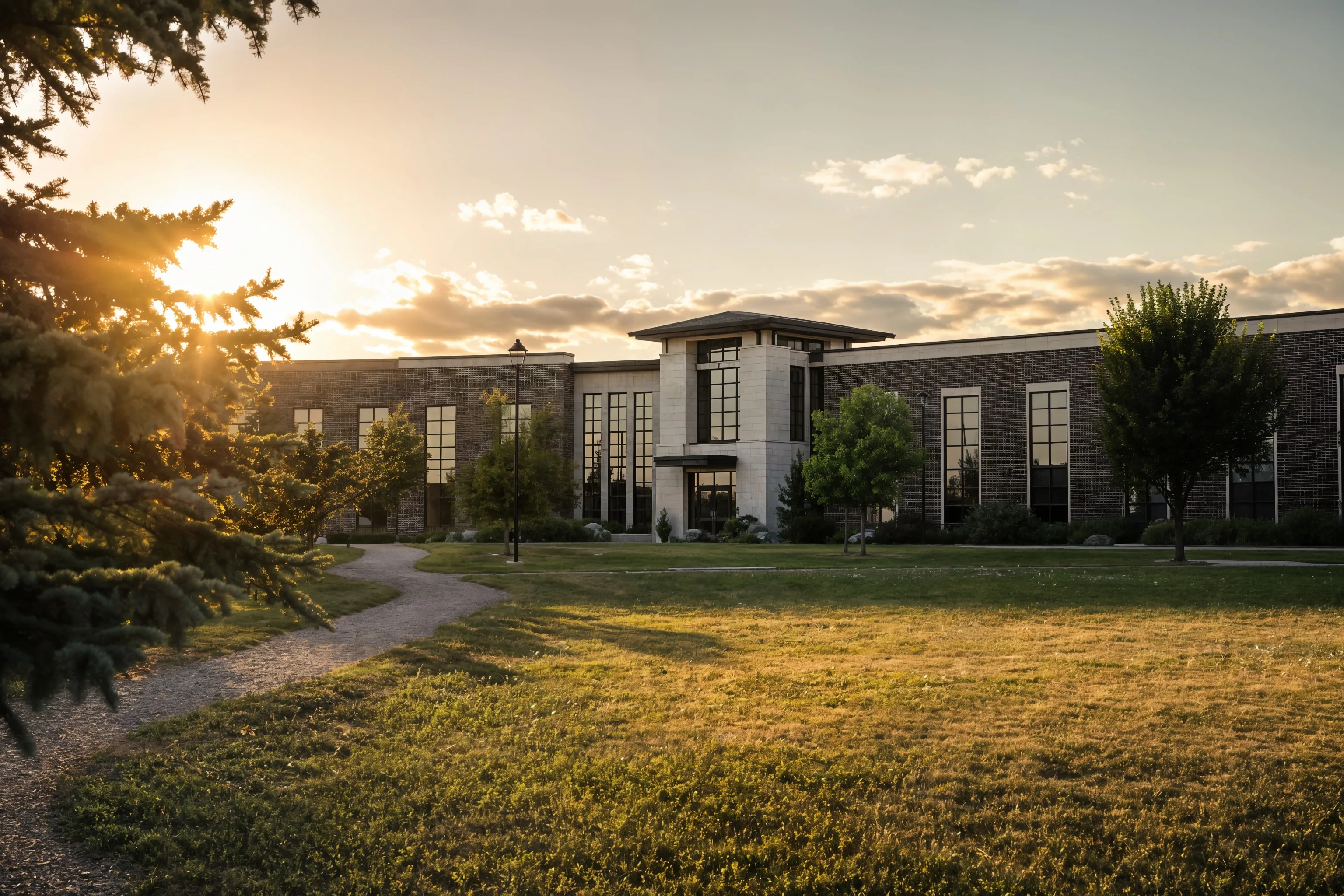
This area sits in the mixed farm and acreage landscape around Prairie College (formerly Prairie Bible Institute), and properties here run everything from a single-family bungalow to a working yard with a shop and grain bins. Population here sat at 3,042 at the last census, down from 3,212 the census before, and that kind of small, stable population means most of the electrical infrastructure was built for steady residential and light commercial loads rather than heavy industrial draw. That matters when we size a battery system: we're not guessing at conditions, we're looking at what's actually on the property. This community was incorporated as a village on June 14, 1912, and as a town on January 1, 1929, and a lot of the housing stock and outbuildings reflect that long settlement history, meaning panel age and service capacity vary a lot from one property to the next. Before we spec a battery, we walk the electrical service, check the panel, and pull the usage graph off your most recent power bill. Whether you're near Prairie College or out on an acreage at the edge of the area, the design process is the same: confirm what the property can support, then size storage to the loads that actually matter to you during an outage.
Electrical Site Review for Three Hills Properties
Voltage Rise
Voltage rise happens when the distance and wire gauge between a transformer and a property push voltage higher than standard at the point of connection. Rural distribution lines can run longer than in-town circuits, and elevated voltage at the panel affects how much headroom a hybrid inverter has before it clips output. We measure voltage on site so the battery and inverter are sized around what your service actually delivers, not a textbook number.
Single-Phase vs Three-Phase
Properties in this area may have single-phase or three-phase electrical service, depending on when the property was built and what it was originally wired to run. Three-phase service typically supports larger loads and can change which hybrid inverter model fits the job, while single-phase service narrows the equipment options. We confirm which service type is on the property before specifying the battery and inverter, since the wrong assumption here means reordering equipment.
Panel Infrastructure
A lot of rural properties in this area are running electrical panels that predate the loads people put on them now, whether that's a heat pump, a shop, or a battery system. We check the panel's age, its breaker capacity, and whether there's room for the new circuits a hybrid inverter and battery need. If the panel can't support it, an upgrade means a new panel and breakers sized to the full property load, not just the solar addition.
Service Entrance Review
We check the condition of the service entrance and meter base as part of every site visit, since a worn or undersized meter base can hold up the micro-generation application to ATCO Electric. ATCO Electric reviews the service entrance as part of approving the interconnection, so a meter base that doesn't meet current standards gets flagged before we submit, not after. When an upgrade is needed, we scope it as part of the project so there's no surprise mid-installation.
Right-Sizing Solar and Battery Storage for Three Hills Properties
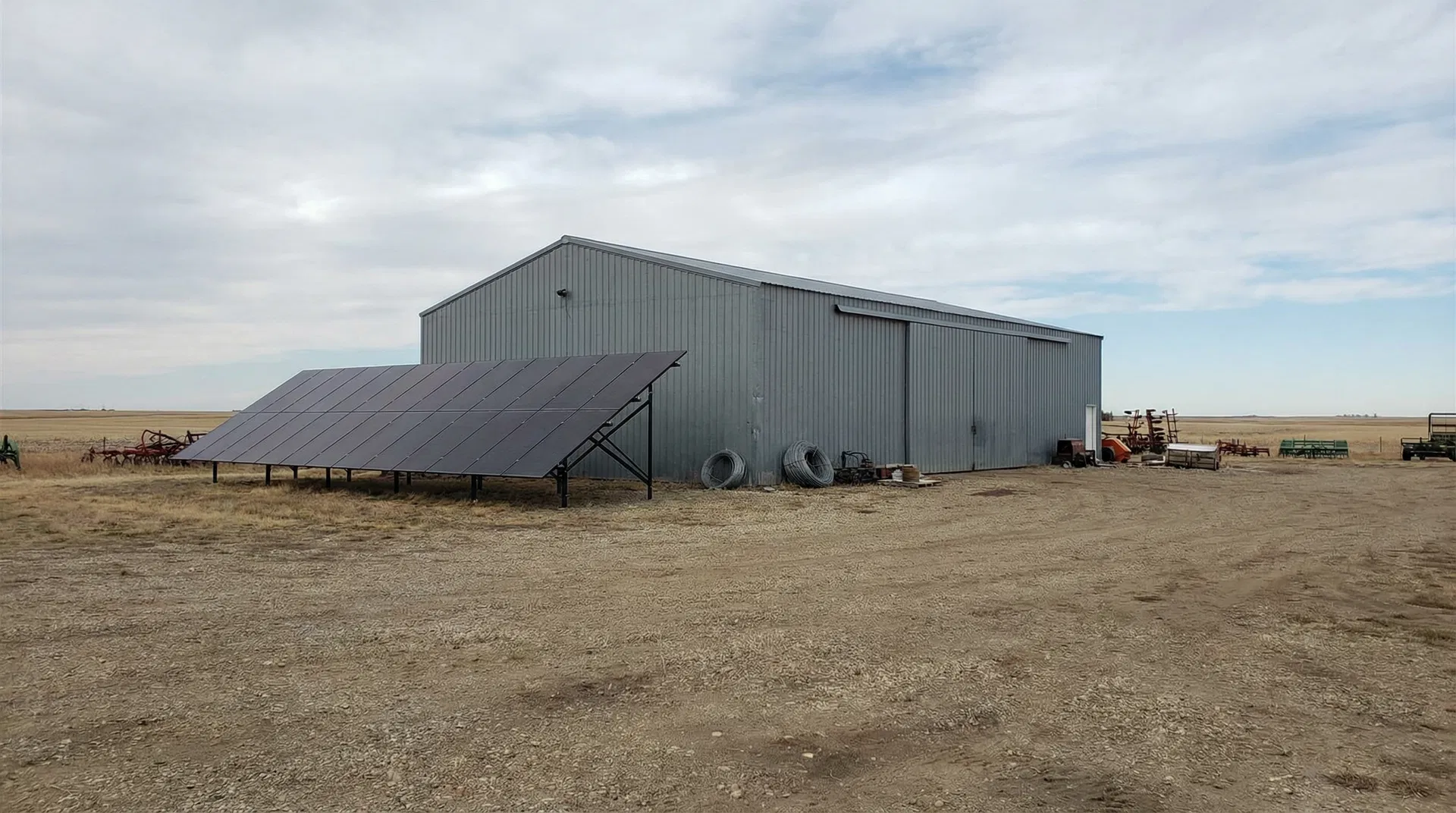
Rural properties around here usually carry more electrical load than a house in a denser area: a home plus a shop, a well pump, maybe grain-handling equipment or irrigation. That's part of why systems out here tend to land at the higher end of the 8 to 20 kW range instead of the smaller end, and it's also why we won't quote a size off a per-square-foot rule of thumb. Roof mount works well when there's enough south or west-facing roof area free of shade and the roof structure and pitch support it. Ground mount becomes the better call when trees or outbuildings shade the roof, the roof pitch or orientation isn't workable, or the yard has open land that makes a ground array easier to service and expand later. Acreages with a spread-out layout often lean toward ground mount for exactly that reason. Either way, sizing starts with the 12-month usage graph on your most recent power bill, not a guess based on square footage or the number of people in the house. That graph shows us your actual seasonal load pattern, and combined with a site walk of the roof or yard, panel condition, and service capacity, it tells us how big the solar array and battery bank need to be for that specific property.
Typical Load Profiles We Design For Near Three Hills
Home + Well Pump
This profile covers a single-family home with a well pump as the largest single load, plus normal household circuits like the fridge, furnace blower, and lighting. During an outage, keeping the well pump running is usually the priority, since no power means no water pressure. We size the battery around the usage graph on your power bill and the well pump's starting load, not just the average draw.
Home + Heated Shop
This is a house plus a detached shop with electric or in-floor heat, welding equipment, or power tools. The shop's heating and equipment loads often rival or exceed the house's own draw, especially in winter. We look at the shop's circuits separately from the house's when we size the hybrid inverter and battery, since shop equipment can have a much higher starting draw than household appliances.
Acreage with Irrigation or Grain Handling
Acreages running irrigation pumps, grain dryers, or augers add a seasonal spike on top of steady household use, and that spike often drives the system size more than everyday load does. We size the battery and inverter to carry the property through both the everyday pattern and the seasonal peak shown on the usage graph, rather than sizing for an average day.
ATCO Electric Interconnection in Three Hills
ATCO Electric is the wire service for this area, and any solar battery system we install here has to go through their micro-generation application process before it's connected to the grid. Range Road Solar handles that application on your behalf: we prepare the design package, submit it to ATCO Electric, and coordinate the interconnection paperwork so you're not the one chasing forms. Because ATCO Electric's requirements apply specifically to properties in their service area, we build the application around your actual panel, service entrance, and system design rather than a generic template. That includes documenting the hybrid inverter and battery specifications so ATCO Electric has what it needs to review the connection. We don't make claims about how long ATCO Electric's review will take or how credits or exports are settled: those are utility and program rules that can change, and we confirm the current version with you during the design review rather than printing a number here that might be out of date by the time your system goes in.
Project Economics and Design Review
| System Size | Annual Production | Year 1 Savings | Payback Period |
|---|---|---|---|
| 8-20 kW range, 12 kW typical |
Production, savings, and payback figures are only accurate once we've completed a property-specific design using your most recent power bill.
How We Work in Three Hills
Bill and Load Review
We review your power bill to understand your energy use in Three Hills and size the system to your actual consumption, not a generic estimate.
Site Assessment
We assess your roof or ground area, south-facing exposure, electrical service, and utility interconnection requirements specific to your property.
Design and Utility Application
We produce a system layout, production estimate, and cost summary, then submit your micro-generation application to your utility on your behalf.
Installation and Commissioning
Our crew installs racking, panels, inverter, and electrical connections. All work is performed by licensed electricians. We commission and test before handoff.
Current Program and Interconnection Review
Utility connection review
ATCO Electric reviews every micro-generation connection application before a battery and solar system can go live, and that review looks at your specific service and equipment, not a generic checklist. Range Road Solar prepares the full design package, from panel and inverter specs to the interconnection application itself, and submits it to ATCO Electric on your behalf.
Current program review
Residential, farm, and commercial properties can qualify for different program and rate treatment, and those rules shift over time. We check what applies to your specific property against the current rules at the time of your design review, rather than relying on what was true when a page like this was written.
Frequently Asked Questions
Get a Solar Assessment for Three Hills
Submit a recent power bill and we will review your consumption and provide an honest assessment for your Three Hills property. No obligation.
(587) 330-7502 Book a CallRelated Resources
More Solar Services in Three Hills