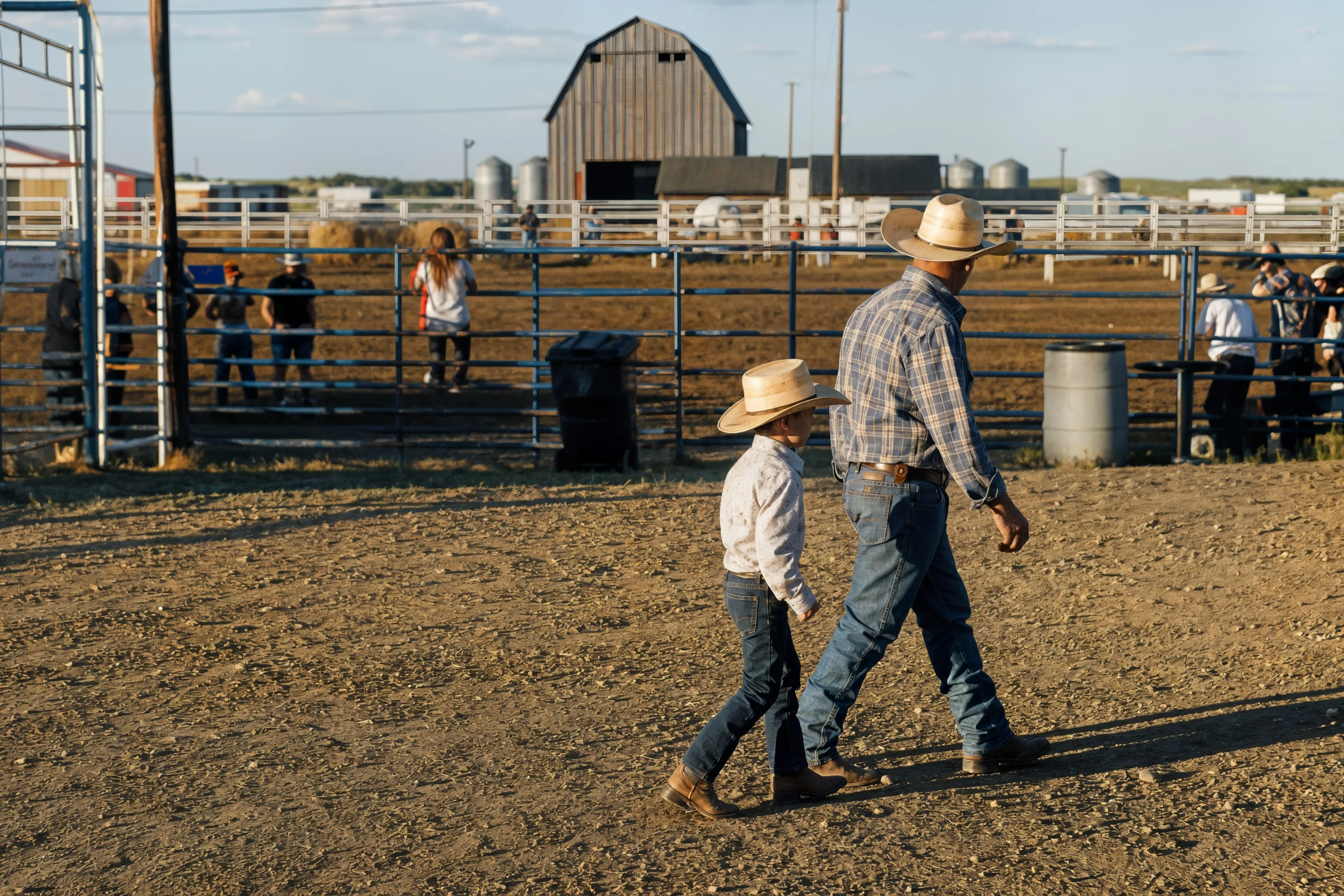
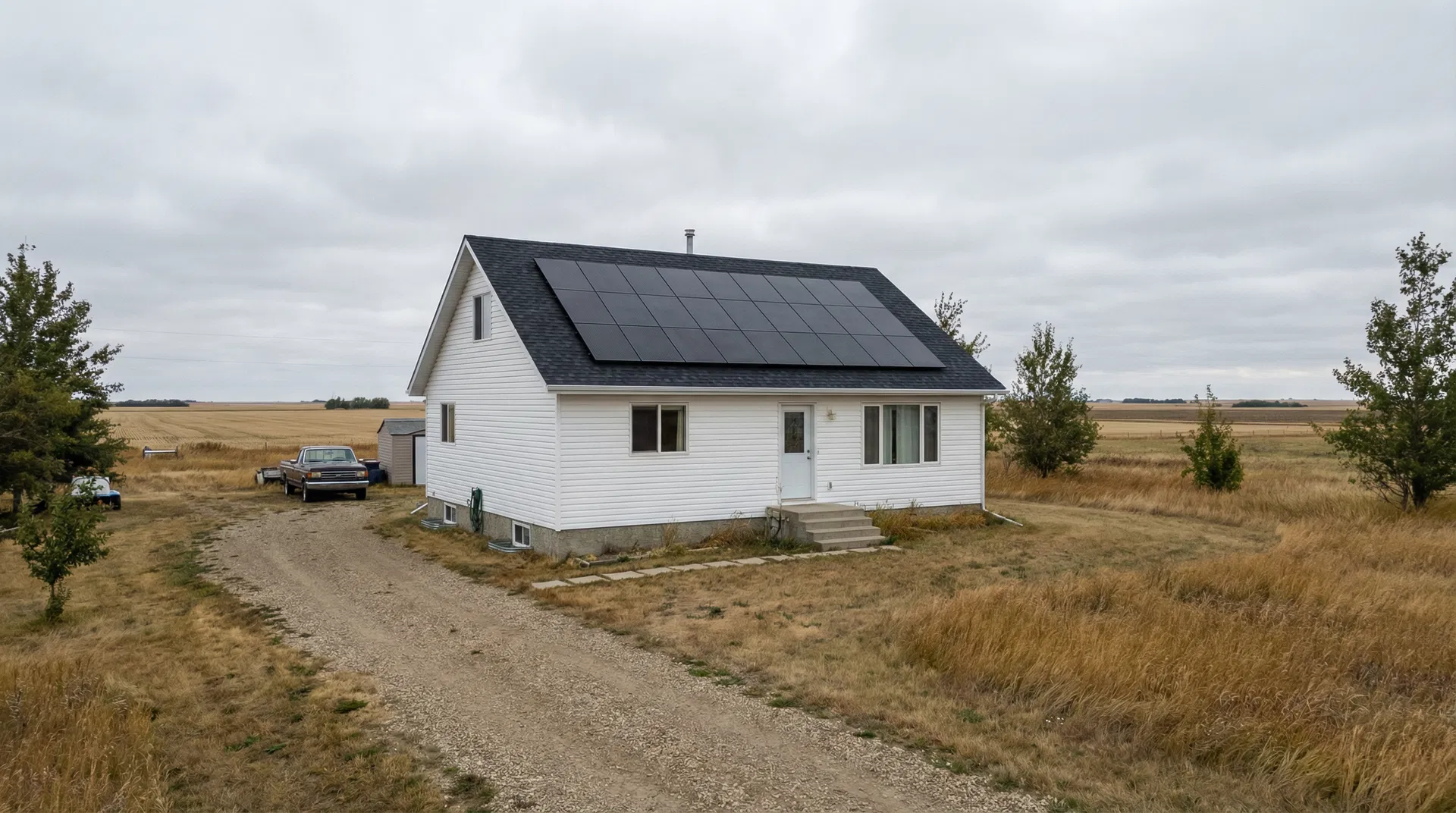
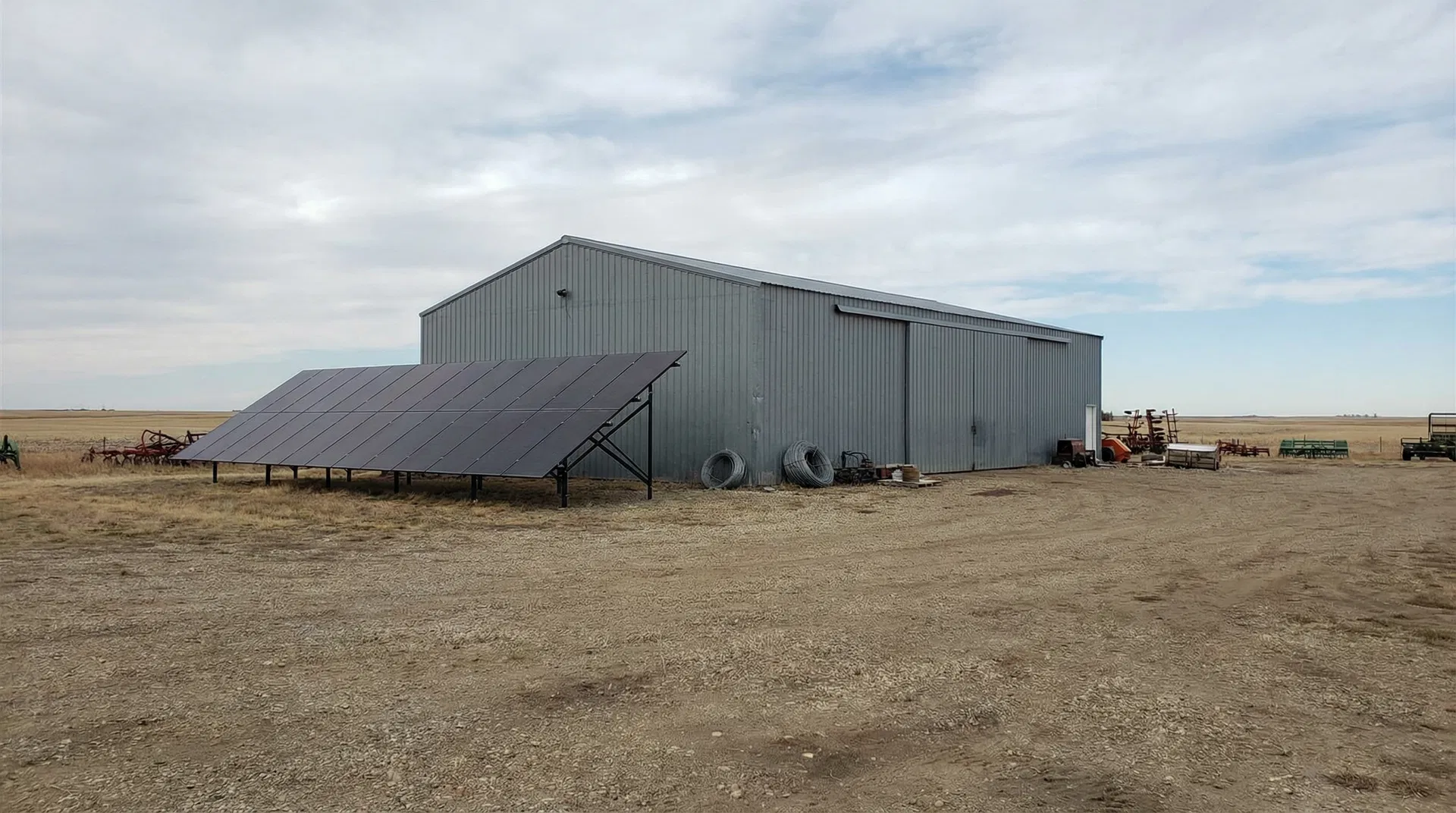
Solar Carstairs installations from Range Road Solar are built around two pieces of equipment we trust: LONGi panels for the array and APsystems microinverters for the power electronics. We don't swap in cheaper panels to win a bid, and we don't run a single central inverter that takes the whole system down if one component fails. Microinverters mean each panel operates independently, which matters on properties with a chimney, a dormer, or a line of trees casting partial shade across part of the roof. That's common on older in-town lots as well as acreages with mixed tree cover. For outbuildings and shops, we size the array and the electrical tie-in around the specific loads on that structure rather than assuming it mirrors the house. Ground-mount arrays come into play on larger parcels where roof space is limited, shaded, or poorly pitched, and where there's open land to work with instead. Every installation includes full permitting and the paperwork for grid interconnection, so you're not chasing down a separate electrician or a separate paperwork process after the panels go up. We handle design, racking, wiring, inverter commissioning, and the utility application as one package, start to finish.
Solar Planning for Local Properties
This town sits in Mountain View County, incorporated in September 1,966 and grown from 4,077 residents to 4,898 at last count. That kind of growth means more rooftops, more acreages on the edge of town, and more properties where a solar system has to work around an existing building footprint rather than a blank slate. Properties here range from in-town lots near the Carstairs Heritage Centre to larger parcels further out where Beef & Barley Days draws the community together every year. Range Road Solar treats each one differently. A quarter-acre town lot with a south-facing roof gets a different design than a five-acre property with a shop, a well pump, and grain-handling equipment pulling from the same panel. We start every project with a site walk and your most recent FortisAlberta power bill, not a generic quote. That bill's 12-month usage graph tells us more about your actual load than any brochure number could, and it's the foundation for sizing a system that fits what you actually run, not what a template assumes you run.
Electrical Site Review for Rural Properties
Voltage Rise
Voltage rise happens when power pushes back onto a long rural distribution line, and the farther a property sits from the transformer, the more it can matter. On lines already running close to the upper end of their normal range, added solar generation can push voltage higher still, which is one reason inverter settings and system sizing aren't one-size-fits-all out here. We check line conditions as part of the design so the inverter doesn't clip output or trip offline on a sunny afternoon.
Single-Phase vs Three-Phase
Some rural Alberta properties have single-phase service, while others, especially larger farms and acreages with heavier equipment, run three-phase. That distinction affects which inverters we can use and how much total capacity the service can support without an upgrade. We confirm which service type is on a property early in the design, since it changes the equipment list before we ever get to a proposal.
Panel Infrastructure
Older rural properties sometimes carry a 100-amp panel that was sized decades before anyone planned to add solar, a shop, or a heat pump. We check breaker capacity, panel age, and available slots before finalizing a design, because an undersized or outdated panel changes what the system can safely support. If the panel can't handle the added load, an upgrade to the panel and sometimes the main service conductor comes first.
Service Entrance Review
We review the service entrance and meter base alongside the panel, since FortisAlberta's micro-generation application requires that equipment to meet current standards before they'll approve a new connection. A worn or outdated meter base can hold up that approval even if everything else about the system is ready to go. When an upgrade is needed, we scope and include it in the project plan rather than surprising you with it partway through.
Right-Sizing Solar for Local Properties
Rural properties almost always need a bigger system than a comparable house in town, and it's rarely about the house itself. It's the shop with its own subpanel, the well pump, the grain dryer or bin fans that run hard for a few weeks a year, and sometimes an irrigation pump that only runs seasonally but still has to be accounted for. We don't size off a rule of thumb like watts per square foot of roof. We size off the 12-month usage graph on your most recent power bill, because that graph shows your actual load pattern, including the seasonal spikes a single month's bill would hide. Roof mount makes sense when there's enough clean, unshaded south or west-facing roof area and the structure can support the array. Ground mount becomes the better call when trees or outbuildings shade the roof, when the roof pitch or orientation works against production, or when there's a spread-out yard with open land that makes a ground array easier to service and easier to expand later. Every system size we quote comes out of that bill and a site design, not a generic package pulled off a shelf.
Typical Load Profiles We Design For in This Area
Home + Heated Shop
This load profile covers a house plus a detached, heated shop running off the same service: lighting, a block heater circuit, maybe a compressor or welder. We size the array and inverter count around both buildings' combined draw, not just the house, using the 12-month usage graph on your most recent power bill to see how much that shop actually adds through the year.
Acreage with Well Pump and Outbuildings
Acreages with their own well pump and a scatter of outbuildings, a barn, a detached garage, a workshop, draw power in a pattern that looks nothing like an in-town house. The well pump alone can cycle hard enough to shape sizing decisions, especially on single-phase service. We map out every structure on the property before we size anything, then confirm the load pattern against your power bill.
Farm Grain Handling and Dryer Loads
Grain-handling loads, augers, aeration fans, and a grain dryer running hard for a short stretch each fall, create short, intense spikes that a single month's bill would never show. A 12-month usage graph catches that seasonal spike, which is exactly why we design off the full-year graph on your bill instead of an average month. Systems built for this kind of load often land toward the upper end of the 8 to 15 kW range we typically install.
FortisAlberta Interconnection for Local Properties
FortisAlberta is the wire service here, and every grid-tied solar system has to go through their micro-generation interconnection process before it's allowed to operate in parallel with the grid. Range Road Solar prepares and submits that application as part of the installation package: single-line diagrams, equipment specifications, and the paperwork FortisAlberta requires to review a new generation source on their distribution lines. We don't guess at requirements or skip steps to move faster, and we don't leave the forms for you to figure out between other jobs. Because rules and review procedures can change, we confirm the current FortisAlberta process at the time of your design rather than quoting an approval timeline up front. That review covers your meter base, your service entrance, and how the new generation source ties into the existing distribution equipment on your property. What we can tell you is that we've done this paperwork before, on properties across FortisAlberta's territory, and we don't hand it off to you to manage on your own once the panels are up.
Project Economics and Design Review
| System Size | Annual Production | Year 1 Savings | Payback Period |
|---|---|---|---|
| 8-15 kW range, 10 kW typical |
Production, savings, and payback figures require a property-specific design review and your most recent power bill, and we don't estimate either without them.
How We Work in Carstairs
Bill and Load Review
We review your power bill to understand your energy use in Carstairs and size the system to your actual consumption, not a generic estimate.
Site Assessment
We assess your roof or ground area, south-facing exposure, electrical service, and utility interconnection requirements specific to your property.
Design and Utility Application
We produce a system layout, production estimate, and cost summary, then submit your micro-generation application to your utility on your behalf.
Installation and Commissioning
Our crew installs racking, panels, inverter, and electrical connections. All work is performed by licensed electricians. We commission and test before handoff.
Current Program and Interconnection Review
Utility connection review
FortisAlberta reviews every micro-generation interconnection application before a new solar system can operate in parallel with the grid. Range Road Solar prepares the full design package, including single-line diagrams and equipment specs, and submits it on your behalf.
Current program review
Eligibility for commercial, farm, and residential solar varies and can change year to year. We review current program rules against your specific property type and system design at the time we put your quote together, rather than assuming last year's rules still apply.
Frequently Asked Questions
Get a Solar Assessment for Carstairs
Submit a recent power bill and we will review your consumption and provide an honest assessment for your Carstairs property. No obligation.
(587) 330-7502 Book a CallRelated Resources
More Solar Services in Carstairs