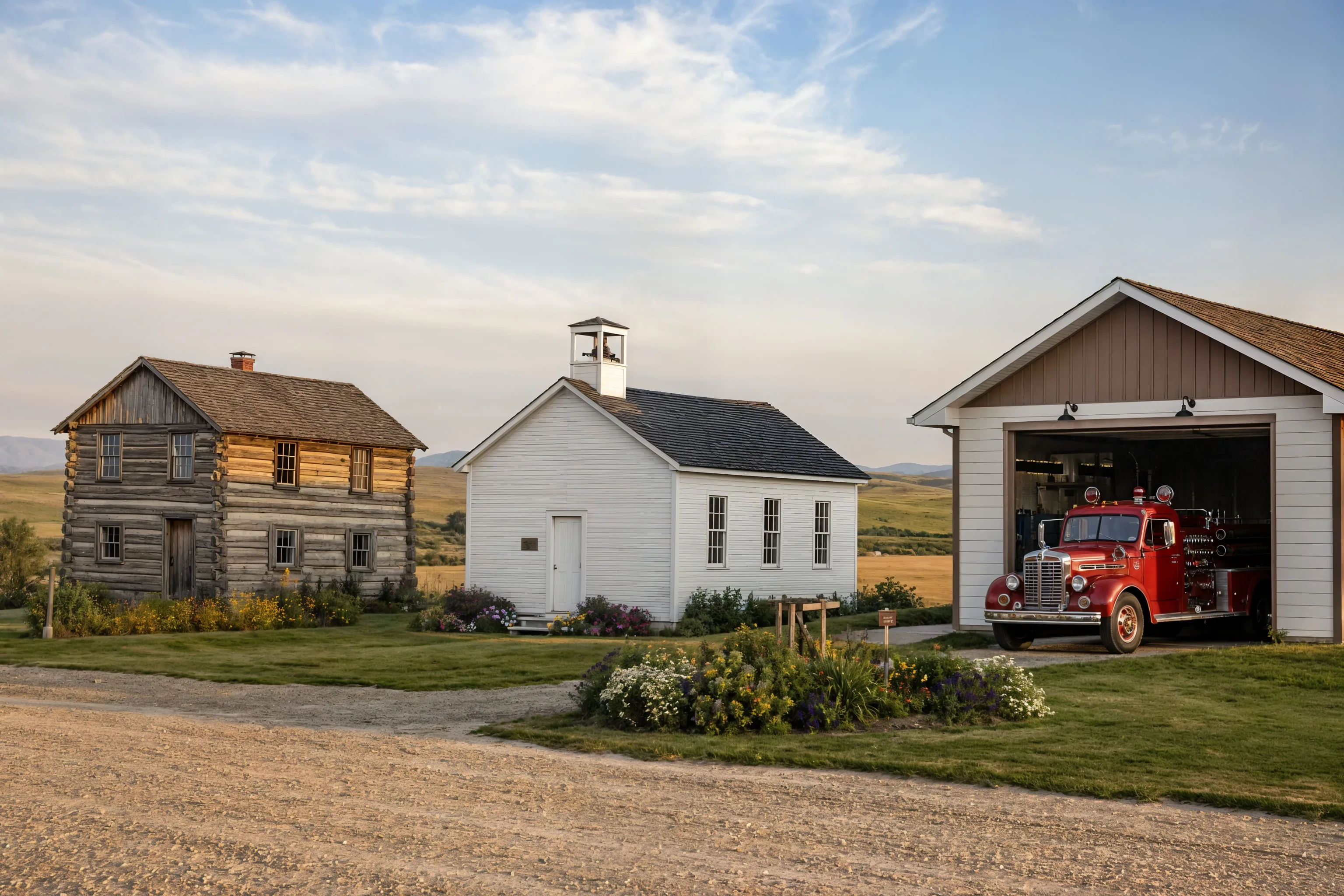
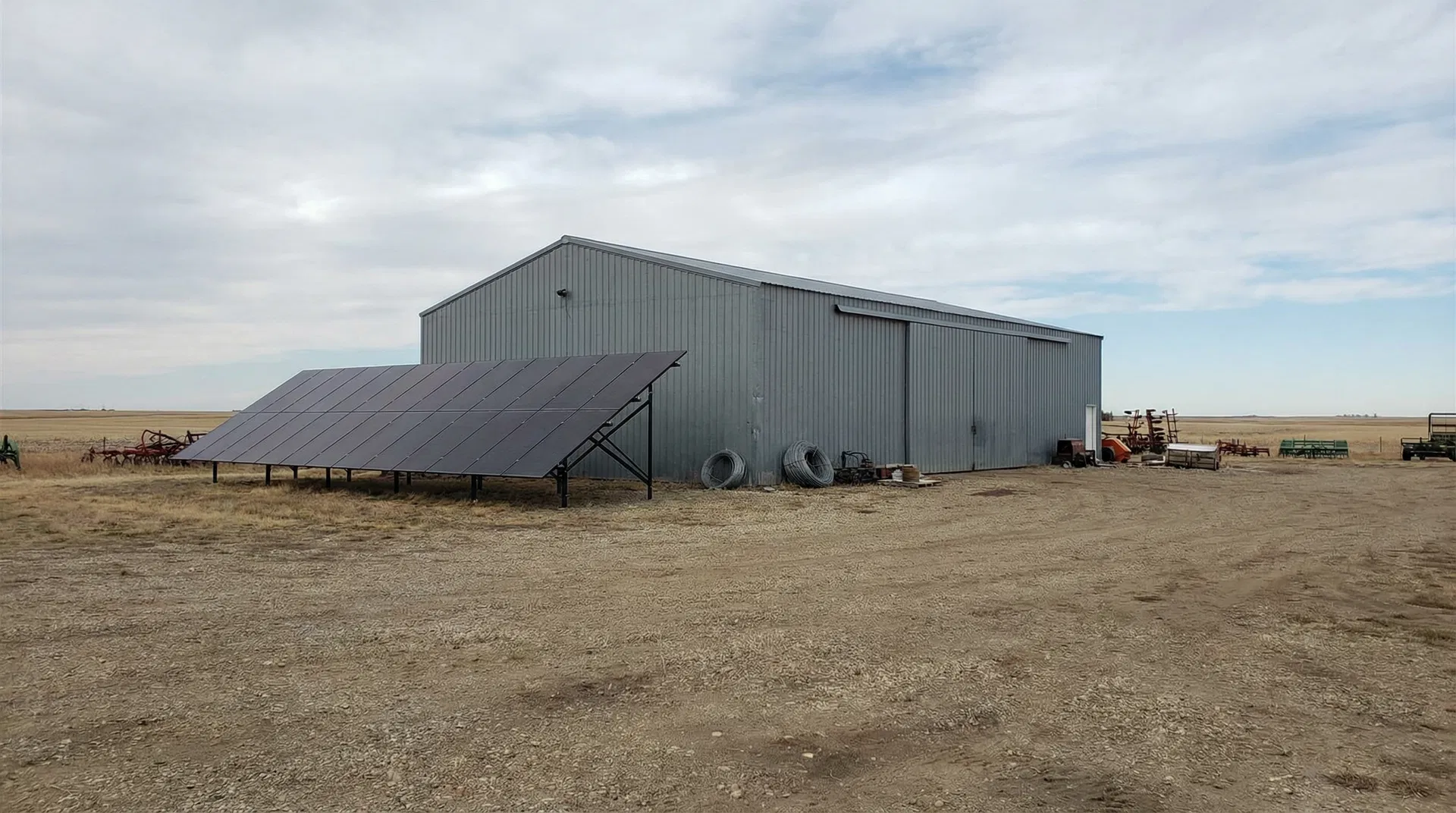
Farm solar in Caroline starts with the yard, not the roof. Most working properties around here run more than one building off the same meter: a house, a heated shop, sometimes a grain bin setup or irrigation pump, and each of those loads pulls differently through the year. We default to LONGi panels paired with APsystems microinverters, and for farm-scale systems we favor ground-mount racking over rooftop whenever the math supports it. Ground-mount means we're not fighting roof pitch, shingle age, or shade from a shelterbelt, and it gives us more flexibility to lay panels out across open yard space exactly where they'll perform best. Rooftop still makes sense on a newer shop or home with clear south exposure and no shading, and we'll lay that out just as carefully. Every system is sized in the 20 to 50 kW range, with 25 kW being a common starting point for a farm with a home, shop, and one or two outbuildings on the same service. Larger operations with grain drying or multiple pumps can run higher in that range. We don't guess at the number. We size from your most recent power bill, which includes a 12-month usage graph showing how the property actually draws power across the year, and we combine that with a walk of the property to confirm roof condition, available ground space, and where the service entrance and panel sit relative to the array.
Solar Planning for Caroline Properties
Caroline, Alberta is a small place, home to roughly 470 residents by the most recent census count, and most property owners here already know their land's quirks better than any generic solar pitch could cover: which outbuildings catch shade late in the day, where the shop sits relative to the grain bins, and how the yard actually works day to day. The area carries some real local landmarks, from the Caroline Complex natural gas facility to community fixtures like the Kurt Browning Arena and the Caroline Wheels of Time Museum, places that point to a community built around industry and agriculture rather than tourism. Properties here run on FortisAlberta's wire service, which shapes how any new solar system gets reviewed and connected before it's switched on. We don't start with a sales pitch. We start by walking the property, looking at how the home, shop, and any grain-handling or irrigation equipment actually draw power, and pulling your most recent power bill to see the 12-month usage graph behind it. From there we size a system, typically in the 20 to 50 kW range for working farms, that matches what the property actually needs instead of a number pulled from a brochure. Every design gets checked against FortisAlberta's current interconnection rules before we finalize anything.
Electrical Site Review for Caroline Properties
Voltage Rise
Voltage rise happens when power pushes back through a long rural distribution line, and it tends to show up more on properties farther out on a feeder. If voltage at your service runs higher than a microinverter's rated window, the inverter can clip output to protect itself, which cuts into what the system actually produces. We check voltage conditions at your service as part of the site review and factor that into how we size and configure the array.
Single-Phase vs Three-Phase
Rural Alberta properties come through on either single-phase or three-phase service, and which one you have changes what equipment fits. Three-phase service, common on larger farm operations with bigger motors or grain-handling equipment, opens up different inverter and capacity options than a single-phase home or shop service. We confirm which service type your property has before finalizing equipment selection, since it affects both inverter choice and how much capacity we can run.
Panel Infrastructure
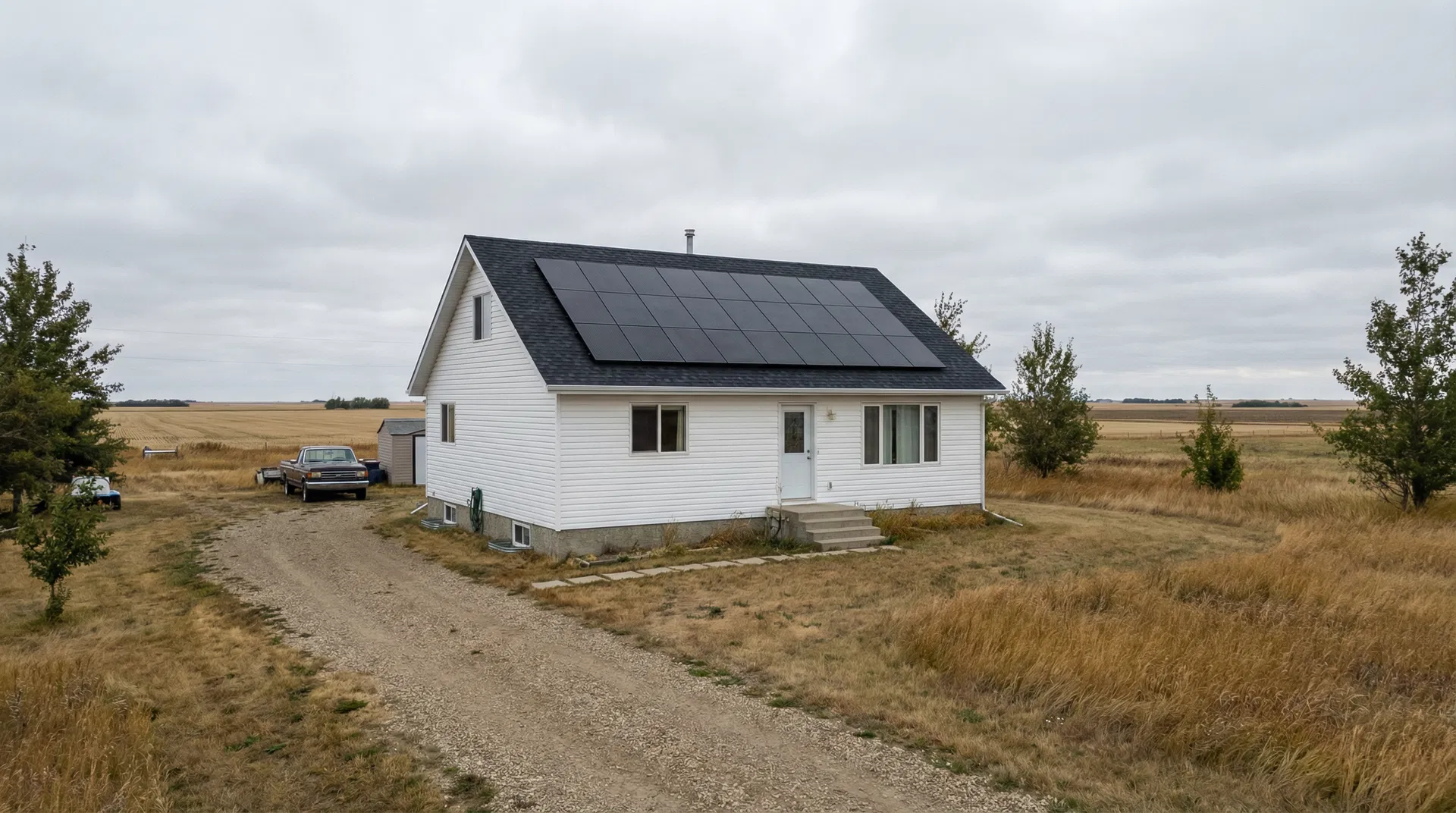
Older rural properties sometimes still run on a 100 or 150 amp panel installed decades ago, and breaker capacity and panel age both matter for whether that panel can handle a new solar system safely. During the site review we check the panel's rated capacity, its age and condition, and how much room is left for new breakers. If the existing panel can't support the system, an upgrade means a new panel and breakers sized to carry both the farm's existing loads and the new solar circuit.
Service Entrance Review
We check the condition of the service entrance and meter base as part of every site visit, looking at wire condition, grounding, and whether the meter base itself is rated for the added solar connection. The meter base has to be in good working order before FortisAlberta will approve a micro-generation interconnection application, so this gets checked early rather than after a design is finalized. If the service entrance or meter base needs upgrading first, we scope that work as part of the project plan before the interconnection application goes in.
Right-Sizing Solar for Caroline Properties
Rural systems here tend to run bigger than a typical in-town rooftop system, and there's a simple reason: a working property usually has more than one load to cover. A home draws power on its own, but add a heated shop, a grain bin or dryer setup, or an irrigation pump, and the combined draw is a different animal than a single house. That's part of why farm systems in this area land in the 20 to 50 kW range instead of the smaller systems common on in-town homes. Roof versus ground mount comes down to what the property actually offers. A roof with a clean, unshaded south or southwest face on a newer shop or home can work well. But if mature trees or a shelterbelt shade the roofline, if the pitch or orientation isn't right, or if the yard has open, usable land sitting right next to the service, ground mount is often the better call. It gives us control over tilt and orientation and keeps the array clear of shading problems a roof can't avoid. Either way, we don't size from a rule of thumb. We pull up the 12-month usage graph on your most recent power bill and look at how your draw actually moves through the year, then combine that with a walk of the property and a look at roof or ground conditions to land on a system size that matches what's really there.
Typical Load Profiles We Design For Near Caroline
Home + Heated Shop
This is the most common profile we see: a farmhouse plus a heated shop used for equipment storage and winter repair work. The shop's heat load and any welding or compressor equipment can pull as much as the house itself, so we size around both loads together rather than treating the shop as an afterthought. We confirm the actual split between house and shop draw from your most recent power bill before finalizing array size.
Grain Handling and Drying
Grain bins, augers, and a dryer add a seasonal spike that a simple house load doesn't have, concentrated into a few weeks at harvest. We look at how that seasonal draw shows up on the 12-month usage graph on your bill and size the system to help offset that spike without over-building capacity that sits idle the rest of the year.
Livestock and Irrigation
Properties running livestock operations or irrigation pumps often have steady daytime draw that lines up well with solar production, whether it's a water pump, barn ventilation, or livestock watering equipment running through the day. We size these systems around that daytime load pattern, using your most recent power bill to see how consistent or variable that draw actually is across the year.
FortisAlberta Interconnection in Caroline
Properties around Caroline are served by FortisAlberta, the same wire service that covers most of rural Alberta's farm and acreage country. Any grid-connected solar system here needs to go through FortisAlberta's micro-generation interconnection process before it's switched on, and that application is a real piece of paperwork: load calculations, a one-line electrical diagram, equipment specification sheets for the panels and microinverters, and site details specific to your service. We handle that whole package. Range Road Solar prepares and submits the interconnection application to FortisAlberta on your behalf, using the equipment specs for the LONGi panels and APsystems microinverters we're installing, and we coordinate directly with FortisAlberta if they come back with questions about the design. We don't quote approval timelines or make claims about how credits or payouts work under FortisAlberta's current rules, because those details depend on your specific rate plan and FortisAlberta's current policies at the time you apply. We'll walk you through exactly what applies to your property once we've got your most recent power bill and a confirmed system design in hand.
Project Economics and Design Review
| System Size | Annual Production | Year 1 Savings | Payback Period |
|---|---|---|---|
| 20-50 kW range, 25 kW typical |
Actual production, savings, and payback depend on a property-specific design and your most recent power bill, and we only provide those numbers after that review.
How We Work in Caroline
Bill and Load Review
We review your power bill to understand your energy use in Caroline and size the system to your actual consumption, not a generic estimate.
Site Assessment
We assess your roof or ground area, south-facing exposure, electrical service, and utility interconnection requirements specific to your property.
Design and Utility Application
We produce a system layout, production estimate, and cost summary, then submit your micro-generation application to your utility on your behalf.
Installation and Commissioning
Our crew installs racking, panels, inverter, and electrical connections. All work is performed by licensed electricians. We commission and test before handoff.
Current Program and Interconnection Review
Utility connection review
FortisAlberta reviews every micro-generation interconnection application against its current technical and administrative rules before a system is switched on. Range Road Solar prepares the full design package, including load calculations, equipment specs, and the one-line diagram, and submits it on your behalf.
Current program review
Commercial, farm, and residential properties can qualify for different incentive or financing treatment depending on rules that are active at the time you apply. We review your property's eligibility against whatever rules are current when we put your design together, rather than assuming last year's program still applies.
Frequently Asked Questions
Get a Solar Assessment for Caroline
Submit a recent power bill and we will review your consumption and provide an honest assessment for your Caroline property. No obligation.
(587) 330-7502 Book a CallRelated Resources