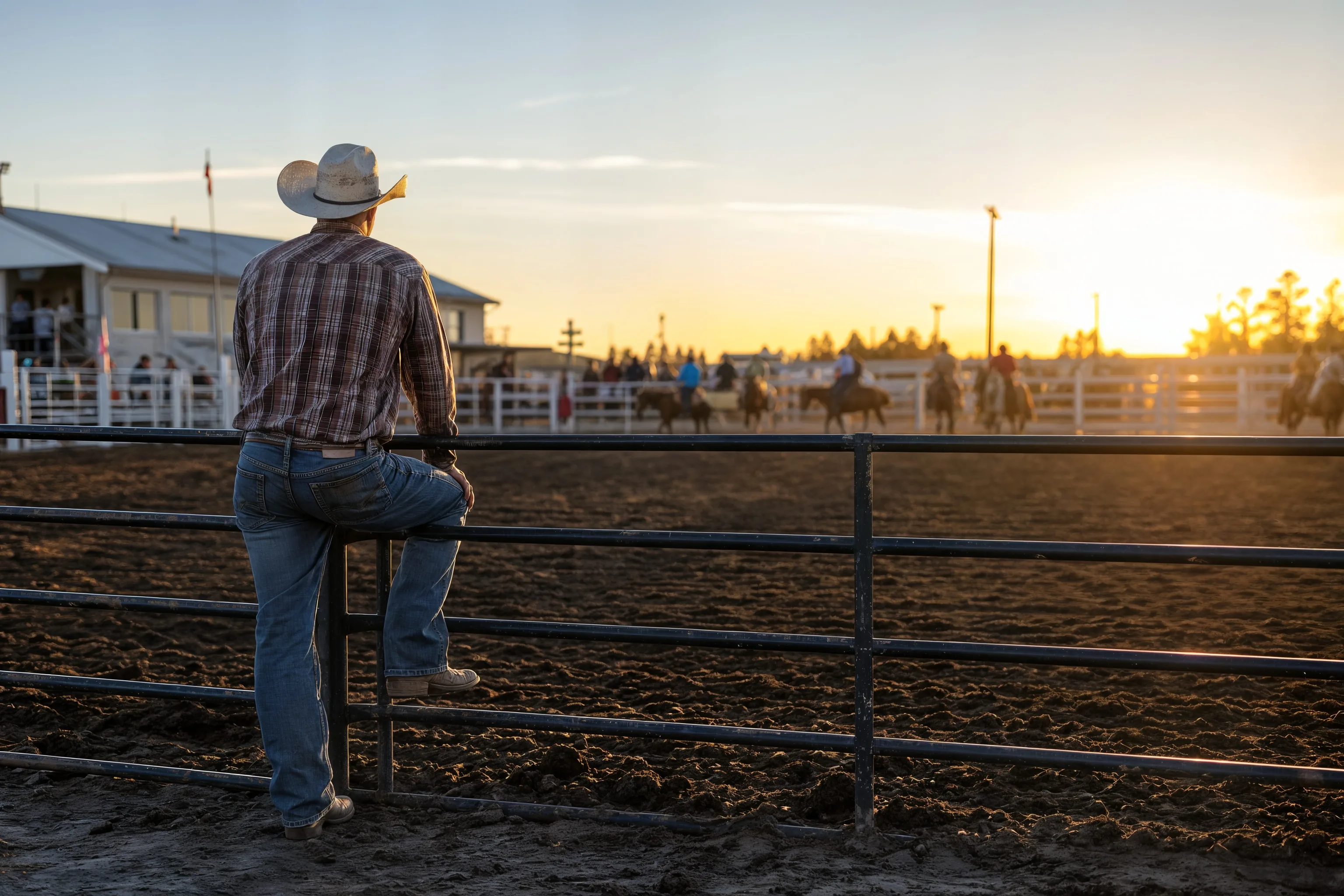
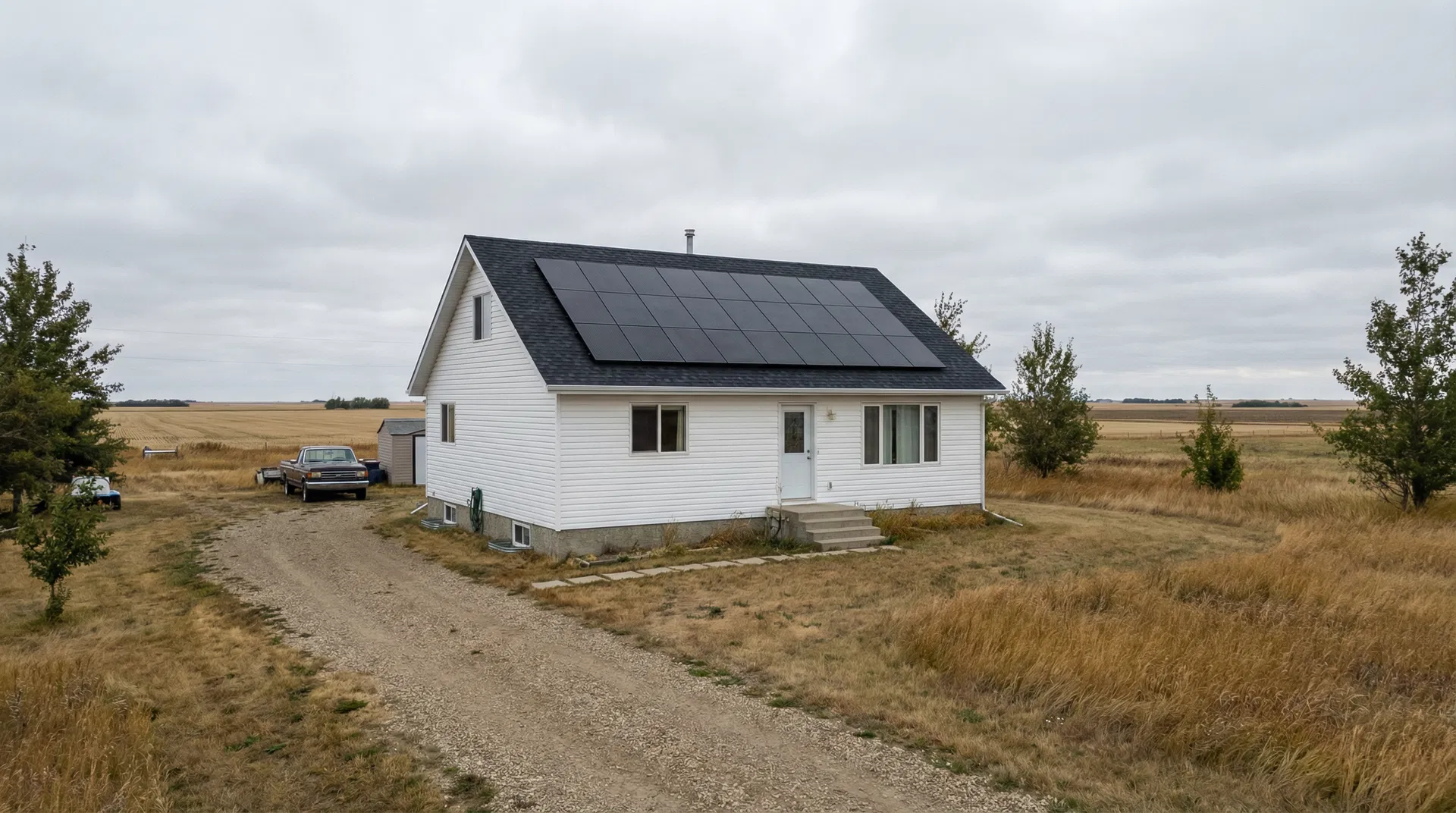
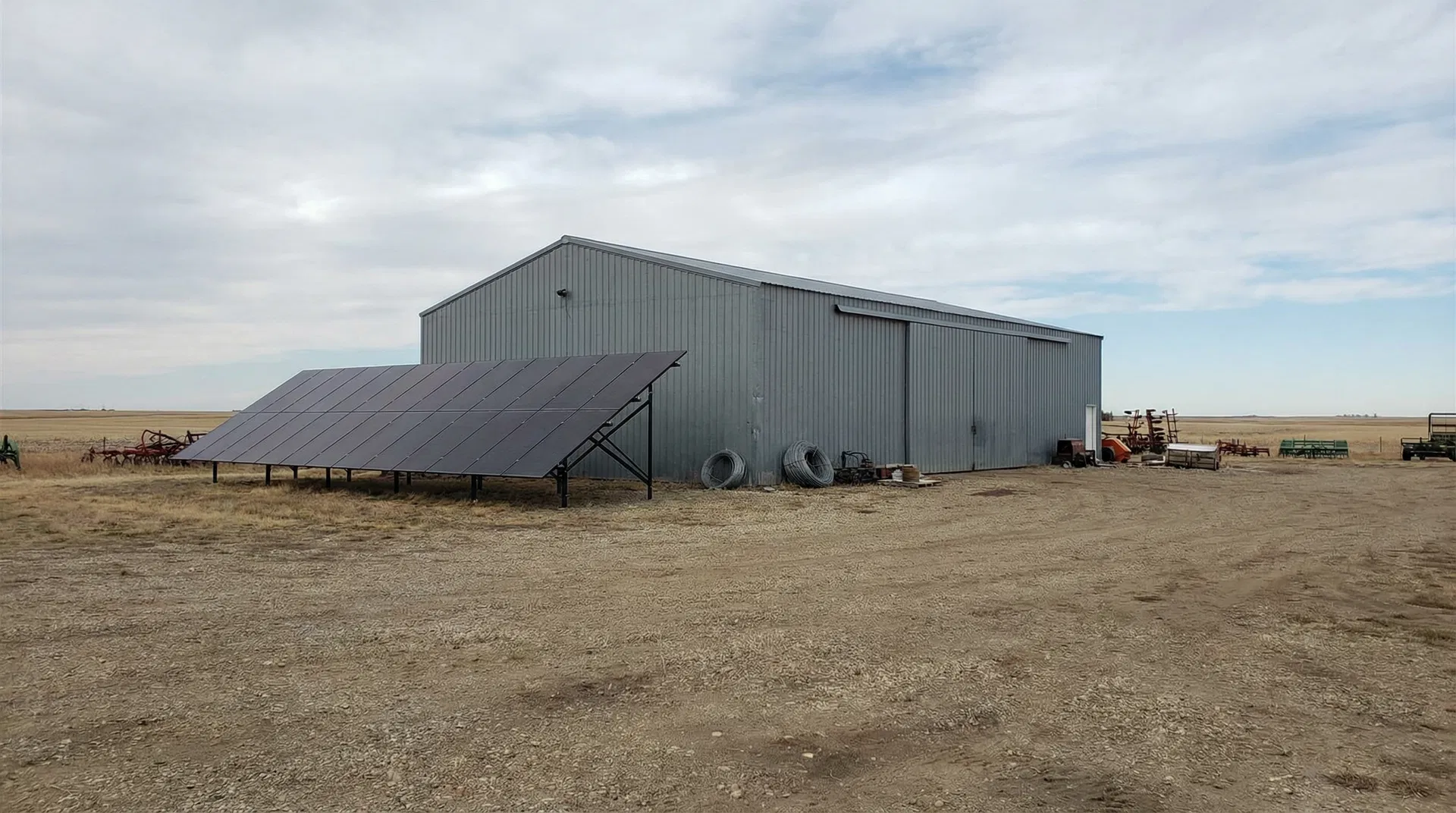
Solar Crossfield installations from Range Road Solar start with a licensed site assessment, not a sales pitch. We size every system in the 8 to 15 kW range, with most homes here landing close to the 10 kW mark, though a farmyard with a heated shop or an irrigation pump often needs the higher end of that range. Every install uses LONGi monocrystalline panels paired with APsystems microinverters. We default to microinverters on rural roofs because they let each panel operate independently: if one section of an in-town roof shades out from a neighbor's tree, or a farm outbuilding casts a line across part of the array, the rest of the system keeps producing instead of the whole string dropping with it. For acreages and working properties around the area, that per-panel independence also makes it easier to add capacity later, a shop addition, a second array over a machine shed, without redesigning the whole system. Our crews handle racking for asphalt shingle, metal, and ground-mount installs, since rural properties here run the full range of roof types and some sit on enough open land that ground mount makes more sense than the roof at all. Every job includes conduit and wiring sized for the panel count from day one, not a patched-together add-on later. We pull permits, coordinate with the Town where required, and manage the FortisAlberta paperwork so you're not the one on hold with the utility. The same crew that designs the system installs it and signs off on commissioning, so there's one point of contact from the first site visit through the day the system goes live.
Solar Planning for Crossfield Properties
Crossfield has grown from 2,983 residents to 3,599 over the last census cycle, and that growth shows up in new builds, acreage subdivisions, and farmyards spread out along the grid roads around town. Properties here range from in-town lots to working acreages near the TAQA North Crossfield Gas Plant, and each one comes with its own roof layout, shading pattern, and electrical service. We don't quote a system off a drive-by. Every design starts with your most recent power bill, which carries the 12-month usage graph FortisAlberta prints for every account, and a look at your roof pitch, orientation, and any shade from trees or outbuildings. Natural Resources Canada rates this part of Alberta at a specific photovoltaic yield of 1,287 kWh per kW of installed capacity, which is one input into the design, not a promise of what your system will produce. The same goes for Pete Knight Days, the annual rodeo that draws people from across the area each summer: it's a point of local pride, not a reason to oversell a system. What matters is whether an 8 kW array fits a modest bungalow or a 15 kW system is needed to cover a shop and irrigation pump. We size to the property, not the postal code.
Electrical Site Review for Crossfield Properties
Voltage Rise
Voltage rise happens when the distance and wire gauge between a property and the nearest transformer cause voltage to climb as a solar inverter pushes power back onto the line. On rural feeders with longer runs, this can push voltage closer to the inverter's upper limit, which is one reason inverters sometimes clip output rather than run at full rated capacity. We check feeder characteristics during the site review so the system is sized and configured with that limit in mind, not discovered after installation.
Single-Phase vs Three-Phase
Properties in this area may have single-phase or three-phase electrical service, and that distinction affects which inverter equipment and system capacity make sense for the site. A single-phase farmhouse and a three-phase shop or grain operation on the same yard can need different equipment configurations even at a similar system size. We confirm which service type your property has before finalizing equipment selection, since the wrong assumption here means a redesign later.
Panel Infrastructure
Many rural properties in this area still run on older electrical panels, and breaker capacity and panel age both affect whether a property can support a new solar system without upgrades. During the site visit, we check the panel's rated capacity, the condition of existing breakers, and whether there's room to add the breakers a solar system needs. If the panel can't support the system, an upgrade means replacing the panel and breakers with capacity sized for both existing loads and the new solar circuit.
Service Entrance Review
We inspect the service entrance and meter base as part of every site review, checking for wear, corrosion, and whether the existing equipment can accept the metering required for a FortisAlberta micro-generation application. The meter base condition matters because FortisAlberta requires compatible, code-compliant equipment before they'll approve the interconnection. If the service entrance needs an upgrade, we fold that into the project plan and the equipment goes in alongside the solar installation rather than as a separate trip.
Right-Sizing Solar for Crossfield Properties
Rural properties here typically carry more electrical load than a comparable house in a subdivision, because the house is rarely the only thing drawing power. A shop, a well pump, grain handling equipment, or an irrigation system can each add as much load as the home itself, which is why rural systems often land at the higher end of our 8 to 15 kW range instead of the lower end. Roof versus ground mount is a real decision, not a default. A roof with good southern or western exposure and no shading from trees or outbuildings is often the simplest and least expensive mount. But when a roof is shaded, pitched wrong, or too small for the array a property needs, and there's open yard space available, ground mount becomes the better call, especially on acreages where land isn't the constraint that it is on a smaller in-town lot. Either way, we size the system from the 12-month usage graph on your most recent power bill, not a rule-of-thumb multiplier based on square footage or guesswork about what a typical home uses. That usage graph shows the actual monthly pattern for your property, including seasonal swings from heating, well pumps, or shop use, and combined with the site design, it tells us whether an 8 kW system covers the load or whether you need to be closer to 15 kW.
Typical Load Profiles We Design For Near Crossfield
Home Only
This profile covers a single residence with standard household loads: heating, hot water, appliances, and maybe a garage. We size these systems from the usage pattern on your most recent power bill and the site's roof or ground-mount conditions, and they typically land toward the lower end of our 8 to 15 kW range.
Home Plus Heated Shop
A heated shop adds a meaningful load on top of the house, especially through the colder months when shop heat and lighting run alongside normal household use. We look at the combined usage graph on your most recent power bill rather than estimating the shop separately, since the two loads interact across the year. These properties often need a system closer to the middle or upper end of our size range.
Farm or Acreage with Irrigation or Grain Handling
Properties running irrigation pumps, grain dryers, or other seasonal equipment see usage spikes that don't show up in a typical residential load profile. Because those spikes are seasonal rather than constant, we size the system from the full usage graph on your most recent power bill so the design accounts for peak months, not just an average. These are the properties most likely to need a system at the top of our 8 to 15 kW range.
FortisAlberta Interconnection in Crossfield
FortisAlberta is the wire service for this area, which means any grid-connected solar system here goes through FortisAlberta's micro-generation interconnection process rather than a municipal utility. Range Road Solar prepares and submits that application as part of your project: the single-line diagram, equipment specifications for the LONGi panels and APsystems microinverters, and the site information FortisAlberta requires before a system can be energized. We handle the back-and-forth with FortisAlberta directly, so you're not the one tracking down forms or chasing a status update. Because FortisAlberta's rules and application requirements change from time to time, we confirm the current process and documentation at the time we submit your application rather than relying on what was true for a past project. If your property's electrical service needs an upgrade to support interconnection, whether that's panel capacity or the service entrance, we identify that during the site review and build it into the project plan before the application goes in, not after.
Project Economics and Design Review
| System Size | Annual Production | Year 1 Savings | Payback Period |
|---|---|---|---|
| 8-15 kW range, 10 kW typical |
Production, savings, and payback figures are provided only after a property-specific design review that uses your actual power bill and site conditions.
How We Work in Crossfield
Bill and Load Review
We review your power bill to understand your energy use in Crossfield and size the system to your actual consumption, not a generic estimate.
Site Assessment
We assess your roof or ground area, south-facing exposure, electrical service, and utility interconnection requirements specific to your property.
Design and Utility Application
We produce a system layout, production estimate, and cost summary, then submit your micro-generation application to your utility on your behalf.
Installation and Commissioning
Our crew installs racking, panels, inverter, and electrical connections. All work is performed by licensed electricians. We commission and test before handoff.
Current Program and Interconnection Review
Utility connection review
FortisAlberta reviews every micro-generation grid connection application before a solar system can be energized, checking the equipment specifications and the application against their current technical requirements. Range Road Solar prepares that full design package, including the LONGi panel and APsystems microinverter specifications, and submits it on your behalf.
Current program review
Eligibility for any current commercial, farm, or residential program is reviewed against the rules in place at the time of your design, since requirements can change. We check what applies to your specific property and project during the design review rather than assuming a program that applied to a past customer still applies the same way.
Frequently Asked Questions
Get a Solar Assessment for Crossfield
Submit a recent power bill and we will review your consumption and provide an honest assessment for your Crossfield property. No obligation.
(587) 330-7502 Book a CallMore Solar Services in Crossfield