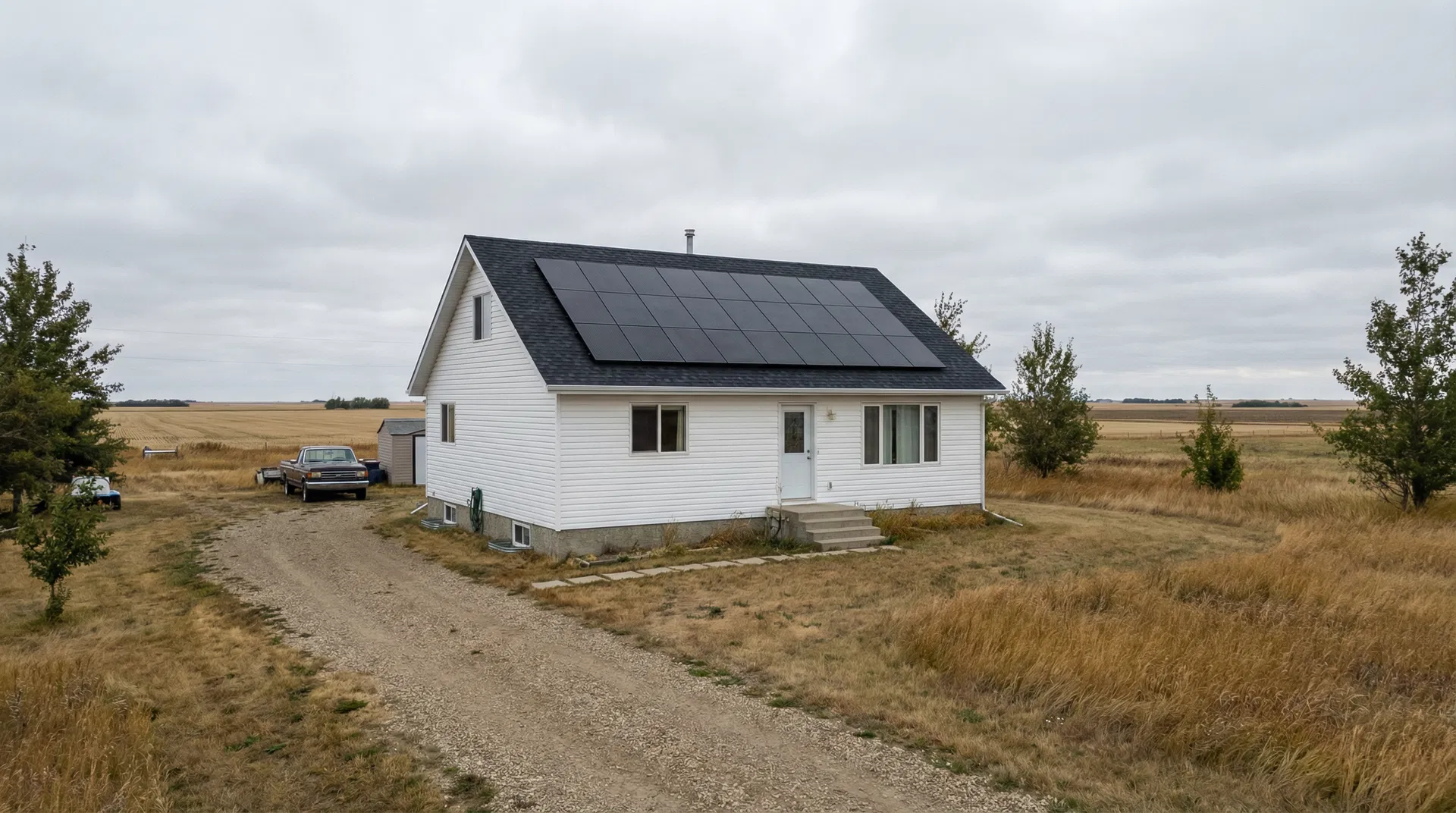
A solar installation Crossfield project starts with a site design, not a catalogue package. We build grid-tied residential systems on LONGi panels paired with APsystems microinverters, which means each panel runs its own inverter and a shaded panel doesn't drag the rest of the array down with it. That matters on acreage properties, where a tree line or a grain bin can throw shade across part of a roof at certain times of day. The microinverter layout also gives us flexibility when a roof is split across two pitches or when a garage and a house roof need to feed one system. For most rural homes, the system is a roof array on the main house, a detached garage, or a shop. If the roof faces the wrong direction, has a poor pitch, or sits under tree cover, we'll look at a ground mount instead. Ground mounts suit yards with open ground, and they keep the array clear of the roofing work you'd otherwise plan around. Either way, the design is built around how your property sits, not the other way around. The residential systems we design typically fall in the 8-12 kW range, with 10 kW as the most common starting point for a home with a few outbuildings. Your house, shop, and any irrigation or livestock loads all move that number. We confirm it through a design that uses your most recent power bill and the site itself. Installation covers mounting hardware, wiring, the inverter layout, and the disconnects and shutdown equipment the job calls for. We handle the design package from start to finish, so you're not chasing drawings from three different contractors. Once the system is running, we'll walk you through monitoring so you can see how it's performing.
Solar Planning for Crossfield Properties
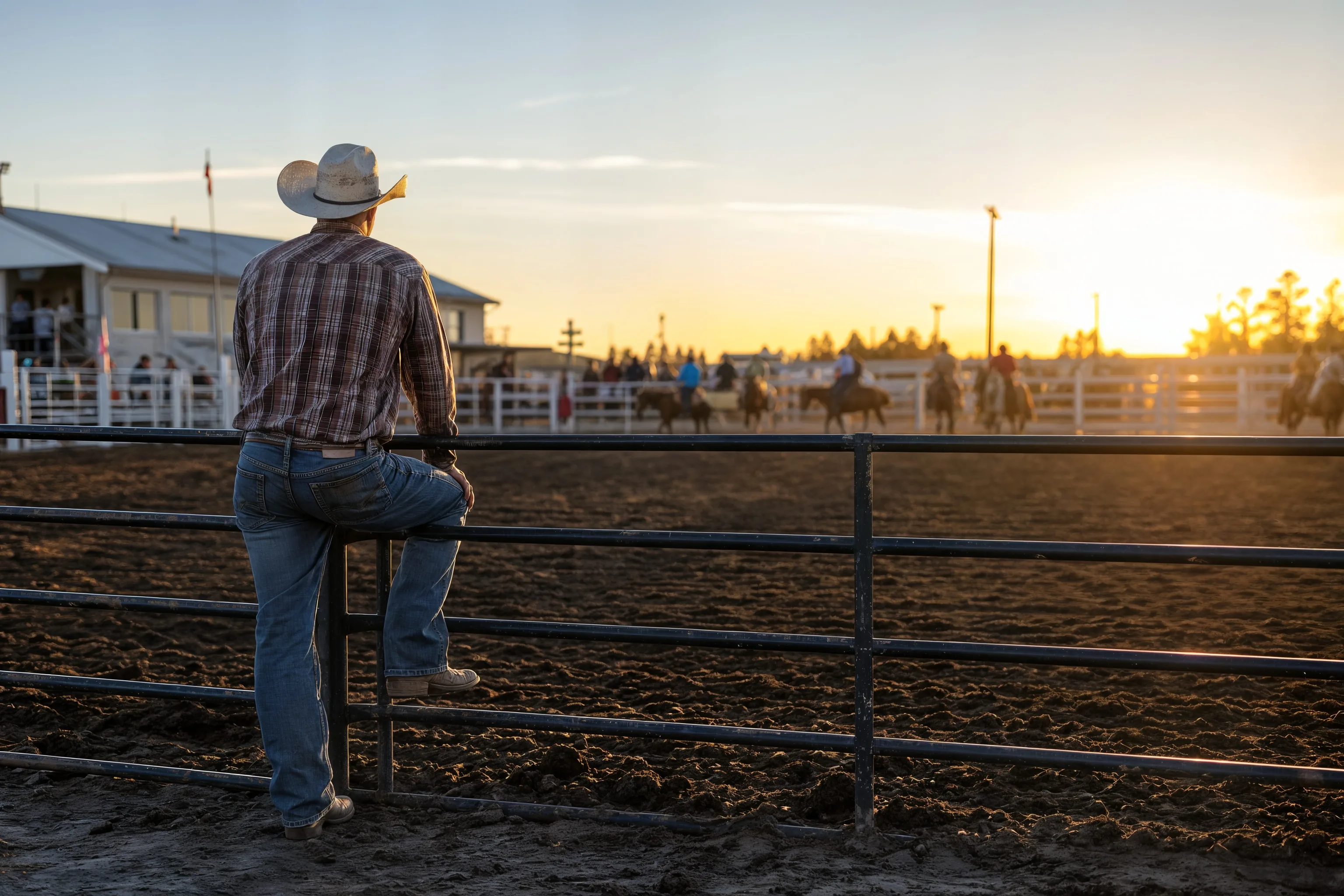
A rural property doesn't get planned like a subdivision lot. The roof or yard, the outbuildings, the electrical panel, and the way you use power all shape what makes sense, so we look at all of it before we recommend a layout. Pete Knight Days (Annual Rodeo) is part of local life around here, and the Pete Knight Memorial Arena is a landmark you'll hear mentioned plenty. Those details matter less to the system than the basics, but they tell us how people in this area tend to live and work, and that shapes the design conversation. The utility side is straightforward once you know who's involved. FortisAlberta is the wire service for this area, and we handle the micro-generation application to FortisAlberta on your behalf. What we can't do over the phone is tell you how much your property will produce or save. That comes out of a site design built on your roof or yard, your shading, and your most recent power bill. We'd rather show you the numbers from your own property than quote a figure from a brochure.
Electrical Site Review for Crossfield Properties
Voltage Rise
Voltage rise happens when a system pushes power back onto the distribution line and the voltage at the connection point climbs above its normal level. How far a property sits from the transformer and how much other load shares that line both affect how much room there is. When voltage climbs past the inverter's operating window, the inverter can reduce its output, which looks a lot like clipping in the production data, so we factor that behaviour into how large the array should be.
Single-Phase vs Three-Phase
Rural properties can have single-phase or three-phase service, and the difference determines which inverter and system capacity fit the building. Single-phase service suits most homes, and the equipment selection follows that supply. Three-phase service is more often found on larger farm and shop loads, and it opens up higher-capacity options, so we confirm the phase before we select an inverter.
Panel Infrastructure
Older electrical panels on rural properties often have breaker capacity and bus ratings that don't match what a modern system asks of them. We check the panel's age, its rated capacity, and how much room is left for a new breaker, and we look at the condition of the wiring behind it. If the panel can't support the system, the upgrade usually means replacing it with a larger unit, which we include in the install scope.
Service Entrance Review
We review the service entrance and meter base to confirm they're in sound condition before a system connects. The meter base condition matters because the micro-generation application to FortisAlberta depends on a connection point that's ready for the new system. If the entrance or meter base needs an upgrade, we'll explain what's required and what the work involves before anything is scheduled.
Right-Sizing Solar for Crossfield Properties
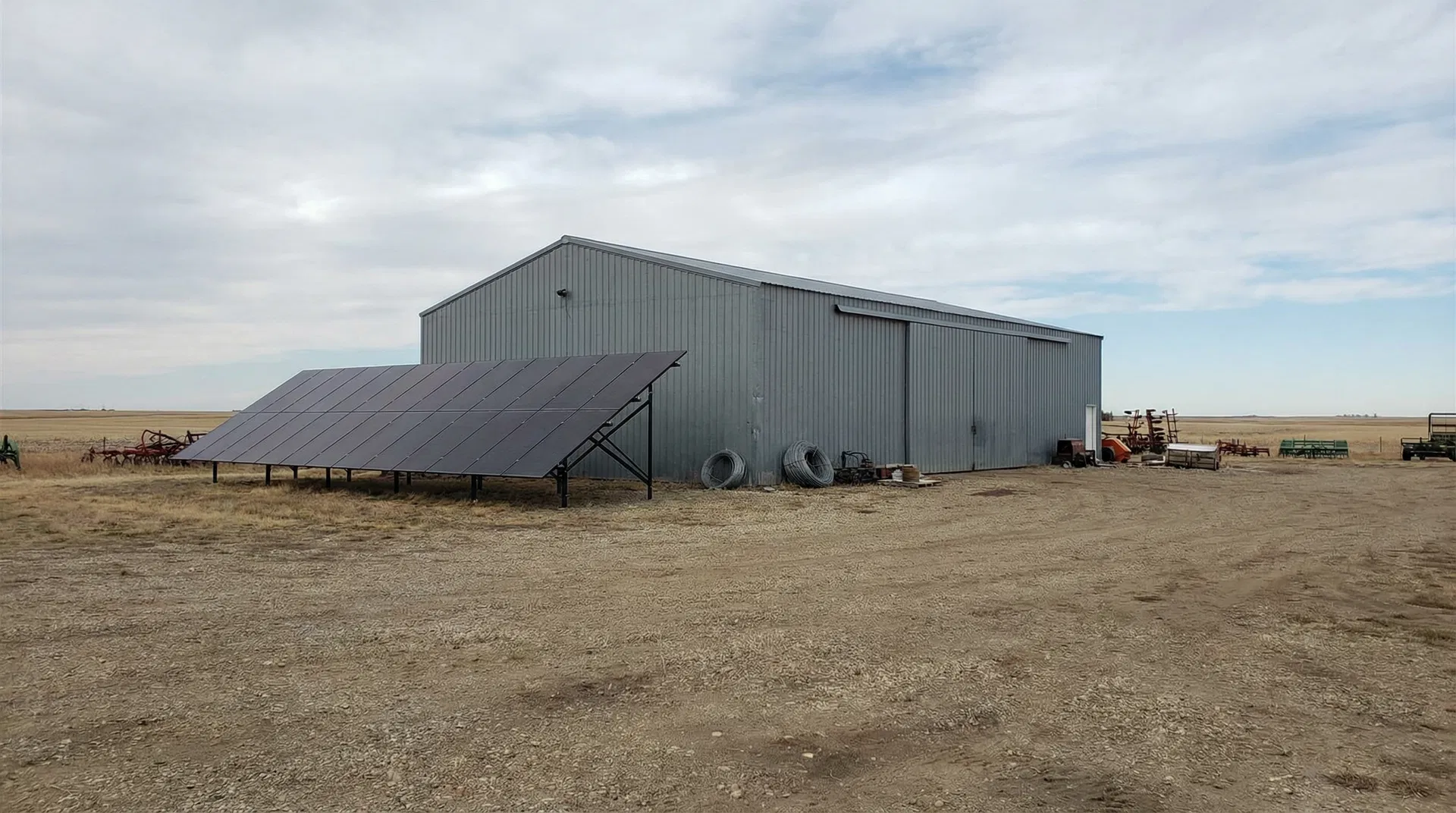
Rural Alberta systems tend to run larger than urban rooftop systems because the property carries more loads. A home might share power with a heated shop, a well pump, yard lighting, and irrigation or grain handling equipment. Each of those adds to the daily picture, so a system sized for the house alone often leaves the shop running on the grid. The roof versus ground mount decision comes down to layout. A roof works well when the pitch and orientation are reasonable and the shingles are in good shape, and it keeps the yard clear. A ground mount makes more sense when trees or nearby buildings shade the roof, the pitch is poor, or you have open land to spare. Acreage and farm layouts often have that space, and a ground mount can be placed where the sun clears the buildings. We don't size a system from a rule of thumb. We size it from the 12-month usage graph on your most recent power bill, which shows how the house and outbuildings draw power across the seasons. That graph tells us where the load peaks and where it dips, and it's the starting point for the design. We then check it against the site: the roof or ground space, the shading, the orientation, and the electrical service. Your power bill and the site design together tell us how big the system should be, and they keep us from guessing.
Typical Load Profiles We Design For Near Crossfield
Home + Heated Shop
A house paired with a 40 by 60 foot heated shop is a common rural setup. The shop adds daytime load from tools, compressors, and heating, which pulls the usage graph away from what the house draws on its own. We size these systems from your most recent power bill and a site design that accounts for the shop's roof or ground space.
Acreage Home + Well and Yard
A family home on acreage with a well pump, yard lighting, and a detached garage draws power differently than a house in a subdivision. The well pump runs in short bursts, but those bursts add up across a day. We design for that pattern using the 12-month usage graph on your most recent power bill, then check whether a 10 kW array or a smaller 8 kW system fits the roof.
Farm Yard + Grain Handling
A farm yard with grain handling, livestock water, and a couple of outbuildings puts the heaviest seasonal load on the system. Harvest equipment can push the usage graph up for a few weeks a year. We look for those load peaks on your most recent power bill and design around them, sometimes with a 12 kW system on a ground mount where roof space runs short.
FortisAlberta Interconnection in Crossfield
FortisAlberta is the wire service for this area, and every grid-tied system we install connects through FortisAlberta's review process. A system tied to the grid has to be reviewed before it can operate alongside the distribution system, because the utility needs to confirm that the equipment, the service, and the inverter settings fit the wires they're connecting to. That review is part of the job we handle for you. We prepare the design package, submit the application to FortisAlberta, and respond to the questions the review raises. From your side, we only need one document: your most recent power bill, which includes the 12-month usage graph we use for sizing. We'll also need access to the electrical panel and meter base so we can confirm the connection. Once the design is final, we walk you through what the application covers so there are no surprises at the meter. We don't promise a timeline or a specific outcome before the review is complete. FortisAlberta sets its own review process, and we don't speak for them on timing. We keep you updated at each step, and we'll tell you plainly if the review calls for a change to the design.
Project Economics and Design Review
| System Size | Annual Production | Year 1 Savings | Payback Period |
|---|---|---|---|
| 8-12 kW range, 10 kW typical |
Production, savings, and payback require a property-specific design and your most recent power bill before any figure is shared.
How We Work in Crossfield
Bill and Load Review
We review your power bill to understand your energy use in Crossfield and size the system to your actual consumption, not a generic estimate.
Site Assessment
We assess your roof or ground area, south-facing exposure, electrical service, and utility interconnection requirements specific to your property.
Design and Utility Application
We produce a system layout, production estimate, and cost summary, then submit your micro-generation application to your utility on your behalf.
Installation and Commissioning
Our crew installs racking, panels, inverter, and electrical connections. All work is performed by licensed electricians. We commission and test before handoff.
Current Program and Interconnection Review
Utility connection review
FortisAlberta reviews grid connection applications for systems tied to its distribution network. Range Road Solar prepares the design package and handles the application for you, so you aren't working through the utility paperwork alone. We'll walk you through what the review covers before anything is submitted.
Current program review
Commercial, farm, and residential eligibility is reviewed against current rules at design time. We don't assume a program applies because it did in the past, and we won't quote one until it's confirmed. Eligibility gets checked as part of the design, not guessed at over the phone.
Frequently Asked Questions
Get a Solar Assessment for Crossfield
Submit a recent power bill and we will review your consumption and provide an honest assessment for your Crossfield property. No obligation.
(587) 330-7502 Book a CallRelated Resources
More Solar Services in Crossfield