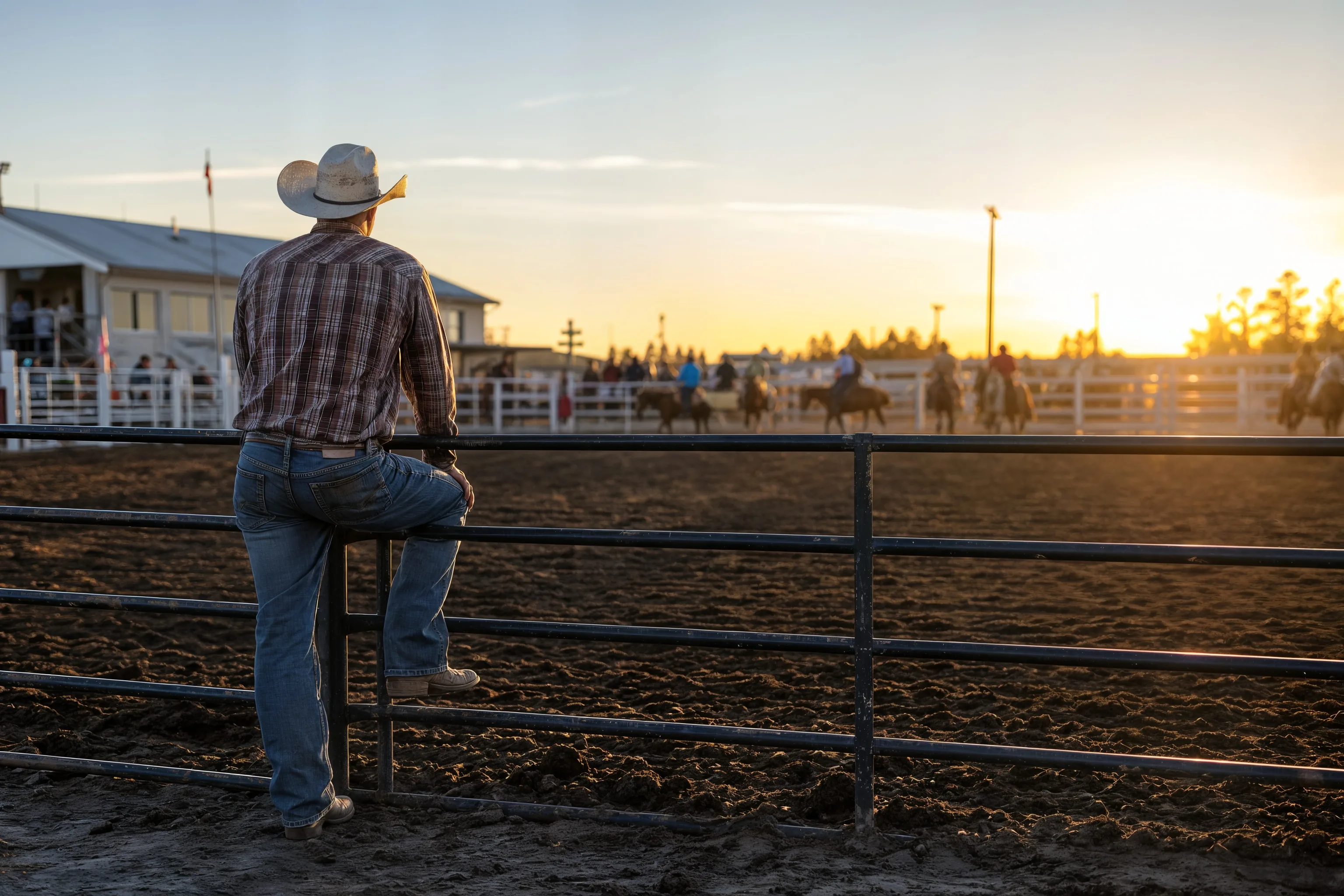
Off-grid solar in Crossfield, Alberta means designing a system that works independent of the FortisAlberta grid, built for cabins, acreages, and remote sites where running a new service line costs more than going it alone. We build these systems around LONGi panels, which hold up well as the workhorse of both our grid-tied and off-grid installs. Where a grid-connected property in the area typically runs APsystems microinverters, an off-grid system swaps that setup for a hybrid inverter and lithium battery bank instead, since there's no utility line to synchronize with and no export to manage. The hybrid inverter handles charging the battery from the array, running your loads directly, and switching in a generator if you specify one as backup. Lithium battery storage gives the system the depth of discharge and cycle life to carry a cabin or remote site through overnight and low-light stretches, with the exact capacity confirmed during the site design based on your loads. System size for an off-grid property runs in the 5 to 15 kW range, with most sites landing around 8 kW once we've reviewed actual loads: lighting, a fridge, a well pump, maybe a shop heater or two. We size the array and battery bank together, not separately, because an off-grid system that's undersized on either end leaves you running a generator more than you'd like. Every off-grid design starts with a walk-through of how the property is actually used, since a hunting cabin and a full-time residence in this area need very different systems even at similar square footage.
Solar Planning for Crossfield Properties
This area has grown from 2,983 residents to 3,599 since the last census, and that growth is spreading outward onto acreages and rural properties where a standard grid connection isn't always the cheapest option. It sits within Rocky View County and the Calgary Metropolitan Region, but Range Road Solar designs off-grid systems for the property in front of us, not the municipal boundary around it. Properties near the TAQA North Crossfield Gas Plant and out toward the grounds that host Pete Knight Days each year often share the same challenge: a cabin, shop, or remote outbuilding sitting far enough from the existing line that running new wire costs more than going independent. NRCan's photovoltaic potential data lists this region's specific yield at 1,287 kWh per kW installed, a planning reference we use alongside your site's shading, orientation, and roof or ground conditions, not a promise of what your system will produce. We don't guess at system size. We walk the property, look at how you actually use power, and design a system built around that load, not a generic off-grid package. That's what a real design review looks like here.
Electrical Site Review for Crossfield Properties
Voltage Rise
Voltage rise happens when a distribution line runs a long distance and the voltage at the far end climbs higher than what's measured at the source. On rural feeders stretching out through this area, that rise can sit near the upper edge of what FortisAlberta allows, which matters for any part of a property that stays grid-connected alongside an off-grid system. For the off-grid portion itself, we're matching the inverter against your actual loads and battery bank rather than feeder conditions, but we still check line voltage wherever a connection remains, since it affects clipping and sizing decisions for that equipment.
Single-Phase vs Three-Phase
Properties in this area show up with either single-phase or three-phase service, and that split matters for inverter selection even on an off-grid system if there's shop equipment, a well pump, or machinery built to run on three-phase power. A hybrid inverter and battery bank sized for single-phase loads won't necessarily carry three-phase equipment without additional design work. We confirm what your existing service and equipment are built for before we size the inverter and battery bank, so the off-grid system actually supports what you're running.
Panel Infrastructure
Older rural panels on properties in this area sometimes carry breaker capacity and wiring that predate the loads a modern shop, well pump, or off-grid battery system puts on them. We check panel age and available breaker space as part of the site review, since an off-grid system still needs a panel that can safely handle the inverter's output and your home or shop loads. If the panel can't support that, an upgrade means a new panel sized to the full load, done before the solar equipment goes in.
Service Entrance Review
We check the service entrance and meter base condition on every property, since an aging or undersized meter base affects what's possible for any remaining grid connection and the micro-generation application to FortisAlberta if part of the property stays connected. A corroded or outdated meter base can hold up that application regardless of how the off-grid portion is designed. If an upgrade is required, we flag it early so the service entrance work and the off-grid installation can be scheduled together instead of becoming a second trip.
Right-Sizing Off-Grid Solar for Crossfield Properties
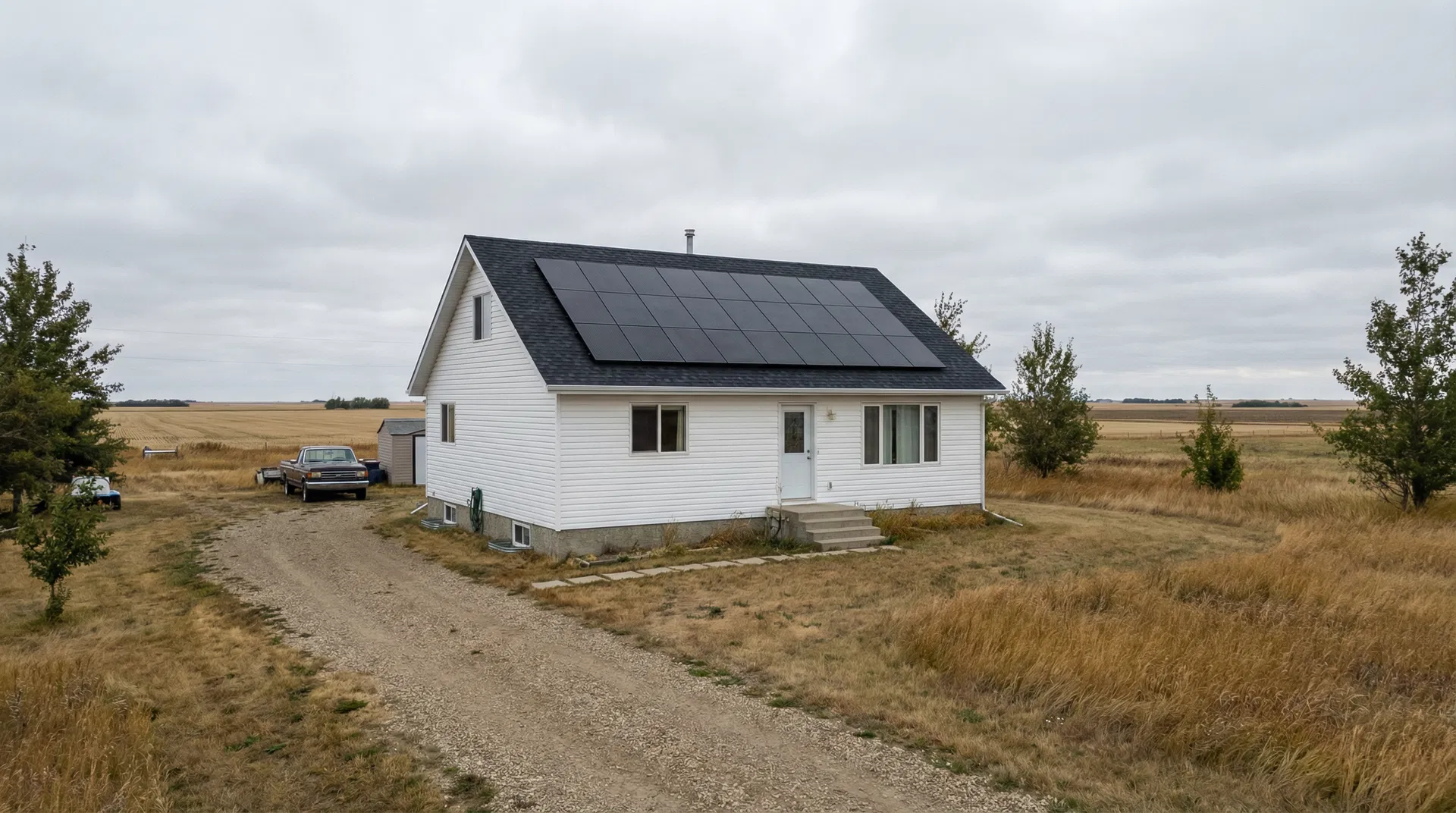
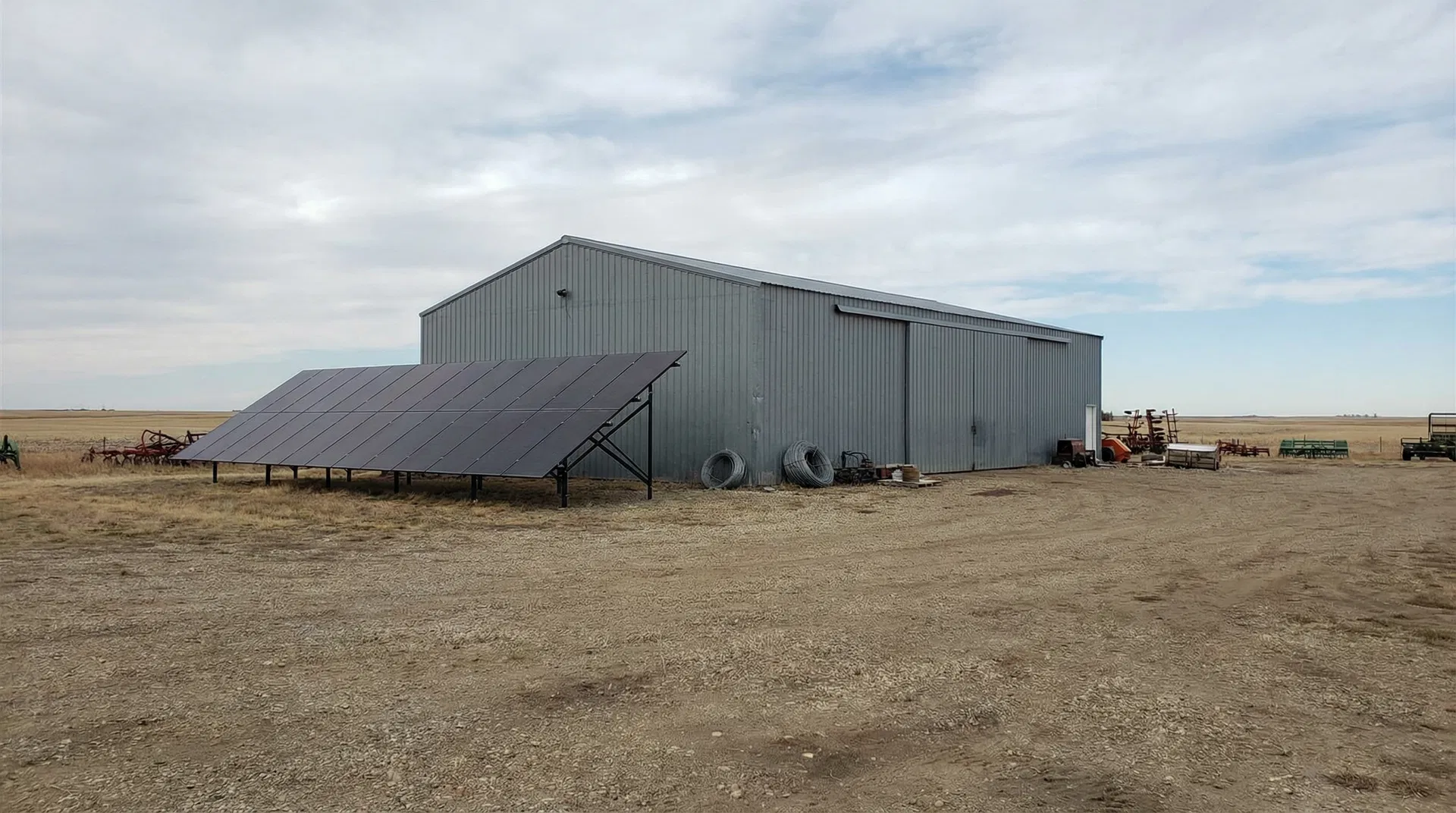
Off-grid systems in this area almost always end up bigger than a typical in-town rooftop system, because they're carrying more than one load. A property might need power for the main home, a heated shop, a well pump, and maybe a grain bin or outbuilding, all running off the same battery bank instead of a grid that can absorb whatever spikes come through. That's one reason off-grid systems here run in the 5 to 15 kW range instead of a flat number. Roof versus ground mount comes down to the property itself. A roof with good southern exposure and no shading from trees or outbuildings can carry the array just fine, but a lot of acreages have outbuildings, shelterbelts, or a roof pitch that doesn't line up well with the sun. When that's the case, or when there's open yard space to spare, a ground mount is often the better call, and it's usually easier to expand later if your loads grow. We don't size off-grid systems off a rule of thumb. If you have a current power bill, the 12-month usage graph on it tells us your actual seasonal load pattern, and if the property's never been grid-connected, we build the load profile directly from what you're running: lighting, appliances, a pump, shop tools. Either way, the system gets sized around real usage and a site visit, not a generic off-grid package.
Typical Load Profiles We Design For Near Crossfield
Home + Heated Shop
This is the most common setup we see on acreages in this area: a main residence plus a detached shop with heat, lighting, and power tools running off the same off-grid system. The shop's heater and any welding or compressor equipment tend to be the biggest draws, so we size the battery bank and inverter around whichever load profile your most recent power bill or usage walkthrough shows is heaviest.
Cabin or Seasonal Recreational Property
Cabins and seasonal properties here typically carry lighter, more occasional loads: lighting, a fridge, maybe a small pump, used on weekends or through part of the year rather than continuously. These systems can often run smaller because the battery bank isn't being asked to carry a full-time household load every single day, though we still design for the worst-case stretch of low use the property sees.
Livestock or Irrigation Operation
Properties running livestock waterers, irrigation pumps, or grain handling equipment need an off-grid system that can carry sustained, sometimes unpredictable draws rather than a steady household pattern. A well pump or auger motor pulling a hard starting load changes inverter sizing in a way a simple lighting circuit never would, so we design around the equipment's actual starting and running draw, not just its nameplate rating.
FortisAlberta and Off-Grid Systems in Crossfield
This property falls within FortisAlberta's wire service territory. A true off-grid system doesn't connect to that grid at all, which means there's no micro-generation interconnection application to file for the solar array itself since it's never exporting to or drawing from FortisAlberta's lines. Where this changes is on properties that keep an existing grid connection in place for backup or for parts of the property we aren't taking off-grid, like a main house staying connected while a shop or cabin runs independent. In that case, we handle the FortisAlberta paperwork for whatever stays grid-connected, and the off-grid portion is designed and permitted on its own track. We'll walk through which parts of your property, if any, keep a FortisAlberta connection during the design review, so the off-grid system and the grid-connected portion are both set up correctly from the start.
Project Economics and Design Review
| System Size | Annual Production | Year 1 Savings | Payback Period |
|---|---|---|---|
| 5-15 kW range, 8 kW typical |
Production, savings, and payback for your specific property can only be confirmed after a design review that looks at your site conditions and, where available, your most recent power bill.
How We Work in Crossfield
Bill and Load Review
We review your power bill to understand your energy use in Crossfield and size the system to your actual consumption, not a generic estimate.
Site Assessment
We assess your roof or ground area, south-facing exposure, electrical service, and utility interconnection requirements specific to your property.
Design and Utility Application
We produce a system layout, production estimate, and cost summary, then submit your micro-generation application to your utility on your behalf.
Installation and Commissioning
Our crew installs racking, panels, inverter, and electrical connections. All work is performed by licensed electricians. We commission and test before handoff.
Current Program and Interconnection Review
Utility connection review
FortisAlberta reviews grid connection applications for any portion of a property in this area that stays connected to the grid alongside an off-grid system. Range Road Solar prepares and submits that design package on your behalf. We don't make claims about approval timelines or how any remaining grid connection is credited, since that's set by FortisAlberta and current utility rules, not by us.
Current program review
Off-grid systems on residential, farm, and commercial properties in this area are reviewed against whatever program and eligibility rules are current at the time of design, since those rules shift. We check what applies to your specific property and project during the design review rather than assuming a blanket answer.
Frequently Asked Questions
Get a Solar Assessment for Crossfield
Submit a recent power bill and we will review your consumption and provide an honest assessment for your Crossfield property. No obligation.
(587) 330-7502 Book a CallMore Solar Services in Crossfield