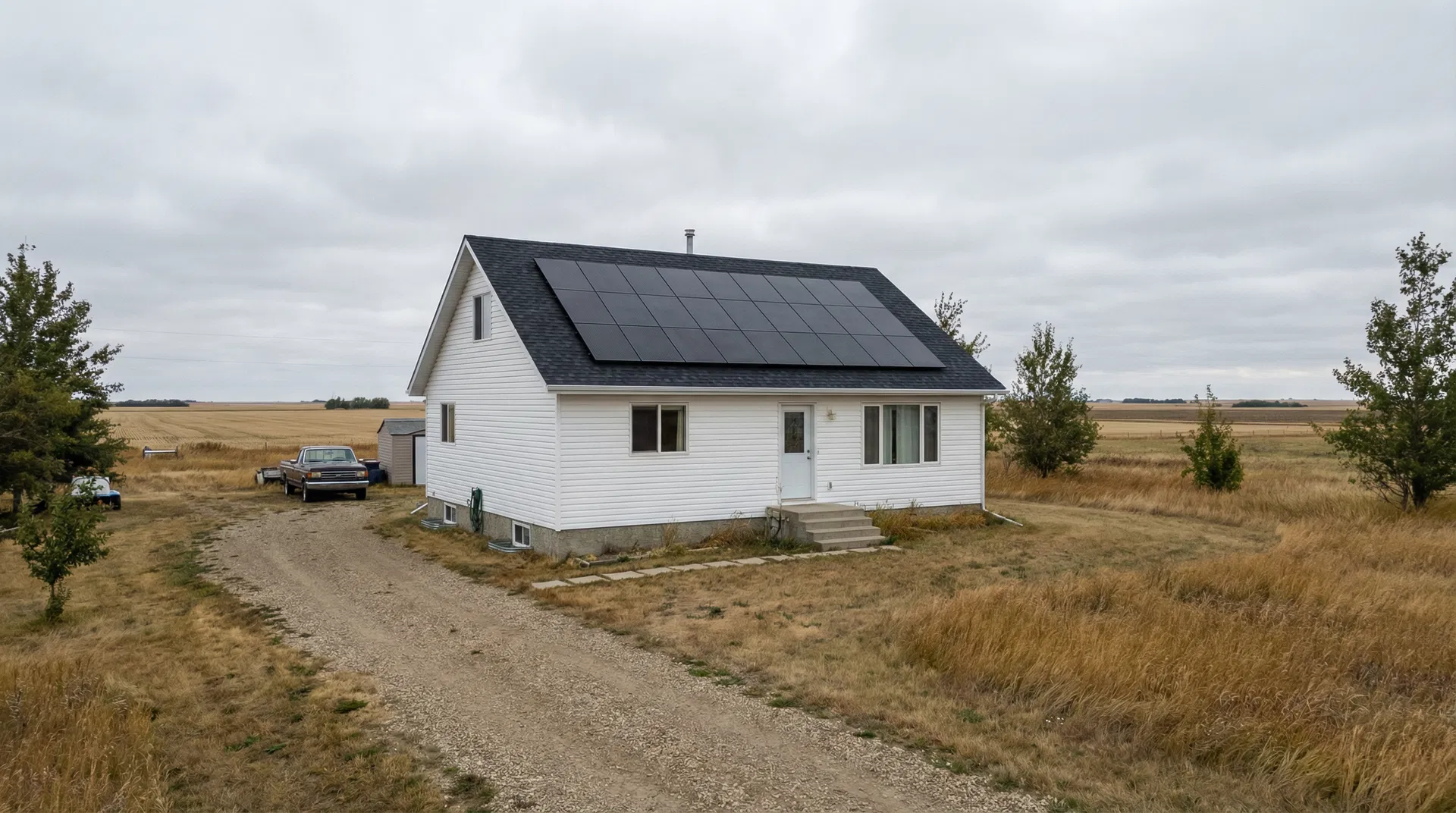
Solar cost in Crossfield, Alberta comes down to system size, equipment, and what your property needs to tie in. Most projects we design here land between 8 and 15 kW, with 10 kW as the typical starting point. A house with a light load sits near the bottom of that range, while a property with a shop, a well pump, and a few outbuildings usually sits higher. Your most recent power bill shows which pattern you're on through the 12-month usage graph, and that graph does most of the sizing work. Our default equipment is LONGi panels paired with APsystems microinverters. The LONGi modules suit the roof and ground-mount layouts we see across rural Alberta, and the APsystems microinverters manage each panel on its own. That means one shaded panel doesn't pull down the whole array. It matters on acreages where a tree line or a grain bin can throw a shadow across part of the array in the afternoon. Here's what goes into the cost. Panels and microinverters are one line. Racking is another, and a ground mount needs its own footings and trenching work. Electrical work to tie in and any panel or service upgrade get listed separately too. A flat number quoted before anyone sees the site is a guess, and we'd rather give you a real quote that shows each line so you can see where the money goes.
Solar Planning for Crossfield Properties
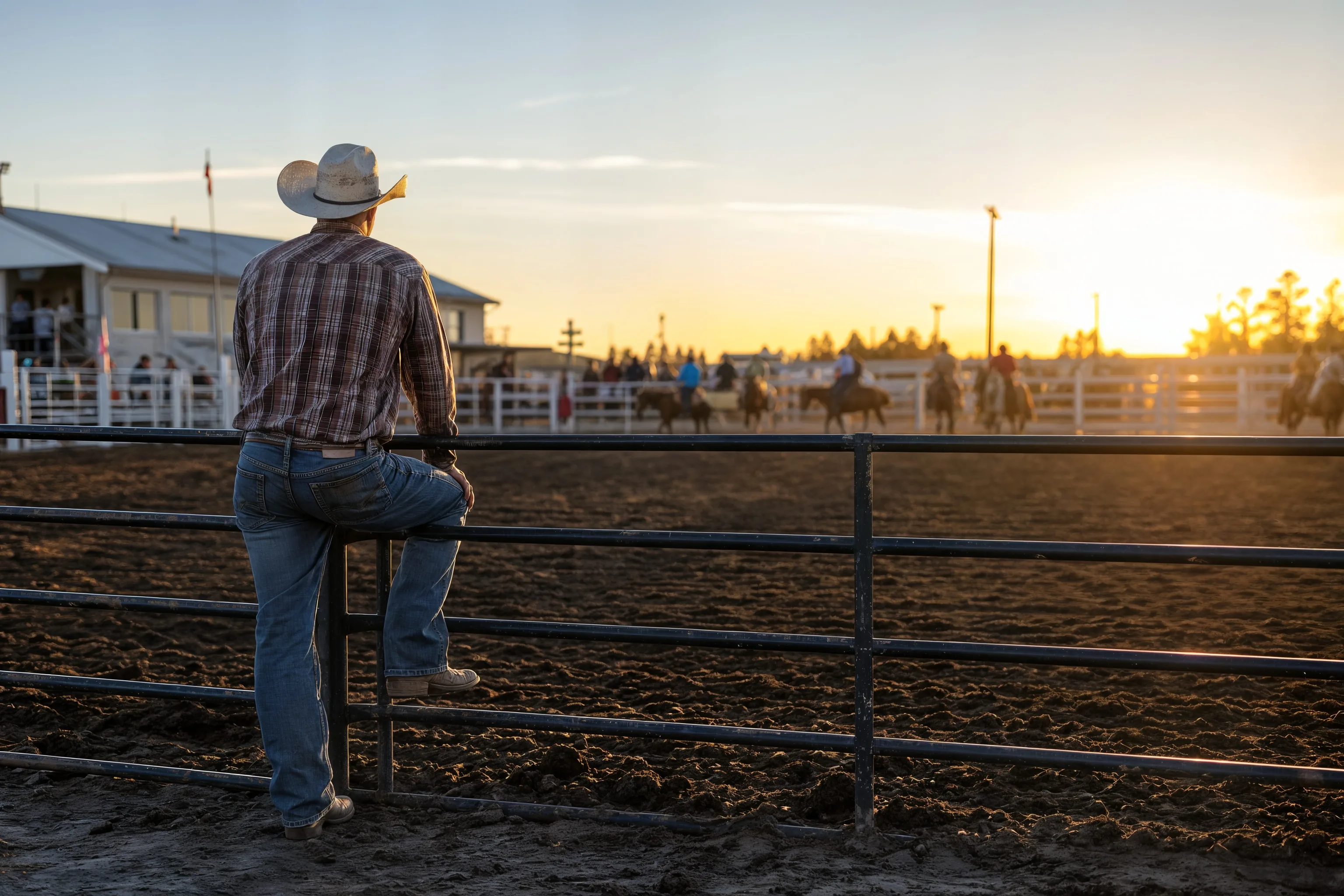
Solar planning in Crossfield starts with the wire. FortisAlberta is the wire service here, so your grid connection runs through FortisAlberta's review process, and that shapes how we plan from the first call. Before we lay out a single panel, we look at the service entrance, the meter base, and the path the power line takes to the house or shop. Pete Knight Days (Annual Rodeo) is the event most people in town know by name, and the Pete Knight Memorial Arena is a familiar landmark for the same crowd. Local anchors like the TAQA North Crossfield Gas Plant are part of the wider energy picture around here. Many rural properties pair a house with shops, sheds, and a yard that gets used for more than parking, and that layout changes the design more than anything else. We don't start with a generic sun estimate. We start with your property: which way the roof faces, whether a tree line or a neighbouring building throws shade in the afternoon, and how much open ground is available for a ground mount. Your most recent power bill fills in the rest, and you'll see exactly what went into the design.
Electrical Site Review for Crossfield Properties
Voltage Rise
Voltage rise is the increase in local line voltage that can happen when a solar system pushes power back onto the distribution line. How much it matters depends on the distribution conditions at your property, and the answer is specific to your site. When voltage rise is a concern, the inverter may clip output or limit how much capacity can safely be added, so we factor it into the system size from the start.
Single-Phase vs Three-Phase
Rural properties may have single-phase or three-phase service, and the difference affects which inverter setup and system capacity make sense. Many homes run single-phase, while larger shops and farm buildings are more likely to have three-phase. We confirm the service type before we select equipment so the inverter configuration matches what the property actually has.
Panel Infrastructure
Older electrical panels on rural properties were often sized for a much lighter load than a solar system adds. We check the panel's age, its breaker capacity, and how many open spaces it has before we design around it. If the panel can't support the system, the upgrade is typically a replacement panel with more breaker capacity, and we list it as a separate line on your quote.
Service Entrance Review
We review the service entrance and meter base as part of the site visit. Their condition matters because FortisAlberta reviews the connection as part of the micro-generation application. If the meter base or entrance needs an upgrade, we'll show you what that involves and where it fits in the project before the application goes in.
Right-Sizing Solar for Rural Properties
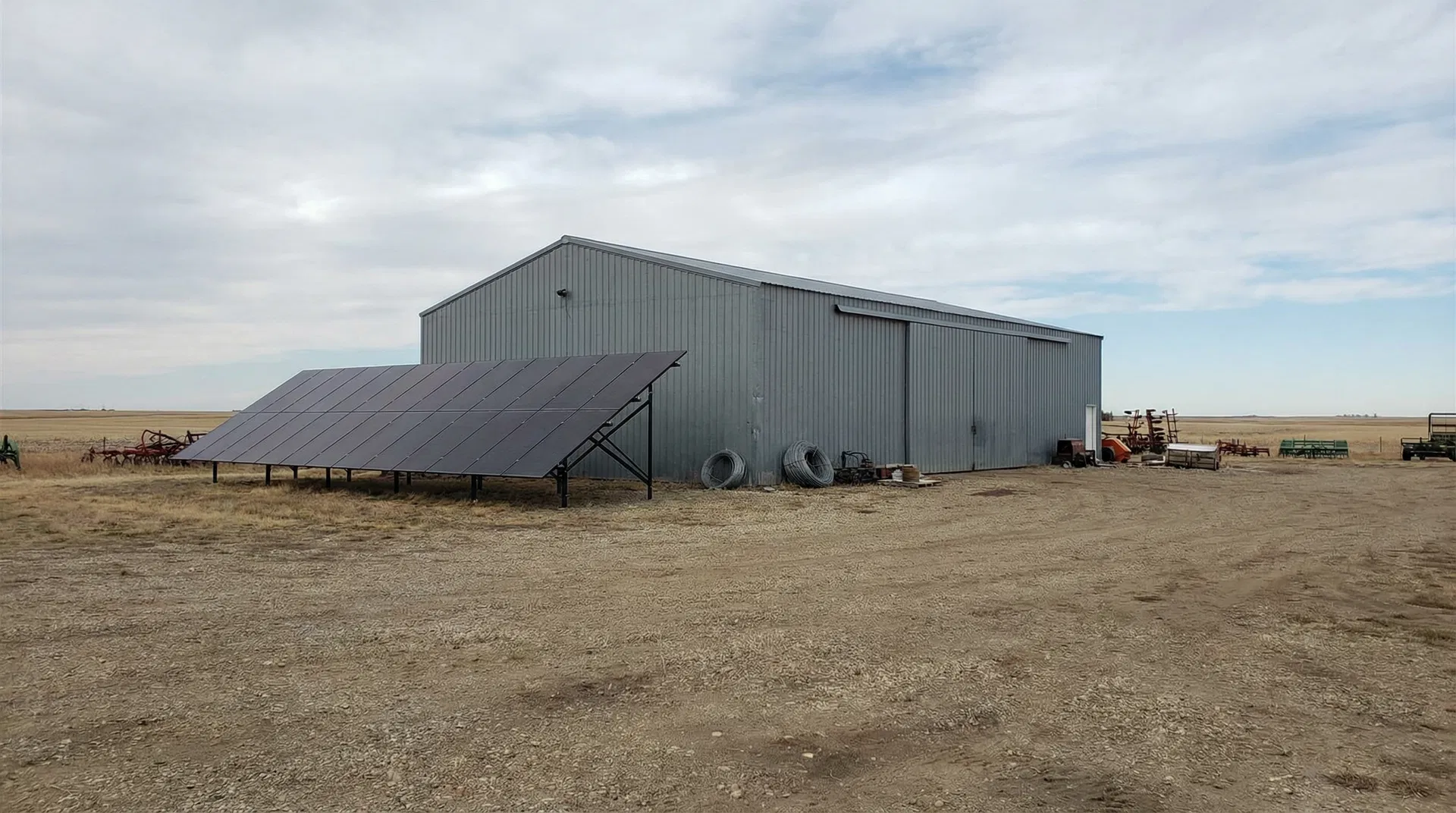
Rural systems tend to be bigger than urban ones because the property carries more loads. A house might run the kitchen and a heat pump, while the shop runs a welder, a compressor, and lights that stay on late. Add a well pump, irrigation, or a grain dryer, and the daily load can look nothing like a city lot. We size for all of it, not just the house. Roof or ground mount is the first real decision. A roof works well when the pitch and orientation are sound, the roof is in good shape, and nothing blocks the afternoon sun. A ground mount makes more sense when trees or buildings shade the roof, the pitch is poor, or the yard has open land to spare. On acreages and farms, the yard often answers the question before we run any numbers. Sizing comes from your usage, not a rule of thumb. We read the 12-month usage graph on your most recent power bill to see how the load moves across the seasons, then match the system to that pattern. A property with heavy summer irrigation looks different from one with heavy winter shop heat, and the graph shows which is which. The site design then confirms what the roof or yard can physically hold, so the final size reflects both the load and the space. That's why we don't hand out a size before we've seen both. Your most recent power bill and the site design work together, and we'll walk through both with you before anything is locked in.
Typical Load Profiles We Design For Near Crossfield
Home + Heated Shop
This pairing puts two loads on one meter: the house running around the clock and a shop that draws hard during work hours. A 40 by 60 foot shop with a 240 volt welder and a compressor can change the daily curve a lot. Your most recent power bill shows that curve, and the site design decides how many panels the roof or yard can hold.
Acreage with Well and Irrigation
A 5 hp well pump and a yard light running alongside the house create a steady base load through the day. Irrigation adds a seasonal peak of 25 hp or more that the usage graph makes obvious. We'd rather read that peak off your bill than guess at it, and the site design confirms whether the yard has room for a ground mount to match it.
Farm Yard with Grain Dryer
A grain dryer and auger running through harvest create a seasonal load that looks nothing like a typical house. These buildings often sit on three-phase service, so inverter selection follows the service type we confirm on site. The usage graph on your most recent power bill shows when the peak arrives, and that tells us how the system should be sized around it.
FortisAlberta Interconnection for Rural Properties
FortisAlberta is the wire service for Crossfield, so every grid-connected solar system here goes through FortisAlberta's micro-generation application. You don't need to learn that paperwork on your own. Range Road Solar handles the application package, including the equipment details and site information the application requires. We prepare it from your site design and the details on your most recent power bill, then submit it on your behalf. Your part is simple. Send us your most recent power bill so we can match the account and meter details to the design, and walk us through what the property looks like. We check the meter base and service entrance during the site review, because those are part of what the application depends on. If the application needs a change to the design, we'll tell you what changed and why before anything moves forward. You won't be left guessing about where your project stands.
Project Economics and Design Review
| System Size | Annual Production | Year 1 Savings | Payback Period |
|---|---|---|---|
| 8-15 kW range, 10 kW typical |
Production, savings, and payback require a property-specific design and your most recent power bill, so we don't publish one number for every property.
How We Work in Crossfield
Bill and Load Review
We review your power bill to understand your energy use in Crossfield and size the system to your actual consumption, not a generic estimate.
Site Assessment
We assess your roof or ground area, south-facing exposure, electrical service, and utility interconnection requirements specific to your property.
Design and Utility Application
We produce a system layout, production estimate, and cost summary, then submit your micro-generation application to your utility on your behalf.
Installation and Commissioning
Our crew installs racking, panels, inverter, and electrical connections. All work is performed by licensed electricians. We commission and test before handoff.
Current Program and Interconnection Review
Utility connection review
FortisAlberta, the wire service here, reviews grid connection applications for solar systems. Range Road Solar prepares the design package and submits it on your behalf, so you aren't chasing utility forms yourself. The review covers the equipment, the site, and the connection details in the application.
Current program review
Commercial, farm, and residential eligibility is checked against current rules at design time. We don't assume a project qualifies because a neighbour's did. The check happens during your design review, using the details from your site and your most recent power bill.
Frequently Asked Questions
Get a Solar Assessment for Crossfield
Submit a recent power bill and we will review your consumption and provide an honest assessment for your Crossfield property. No obligation.
(587) 330-7502 Book a CallRelated Resources
More Solar Services in Crossfield