Solar battery storage in Crossfield, Alberta starts with the loads you need to keep running, not with a panel count. The system is a solar array, a battery, and the inverter equipment that ties them together. We default to LONGi panels and APsystems microinverters, and the microinverter layout means each panel feeds its own output, so one shaded panel doesn't drag down the rest of the array. On an acreage home, the backup list usually comes down to the basics: the fridge and freezer, the furnace fan, lights, internet, and the well pump. Some people want the shop's welder or compressor included, and that's a bigger battery and a bigger conversation. We'd rather work through that list with you on paper than guess at it from the driveway. Battery capacity follows the loads you choose, not a catalog default. A farmstead with a grain bin fan or livestock waterer has motors that draw a surge when they start, which can be several times the running load. That surge is why the design checks the largest motor on the property before it picks an inverter. Ground mounts suit acreages where roof space is limited, where trees or outbuildings cast shade, or where the roof pitch doesn't suit the array. Roof mounts make sense when the pitch and direction are good and nothing blocks the sun. We won't push one over the other without a reason. The battery location matters too. It needs a dry, accessible spot close enough to the main panel that the connections stay practical, and we check that during the site review. Equipment and capacity get confirmed during the property-specific design, and that's where the production and payback picture comes from. Range Road Solar builds the design around your site, your most recent power bill, and the backup loads you pick, so the battery on the quote matches the job you asked it to do.
Solar Planning for Crossfield Properties
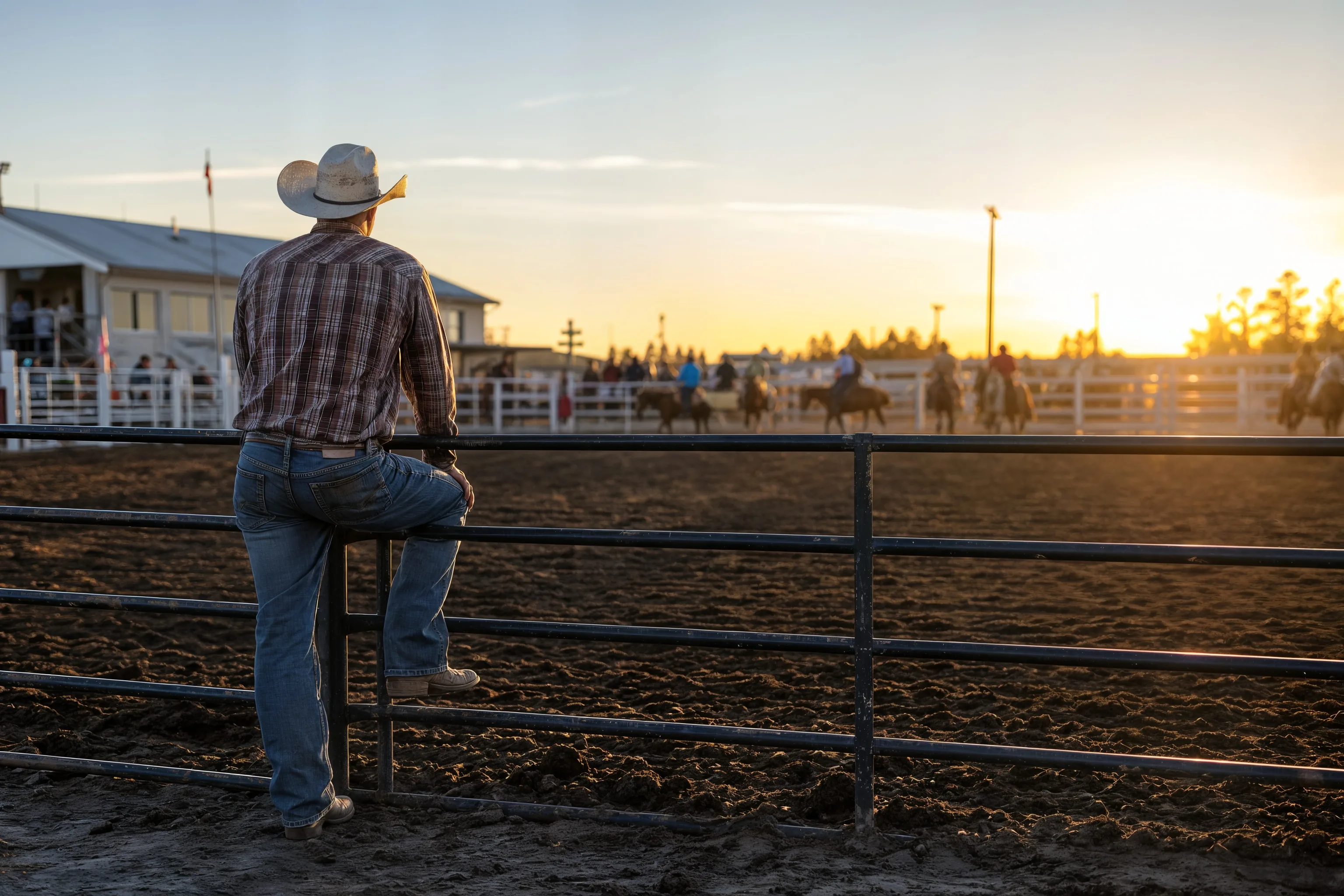
The most recent census counted 3,599 residents, and many of them live on acreages, farms, and larger lots where the house is only one part of the power picture. Rural properties usually carry several loads at once: the house, a heated shop, a well pump, maybe a livestock waterer or a grain dryer. A battery changes the planning conversation because it decides which of those loads keep running when the grid goes down. That's a site-specific decision, and it starts before anyone quotes a system. Pete Knight Days (Annual Rodeo) and the Pete Knight Memorial Arena are part of the local calendar, and they're a reminder that a lot of people here run their land as working places. We plan solar the same way. We look at where panels get clear exposure without shade from nearby buildings or trees, where the inverter and battery can mount safely, and whether the existing service entrance can carry the added equipment. FortisAlberta is the wire service here, so every grid connection runs through them. We handle the design package and the application details. You handle one document: your most recent power bill. That bill shows how your load moves across the year, and the site review shows what the battery should cover. We don't guess at either.
Electrical Site Review for Local Properties
Voltage Rise
Voltage rise happens when the distribution line pushes the voltage at your meter higher, and solar output can add to that effect on the line. When voltage climbs toward the inverter's limit, the inverter clips or curtails output, which means energy the array could have produced never reaches your panel. That's why we check line conditions and the inverter's voltage settings before we size the array, not after.
Single-Phase vs Three-Phase
Rural properties can run on single-phase or three-phase service, and the difference shapes which inverter and battery make sense. A single-phase service limits how much AC capacity you can connect, so the inverter selection has to fit that supply. Three-phase service opens up larger inverter options and handles bigger motor loads, such as a large shop compressor or a grain auger.
Panel Infrastructure
Older electrical panels are common on rural properties, and a panel that worked fine for the house may not have room for solar and a battery. We look at the panel's rated amperage, the number of open breaker slots, the age and condition of the breakers, and the bus. If the panel can't support the system, the upgrade usually means a larger panel with new breakers and a documented load calculation.
Service Entrance Review
We review the service entrance and meter base as part of the site visit, because both are part of the connection the micro-generation application describes to FortisAlberta. We check the meter base condition, the service conductors, and the grounding for signs of wear or damage. If the meter base or service entrance needs an upgrade, we flag it before the application goes in and explain what the work involves.
Right-Sizing Solar for Rural Properties
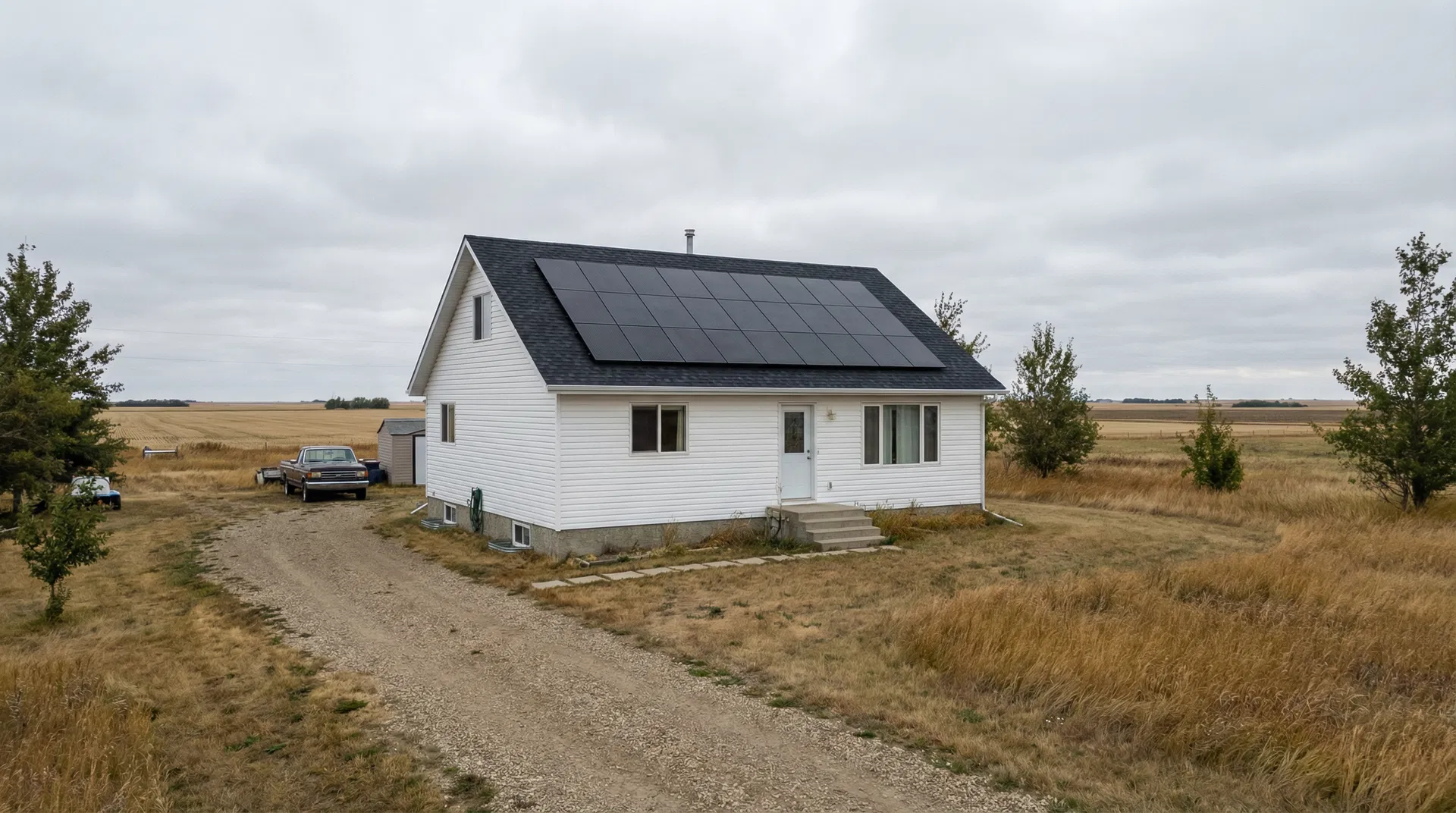
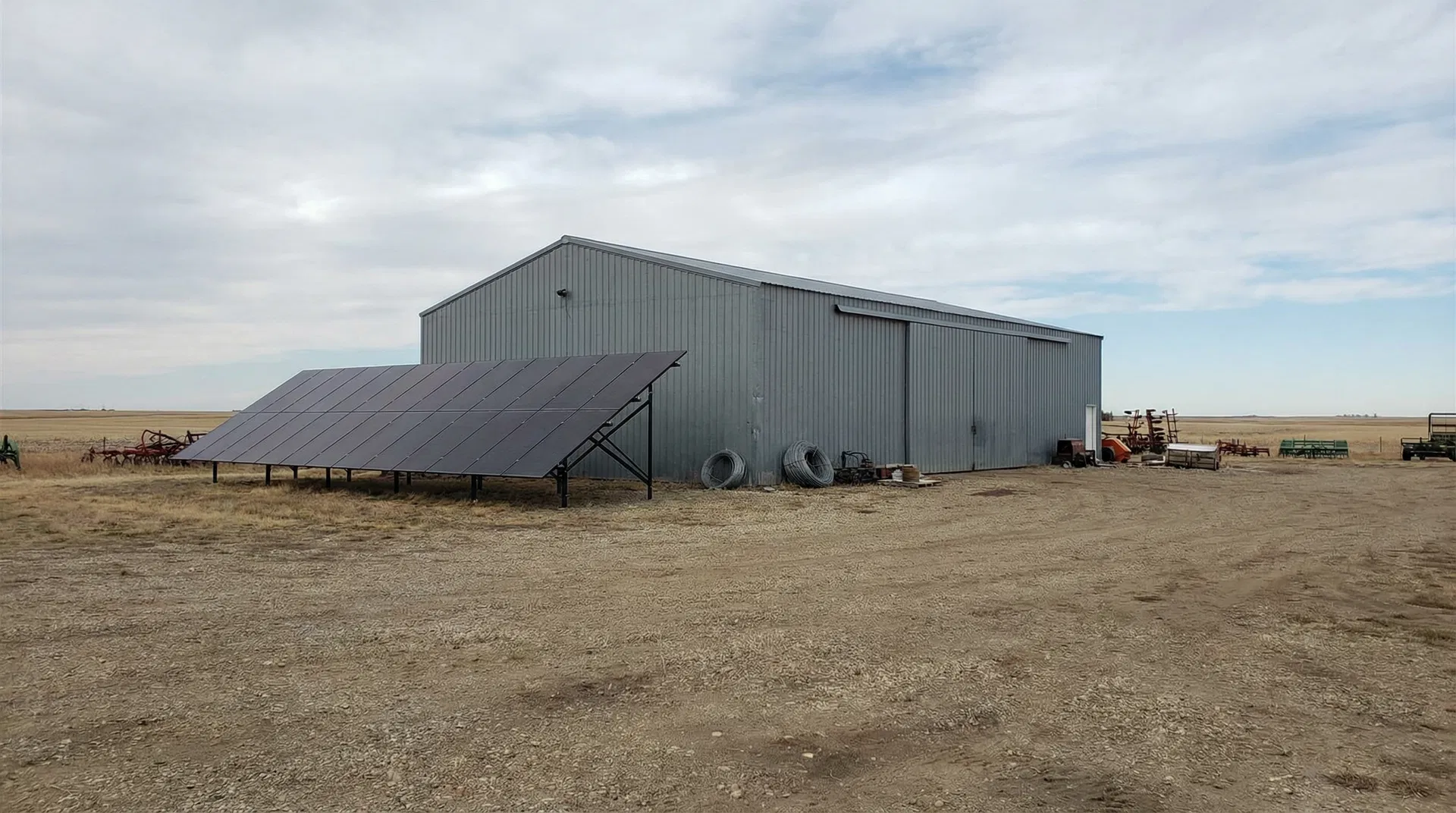
Rural systems are usually bigger than urban ones because the load is rarely just the house. A typical acreage runs the home, a heated shop, a well pump, outbuilding lights, and sometimes an irrigation or grain handling motor, and each one adds to the daily total. Those loads also run at different times, so the design has to cover both the daily total and the peak draw. The first real decision is roof or ground mount. A roof works when the pitch and direction are good and nothing shades it from trees or buildings. A ground mount makes more sense when those trees or outbuildings block the roof, when the roof pitch is poor, or when you have open yard space to set the array at a better angle. We look at both before we recommend one, and we won't push a ground mount just because the yard is big. Sizing comes from the 12-month usage graph on your most recent power bill, not a rule-of-thumb number. That graph shows how your load moves through the year, so a property with a heated shop usually looks very different from a house that's only used for living. Your most recent power bill and the site design together tell us where the system should land within the 8-12 kW range, and we'll show you the reasoning, not just a size.
Typical Load Profiles We Design For Near Crossfield
Home + Heated Shop
A house and a heated shop often share one service, but they peak at different times. The house carries the fridge, freezers, and furnace fan through the day, while a shop heater, compressor, and welder add a second, heavier load when work is on. A 10 kW system is a common typical size for this profile, and the usage graph on your most recent power bill shows which months the shop drives the peak.
Acreage Home With Well and Outbuildings
A well pump, a pressure tank, and a few outbuilding circuits create a steady base load that carries into the evening and overnight. An 8 kW system is a common starting point for a property like this, with the backup scope set around the pump and house essentials. The design confirms the final size and tells you which loads go on backup.
Farmstead With Grain and Livestock Loads
Grain dryers, bin fans, and livestock waterers pull power in bursts, and motors can draw several times their running current when they start. We check the largest motor, its duty cycle, and whether the property has three-phase service before we pick an inverter. A 12 kW system is worth looking at when that load is real, and the design confirms whether the battery should cover the motors or only the house.
FortisAlberta Interconnection in Crossfield
Our wire service here is FortisAlberta, so every battery system that connects to the grid goes through a FortisAlberta micro-generation application. We handle the application package from start to finish. That means the equipment specifications for the panels, microinverters, and battery, the single-line design, and the site details the application asks for. You don't need to learn their forms or chase missing pieces. The equipment list comes from your design, not from a template, because the battery and inverter have to be described accurately on the application. We check the service entrance and meter base before we submit, so a gap on the electrical side doesn't surface after the paperwork is already in. We won't quote an approval timeline for you, because the outcome of the application isn't ours to promise. What we can control is the design package, and we make it complete the first time. If something needs changing, we'll tell you what it is and what it involves before we go ahead.
Project Economics and Design Review
| System Size | Annual Production | Year 1 Savings | Payback Period |
|---|---|---|---|
| 8-12 kW range, 10 kW typical |
Production, savings, and payback require a property-specific design and your most recent power bill.
How We Work in Crossfield
Bill and Load Review
We review your power bill to understand your energy use in Crossfield and size the system to your actual consumption, not a generic estimate.
Site Assessment
We assess your roof or ground area, south-facing exposure, electrical service, and utility interconnection requirements specific to your property.
Design and Utility Application
We produce a system layout, production estimate, and cost summary, then submit your micro-generation application to your utility on your behalf.
Installation and Commissioning
Our crew installs racking, panels, inverter, and electrical connections. All work is performed by licensed electricians. We commission and test before handoff.
Current Program and Interconnection Review
Utility connection review
FortisAlberta reviews grid connection applications for this area, and that review applies to any battery system that connects to the grid. Range Road Solar prepares the design package that goes with the application, so you don't have to assemble the technical pieces yourself. We'll walk you through what the utility is reviewing before anything is submitted.
Current program review
Commercial, farm, and residential eligibility is checked against current rules at design time. We don't assume a program applies because it did in the past, and we only talk about one after it's confirmed for your property.
Frequently Asked Questions
Get a Solar Assessment for Crossfield
Submit a recent power bill and we will review your consumption and provide an honest assessment for your Crossfield property. No obligation.
(587) 330-7502 Book a CallRelated Resources
More Solar Services in Crossfield