Mountain View County · Solar installers
Solar Installers in Cremona, AB
Range Road Solar installs LONGi panels and APsystems microinverters on rural properties near Cremona, handling everything from system design through FortisAlberta interconnection.
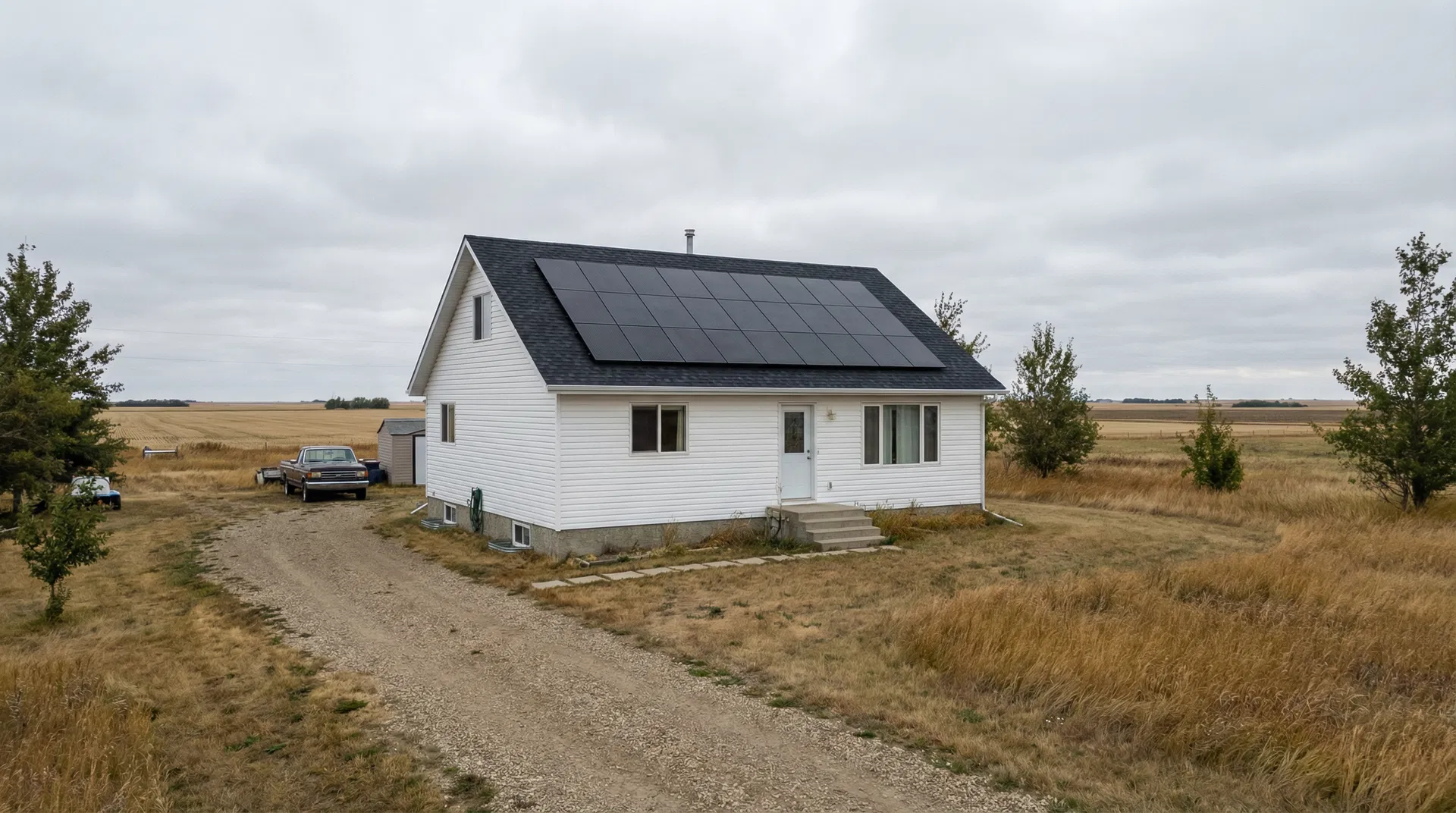
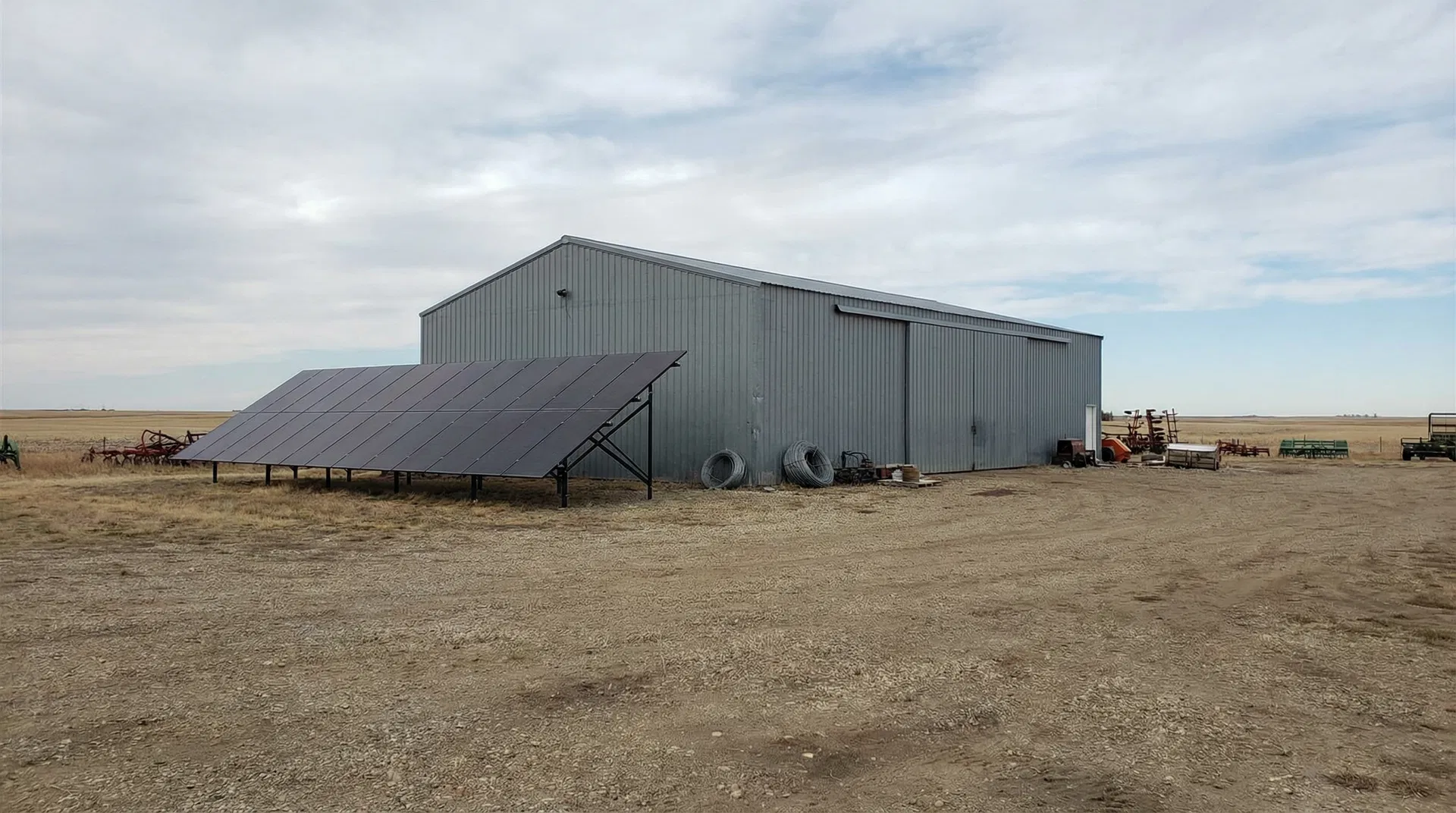
When people search solar Cremona, they're usually looking for someone who actually understands rural electrical setups, not a company that treats every install like a suburban rooftop job. That's the distinction we work to maintain. We install LONGi panels because they hold up well across a range of conditions and carry a warranty that means something over a 25-year system life. We pair them with APsystems microinverters, which operate at the panel level rather than through a single string inverter. That matters on rural properties where partial shading from a tree line, a shop roofline, or seasonal shadow patterns can affect output on certain parts of an array. Microinverters mean one shaded panel doesn't drag down the rest. For Cremona area properties, we typically work with systems in the 8 to 15 kW range, with 10 kW being a common starting point for a home plus shop combination. Larger loads, like grain handling equipment or a heated commercial shop, push that figure higher. Smaller residential-only setups may land closer to the low end of the range. Every recommendation comes from a site-specific design, not a package pulled off a shelf. We handle roof mounts and ground mounts. Ground mounts are often the better call on acreages where the house roof isn't ideally oriented or where there's open yard space that gets cleaner exposure than the roofline. We'll walk through both options and explain the trade-offs before anything gets confirmed.
Solar Planning for Cremona Properties
Properties near Cremona tend to carry real electrical loads. A house, a heated shop, outbuildings, and any livestock or irrigation equipment all pull from the same meter. That combination pushes monthly consumption well past what a typical suburban home uses, which means there's genuine offset potential on the generation side. The question isn't whether solar works out here. It's whether the system is sized and sited correctly for what your property actually consumes. FortisAlberta serves this area, so your interconnection application goes through their micro-generation process. Range Road Solar handles that paperwork. We're not a call centre that hands you off to a subcontractor. We design, supply, install, and submit the interconnection package ourselves. We don't rely on rule-of-thumb sizing. Your most recent power bill includes a 12-month usage graph, and that's what we use to model your system. Roof pitch, orientation, shading from trees or nearby buildings, and whether a ground mount makes more sense than a roof mount all get reviewed before we recommend anything. If the numbers don't work for your property, we'll tell you that too.
Electrical Site Review for Cremona Properties
Voltage Rise
Voltage rise occurs when a solar system exports power and that export pushes line voltage above the utility's allowable threshold. On rural distribution lines, which can be long and lightly loaded, voltage rise can be a limiting factor in how much a system can safely export. If voltage rise constraints apply to your property, they affect inverter clipping settings and can influence how we size the array relative to your inverter capacity.
Single-Phase vs Three-Phase
Rural properties in Alberta can be served by either single-phase or three-phase power depending on the service installed at the site. Three-phase service is common where heavier equipment loads were anticipated at the time of installation. The phase configuration affects which inverter models are compatible and sets practical limits on how large a system can be configured, so we confirm service type as part of the site review.
Panel Infrastructure
Older electrical panels on rural properties don't always have the breaker capacity or the available slots to support a solar addition without upgrades. We assess the panel age, main breaker rating, and available capacity as part of the site review. If the existing panel can't support the system, we scope the upgrade alongside the solar installation so there are no surprises once the project is underway.
Service Entrance Review
The service entrance and meter base are reviewed because FortisAlberta requires them to be in acceptable condition before approving a micro-generation interconnection application. An older or non-compliant meter base can hold up the application even if the solar system design itself is complete. If an upgrade is required, we identify it early so it can be addressed before submission rather than after.
Right-Sizing Solar for Cremona Properties
Rural properties carry more load than a standard suburban house, and that changes how we approach sizing. Out here, it's common to have a residence, a heated shop, a garage, and sometimes irrigation or grain handling equipment all running through the same account. Stack those loads together and you're looking at consumption levels that make a larger system worth examining closely. That's why the 8 to 15 kW range we work in reflects real rural usage, not a suburban estimate stretched to fit. The first thing we look at is your most recent power bill. It includes a 12-month usage graph that shows how your consumption moves through the seasons. That graph tells us far more than a single month's bill or a rough estimate based on square footage. We size from actual usage, not assumptions. Roof versus ground mount is a real decision on acreage layouts. A lot of rural properties have rooflines that face the wrong direction, are partially shaded by trees or adjacent buildings, or simply don't have enough unobstructed area to fit the system the property needs. In those cases, a ground mount in an open area of the yard often gives us better orientation, cleaner exposure, and more flexibility with array size. We'll walk both options with you and explain which one makes more sense for your specific layout before we recommend anything.
Typical Load Profiles We Design For Near Cremona
Home Plus Heated Shop
This is the most common combination we see on acreages near Cremona: a house with standard residential loads plus a heated shop running electric in-floor heat or forced air. The shop's heating load is often the dominant draw in winter months. We pull the 12-month usage graph from the power bill to see how that seasonal heating pattern affects annual consumption, then size the array to offset as much of the full-year load as the site allows.
Residence with Well Pump and Outbuildings
Properties with a well pump, barn, or multiple outbuildings add a layer of baseline load that runs year-round regardless of season. A well pump cycling daily and lights or heat in secondary buildings add up across 12 months. We model these loads from the usage history on the power bill and factor in whether all loads run through a single meter or are split across separate accounts.
Acreage with Electric Vehicle Charging
Adding a Level 2 EV charger to a rural property can push monthly consumption up by a meaningful amount depending on how many vehicles are charging and how regularly they're used. We treat EV charging as an additional load category in the sizing model rather than assuming it fits within existing headroom. If EV charging is part of the plan, it gets factored into the system size from the start, not added on as an afterthought.
FortisAlberta Interconnection in Cremona
FortisAlberta is the wire service for Cremona and the surrounding area. Any solar system installed here goes through FortisAlberta's micro-generation interconnection process before it can export power to the grid. That process involves a formal application, a design package that meets FortisAlberta's technical requirements, and approval before commissioning. Range Road Solar prepares and submits that package on your behalf. You don't need to navigate the utility's requirements yourself. The design package we submit includes system specifications, single-line diagrams, equipment data sheets for the LONGi panels and APsystems microinverters, and site-specific details that FortisAlberta requires to review the application. Getting this right the first time matters. Incomplete or non-compliant submissions slow things down, so we follow FortisAlberta's current requirements closely. If your meter base or service entrance needs attention before the application can proceed, we'll flag that during the site review. We don't want surprises partway through a project, and neither do you.
Project Economics and Design Review
| System Size | Annual Production | Year 1 Savings | Payback Period |
|---|---|---|---|
| 8-15 kW range, 10 kW typical |
Production, savings, and payback figures require a property-specific design and the 12-month usage graph from your most recent power bill.
How We Work in Cremona
Bill and Load Review
We review your power bill to understand your energy use in Cremona and size the system to your actual consumption — not a generic estimate.
Site Assessment
We assess your roof or ground area, south-facing exposure, electrical service, and utility interconnection requirements specific to your property.
Design and Utility Application
We produce a system layout, production estimate, and cost summary, then submit your micro-generation application to your utility on your behalf.
Installation and Commissioning
Our crew installs racking, panels, inverter, and electrical connections. All work is performed by licensed electricians. We commission and test before handoff.
Current Program and Interconnection Review
Utility connection review
FortisAlberta reviews micro-generation interconnection applications for grid-tied solar systems installed in their service territory. Range Road Solar prepares the full design package that FortisAlberta requires and submits it on your behalf. We follow their current technical standards so the application is complete and accurate when it goes in.
Current program review
Eligibility for commercial, farm, and residential programs is reviewed against the rules that are current at the time of your design. Program availability and eligibility criteria change, and we confirm what applies to your specific installation at design time rather than making blanket claims.
Frequently Asked Questions
Get a Solar Assessment for Cremona
Submit a recent power bill and we will review your consumption and provide an honest assessment for your Cremona property. No obligation.
(587) 330-7502 Book a CallRelated Resources