When someone searches solar battery storage Chestermere Alberta, they're usually asking one of two things: can I keep the lights on when the grid goes down, or can I use more of what my panels produce instead of sending it back to the utility? Both are legitimate goals. The system design is different for each. For backup power, we design around critical loads. That means identifying what you need to run during an outage, whether that's a furnace, a well pump, a chest freezer, or a home office setup, and sizing the storage bank accordingly. We don't spec a battery for the whole house if that's not what the budget or the roof supports. We spec it for what matters. For self-consumption, the goal is shifting energy. Panels produce during the day. Storage holds that production and releases it in the evening when the grid would otherwise supply your load. A hybrid inverter manages that shift automatically. On the solar side, we use LONGi panels. They're reliable, well-warranted, and widely available for warranty service in Alberta. On the inverter side, we use hybrid inverters designed to work with battery storage from the start, not retrofit solutions bolted onto a system that wasn't designed for storage. APsystems microinverters come into play on grid-tied systems without storage. For battery-backed systems, the hybrid inverter architecture is what makes storage work properly. System sizes for Chestermere properties typically run 8 to 20 kW on the solar side, with 12 kW being a common design point. Storage capacity is sized separately based on your backup load list and usage profile. We work that out during the design review, not before.
Solar Planning for Chestermere Properties
Chestermere sits on FortisAlberta distribution, and that detail matters more than people expect when you're adding battery storage to a solar system. The wire service determines how your micro-generation application gets filed, what equipment has to be specified in the design package, and what rules govern how excess generation interacts with the grid. We know FortisAlberta's process and we handle that application on your behalf. Properties here vary a lot. Some are newer builds on standard residential lots. Others are larger parcels with shops, outbuildings, or multiple service points. The mix of loads changes how we size both the solar array and the storage bank. A home with a heated shop and a chest freezer running through a cold snap needs a different storage design than a single-family home with a standard panel. Battery storage adds a layer of complexity that a simple grid-tied solar quote won't address. You need a hybrid inverter, not a standard string inverter. You need a storage bank sized to the loads you actually want backed up, not a generic number. We don't quote battery storage without reviewing your most recent power bill and the specific loads you're asking the system to carry. That's where an honest design starts.
Electrical Site Review for Chestermere Properties
Voltage Rise
Voltage rise happens when a solar system pushes energy back onto the distribution line and raises the local line voltage above acceptable limits. On FortisAlberta distribution, the conditions of a particular feeder can affect how much voltage rise headroom a property has, which in turn affects how large a solar array can be approved without triggering inverter clipping. We assess voltage rise during system design so the array size we propose is one that can actually be interconnected and run at full output.
Single-Phase vs Three-Phase
Most residential properties in Alberta are served by single-phase power, but some larger acreages and properties with significant shop loads have three-phase service. The phase configuration affects which inverter models are compatible and how system capacity is allocated across the service. We confirm your service type early in the design process because it directly shapes inverter selection and the maximum system size we can specify.
Panel Infrastructure
Older electrical panels don't always have the breaker capacity or the physical space to support a solar and storage system without upgrades. We assess the age of the panel, the available breaker slots, and the current load before specifying system size. If the panel can't support the system safely, we'll include a panel upgrade in the project scope rather than design around a limitation that creates a code or safety issue.
Service Entrance Review
The meter base and service entrance are reviewed as part of every FortisAlberta micro-generation application. The meter base condition matters because FortisAlberta may require a meter base upgrade before they'll approve the connection, and discovering that late in the project creates delays and unexpected costs. We check the service entrance during the site assessment so any required upgrades are scoped and budgeted upfront.
Right-Sizing Solar for Chestermere Properties
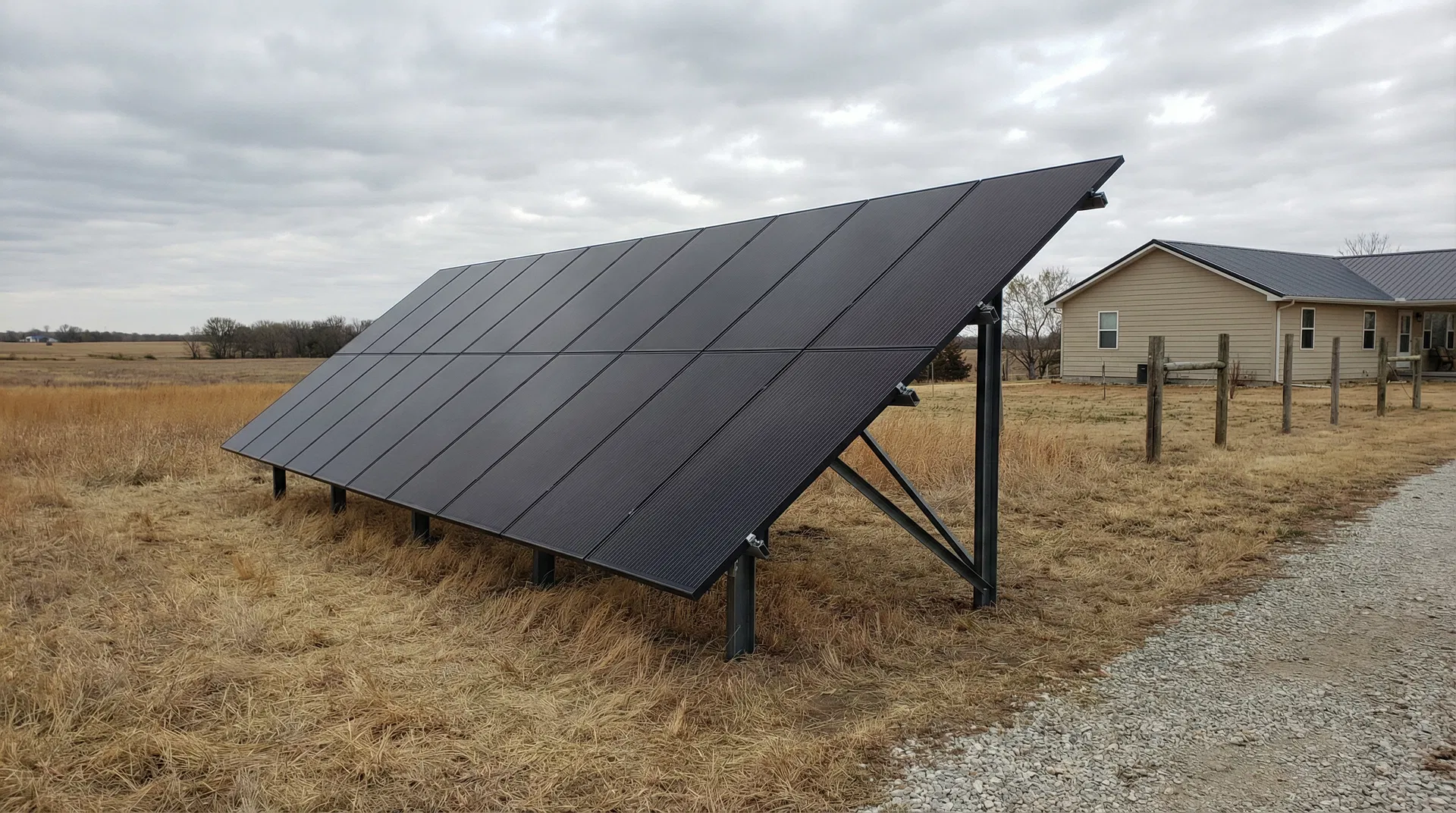
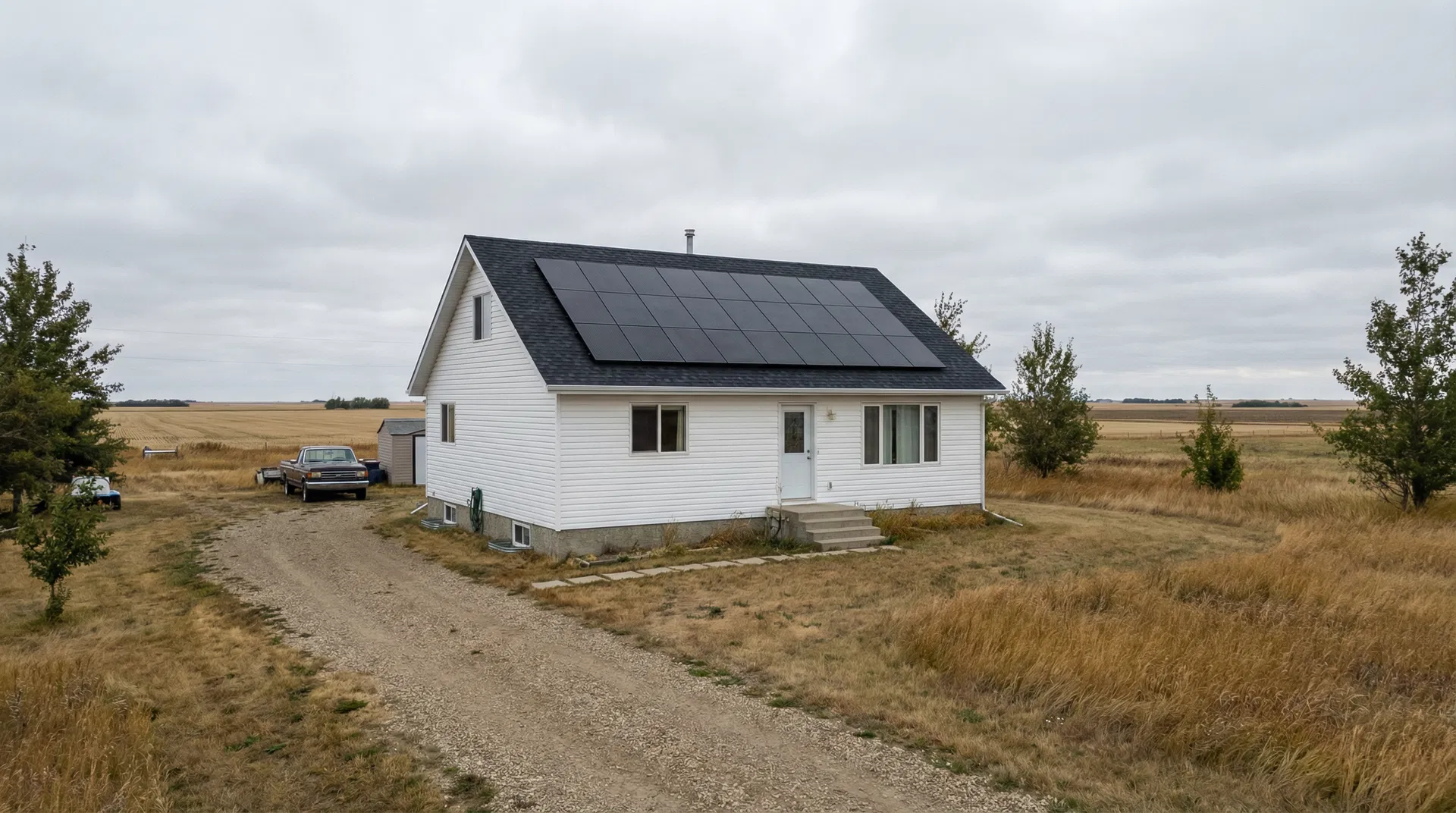
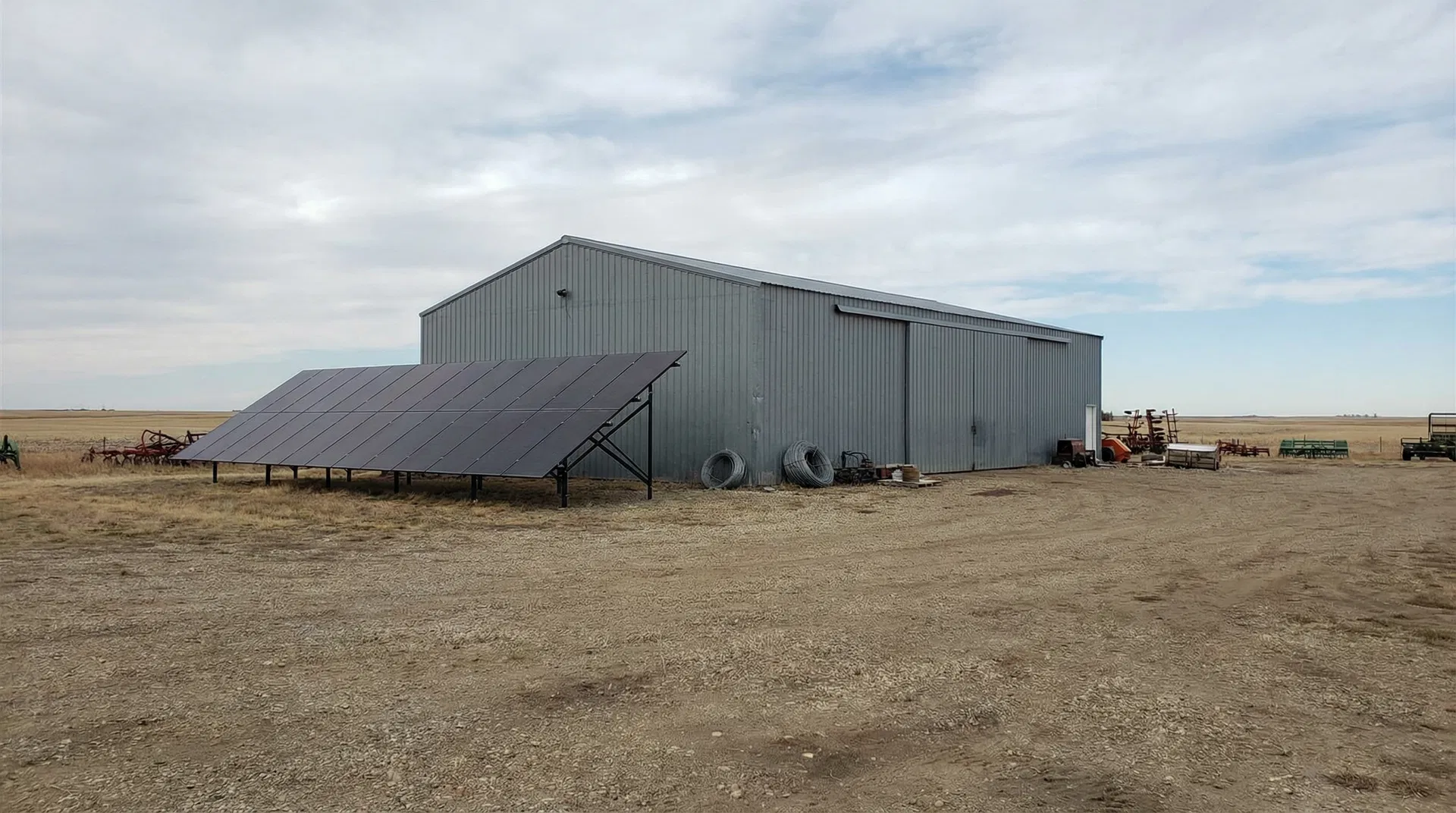
Sizing a solar and battery storage system isn't something we do with a rule of thumb. It starts with the 12-month usage graph on your most recent power bill. That graph shows us how your consumption moves across seasons, where your peak usage sits, and whether there are spikes that point to specific loads like a hot tub, a heated shop, or irrigation. Without that picture, any system size we quote is a guess. Properties in and around Chestermere cover a range of load profiles. A standard residential lot might have a home, a garage, and modest year-round consumption. A larger parcel might add a heated shop, outbuildings, or agricultural equipment that pulls significant power through winter. Those are fundamentally different systems, and the battery storage capacity changes accordingly. We don't apply the same design to both. On roof versus ground mount: most homes here can support a roof-mounted array if the pitch and orientation work. But if the roof has shading from mature trees or adjacent structures, or if the pitch isn't suited to the azimuth you need, a ground mount on an available part of the lot is often a better outcome. Ground mounts also give us flexibility on panel layout, which matters when we're pushing toward the upper end of the 8 to 20 kW range and need to fit a lot of panels. The battery portion of the system is sized separately based on your backup load list. We don't pad it. We size it to the loads you've told us you need to carry, then confirm that against your power bill and the solar array's production model.
Typical Load Profiles We Design For Near Chestermere
Home Plus Heated Shop
A home with a heated shop represents one of the more common design scenarios we see. The shop heat load is often the single largest consumer on the property, particularly from November through March, and it changes how we size both the solar array and the storage bank. We pull the 12-month usage graph from your most recent power bill to confirm the seasonal swing, then design the system around keeping the shop warm and the home running through an outage without undersizing the battery.
Home Plus Electric Vehicle Charging
A home with one or more EVs charging overnight shifts the consumption profile in a specific way: the big draw happens after the panels have stopped producing. Battery storage is well-suited to this scenario because the system can charge the battery from panels during the day and release that stored energy to the EV charger in the evening. We size the storage capacity around the typical nightly charge draw plus the home's evening baseline, confirmed against your most recent power bill.
Full Home Backup, No Secondary Structure
Some Chestermere property owners want full home backup without a shop or secondary structure in the picture. The design goal here is keeping the furnace, refrigerator, lighting, and key outlets running through an extended outage. We work through a critical load list with you, confirm which circuits need backup versus which can be shed during an outage, and size the battery bank to hold the loads that matter for a realistic outage duration based on your usage profile.
FortisAlberta Interconnection in Chestermere
FortisAlberta is the wire service for Chestermere, and any solar or battery storage system that connects to the grid here goes through FortisAlberta's micro-generation application process. That process has specific technical requirements: the design package needs to meet their equipment and protection standards, and the application has to be submitted correctly the first time to avoid delays. We handle the FortisAlberta interconnection application as part of every installation we do in the area. You don't need to navigate their process yourself. We prepare the design package, submit the application, and coordinate with FortisAlberta through to approval. Our job is to make sure nothing stalls on a paperwork error or a missing equipment specification. For battery storage systems specifically, the interconnection review covers how the hybrid inverter interacts with the distribution grid, particularly around anti-islanding protection. That's a technical requirement, not optional. We design to it from the start so the application isn't rejected or sent back for revision. If your property has any existing solar, we account for that in the updated application as well.
Project Economics and Design Review
| System Size | Annual Production | Year 1 Savings | Payback Period |
|---|---|---|---|
| 8-20 kW range, 12 kW typical |
Production, savings, and payback figures require a property-specific design review and your most recent power bill before any estimate can be provided.
How We Work in Chestermere
Bill and Load Review
We review your power bill to understand your energy use in Chestermere and size the system to your actual consumption, not a generic estimate.
Site Assessment
We assess your roof or ground area, south-facing exposure, electrical service, and utility interconnection requirements specific to your property.
Design and Utility Application
We produce a system layout, production estimate, and cost summary, then submit your micro-generation application to your utility on your behalf.
Installation and Commissioning
Our crew installs racking, panels, inverter, and electrical connections. All work is performed by licensed electricians. We commission and test before handoff.
Current Program and Interconnection Review
Utility connection review
FortisAlberta reviews all micro-generation grid connection applications for properties in Chestermere. Range Road Solar prepares the full design package required for submission, including equipment specifications and protection relay details for battery storage systems. We handle the application so you're not navigating FortisAlberta's technical requirements on your own.
Current program review
Residential, farm, and commercial solar installations in Alberta may be eligible for programs or incentives depending on current rules and property type. We review applicable programs against your project at the time of design, because eligibility rules change and what applied last year may not apply today. We don't quote incentives before confirming current eligibility for your specific property.
Frequently Asked Questions
Get a Solar Assessment for Chestermere
Submit a recent power bill and we will review your consumption and provide an honest assessment for your Chestermere property. No obligation.
(587) 330-7502 Book a CallMore Solar Services in Chestermere