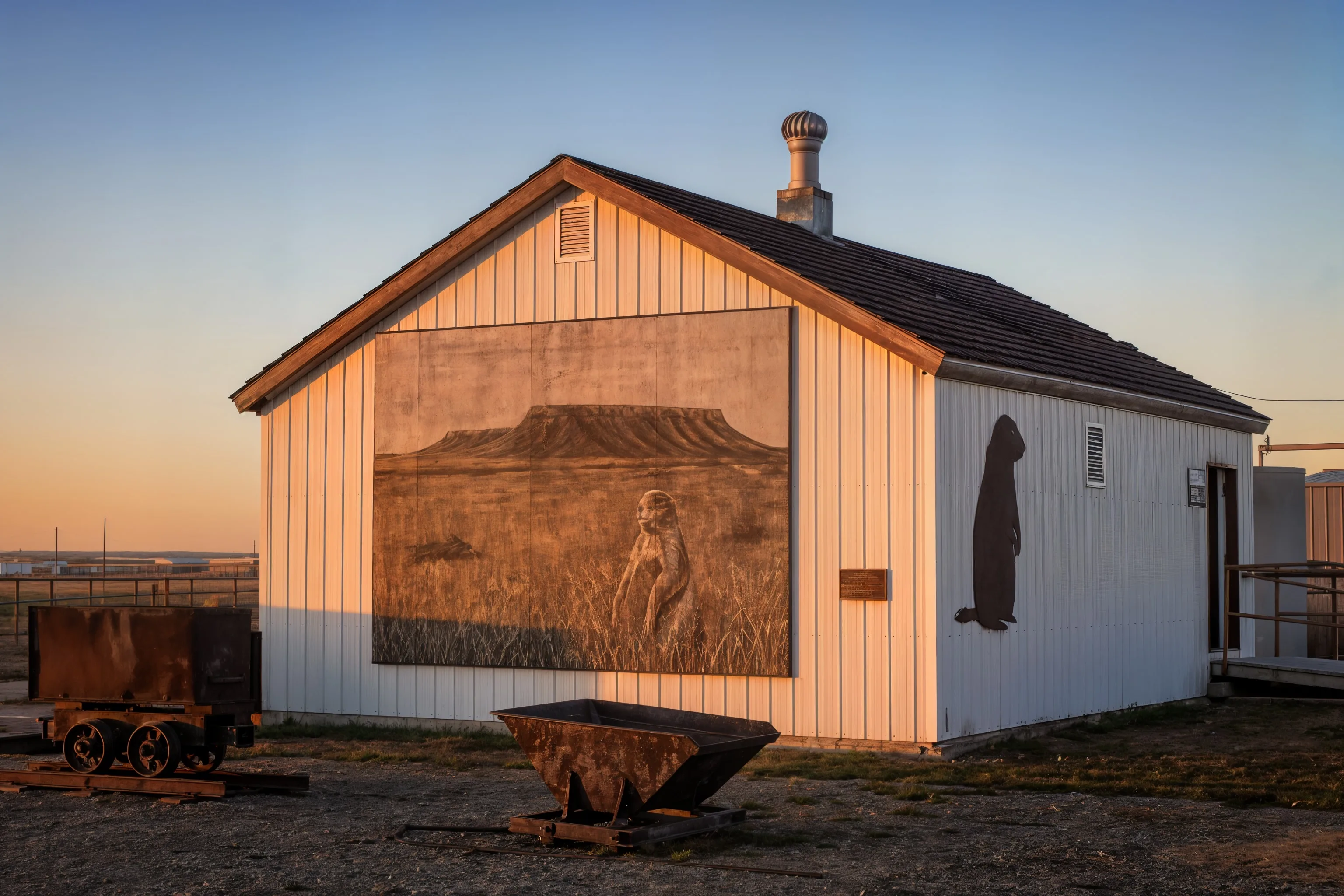
Farm solar in Kneehill County, Alberta means sizing a system around real farm loads, not a generic rooftop package. Most of the systems we design for the area fall in the 20 to 50 kW range, with 25 kW being a common starting point for a grain operation running bins, augers, and a heated shop off the same service. We build with LONGi panels and APsystems microinverters on every install, and for larger farm arrays we favor ground-mount racking over rooftop whenever the site allows it. Ground-mount makes sense on a lot of properties out here: it keeps the array off an older shop or barn roof that wasn't built to carry the extra load, lets us orient panels for the best angle regardless of how the building sits, and makes future servicing a lot easier since nobody's climbing onto a metal roof in January to check a connection. Rooftop still works well for smaller loads or where yard space is tight. APsystems microinverters give us panel-level monitoring, which matters on a farm system where one shaded string, from a grain bin or a shelterbelt, shouldn't drag down the output of the whole array. We size every system from the actual load: home, shop, grain handling, irrigation if the property runs it, whatever's drawing power off that service. That means walking the property, reviewing the electrical panel and service entrance, and going through the 12-month usage graph on the most recent power bill before we ever talk about panel count.
Solar Planning for Kneehill County Properties
This part of rural Alberta sits within Census Division No. 5, where agriculture (grain and cattle) and oil and gas make up the core of the local economy. With a population of 4,992, most properties out here are working farms and acreages, not subdivided residential lots, and that changes how a solar system gets designed. A grain operation with a bin site, aeration fans, and a shop draws differently than a cattle operation running waterers and yard lighting through the winter. Range Road Solar starts every project the same way: a site walk-through, a look at the electrical service already in place, and a review of the property's most recent power bill. That bill's 12-month usage graph tells us more about actual load than any rule-of-thumb calculation ever could. Properties out here also tend to have more room to work with than in-town lots, which opens up ground-mount as a real option instead of a compromise. Whether the best layout ends up on a shop roof, a machine shed, or a ground-mount array set back from the yard, the goal is the same: a system sized to what the operation actually uses, confirmed through design, not guesswork.

Electrical Site Review for Kneehill County Properties
Voltage Rise
Voltage rise happens when a property sits a long way down a distribution line, so the voltage measured at the point of connection runs higher than what's seen back at the transformer. On rural feeders serving farm properties, that distance can be significant, and it affects how an inverter behaves as it pushes power back onto the line. We check for it during the site review because it can trigger inverter clipping or trip protective limits, which factors directly into how we size and configure the system.
Single-Phase vs Three-Phase
Rural Alberta properties run on either single-phase or three-phase service, and which one a given farm has changes what equipment we can install. Three-phase service, more common on larger grain and cattle operations, opens up higher-capacity inverter options and supports bigger connected loads. Single-phase service isn't a problem, but it does narrow the equipment choices and factors into how we size the array.
Panel Infrastructure
A lot of farm services in the area were built decades ago, and older panels don't always have the breaker capacity or physical space for a solar interconnection. We check the panel's age, its rated capacity, and how much room is left for a new breaker during every site visit. If the panel can't support the addition, an upgrade means a new panel sized for both the existing farm loads and the solar system before installation can move forward.
Service Entrance Review
The service entrance and meter base are part of every site review, since their condition directly affects what we can submit in the micro-generation application to ATCO Electric. We look at the meter base's age, its wiring, and whether it's rated to handle a generation source tied into it. If the meter base needs upgrading before ATCO Electric will approve the interconnection, we scope that work into the project plan upfront rather than finding out partway through.
Right-Sizing Solar for Kneehill County Properties
Farm properties draw power differently than a house in town, and that's the biggest reason systems here run bigger than a typical residential install. A working farm might have a home, a heated shop, a grain bin site with augers and aeration fans, and maybe an irrigation pump, all pulling off the same service. Sizing for just the house and ignoring the shop and grain handling leaves a system that can't carry the real load. Roof versus ground-mount is a decision we make on-site, not before. If a shop or barn roof faces the wrong direction, sits under mature trees, or has a pitch that doesn't work for panels, ground-mount becomes the better option, especially on a property with open yard space to work with. A spread-out farm layout often makes ground-mount the more practical build anyway, since it keeps the array accessible for maintenance and clear of future building plans. Either way, we don't size off a rule-of-thumb number like dollars per month or square footage. We size off the actual 12-month usage graph on your most recent power bill, which shows exactly how the property's load moves through the year, seeding season, harvest, winter heating, whatever the pattern is. Combined with a site design that accounts for shading, orientation, and available space, that usage graph is what determines the system size we recommend, not a generic formula.
Typical Load Profiles We Design For Near Kneehill County
Home + Heated Shop
This is the most common setup we see on smaller rural acreages: a house plus a heated shop, sometimes with a bit of livestock or hobby-farm equipment attached. The shop's heat and any welding or shop tools it runs add a steady draw beyond what a house alone would use. We size for this profile using the 12-month usage graph on the most recent power bill, so the system reflects the shop's actual pattern instead of an assumed number.
Grain Handling and Bin Site
Grain operations layer bin aeration fans, augers, and sometimes a bucket elevator or grain dryer onto the base farm load, and that draw is seasonal, heaviest at harvest and through fall drying. A system sized only for the house would miss that entirely. We build these systems in the 20 to 50 kW range, using the property's usage graph and site design to land on a size that matches how the bin site actually runs.
Cattle Operation with Waterers and Yard Lighting
Cattle operations carry a different load profile: waterers running through the winter, yard and barn lighting, and sometimes a barn heater or tack room. That load holds fairly steady across the year rather than spiking at one season. We work from the most recent power bill and a site walk to size a system for that year-round draw rather than guessing at a seasonal average.
ATCO Electric Interconnection in Kneehill County
ATCO Electric is the wire service for properties in Kneehill County, Alberta, and every grid-tied solar system we install here goes through their micro-generation interconnection process. Range Road Solar handles that application from start to finish: the technical package, the single-line diagram, the equipment specifications for the LONGi panels and APsystems microinverters, and the coordination with ATCO Electric once the system design is locked in. We don't hand a customer a stack of forms and wish them luck. On a farm property, the interconnection review also touches the service entrance and meter base, since older farm services weren't always built with generation in mind. We check that during the site visit so there aren't surprises once the application is in. We're not going to tell you how long ATCO Electric's review takes or what happens with excess generation credits here: those are details that depend on current utility rules and your specific setup, and we walk through them directly during your design review.
Project Economics and Design Review
| System Size | Annual Production | Year 1 Savings | Payback Period |
|---|---|---|---|
| 20-50 kW range, 25 kW typical |
Production, savings, and payback figures require a property-specific design review and your most recent power bill; we don't publish estimates that skip that step.
How We Work in Kneehill County
Bill and Load Review
We review your power bill to understand your energy use in Kneehill County and size the system to your actual consumption, not a generic estimate.
Site Assessment
We assess your roof or ground area, south-facing exposure, electrical service, and utility interconnection requirements specific to your property.
Design and Utility Application
We produce a system layout, production estimate, and cost summary, then submit your micro-generation application to your utility on your behalf.
Installation and Commissioning
Our crew installs racking, panels, inverter, and electrical connections. All work is performed by licensed electricians. We commission and test before handoff.
Current Program and Interconnection Review
Utility connection review
ATCO Electric reviews every micro-generation interconnection application before a system can connect to the grid. Range Road Solar prepares and submits that full design package on your behalf, from the technical drawings to the equipment specifications.
Current program review
Whether a project is residential, farm, or commercial, we check it against whatever program rules and eligibility criteria are in effect at the time we design the system. Those rules change, so we confirm current status rather than relying on what applied last year.

Frequently Asked Questions
Get a Solar Assessment for Kneehill County
Submit a recent power bill and we will review your consumption and provide an honest assessment for your Kneehill County property. No obligation.
(587) 330-7502 Book a CallRelated Resources