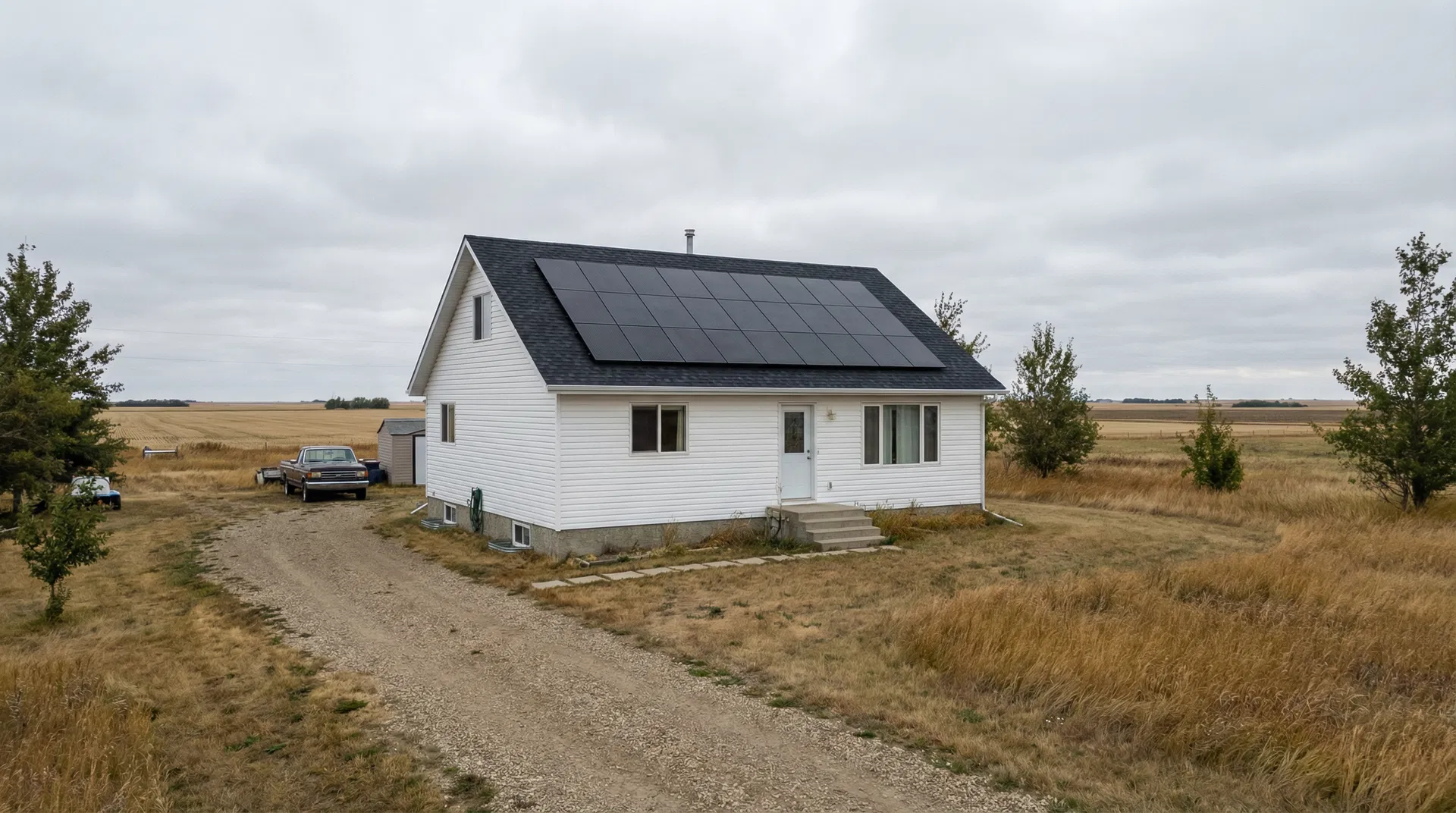
Solar net-metering High River Alberta installations from Range Road Solar start with a FortisAlberta-compliant design, not just panels bolted to a roof. Micro-generation means the system is sized to generate power on site and tie into the grid so that any production beyond what the property uses in that moment flows back onto the FortisAlberta wire through the existing meter. We handle the entire interconnection application for this process: the single-line diagrams, the equipment specifications, and the paperwork FortisAlberta requires before a system can be energized. On the equipment side, we build these systems around LONGi panels and APsystems microinverters. APsystems microinverters work well on the mixed roof layouts we see on acreages and farm properties around here, where a shop roof might face a different direction than the house roof, or where partial shading from a grain bin or shelterbelt rules out a single central inverter. Each microinverter handles its own panel, so one shaded or underperforming panel doesn't drag down the whole array. LONGi panels give us a dependable, well-documented product to put on the application paperwork, which matters because FortisAlberta wants clear equipment specifications, not vague placeholders. Whether the property is a standard residential lot, an acreage with a detached shop, or a small farm operation, the net metering setup gets built around that property's actual roof or ground-mount layout and its electrical service, then submitted as a complete package rather than a rough estimate.
Solar Planning for High River Properties
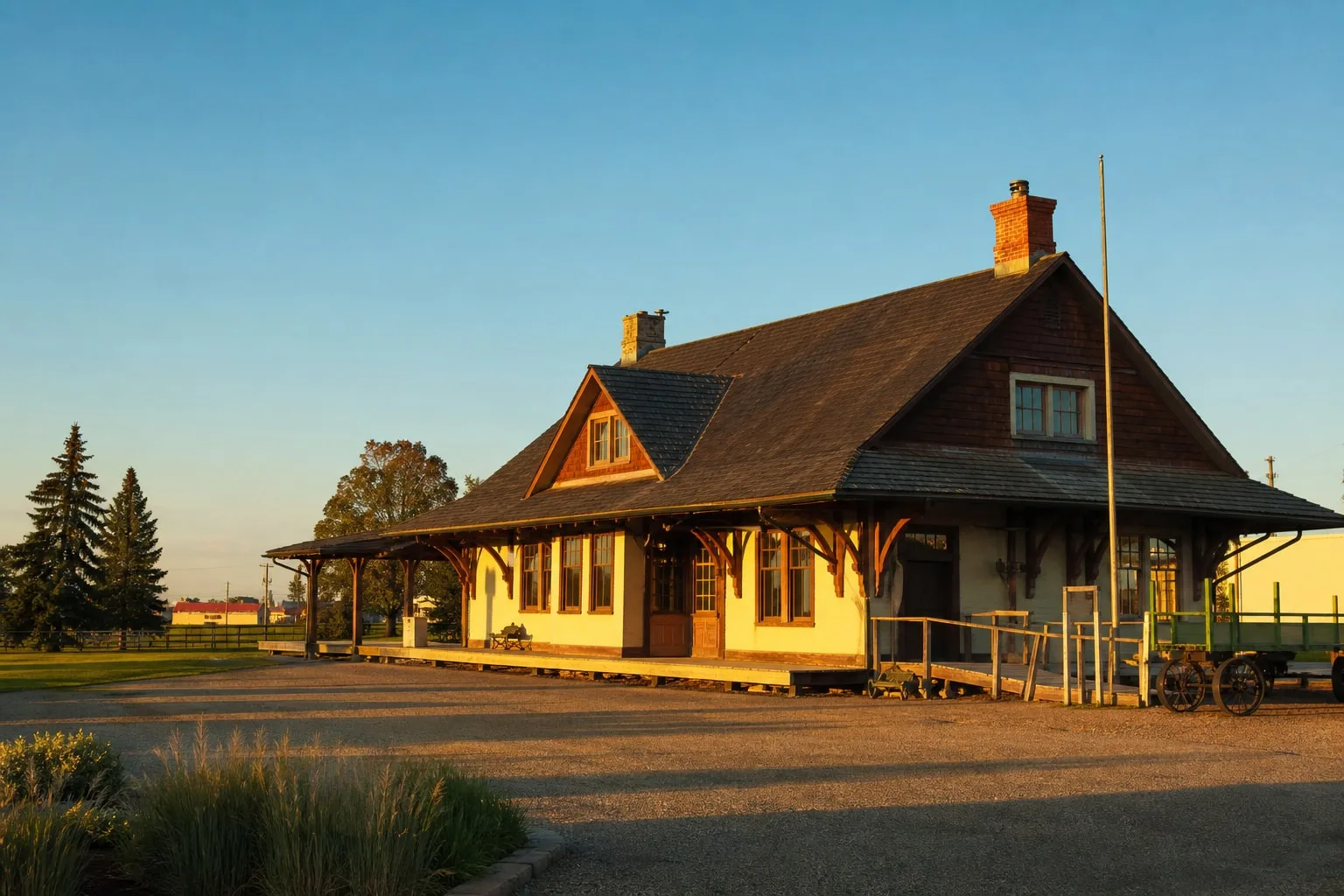
High River, Alberta has grown from 13,594 residents to 14,324 according to the most recent census, and that growth means more rooftops, acreages, and farm shops looking at solar as part of the FortisAlberta grid rather than off of it. The town traces back to its incorporation on February 12, 1906, and a lot of the properties we work on here still carry that long rural history: older farmhouses, century homes near the Museum of the Highwood, and newer acreage builds on the edges of town. Net metering and micro-generation change the math on a property like this, because the system doesn't just offset usage, it ties into the FortisAlberta meter and feeds back onto the wire when production is high. That only works if the interconnection application is filled out correctly and the system is sized to match what FortisAlberta will approve for the service at that address. We don't guess at any of this. Every High River property gets a site visit, a look at the electrical service, and a design built around the most recent power bill before we size a system or submit paperwork. The goal is a system that clears the application cleanly the first time, not one that gets kicked back for a correction.
Electrical Site Review for High River Properties
Voltage Rise
Voltage rise happens when the distance and wire gauge between a property's service and the nearest FortisAlberta transformer cause the voltage to climb as a solar inverter pushes power back onto the line. On rural distribution runs, that rise can push the inverter's voltage sensing close to its upper trip point, which causes the inverter to curtail or clip output rather than produce at full capacity. We measure the service's voltage conditions during the site visit so the system is sized and configured to avoid that clipping rather than discovering it after installation.
Single-Phase vs Three-Phase
Rural Alberta properties show up with either single-phase or three-phase electrical service, and which one a property has changes what inverter equipment can connect and how much capacity the service can support. A shop or outbuilding wired for three-phase motors needs different microinverter configuration planning than a house running entirely on single-phase service. We confirm the phase configuration on site before finalizing the system design, since guessing wrong here means ordering the wrong equipment.
Panel Infrastructure
Older rural properties often have an electrical panel that predates the breaker capacity or busbar rating a net metering system needs, especially on a farmstead where the panel hasn't been touched since the original wiring went in. We check the panel's age, its amperage rating, and how much open breaker space is left before adding solar circuits to it. If the panel can't support the added capacity, an upgrade means a new panel and breakers sized to carry both the existing loads and the new solar circuit safely.
Service Entrance Review
The service entrance and meter base are what FortisAlberta looks at when reviewing a micro-generation application, since the meter base has to be rated and wired to handle bidirectional power flow. We check the condition of the meter base, the service conductors, and the grounding during the site visit to confirm it meets what FortisAlberta requires for the application. If the meter base is outdated or damaged, that upgrade gets built into the project scope before the application goes in, rather than surfacing as a surprise after approval.
Right-Sizing Solar for High River Properties
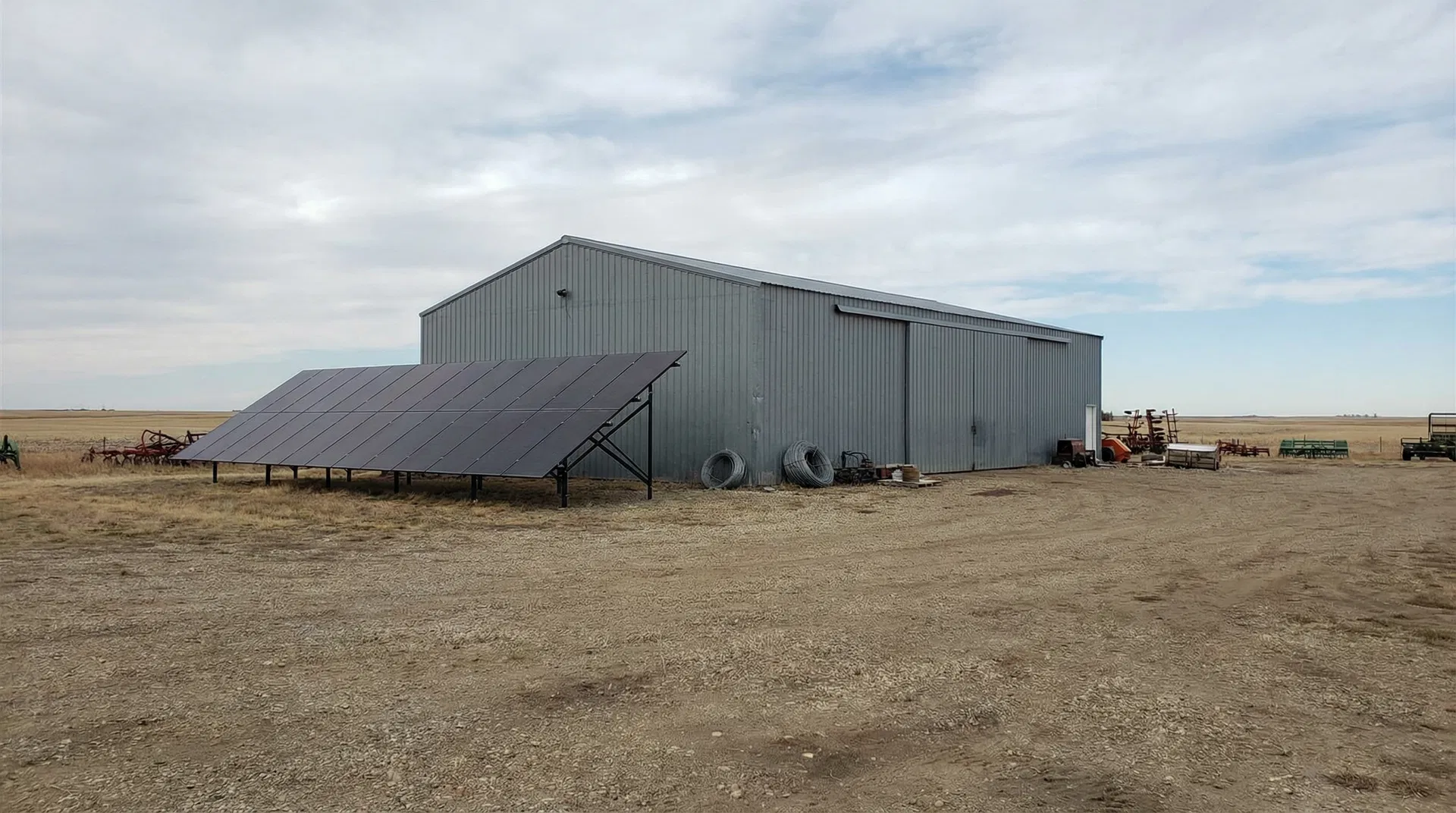
Rural properties typically carry more electrical load than a standard in-town home: a house plus a heated shop, a well pump, grain handling equipment, or irrigation all add up on one electrical service. That's a big part of why systems designed for acreages and farms run larger than a typical urban rooftop system, even before net metering comes into play. Roof mount makes sense when the roof has clear southern or western exposure and enough unshaded area to fit the array, but a lot of rural properties don't have that. Ground mount becomes the better call when trees or outbuildings shade the roof, when the roof pitch or orientation is wrong for production, or when there's simply open yard space available and running conduit to a ground array is more practical than working around roof penetrations and multiple roof planes. We don't size any of this off rule-of-thumb numbers like watts per square foot or a generic kW-per-household estimate. Instead, we pull the 12-month usage graph right off your most recent power bill and build the system size around what that graph actually shows about how the property uses power through the year. Combined with the site design, that's what turns into a real system size, not a guess, and it's also what we submit as part of the FortisAlberta application package.
Typical Load Profiles We Design For Near High River
Home + Heated Shop
This profile covers a main house plus a detached shop with heat, lighting, and tool circuits running through the colder months. The shop's heating load and the house's loads often peak at different times of day, so we look at how those loads overlap on your most recent power bill before sizing anything. A micro-generation system here gets designed around that combined, staggered load rather than just the house alone.
Acreage with Well Pump and Outbuildings
A well pump adds a load that cycles on and off throughout the day, and outbuildings like a barn or machine shed each add their own baseline draw even when nobody's using them directly. We account for that cycling and baseline load pattern using the usage graph on the power bill rather than treating the property like a single flat load. The system design and inverter configuration follow from what that combined pattern actually looks like.
Small Grain Operation with Dryer or Augers
Grain handling equipment like a dryer or auger set pulls a large load for a short, seasonal window rather than a steady draw year-round. That kind of spiky, seasonal usage shows up clearly on the 12-month usage graph on the power bill, and it changes how we think about system size and inverter capacity compared to a property with a flat, steady load. We design around that seasonal pattern instead of averaging it away.
FortisAlberta Interconnection in High River
FortisAlberta is the wire service for properties in High River, Alberta, and that's the utility that reviews and approves every net metering and micro-generation interconnection application here. Range Road Solar prepares and submits that full application package: the equipment specifications for the LONGi panels and APsystems microinverters, the single-line electrical diagram, and the site-specific details FortisAlberta needs to evaluate the connection. We stay the point of contact with FortisAlberta through the review, so property owners aren't the ones tracking down forms or chasing an application through the queue. Every FortisAlberta service area has its own technical requirements for how a micro-generation system ties into the distribution line, and we design to those requirements from the start rather than submitting something generic and hoping it gets approved. If FortisAlberta comes back with a question or a request for more information, we handle that response directly. The result is one clean application built specifically for the property's existing FortisAlberta service, not a template system.
Project Economics and Design Review
| System Size | Annual Production | Year 1 Savings | Payback Period |
|---|---|---|---|
| 8-12 kW range, 10 kW typical |
Production, savings, and payback figures are only meaningful once we've completed a property-specific design using your most recent power bill.
How We Work in High River
Bill and Load Review
We review your power bill to understand your energy use in High River and size the system to your actual consumption, not a generic estimate.
Site Assessment
We assess your roof or ground area, south-facing exposure, electrical service, and utility interconnection requirements specific to your property.
Design and Utility Application
We produce a system layout, production estimate, and cost summary, then submit your micro-generation application to your utility on your behalf.
Installation and Commissioning
Our crew installs racking, panels, inverter, and electrical connections. All work is performed by licensed electricians. We commission and test before handoff.
Current Program and Interconnection Review
Utility connection review
FortisAlberta reviews every net metering and micro-generation interconnection application against its own technical requirements before a system can be energized. Range Road Solar prepares that full design package, including equipment specifications and single-line diagrams, so the application reflects the property's actual electrical service.
Current program review
Residential, farm, and commercial properties can all qualify for different treatment under current net metering rules, and those rules get checked against the specific property at design time. We review eligibility for the property type in front of us rather than assuming a residential rule applies to a farm shop or a farm rule applies to a home.
Frequently Asked Questions
Get a Solar Assessment for High River
Submit a recent power bill and we will review your consumption and provide an honest assessment for your High River property. No obligation.
(587) 330-7502 Book a CallRelated Resources
More Solar Services in High River