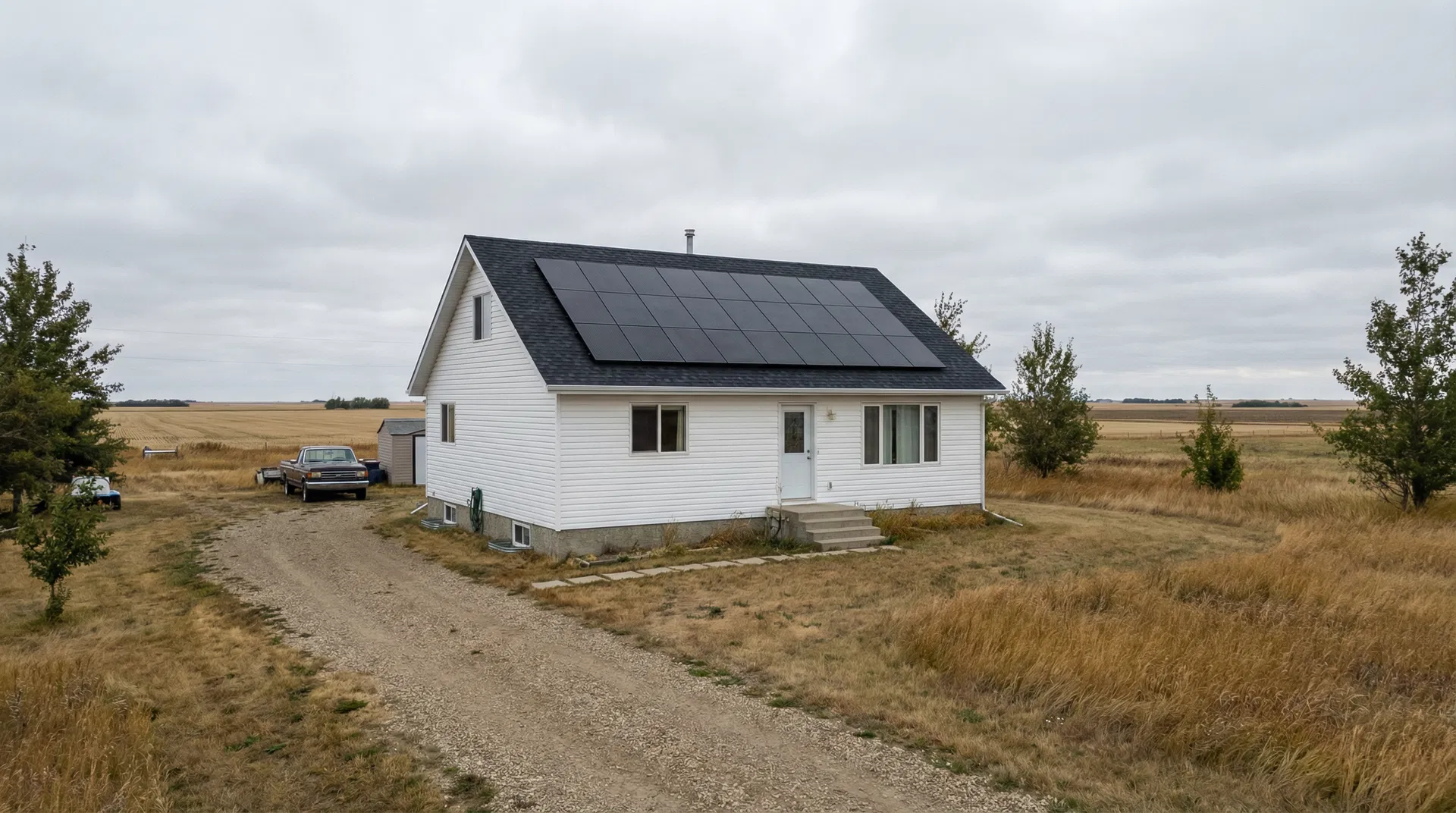
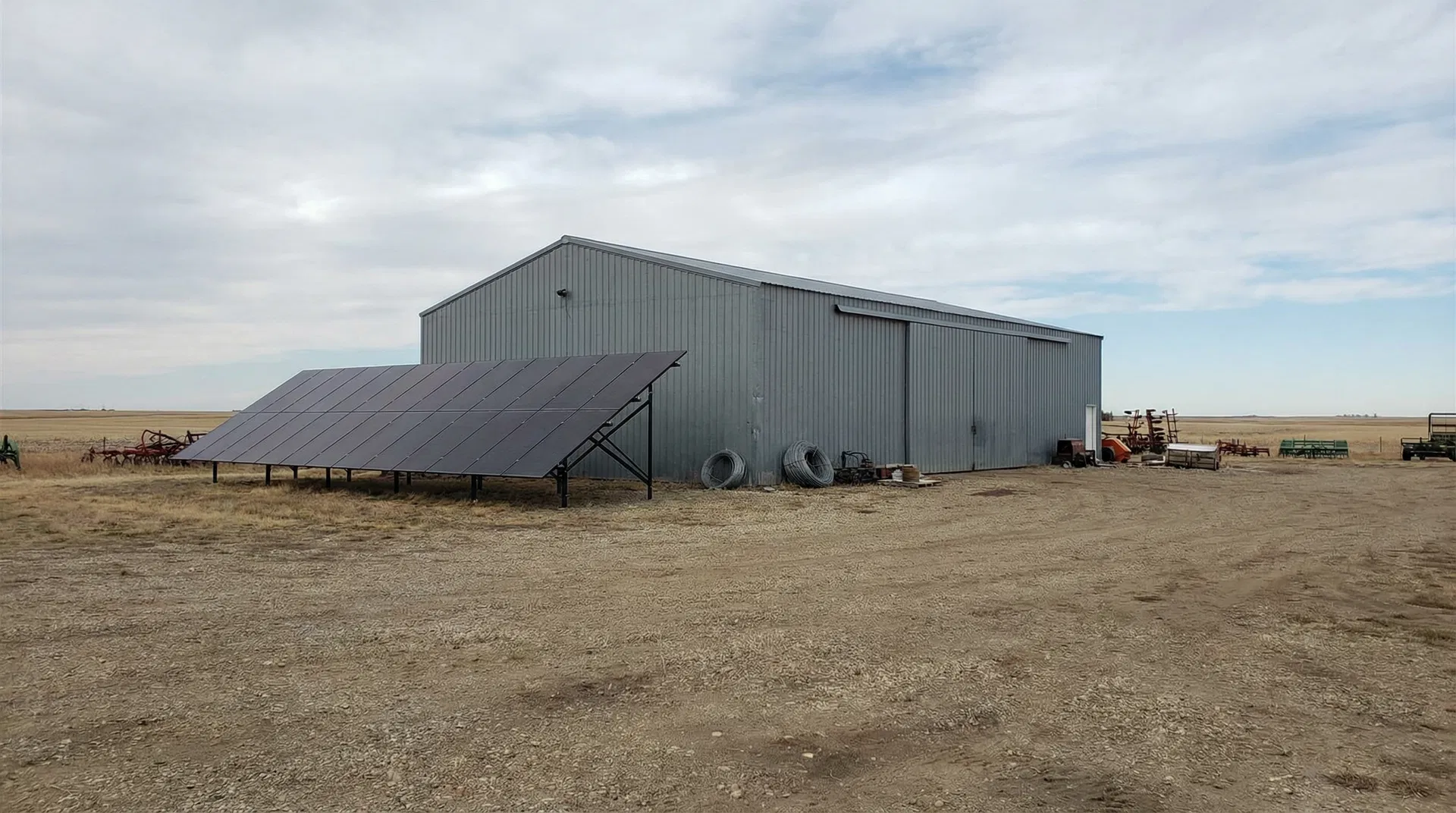
Solar installation in High River always starts with a site visit, not a generic quote pulled from a town-wide average. Most of the residential systems we design for the area land in the 8 to 12 kW range, built around LONGi panels and APsystems microinverters. LONGi panels give us a dependable, widely available module we can source consistently, and APsystems microinverters let each panel operate independently, which matters on roofs with dormers, chimneys, or partial shading from mature trees, a common layout on older lots here. For newer builds on the edges of town, simpler roof planes usually mean a cleaner single-run install. Acreage and larger-lot properties sometimes make more sense for ground-mount arrays instead of roof-mount, especially where there's a detached shop or outbuilding pulling its own load. We handle the full install: racking, module placement, microinverter wiring, and the electrical tie-in at your panel. Every system is designed from your most recent power bill and a walk-through of your roof or yard, not a one-size system pulled from a brochure. Once the design is locked in, we handle the FortisAlberta paperwork so the interconnection application matches what's actually installed, not an estimate.
Solar Planning for High River Properties
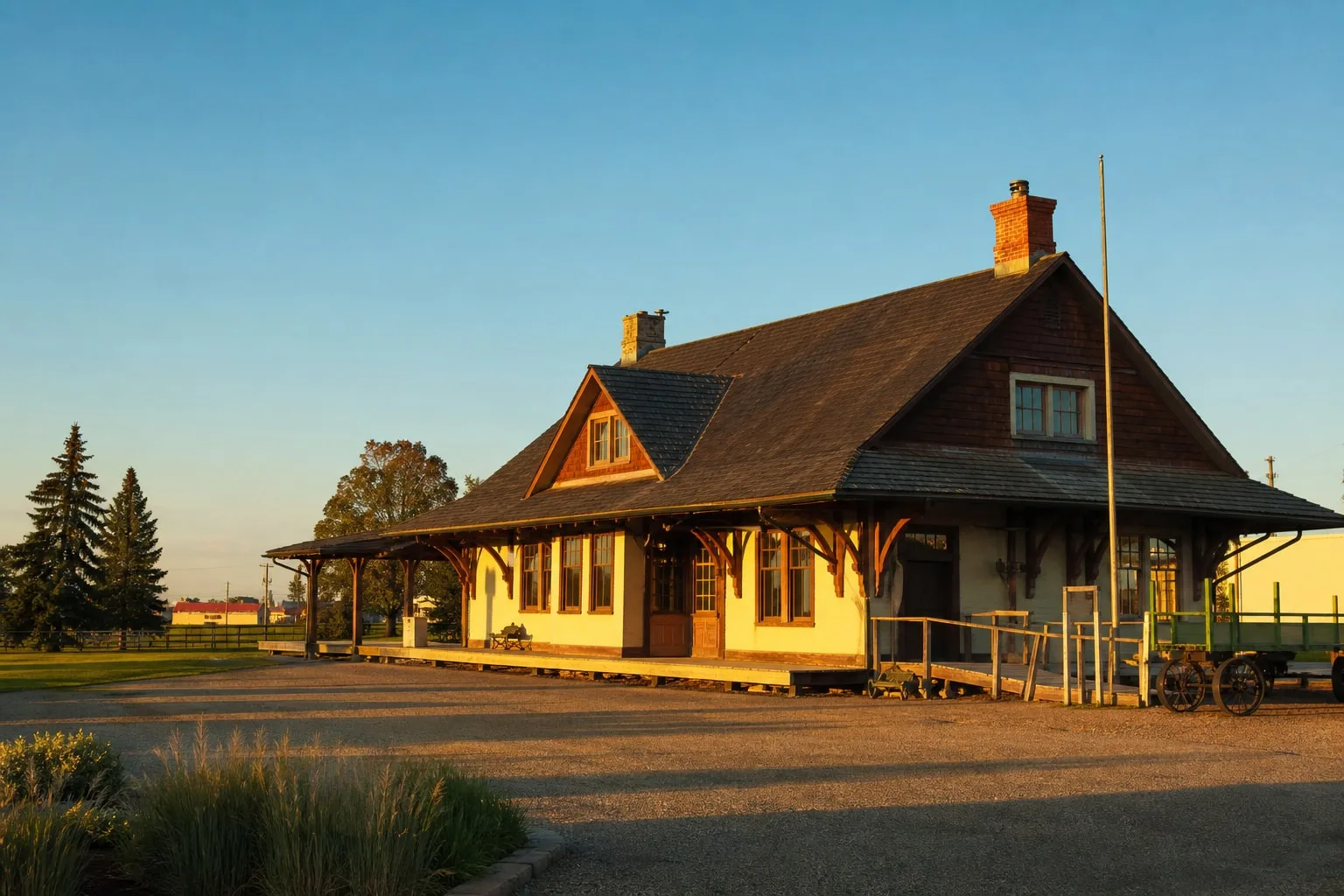
The area has grown from 13,594 residents to 14,324 at the last two census counts, which means more rooflines, more detached garages, and more acreage-style properties at the edge of town asking about solar. Properties close to the historic core, some built not long after the town's founding on February 12, 1906, often carry older electrical panels and roof framing that need a site visit before we commit to a system size. Properties further out, past local landmarks like George Lane Memorial Park or along the walking route near the Museum of the Highwood, tend to have newer construction and simpler roof lines, but every property is different and we treat it that way. We don't quote a system off a satellite photo or a town-wide average. A Range Road Solar site visit checks roof pitch, shading, panel age, and service capacity, then we size the system against your most recent power bill. For a typical single-family home here, that usually lands in the 8 to 12 kW range, though shops, acreages, and larger loads can push it higher. The design review is where the real numbers come from, not a general estimate.
Electrical Site Review for High River Properties
Voltage Rise
Voltage rise happens when the distance and wire gauge between a transformer and your property cause voltage to climb as a microinverter pushes power back onto the line, especially on longer rural runs. Distribution conditions along your specific feeder affect how much headroom we have before that climbing voltage trips an inverter's safety limits and clips production. We check this during the site review so your system is sized and configured to stay inside safe voltage limits rather than guessing after installation.
Single-Phase vs Three-Phase
Properties in and around the area can have either single-phase or three-phase electrical service, depending on when the property was built and what it was originally wired to support. That distinction matters for solar because not every inverter or microinverter configuration is rated for both service types, and three-phase properties sometimes open up different capacity options. We confirm which service type your property has before finalizing equipment selection, rather than assuming based on property type.
Panel Infrastructure
Older rural properties often have electrical panels that were sized for the loads of decades ago, not a home with a shop, irrigation pump, or grain-handling equipment added since. We check breaker capacity, panel age, and available slots for the new solar breaker during the site visit. If the panel can't support the added capacity, an upgrade means a new panel sized for both your existing loads and the solar system, installed before the solar tie-in proceeds.
Service Entrance Review
We check the condition of your service entrance and meter base as part of every site review, since a meter base has to be rated for bidirectional power flow before FortisAlberta will approve a micro-generation interconnection. An aging or undersized meter base can hold up the application even after the solar design itself is finished. If an upgrade is needed, we scope it as part of the project so the meter base, panel, and solar system all pass inspection together instead of stalling the application.
Right-Sizing Solar for High River Properties
Rural Alberta systems usually end up bigger than a typical urban rooftop install, and that's because rural properties carry more than just a house. A home with a detached shop, a well pump, or grain-handling equipment is running several separate loads off one service, and the system has to be sized for all of them together, not just the house. That's one reason why a property here might land at the top of the 8 to 12 kW range while a similar-sized house in town sits at the bottom. Roof mount isn't always the right call either. If a roof is heavily shaded by mature trees or a neighboring structure, has a poor pitch or orientation for solar, or there's simply more usable open yard than usable roof space, a ground-mount array can outperform a roof-mount system on the same property. Acreages with room to work with often make this decision easier than a tight in-town lot. We size every system from the 12-month usage graph on your most recent power bill, not a rule-of-thumb number based on square footage or a town average. That graph shows us your actual seasonal load pattern, including spikes from a shop heater or irrigation pump, which a flat average would miss entirely. Combined with the site design, that bill is what tells us whether your property needs 8 kW, 12 kW, or something in between.
Typical Load Profiles We Design For Near High River
Home + Heated Shop
This profile covers a main house plus a detached shop with electric heat, often used for a workshop, vehicle storage, or small-scale equipment repair. The shop's heating load typically runs heaviest in the shoulder seasons and winter, which shows up clearly on the usage graph from your most recent power bill. We size the system against that combined load rather than the house alone, since sizing for the house only would leave the shop's draw uncovered.
Acreage with Irrigation or Well Pump
Properties with a well pump or irrigation system running through the growing season carry a load pattern that's different from a standard home, with usage that spikes seasonally rather than staying flat year-round. Your most recent power bill's usage graph shows us exactly when and how much that pump draws, which we factor into system size alongside the household load. A system sized only for the house would undersize the property's actual draw.
Grain Handling or Farm Outbuildings
Farm properties running grain dryers, augers, or other outbuilding equipment see short, heavy bursts of demand tied to harvest rather than steady year-round use. We look at how that equipment shows up on the usage graph from your most recent power bill to decide whether the system should be sized toward that peak or toward average use, since the two call for different system sizes. That's a design decision we make with you during the review, not a default assumption.
FortisAlberta Interconnection in High River
FortisAlberta is the wire service here, which means every residential interconnection application for a new solar system goes through FortisAlberta's micro-generation process, not a different utility's. Range Road Solar prepares and submits that application as part of the install, including the technical specifications for the LONGi panels and APsystems microinverters we're putting on your property. We coordinate directly with FortisAlberta on the paperwork so you're not the one tracking down forms or chasing an application status. We don't promise a specific approval window or a specific credit arrangement here. Those details depend on FortisAlberta's current process and your account, and we confirm the current rules with you during the design review rather than quoting a number that might be out of date by the time your system is ready to energize. What we can commit to is handling the application correctly the first time, with a design package that matches FortisAlberta's requirements for your service size and panel type.
Project Economics and Design Review
| System Size | Annual Production | Year 1 Savings | Payback Period |
|---|---|---|---|
| 8-12 kW range, 10 kW typical |
Actual production, savings, and payback depend on a property-specific design and your most recent power bill, and we confirm both during your design review.
How We Work in High River
Bill and Load Review
We review your power bill to understand your energy use in High River and size the system to your actual consumption, not a generic estimate.
Site Assessment
We assess your roof or ground area, south-facing exposure, electrical service, and utility interconnection requirements specific to your property.
Design and Utility Application
We produce a system layout, production estimate, and cost summary, then submit your micro-generation application to your utility on your behalf.
Installation and Commissioning
Our crew installs racking, panels, inverter, and electrical connections. All work is performed by licensed electricians. We commission and test before handoff.
Current Program and Interconnection Review
Utility connection review
FortisAlberta reviews every grid connection application for a new residential solar system against its current micro-generation process. Range Road Solar prepares the full design package, including equipment specifications for the LONGi panels and APsystems microinverters, and submits it on your behalf. We handle the back-and-forth with FortisAlberta so the application reflects exactly what's being installed.
Current program review
Eligibility for residential, farm, and commercial solar projects is reviewed against whatever current rules are in place at the time of your design, since program details can change. Rather than quoting a specific incentive that may no longer apply, we check what's currently available and relevant to your property type during the design review. That review happens before your system is finalized, not after.
Frequently Asked Questions
Get a Solar Assessment for High River
Submit a recent power bill and we will review your consumption and provide an honest assessment for your High River property. No obligation.
(587) 330-7502 Book a CallRelated Resources
More Solar Services in High River