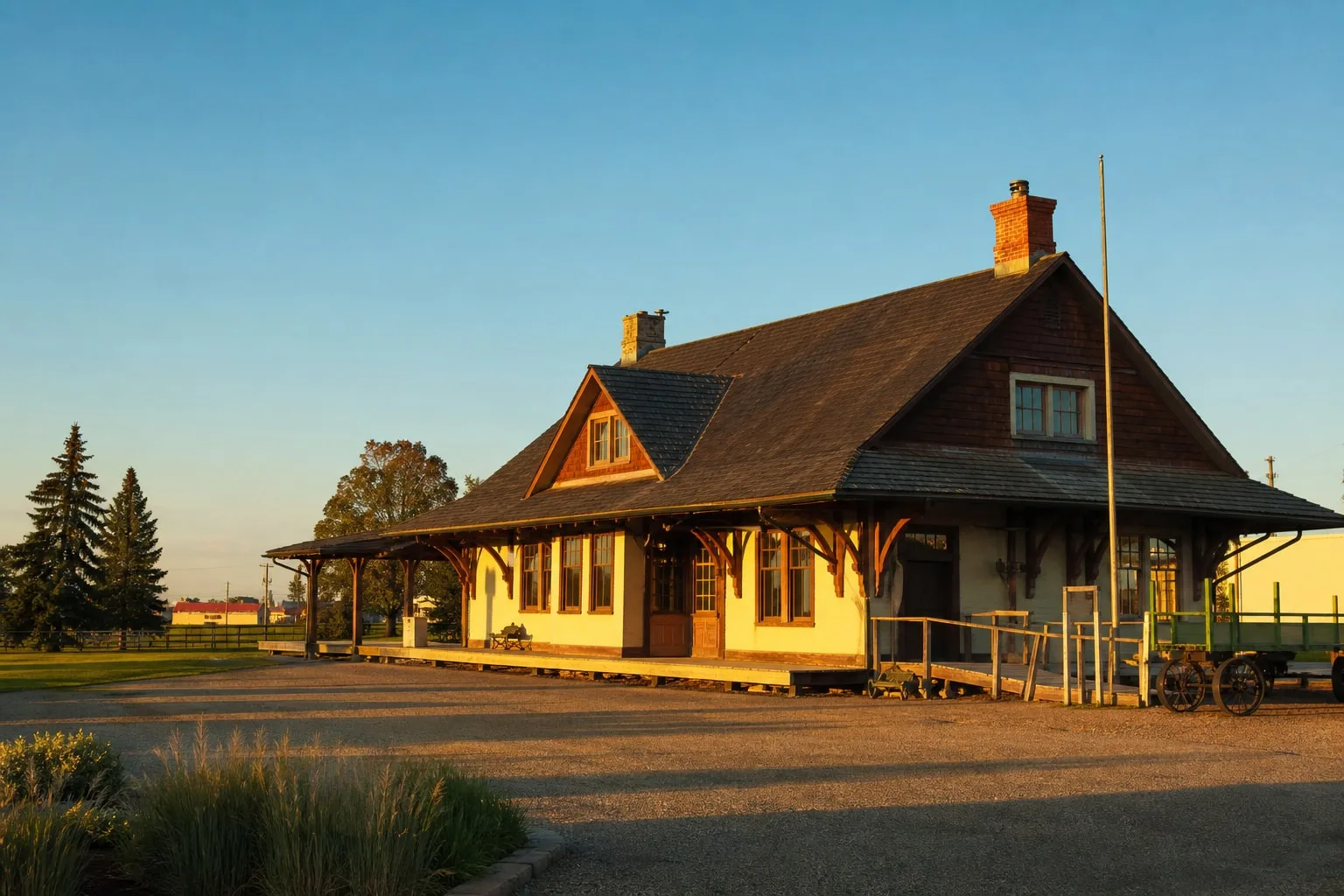
Solar financing for High River, Alberta homes and properties starts with the equipment, not the paperwork. Every system we finance uses LONGi panels paired with APsystems microinverters, sized for this market in the 8 to 15 kW range, with most properties landing around 10 kW. Monthly payments are structured against the power bill the system is built to replace, so the plan is sized to a specific property instead of a flat package. Whether it's a single-family home on a FortisAlberta-served lot or an acreage just outside the limits, we design the system first, confirm the equipment list, and then build a financing structure around the design, not the other way around. A detached garage or heated shop on the property changes the load calculation, and a financing plan built before that site review is just a guess dressed up as a quote. We walk through your most recent power bill together, look at the 12-month usage graph it includes, and use that data, along with a review of your roof or ground-mount site, to land on a system size before we talk payment terms. For properties on older electrical service, financing may also need to account for panel or service entrance upgrades identified during the site review. The goal is a monthly payment that tracks against what you're already spending on power, backed by equipment rated for the loads this region actually puts on a residential or farm system.
Solar Planning for High River Properties
The community has been incorporated since February 12, 1906, and the property stock reflects that history: century-old infill lots near the core, postwar bungalows, and newer subdivisions pushing toward the edge, plus acreages just beyond the limits. Census figures put the population at 14,324, up from 13,594 in the prior count, and that growth means more rooflines and more power bills to size a system against. We don't guess at what a property needs. A bungalow near George Lane Memorial Park with an older 100-amp service presents different constraints than a newer build on a three-phase rural line beyond the limits. Before we talk financing numbers, we walk the roof or the yard, check the electrical panel, and pull your most recent power bill to see the actual 12-month usage graph. That's what tells us whether an 8 kW system or something closer to 15 kW fits the load. Range Road Solar designs around what FortisAlberta will actually interconnect, not a generic estimate, so the financing plan we put in front of you is built on your property, not a template.
Electrical Site Review for Rural Alberta Properties
Voltage Rise
Voltage rise happens when power travels a long distance along a distribution line before it reaches a property, and rural feeders can run considerably longer than a typical line closer to the core. Higher voltage rise at the point of connection can push an inverter toward its upper voltage limit, which is one of the reasons we check line conditions before finalizing a system. That reading factors into both inverter selection and how we size the system to avoid unnecessary clipping.
Single-Phase vs Three-Phase
Properties around here can have either single-phase or three-phase electrical service, and that distinction matters before we spec any equipment. Three-phase service generally opens up more inverter options and higher system capacity, while single-phase service narrows which equipment fits and how the system is configured. We confirm which type of service a property has early in the design process, since it shapes both equipment selection and the system's maximum size.
Panel Infrastructure
Older properties in the area sometimes carry electrical panels that predate current breaker capacity standards, and we check panel age and available breaker space before adding solar to the circuit. We're looking for whether the panel has room for the new breakers a solar system needs and whether its overall capacity can handle the added load. If the existing panel can't support the system, the design includes a panel upgrade so the installation meets code and leaves room for future needs.
Service Entrance Review
We review the service entrance and meter base on every property as part of the design process, checking for wear, capacity, and whether it's rated for the added equipment a solar system requires. The meter base condition matters directly to the micro-generation application filed with FortisAlberta, since an outdated or undersized meter base can hold up approval. When an upgrade is required, we fold it into the project scope and design so it's accounted for before construction starts, not discovered partway through.
Right-Sizing Solar for High River Properties
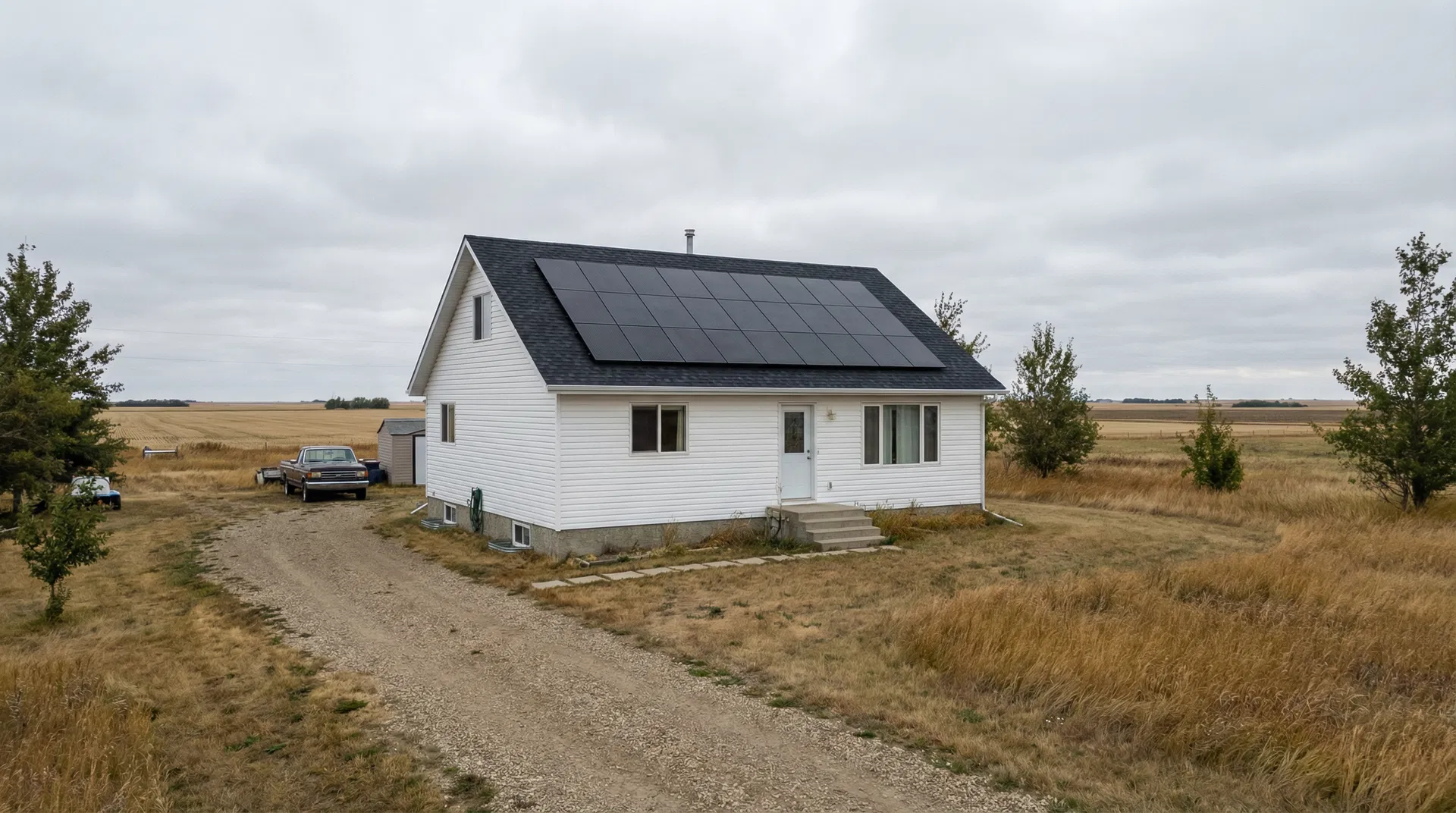
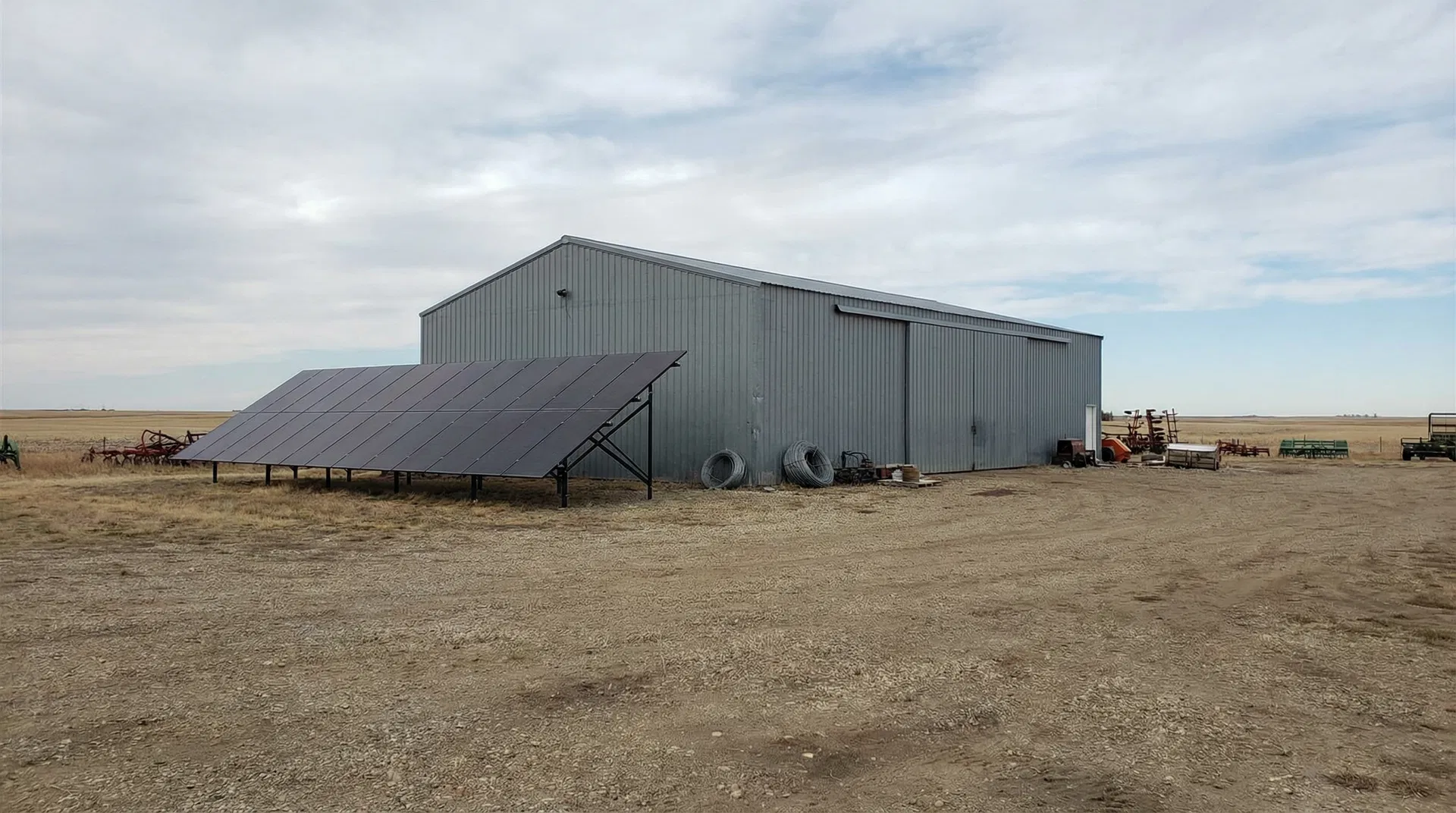
Rural Alberta properties typically need more solar than an equivalent house in town, simply because there's more going on behind the meter. A home with a heated shop, a well pump, or grain-handling equipment is running several separate loads off one service, and that pushes system sizing well past what a single-family in-town rooftop typically needs, which is part of why we design in the 8 to 15 kW range here rather than defaulting to a smaller standard package. Roof versus ground mount is a real decision, not a formality: a roof that's shaded by trees or outbuildings, pitched at an angle that doesn't suit the panels, or simply too small for the target system size often points toward a ground mount instead, especially on a property with open yard space to work with. We don't size a system off a rule of thumb or a square-footage guess. The 12-month usage graph on your most recent power bill shows exactly how your property draws power across the year, including seasonal spikes from heating, irrigation, or shop use, and that data drives the system size we design to. Combine that usage graph with a site visit, and the result is a system, and a financing plan, built around how the property actually uses power, not an average.
Typical Load Profiles We Design For Rural Properties
Home + Heated Shop
This profile covers a primary residence plus a detached shop that's heated through the colder months, often with its own sub-panel and separate electrical draw. We size for both structures together, using the whole-property usage graph on your most recent power bill rather than estimating the shop's load separately. The result is one system designed against actual combined usage, not two guesses added together.
Acreage with Well Pump and Outbuildings
Acreages in this area often run a well pump, a barn or machine shed, and sometimes a second outbuilding, all pulling from the same service. Those intermittent loads show up clearly on the 12-month usage graph included with your power bill, and that pattern, not a flat per-square-foot number, is what shapes the system size. A ground mount often makes sense here if the yard has open space and the roofline doesn't face the right direction.
Grain Handling and Seasonal Loads
Grain dryers, augers, and other handling equipment create sharp seasonal spikes that look very different from a steady year-round household load. We look at how those spikes show up on the usage graph from your most recent bill and design the system, and the financing plan, around that full annual picture instead of an average month. That's often the difference between a system that's sized right and one that's sized for an average that doesn't exist on this kind of property.
FortisAlberta Interconnection in High River
FortisAlberta is the wire service here, and any grid-connected solar system in the area has to go through FortisAlberta's micro-generation interconnection process before it's switched on. Range Road Solar handles that application on your behalf, from the technical submission through to the final sign-off needed to operate the system. That process is part of why we review the electrical service, panel capacity, and meter base on your property before finalizing a design: FortisAlberta's application requires that information, and catching a capacity issue early keeps the project on schedule instead of stalling it mid-application. We don't speculate on how long FortisAlberta will take to process a given application or what credit arrangement applies to your account. Those specifics depend on your property, your retailer, and current FortisAlberta policy, so we confirm them directly as part of your design review rather than quoting a number that may not hold by the time your system is ready to connect.
Project Economics and Design Review
| System Size | Annual Production | Year 1 Savings | Payback Period |
|---|---|---|---|
| 8-15 kW range, 10 kW typical |
Production, savings, and payback figures are only meaningful once we've completed a property-specific design using your most recent power bill and site conditions.
How We Work in High River
Bill and Load Review
We review your power bill to understand your energy use in High River and size the system to your actual consumption, not a generic estimate.
Site Assessment
We assess your roof or ground area, south-facing exposure, electrical service, and utility interconnection requirements specific to your property.
Design and Utility Application
We produce a system layout, production estimate, and cost summary, then submit your micro-generation application to your utility on your behalf.
Installation and Commissioning
Our crew installs racking, panels, inverter, and electrical connections. All work is performed by licensed electricians. We commission and test before handoff.
Current Program and Interconnection Review
Utility connection review
FortisAlberta reviews every micro-generation grid connection application before a solar system can be switched on, and that review covers the technical details of how the system connects to their lines. Range Road Solar prepares and submits that design package on your behalf, including the documentation FortisAlberta requires to process the application.
Current program review
Eligibility for any commercial, farm, or residential program tied to solar changes over time, so we check current rules against your specific property and system type at the design stage rather than assuming last year's terms still apply. That review happens before we finalize financing numbers, so nothing you're counting on turns out to be outdated.
Frequently Asked Questions
Get a Solar Assessment for High River
Submit a recent power bill and we will review your consumption and provide an honest assessment for your High River property. No obligation.
(587) 330-7502 Book a CallMore Solar Services in High River