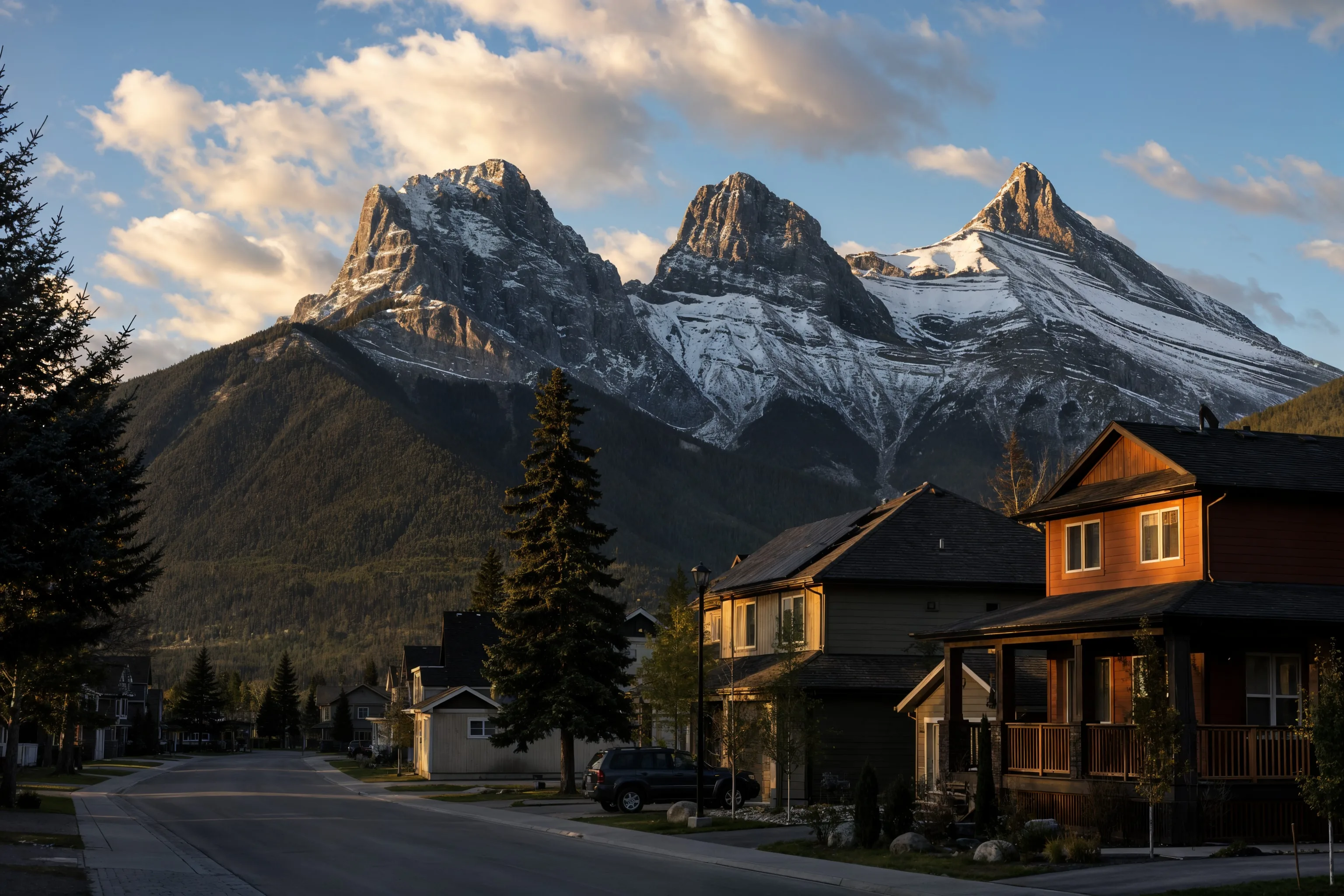
Solar financing for Canmore, Alberta properties starts with one document: your most recent power bill. Alberta utility bills include a 12-month usage graph on the back page, and that graph is the foundation of every system we design. We pull the annual consumption figure, model it against your roof orientation, shading conditions, and available ground space, then size the array before we talk about a payment structure. Financing a system that's too small leaves you with a bill plus a loan payment. Financing a system that's oversized wastes capital. Neither outcome serves you. Residential and acreage systems in the 8 to 15 kW range are typical for this area, with 10 kW being a common starting point for a single home with moderate usage. Properties with heated shops, in-floor heat, or electric vehicle charging often land higher in that range. On the equipment side, we install LONGi panels and APsystems microinverters as our standard residential package. LONGi panels carry a strong performance warranty and a track record on Canadian rooftops. APsystems microinverters convert power at the panel level, which means shading from a dormer, chimney, or nearby tree doesn't drag down the whole array. For mountain properties where roof angles and surrounding terrain create partial shade, panel-level conversion is worth understanding before you commit. Financing terms vary by lender and by project scope. We'll walk through the options that fit your system size and credit profile during the design review, not before we know what the system actually needs to do.
Solar Planning for Canmore Properties
Properties in and around Canmore run the full spectrum, from townhomes and single-family residences to larger acreages with outbuildings and heated garages. That mix matters when you're planning a solar install, because the right system size depends entirely on what's drawing power on your property, not on a generalized estimate pulled from a brochure. FortisAlberta is the wire service here. Your solar system connects back to that grid under Alberta's micro-generation rules, and Range Road Solar handles the interconnection application as part of every project. Financing changes the conversation in a useful way. Instead of asking what a system costs upfront, we start by asking what your bill looks like and what offset you want to achieve. Once we've sized the system to your actual usage, we structure financing so the monthly payment sits alongside, or below, what you were already paying for power. That framing only works if the system design is honest from the start. We don't inflate production numbers to make a payment look attractive. We provide honest production estimates based on your actual power bills and site conditions, not inflated projections.
Electrical Site Review for Canmore Properties
Voltage Rise
Voltage rise happens when a solar system pushes power back toward the grid and the voltage at the meter climbs above acceptable limits. On distribution lines serving mountain-area properties, line impedance can amplify this effect depending on how far the property sits from the substation. If voltage rise is a concern, it affects how the inverters are configured and may influence the maximum system size the utility will approve.
Single-Phase vs Three-Phase
Properties in rural Alberta are served by either single-phase or three-phase power, and the distinction matters for how a solar system is configured. Single-phase service, which is standard for most residences, works well with APsystems microinverters paired to individual panels. Properties with three-phase service, more common where there's significant commercial or industrial load, require a different inverter selection and balancing approach across phases.
Panel Infrastructure
Older electrical panels on established properties sometimes don't have the breaker capacity to support a new solar circuit without a service upgrade. We assess the main panel during the site review, checking available breaker slots, the rated amperage of the panel, and the age of the equipment. If the panel can't support the system safely, we include the upgrade in the project scope so there are no surprises after financing is signed.
Service Entrance Review
The service entrance and meter base are what FortisAlberta inspects as part of the micro-generation application process. We check the meter base condition, the weatherhead, and the service entrance conductors to confirm they meet current standards. If the meter base needs to be upgraded to support bi-directional metering, we identify that during the design review and include it in the project scope before any paperwork is filed.
Right-Sizing Solar for Canmore Properties
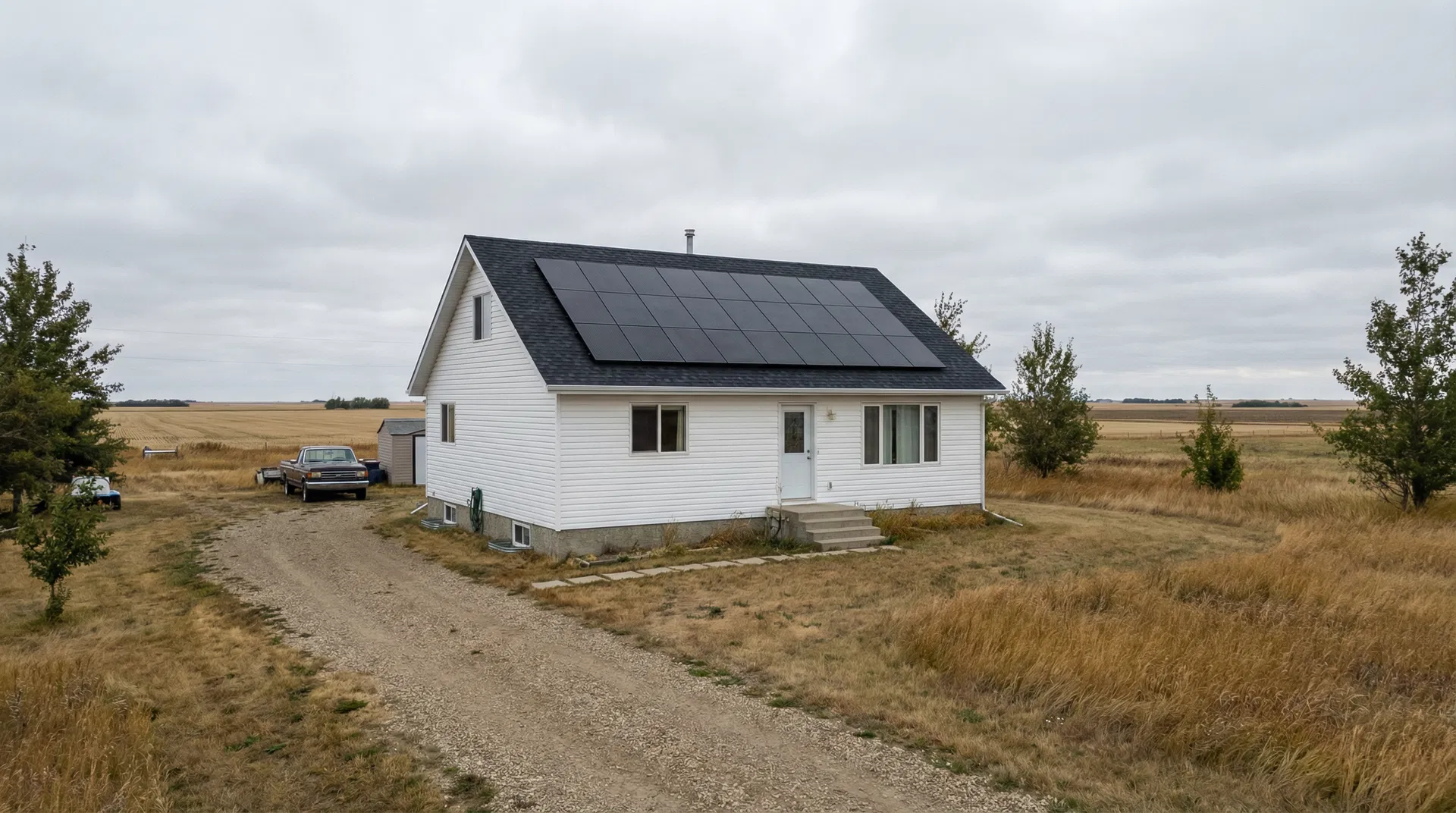
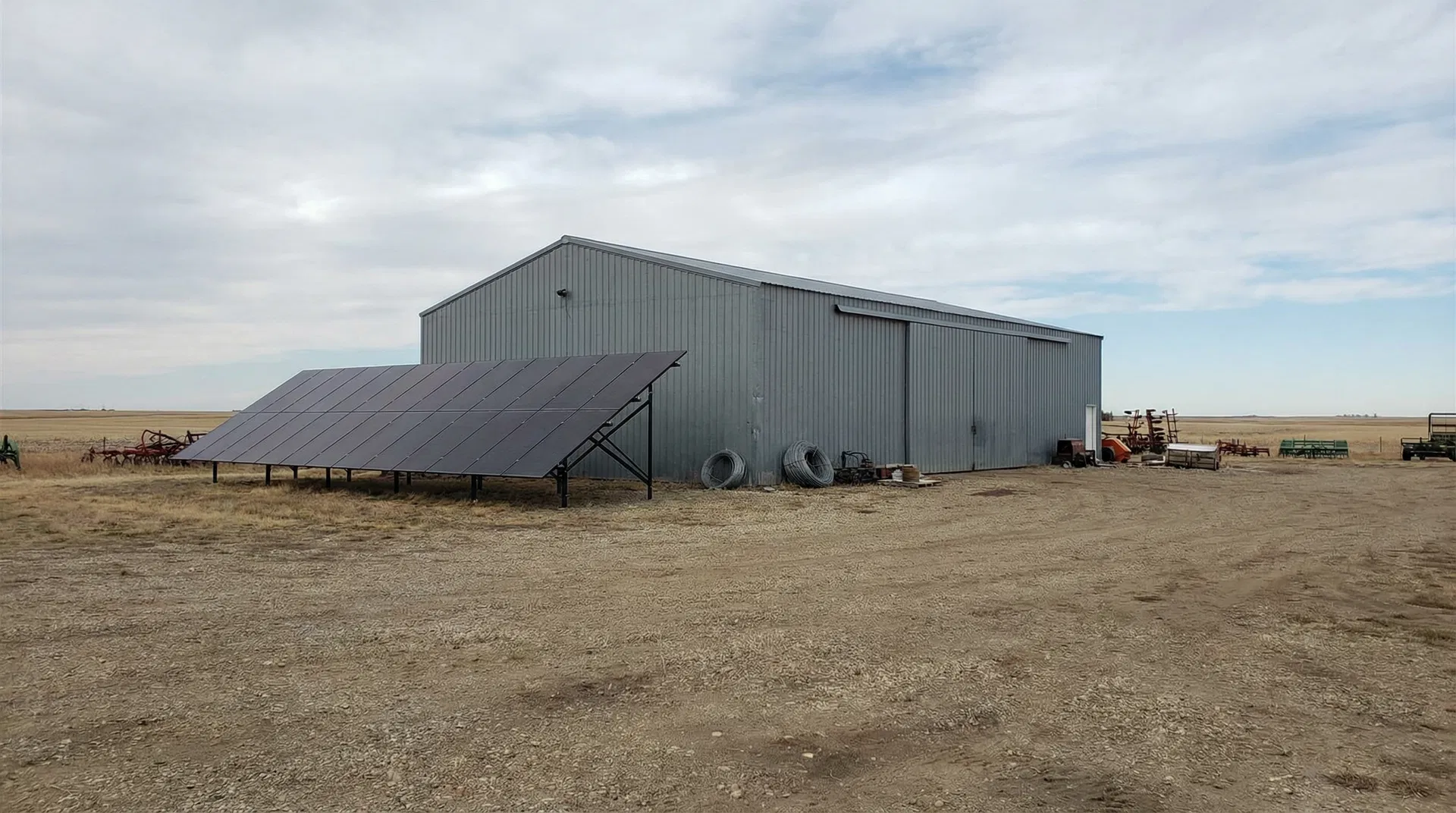
Rural and semi-rural properties in Alberta often carry more electrical load than a standard suburban home, and that changes the system size conversation considerably. A residence with a heated shop, a detached garage, in-floor heating, or electric vehicle charging isn't running the same annual consumption as a townhome. We don't assume. We pull the 12-month usage graph from your most recent power bill and build the system around what your property actually uses across all twelve months, not a summer-month snapshot. The roof-versus-ground-mount decision comes down to your specific site. Canmore properties sometimes have steep roof pitches, dormers, or significant tree and terrain shading that limits how much of the roof is usable. When that's the case, a ground mount on available flat land often delivers a cleaner array with better orientation and no shading compromise. Ground mounts also make sense when the loads are spread across multiple buildings and a centrally located array makes more sense than putting panels on each structure. For properties where the roof works well, we assess pitch, azimuth, and shading before confirming it as the right choice. We don't default to roof or ground mount based on what's easier to install. We choose based on what delivers the production your usage requires. Sizing from the 12-month usage graph means the system is designed for your full annual load cycle, including the high-draw winter months. That's the only way to make a financed payment structure honest.
Typical Load Profiles We Design For Near Canmore
Home with Heated Garage or Shop
A home paired with a heated detached garage or workshop adds meaningful electrical load through the winter months, often pushing annual consumption well above what a house alone would use. We size these systems from the full 12-month usage graph on your most recent power bill, capturing both the heating season draw and the summer baseline. Systems for this profile frequently land in the 12 to 15 kW range depending on shop size and heating setup.
Residential with EV Charging
Adding an electric vehicle to a household load changes the consumption profile in a predictable way: overnight charging adds a consistent daily draw that shows up clearly on the 12-month usage graph. We factor that load into the system design rather than treating it as an afterthought. For a home with one or two EVs charging regularly, that addition alone can shift the right system size by 2 to 3 kW.
Multi-Building Acreage
An acreage with a main house, a secondary suite or carriage house, and additional outbuildings carries a combined load that a single panel count won't cover if it's sized for the residence alone. We review the billing for all metered structures where possible and design the array to address the dominant load profile. Ground-mount configurations are often the right answer here, placing the array where it serves the site rather than being constrained by any single roofline.
FortisAlberta Interconnection in Canmore
FortisAlberta distributes electricity in Canmore and handles the grid connection review for micro-generation systems installed here. Before your system can export power back to the grid, FortisAlberta reviews the interconnection application and approves the design package. Range Road Solar prepares and submits that application on your behalf. We put together the single-line diagram, equipment specs, and supporting documentation that FortisAlberta requires. You don't have to track down forms or figure out what the utility needs from a technical submission. For properties on a financed system, the interconnection timeline is something we factor into project scheduling. The system isn't commissioned until FortisAlberta's review is complete and permission to operate is granted. We build that into the project plan so the financing start date aligns with when the system is actually running, not when the panels go on the roof. If your meter base or service entrance needs an upgrade to meet FortisAlberta's requirements, we identify that during the site review and include it in the project scope before financing is structured.
Project Economics and Design Review
| System Size | Annual Production | Year 1 Savings | Payback Period |
|---|---|---|---|
| 8-15 kW range, 10 kW typical |
Production, savings, and payback figures require a property-specific design and your most recent power bill before any estimate is valid.
How We Work in Canmore
Bill and Load Review
We review your power bill to understand your energy use in Canmore and size the system to your actual consumption, not a generic estimate.
Site Assessment
We assess your roof or ground area, south-facing exposure, electrical service, and utility interconnection requirements specific to your property.
Design and Utility Application
We produce a system layout, production estimate, and cost summary, then submit your micro-generation application to your utility on your behalf.
Installation and Commissioning
Our crew installs racking, panels, inverter, and electrical connections. All work is performed by licensed electricians. We commission and test before handoff.
Current Program and Interconnection Review
Utility connection review
FortisAlberta reviews all micro-generation connection applications for properties in Canmore. Range Road Solar prepares the full design package, including single-line diagrams and equipment documentation, and submits it directly to FortisAlberta on your behalf. You don't need to navigate the utility application process on your own.
Current program review
Residential, commercial, and farm properties may be eligible for programs or incentives that apply to solar installations in Alberta. Eligibility rules and program availability change, so we review what's current at the time of your design, not based on what was available when someone else got a quote. We don't promise programs we haven't confirmed are active.
Frequently Asked Questions
Get a Solar Assessment for Canmore
Submit a recent power bill and we will review your consumption and provide an honest assessment for your Canmore property. No obligation.
(587) 330-7502 Book a CallMore Solar Services in Canmore