Municipal District of Bighorn No. 8 · Commercial solar
Commercial Solar in Canmore, Alberta
Range Road Solar designs and installs commercial solar systems from 15 to 100 kW for Canmore businesses on FortisAlberta. We handle the interconnection application and the full design package.
Solar commercial solar Canmore Alberta inquiries typically come from property operators who are tired of watching their electricity line items climb without a plan. Range Road Solar works with commercial accounts in the 15 to 100 kW range, with 30 kW being a common starting point for mid-size commercial loads. Larger operations with significant HVAC, refrigeration, or industrial equipment may size toward the upper end of that range or beyond, depending on what the utility agreement allows. We install LONGi solar panels on every commercial project. For smaller commercial systems, we use APsystems microinverters, which give you panel-level monitoring and mean a single shaded panel doesn't pull down the entire array. For larger commercial systems in the 50 to 100 kW range, string inverters are often the more practical choice, and we'll walk you through why during the design review. Roof-mounted systems work well for flat commercial roofs with good structural capacity, and we assess that before any design goes forward. Ground-mount is a strong option when roof conditions aren't ideal, or when the property has available yard space that gets better orientation than the building itself. Every system we design starts with your actual load data, not a rule-of-thumb estimate. The 12-month usage graph on your most recent power bill tells us more about your real consumption pattern than any generic sizing tool.
Solar Planning for Canmore Properties
Commercial properties in Canmore carry real electrical loads. Lodges, outfitters, retail operators, warehouses, and mixed-use buildings all run equipment during daylight hours, which is exactly when a solar array is producing. That daytime overlap is what makes commercial solar worth looking at seriously. FortisAlberta is the wire service for this area, and your system connects to that grid under a micro-generation or small-generation agreement depending on system size. Both paths allow your array to offset your consumption, with export credits applied when you produce more than you use in a given hour. The economics of any specific system depend on your load profile, your building's roof or ground-mount conditions, your current rate structure, and the most current interconnection rules. We don't guess at any of those. We pull them from your most recent power bill and a proper site design. If you're running a commercial property here and you haven't looked at whether solar fits your load, it's worth the conversation. We provide honest production estimates based on your actual power bills and site conditions, not inflated projections.
Electrical Site Review for Canmore Properties
Voltage Rise
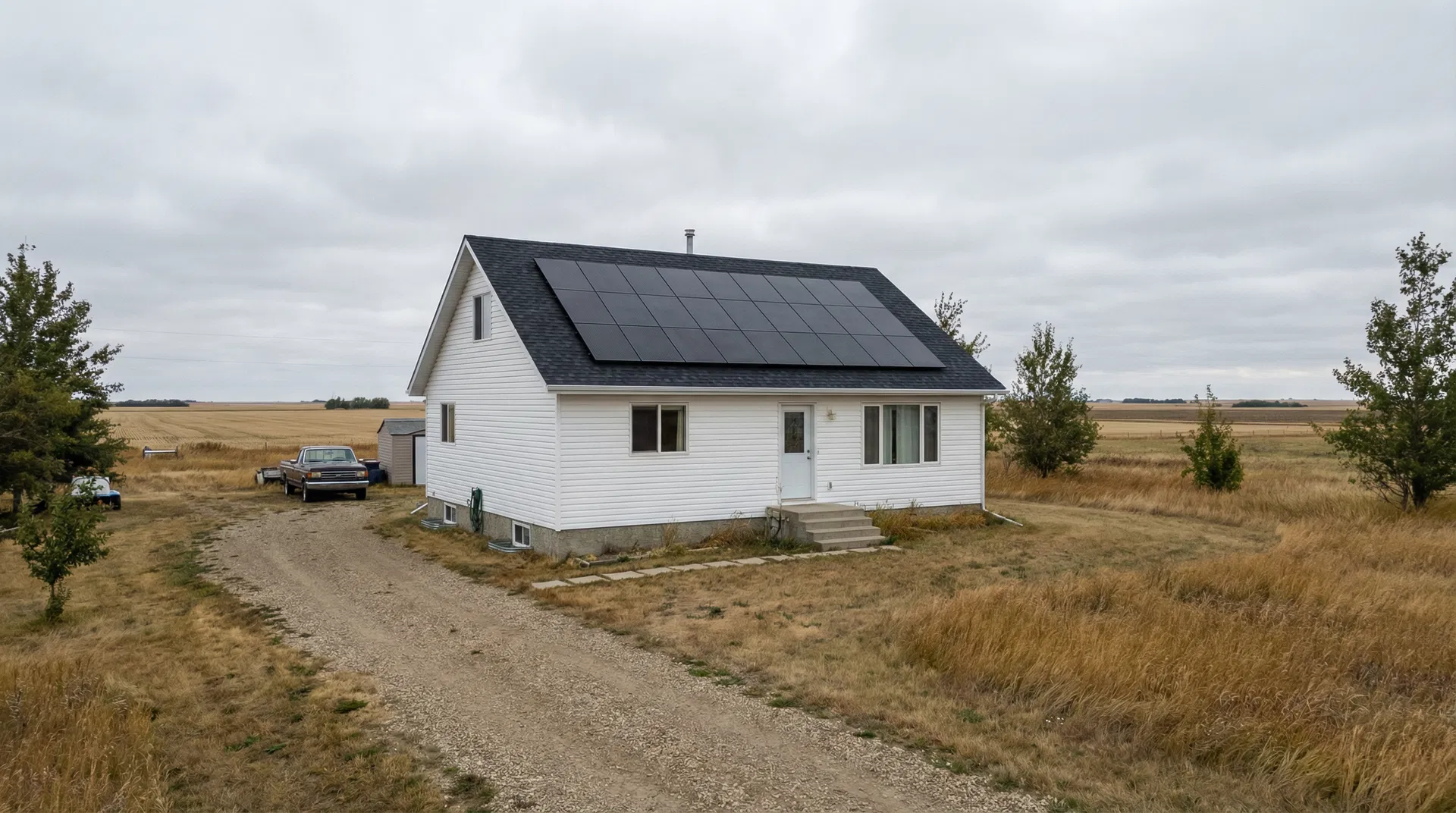
Voltage rise occurs when solar generation pushes voltage on the distribution line above acceptable limits. In areas where the distribution infrastructure runs at higher impedance, voltage rise can become a constraint that limits how much generation the utility will approve. If voltage rise is a factor at your property, it affects inverter clipping behaviour and may require system sizing adjustments to stay within FortisAlberta's interconnection limits.
Single-Phase vs Three-Phase
Commercial properties in Alberta can be served by single-phase or three-phase electrical service, and that distinction matters when selecting inverters and sizing the system. Three-phase service allows for larger system capacity and gives us more flexibility in inverter configuration for loads like motors, HVAC compressors, and industrial equipment. We confirm your service type during the site review so the system design matches what your property actually has.
Panel Infrastructure
Older electrical panels may not have the breaker capacity to support a commercial solar system without an upgrade. We assess the panel age, available breaker slots, and rated capacity as part of every site review. If the panel can't support the array safely, we'll include panel upgrade costs and scope in the design before any equipment is ordered.
Service Entrance Review
The meter base and service entrance condition are reviewed as part of the FortisAlberta interconnection application for commercial systems. A meter base that doesn't meet current standards can delay the application or require an upgrade before the utility will approve the connection. We identify service entrance issues during the site assessment so they're resolved before the application goes in, not after.
Right-Sizing Solar for Canmore Properties
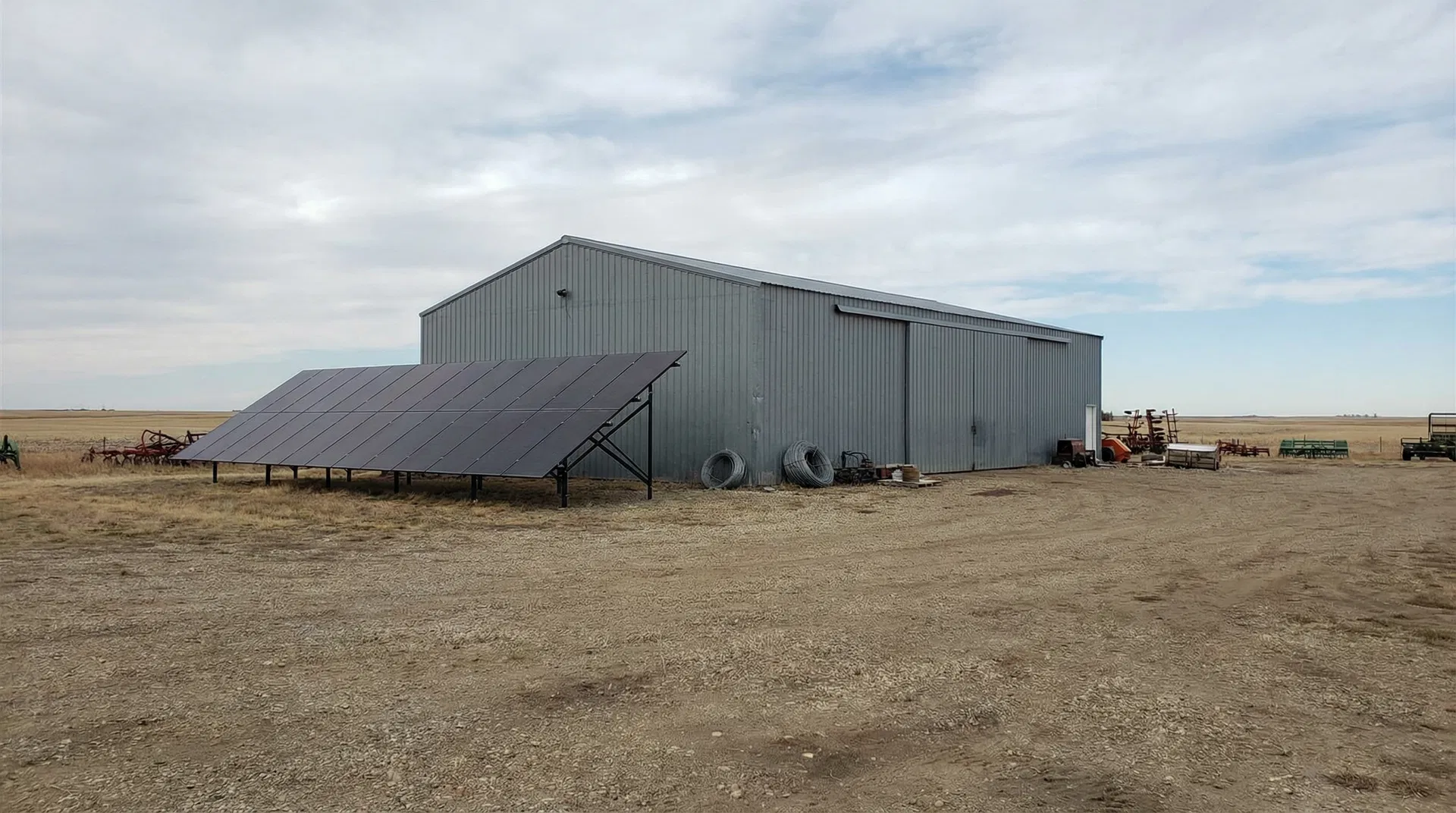
Commercial properties don't carry a single tidy load. A lodge or hospitality operation might be running HVAC, water heating, laundry equipment, kitchen loads, and common-area lighting all at once. A warehouse adds lighting, dock doors, and possibly refrigeration or compressed air. A mixed-use building stacks tenant loads on top of common-area consumption. That layering is why we don't use rule-of-thumb sizing for commercial systems. The 12-month usage graph on your most recent power bill shows us how your consumption actually behaves across seasons, and that pattern drives the system size we recommend, not a generic square-footage estimate. Roof-mount works well when the building has adequate structural capacity, a reasonable pitch or flat surface, and limited shading from surrounding structures or treeline. Ground-mount becomes the right call when the roof doesn't offer the orientation we need, when structural capacity is a question mark, or when there's open land on the property that gets better direct exposure than the building itself. For commercial properties with significant flat roof area, ballasted ground-mount racking or rooftop arrays on metal standing-seam are both on the table, depending on what the site review shows. We won't recommend a system size until we've looked at your bill data and the property layout together. That's what makes the difference between a system that performs as designed and one that underdelivers.
Typical Load Profiles We Design For Near Canmore
Hospitality and Accommodation
Lodges, motels, and short-term rental properties run continuous loads across HVAC, hot water, laundry, and common-area lighting. These loads are often heaviest during morning and early afternoon, which aligns well with solar production hours. A system sized from your most recent power bill's 12-month usage graph will reflect seasonal occupancy swings rather than applying a flat average that misrepresents your actual demand.
Retail and Commercial Office
Retail spaces and commercial offices typically run lighting, climate control, and point-of-sale or server infrastructure during business hours. A 15 to 30 kW system is a common fit for mid-size retail or professional office buildings, though the right number comes from your actual bill data, not a floor-area estimate. We look at your demand charges too, since reducing peak daytime demand can affect your total bill beyond just the energy offset.
Light Industrial and Warehouse
Warehouses and light industrial operations often have three-phase service and substantial motor, lighting, and climate loads running across a full workday. Systems in the 30 to 100 kW range are common for this property type, and three-phase service opens up string inverter configurations that handle those larger arrays efficiently. The site review confirms service type, panel capacity, and available roof or ground area before we commit to a design.
FortisAlberta Interconnection in Canmore
FortisAlberta is the distribution wire service for Canmore. Any commercial solar system installed here connects to the FortisAlberta grid, and that connection requires a formal application and a technical review by the utility before your system can be commissioned. Range Road Solar handles that application. We prepare the full design package, including the single-line diagram, equipment specifications, and site details that FortisAlberta requires to process the interconnection. You don't need to navigate that paperwork on your own. The application process for commercial systems differs from residential. Depending on system size and the existing service at your property, FortisAlberta may require additional engineering documentation or a protection relay review. We account for those requirements in the design phase so there are no surprises after equipment is on-site. What we don't do is speculate on approval timelines, credit settlement terms, or retailer-specific policy. Those details are confirmed through the current FortisAlberta rules and your specific rate class, and we review them with you during the design process.
Project Economics and Design Review
| System Size | Annual Production | Year 1 Savings | Payback Period |
|---|---|---|---|
| 15-100 kW range, 30 kW typical |
Production, savings, and payback estimates require a property-specific design and your most recent power bill before any reliable figures can be confirmed.
How We Work in Canmore
Bill and Load Review
We review your power bill to understand your energy use in Canmore and size the system to your actual consumption — not a generic estimate.
Site Assessment
We assess your roof or ground area, south-facing exposure, electrical service, and utility interconnection requirements specific to your property.
Design and Utility Application
We produce a system layout, production estimate, and cost summary, then submit your micro-generation application to your utility on your behalf.
Installation and Commissioning
Our crew installs racking, panels, inverter, and electrical connections. All work is performed by licensed electricians. We commission and test before handoff.
Current Program and Interconnection Review
Utility connection review
FortisAlberta reviews all commercial grid connection applications in the Canmore area. Range Road Solar prepares the full design package required for that application, including equipment specs and the single-line diagram. We submit the package on your behalf and follow up with the utility through the review process.
Current program review
Commercial solar projects in Alberta may be eligible for federal or provincial incentive programs depending on the business structure, system size, and current program rules. We review eligibility against the rules in effect at design time, not against outdated program descriptions. What's available changes, and we check current status before making any claims about what your project qualifies for.
Frequently Asked Questions
Get a Solar Assessment for Canmore
Submit a recent power bill and we will review your consumption and provide an honest assessment for your Canmore property. No obligation.
(587) 330-7502 Book a CallMore Solar Services in Canmore