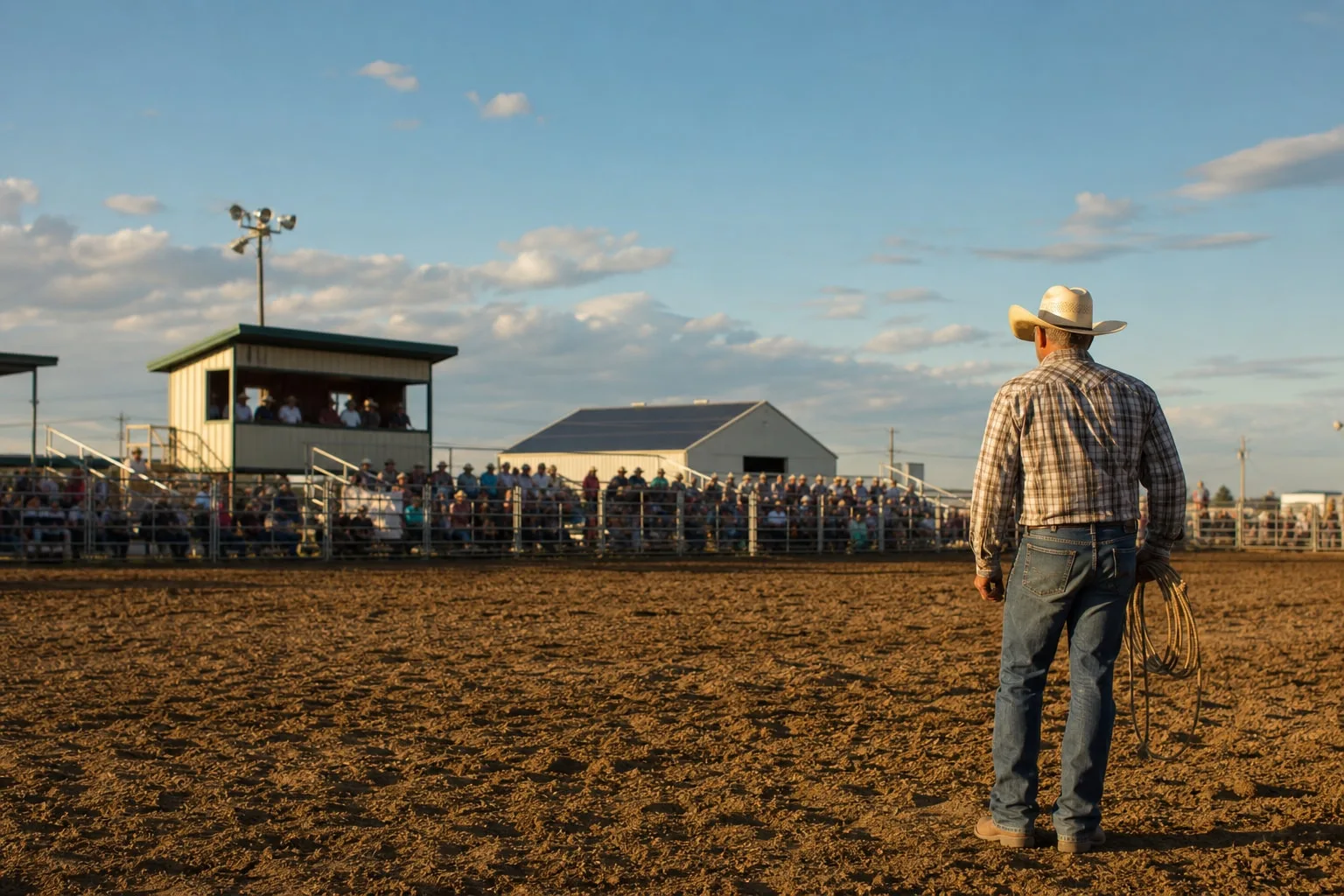
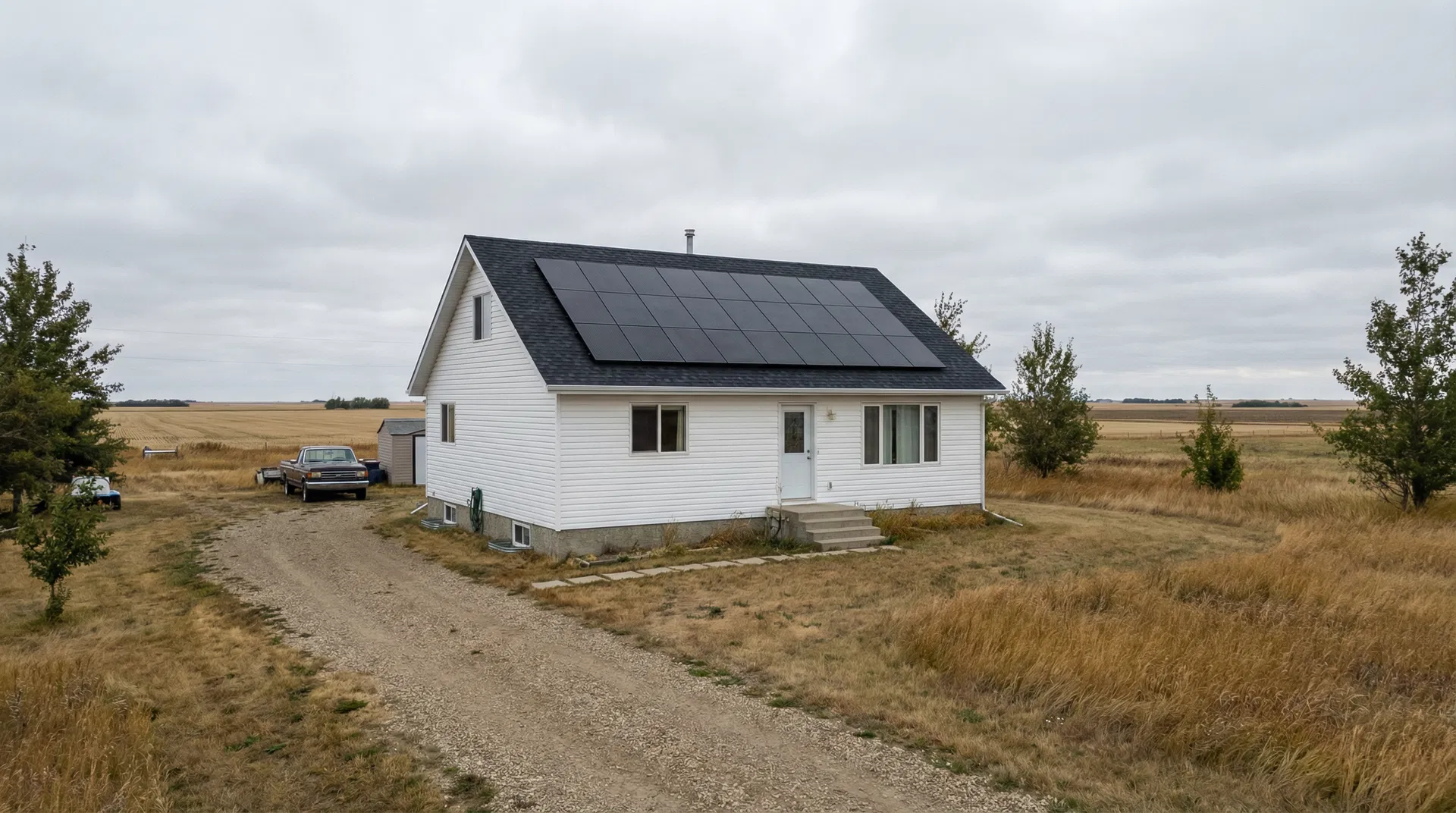
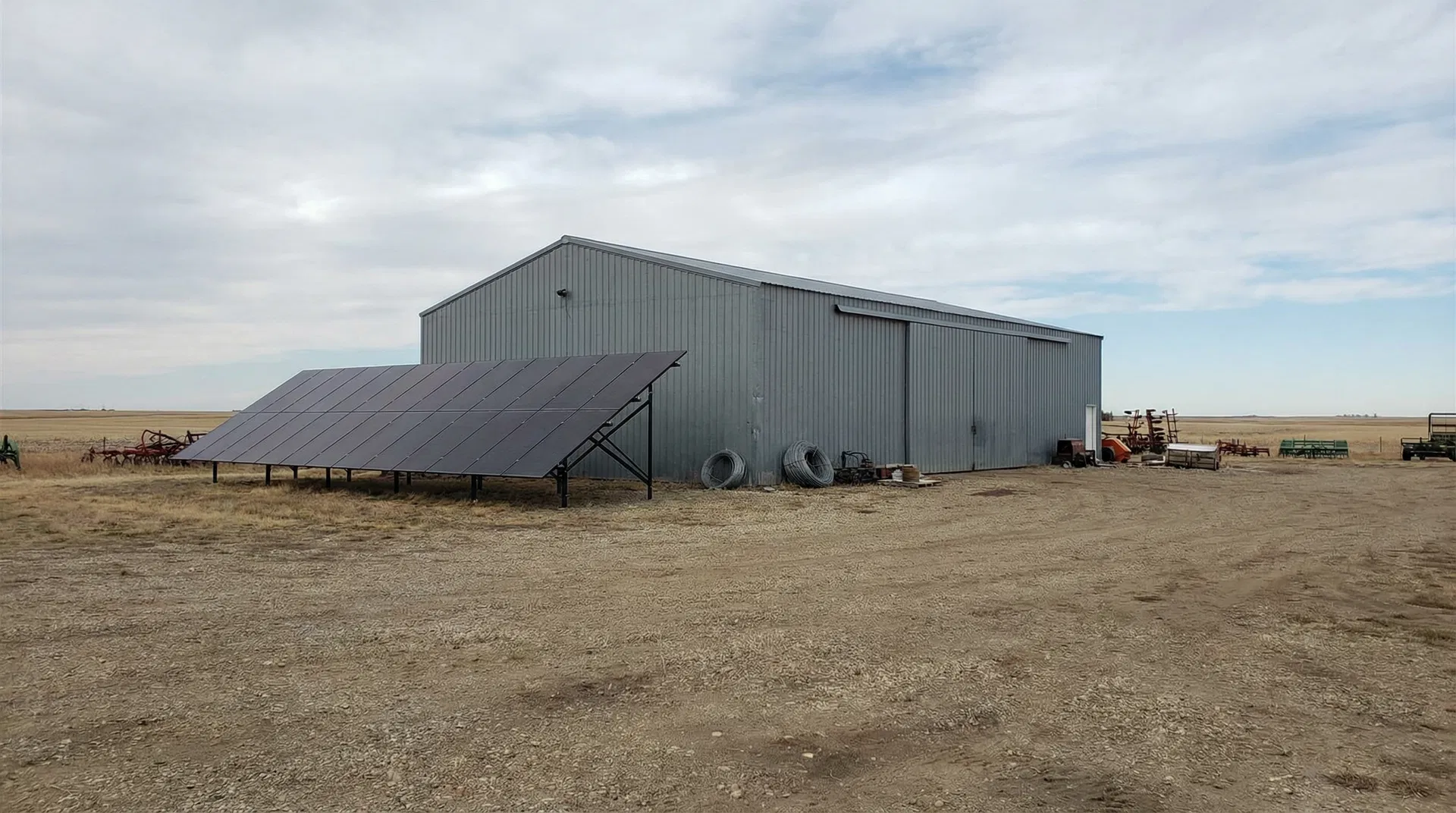
Solar installation in Stettler County looks different on every property we visit, from an in-town lot in Stettler to a working farmyard outside Erskine. Range Road Solar designs grid-tied systems using LONGi panels and APsystems microinverters, sized for homes, shops, and the outbuildings that come with acreage living. LONGi panels hold up well against the freeze-thaw cycles and wind loading that rural roofs and ground mounts see every winter in this part of Alberta, and APsystems microinverters let us build around partial shading from trees, grain bins, or machine sheds without losing production from the whole array. That module-level approach also makes troubleshooting straightforward: if one panel underperforms, it doesn't drag the rest of the string down with it. Most of the systems we design in the area fall in the 8 to 12 kW range, with 10 kW as a common starting point for a house carrying normal loads plus a detached shop. Properties with irrigation pumps, grain dryers, or heated shop space sometimes need more, and we size for that during the design review rather than guessing upfront. Roof-mount and ground-mount are both common choices here. Acreages with open yard space and a roof that doesn't face the right direction, or has too much shading from shelterbelts, often do better with a ground-mounted array. In-town lots in Stettler or Erskine typically go roof-mount by default, pending a structural check of the existing roof.
Solar Planning for Stettler County Properties
This part of Alberta covers a wide stretch of farmland, acreages, and rural residential lots, and that range shapes how we approach every solar project here. A quarter-section grain operation has different power needs than a five-acre parcel with a house and a shop, so we start with a site visit rather than a generic quote. It was established on January 1, 1955, and its population has grown from 5,322 residents in 2016 to 5,666 in the most recent census, a base built largely on farm and acreage ownership rather than dense subdivisions. That pattern matters for solar: most properties we work with here have more than one building drawing power, and system sizing has to account for that. Environment Canada's climate normals list 2,125.0 hours of bright sunshine a year at the nearby Red Deer A station, and Natural Resources Canada estimates a PV-specific yield of 1,265 kWh/kWp for this part of the province. Those are regional reference points, not a promise of what your roof or yard will produce. We confirm actual output through site design, shading analysis, and your most recent power bill, not averages pulled from a map.
Electrical Site Review for Stettler County Properties
Voltage Rise
Voltage rise happens when power has to travel a long distance along a distribution line before it reaches your service, and rural feeders in this area can run longer than in-town circuits. Higher voltage rise at your connection point affects how much headroom an inverter has before it clips output to stay within range. We check this during the design review so the system is sized and configured for the voltage conditions at your specific property, not a general assumption.
Single-Phase vs Three-Phase
Properties in this area may have single-phase or three-phase electrical service, depending on when the property was built and what kind of equipment it runs. That distinction matters for solar because inverter selection and total system capacity both depend on which phase configuration is present. We confirm your service type during the site visit so the microinverter setup matches what's actually available at your panel.
Panel Infrastructure
Older rural properties sometimes carry an electrical panel with limited breaker capacity, and we check the panel's age and rated capacity before finalizing a system design. We're looking for whether the existing panel has room for the added solar breakers and whether it's still rated for current code. If it can't support the system, an upgrade means a new panel sized to handle both your existing loads and the solar connection.
Service Entrance Review
We review the service entrance and meter base condition as part of every site visit, since FortisAlberta's micro-generation application requires equipment that meets current standards. A meter base that's aged, undersized, or doesn't match the proposed system can hold up the interconnection application. When an upgrade is required, we fold it into the project scope so the service entrance, meter base, and solar connection all pass review together.
Right-Sizing Solar for Stettler County Properties
Rural systems in this area are almost always bigger than a typical in-town rooftop, and that's because rural properties rarely have just one load. A house might share a service with a heated shop, a well pump, grain-handling equipment, or irrigation, and all of that factors into system size. We don't size off a rule-of-thumb number per square foot of house. We size off the 12-month usage graph on your most recent power bill, which shows how your actual consumption moves through the year, including seasonal spikes from things like block heaters or grain dryers. Roof-mount versus ground-mount is a separate decision, and it comes down to the property itself. A roof that's shaded by shelterbelts or outbuildings, pitched the wrong direction, or simply too small for the array you need often rules itself out in favor of a ground mount. Acreages with open yard space and no shading make ground-mount straightforward, and it also keeps the array off a roof that may need re-shingling before the panels' service life is up. Either way, the starting point is the same: your most recent power bill and a site visit. From there we model a system in the 8 to 12 kW range for most homes here, adjusted up or down once we've seen your actual usage pattern and the property's physical layout.
Typical Load Profiles We Design For Near Stettler County
Home + Heated Shop
This is one of the most common setups we see on acreages here: a house plus a detached shop with heat, often used for equipment storage or a side business. The shop's heater and any power tools add a load pattern that's different from the house alone, so we pull both onto the same usage graph when sizing. Your most recent power bill shows that combined pattern, and the site design accounts for how the two buildings are wired together.
Acreage with Irrigation or Grain Handling
Properties running irrigation pumps or grain-handling equipment like augers and dryers see sharp seasonal spikes rather than steady year-round use. That load profile shows up clearly on the usage graph from your most recent power bill, with specific months standing out from the baseline. We size around those peak months rather than an annual average, since an average would undersize the system for when you actually need it most.
Home with Oilfield Equipment Yard
Some properties in this area support oil and gas sector work with a yard, compressor, or other field equipment drawing power alongside the house. That equipment can run on a different schedule than typical household use, so we treat it as its own load when reviewing your bill and site conditions. The design review accounts for both the house and the equipment yard so the system is sized for the property as it's actually used, not just the home.
FortisAlberta Interconnection in Stettler County
FortisAlberta is the wire service across this part of Alberta, which means every grid-tied solar system here goes through FortisAlberta's micro-generation interconnection process before it's allowed to operate. Range Road Solar prepares and submits that application as part of your project, including the electrical design package FortisAlberta requires to review the connection. We handle the paperwork end to end: single-line diagrams, equipment specifications for the LONGi panels and APsystems microinverters, and the site-specific details FortisAlberta asks for on a rural service. You won't need to track down forms or call the utility yourself. What we don't do is promise a specific approval timeline, credit arrangement, or payout structure, because those terms come from FortisAlberta and the retailer on your account, not from us. We confirm the current process and requirements at the time of your design review, so you're working from accurate information rather than guesswork.
Project Economics and Design Review
| System Size | Annual Production | Year 1 Savings | Payback Period |
|---|---|---|---|
| 8-12 kW range, 10 kW typical |
Production, savings, and payback figures are only provided after a property-specific design review that uses your most recent power bill.
How We Work in Stettler County
Bill and Load Review
We review your power bill to understand your energy use in Stettler County and size the system to your actual consumption, not a generic estimate.
Site Assessment
We assess your roof or ground area, south-facing exposure, electrical service, and utility interconnection requirements specific to your property.
Design and Utility Application
We produce a system layout, production estimate, and cost summary, then submit your micro-generation application to your utility on your behalf.
Installation and Commissioning
Our crew installs racking, panels, inverter, and electrical connections. All work is performed by licensed electricians. We commission and test before handoff.
Current Program and Interconnection Review
Utility connection review
FortisAlberta reviews every micro-generation interconnection application before a grid-tied system can operate here. Range Road Solar prepares the full design package, including single-line diagrams and equipment specs, and submits it on your behalf.
Current program review
Eligibility for residential, farm, and commercial solar varies by property type and changes as programs come and go. We review your project against whatever rules are current at the time of your design review, rather than relying on information that may be out of date.
Frequently Asked Questions
Get a Solar Assessment for Stettler County
Submit a recent power bill and we will review your consumption and provide an honest assessment for your Stettler County property. No obligation.
(587) 330-7502 Book a CallRelated Resources