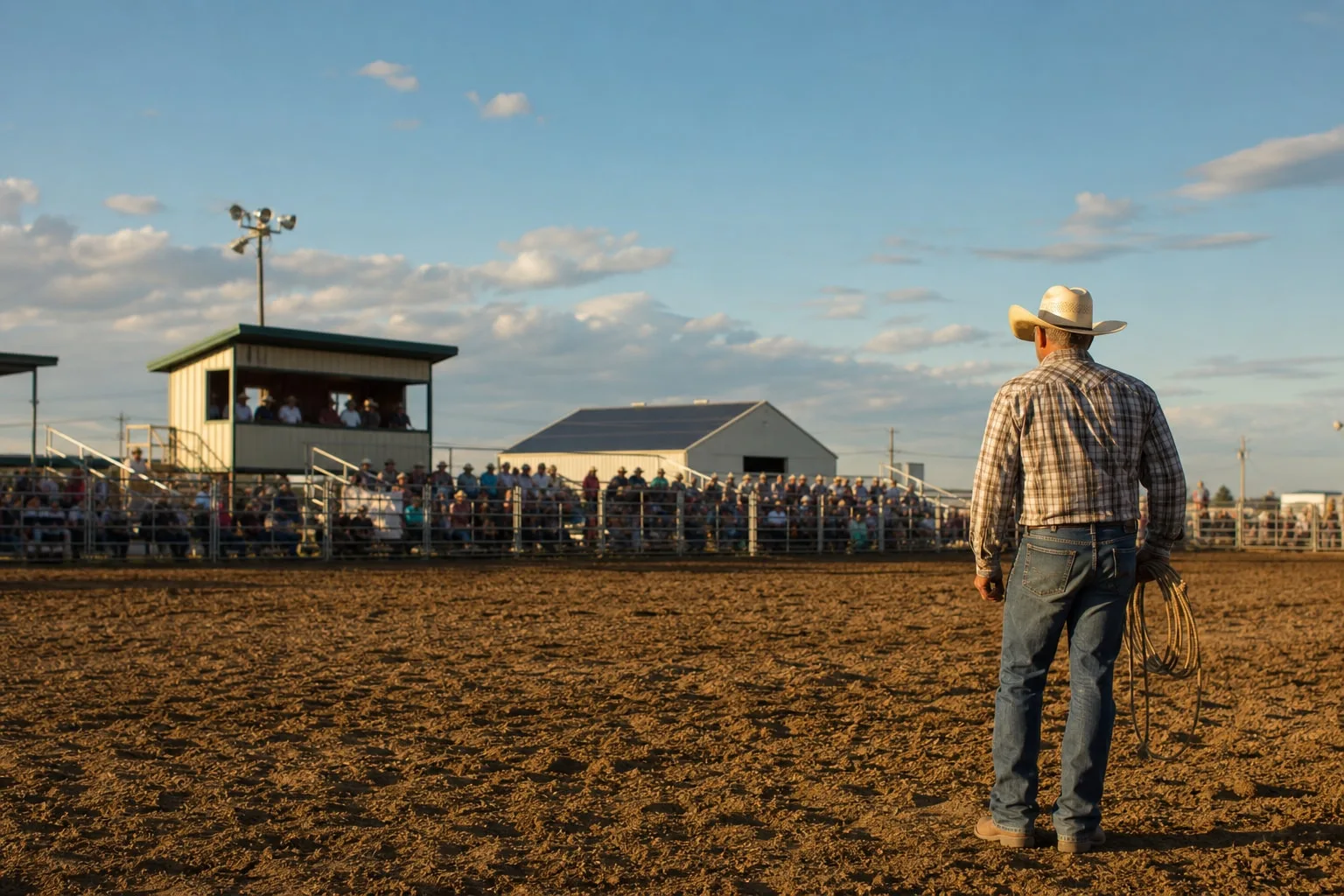
Acreage solar systems in Stettler County are built for properties running more than a house: a shop, a barn, a grain bin site, maybe an irrigation pump. We install 12 to 18 kW systems as the norm here, with most properties landing around 15 kW once we've mapped out what's on the meter. Every system uses LONGi panels, chosen for consistent output and a manufacturer warranty that holds up under the temperature swings rural electrical services see year to year. On the inverter side, we use APsystems microinverters. On a property with multiple roof planes, like a house roof at one pitch and a shop roof at another, microinverters let each panel operate independently, so shading on one section of roof or a tree line near the yard doesn't drag down the whole array's output. For layouts where the roof doesn't work, whether that's an older shop roof, heavy tree cover, or just not enough south-facing area, we design a ground-mount array instead. Ground mount also gives us more control over tilt angle, which matters on properties with room to spread an array out rather than cram it onto one roof plane. Every install starts the same way: a site visit to look at the electrical service, the roof or open ground available, and a review of your most recent power bill. From there we put together a design package specific to that property, not a stock size pulled from a brochure.
Solar Planning for Stettler County Properties
This area is known regionally as an Agricultural Hub, with an active Oil and Gas Sector running alongside it. Properties out here rarely run on a single load. A house might share a meter with a heated shop, a grain dryer, or wellsite equipment, and that changes how a system gets sized from the start. Population here grew from 5,322 in the 2,016 census to 5,666 in 2021, and a lot of that growth shows up on acreages, not in a town core. This area was established January 1, 1955, and much of the electrical infrastructure out here reflects decades of incremental farm and acreage buildout rather than a planned subdivision grid. That history matters when we're reviewing service capacity and panel age before we design anything. We don't hand a property here a standard rooftop kit. We start with a site walk, a look at what's actually drawing power, and your most recent power bill. From there, we figure out whether roof space, ground mount, or a mix of both makes sense for the layout you've actually got, whether that's a quiet acreage or one sitting next to an oil and gas lease.

Electrical Site Review for Stettler County Properties
Voltage Rise
Rural distribution lines can run long distances between the transformer and the property, and voltage on the line can drift higher than it would on a shorter urban run. That drift affects how much headroom an inverter has before it starts clipping output to stay within its operating voltage window. We measure voltage at the panel during our site visit so the system gets sized with that headroom built in, not discovered after installation.
Single-Phase vs Three-Phase
Some acreages in this area run single-phase service, and others, especially those with larger shop equipment or irrigation pumps, run three-phase. That distinction changes which inverter models are compatible and how much total system capacity the service can support. We confirm which type of service a property has before we spec equipment, since designing around the wrong phase type means a redesign later.
Panel Infrastructure
A lot of rural electrical panels were installed decades ago and weren't sized with solar, or today's shop and outbuilding loads, in mind. We check breaker capacity, panel age, and available bus space before finalizing a design. If the panel can't support the added solar breaker, an upgrade means a new panel or a supplemental subpanel, and we scope that as part of the design package rather than as a surprise mid-install.
Service Entrance Review
We inspect the service entrance and meter base condition as part of every site visit, since a worn or outdated meter base can hold up a micro-generation application to FortisAlberta. If the meter base doesn't meet current standards, we flag the upgrade needed before submitting paperwork, so it's addressed on our timeline instead of stalling the application partway through.
Right-Sizing Solar for Stettler County Properties
Rural systems tend to run bigger than a typical in-town rooftop system, and it's not because rural properties use more power for the sake of it. It's because there's usually more than one thing pulling from the meter: the house, a heated shop, outbuildings, maybe a grain dryer or an irrigation pump running seasonally. Sizing for one of those loads and ignoring the rest leaves a system that can't keep up. Roof versus ground mount comes down to what the property actually offers. If the roof has good south-facing area, decent pitch, and isn't shaded by trees or a neighboring building, it's usually the simpler and more cost-effective choice. Ground mount makes more sense when the roof is shaded, poorly pitched, covered in older or brittle shingles, or when the yard is spread out enough that there's open ground to work with instead of fighting a rooftop layout. Either way, we don't size a system off a rule-of-thumb number like watts per square foot of roof. We pull the 12-month usage graph off your most recent power bill and use that actual usage pattern, month by month, to figure out what size system makes sense. Combined with a site design that accounts for shading, orientation, and roof or ground conditions, that gives us a system sized for how the property actually uses power, not a generic estimate.
Typical Load Profiles We Design For Near Stettler County
Home + Heated Shop
This is the most common layout we see on acreages here: a house plus a detached shop with its own heat, lighting, and often welding or compressor equipment. Because the shop often runs on the same meter as the house, we size the system off the combined usage pattern on your most recent power bill rather than treating the shop as an afterthought. Depending on shop size and how it's used seasonally, this layout often lands in the 12 to 18 kW range.
Acreage with Grain Handling
Grain drying and handling equipment can pull hard for short, intense periods during harvest, which shows up as sharp spikes on a power bill's usage graph rather than steady daily draw. We look at that seasonal pattern specifically, since sizing off an average monthly number would undersize a system for harvest weeks and oversize it the rest of the year. LONGi panels and APsystems microinverters give us the flexibility to size around that kind of uneven load.
Oil and Gas Lease Support
Some properties out here near active oil and gas leases run wellsite-adjacent equipment or backup power infrastructure alongside normal household use. These setups often call for three-phase service and a design that accounts for equipment that may run intermittently rather than continuously. We size these systems from a site visit and your most recent power bill, not a generic acreage template.
FortisAlberta Interconnection in Stettler County
FortisAlberta is the wire service for this property, and that shapes how the interconnection application for an acreage solar system gets filed. Range Road Solar handles that paperwork directly: the single-line diagram, the equipment specifications for the LONGi panels and APsystems microinverters, and the site details FortisAlberta needs to review a micro-generation connection. We prepare that package as part of every acreage solar design, so you're not the one chasing down forms or translating electrical specs into what a wire service wants to see. Because acreage properties often carry a mix of loads, home, shop, outbuildings, we make sure the application reflects the full system as designed, not just the panel count. Current interconnection rules and requirements are confirmed with FortisAlberta at the time of application, since those can change. We stay on top of that so you don't have to, and we walk you through what the application means for your specific property before anything gets submitted.
Project Economics and Design Review
| System Size | Annual Production | Year 1 Savings | Payback Period |
|---|---|---|---|
| 12-18 kW range, 15 kW typical |
Production, savings, and payback figures depend on a property-specific design and your most recent power bill, and we provide those only after a design review.
How We Work in Stettler County
Bill and Load Review
We review your power bill to understand your energy use in Stettler County and size the system to your actual consumption, not a generic estimate.
Site Assessment
We assess your roof or ground area, south-facing exposure, electrical service, and utility interconnection requirements specific to your property.
Design and Utility Application
We produce a system layout, production estimate, and cost summary, then submit your micro-generation application to your utility on your behalf.
Installation and Commissioning
Our crew installs racking, panels, inverter, and electrical connections. All work is performed by licensed electricians. We commission and test before handoff.
Current Program and Interconnection Review
Utility connection review
FortisAlberta reviews grid connection applications for micro-generation systems like acreage solar installs. Range Road Solar prepares and submits the full design package on your behalf, including equipment specs and the single-line diagram FortisAlberta requires to process the application.
Current program review
Eligibility for any current commercial, farm, or residential program is reviewed against the rules in place at the time of your design, since requirements and availability change. We check what applies to your specific property and use case as part of the design review, rather than assuming a blanket answer.

Frequently Asked Questions
Get a Solar Assessment for Stettler County
Submit a recent power bill and we will review your consumption and provide an honest assessment for your Stettler County property. No obligation.
(587) 330-7502 Book a CallRelated Resources