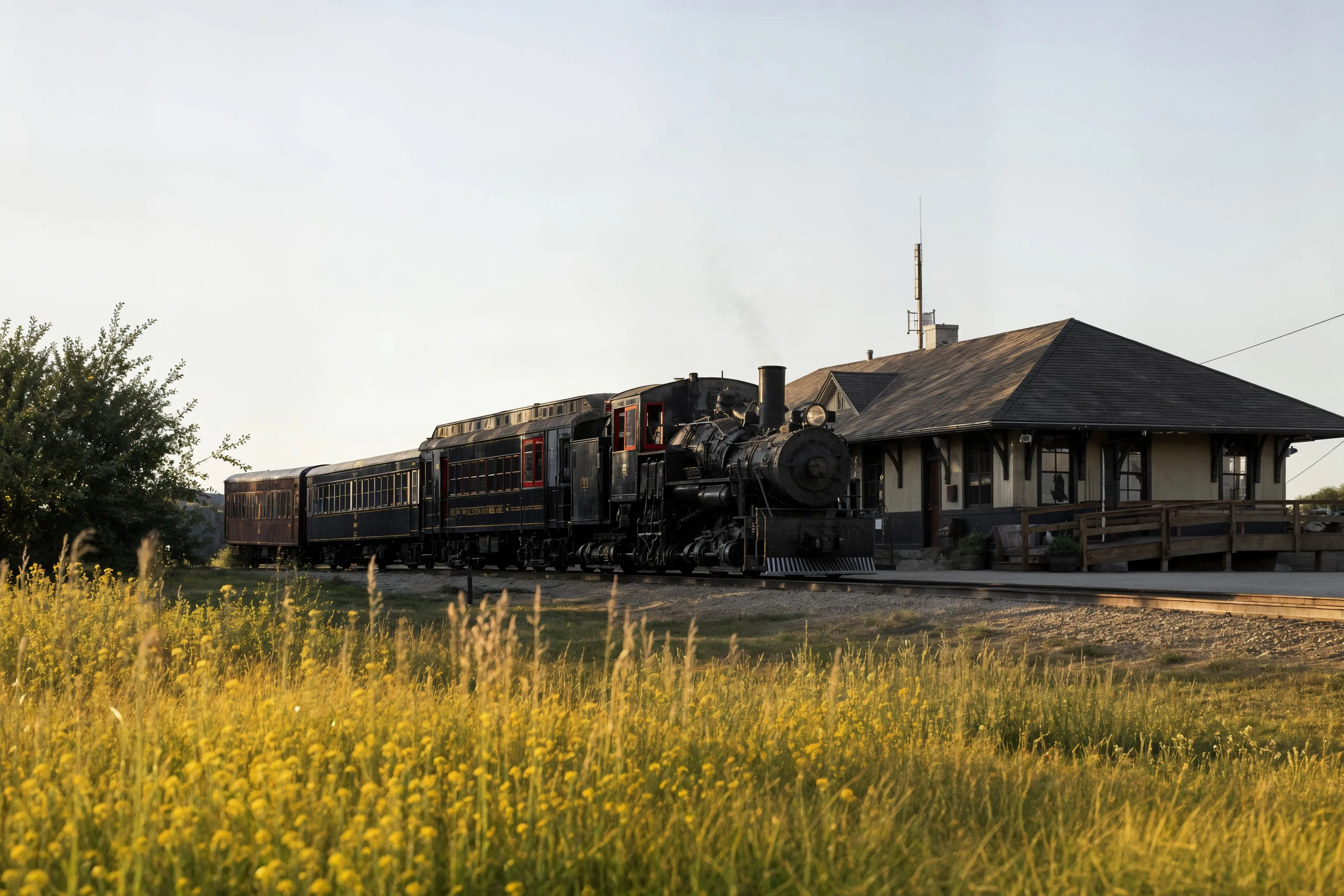
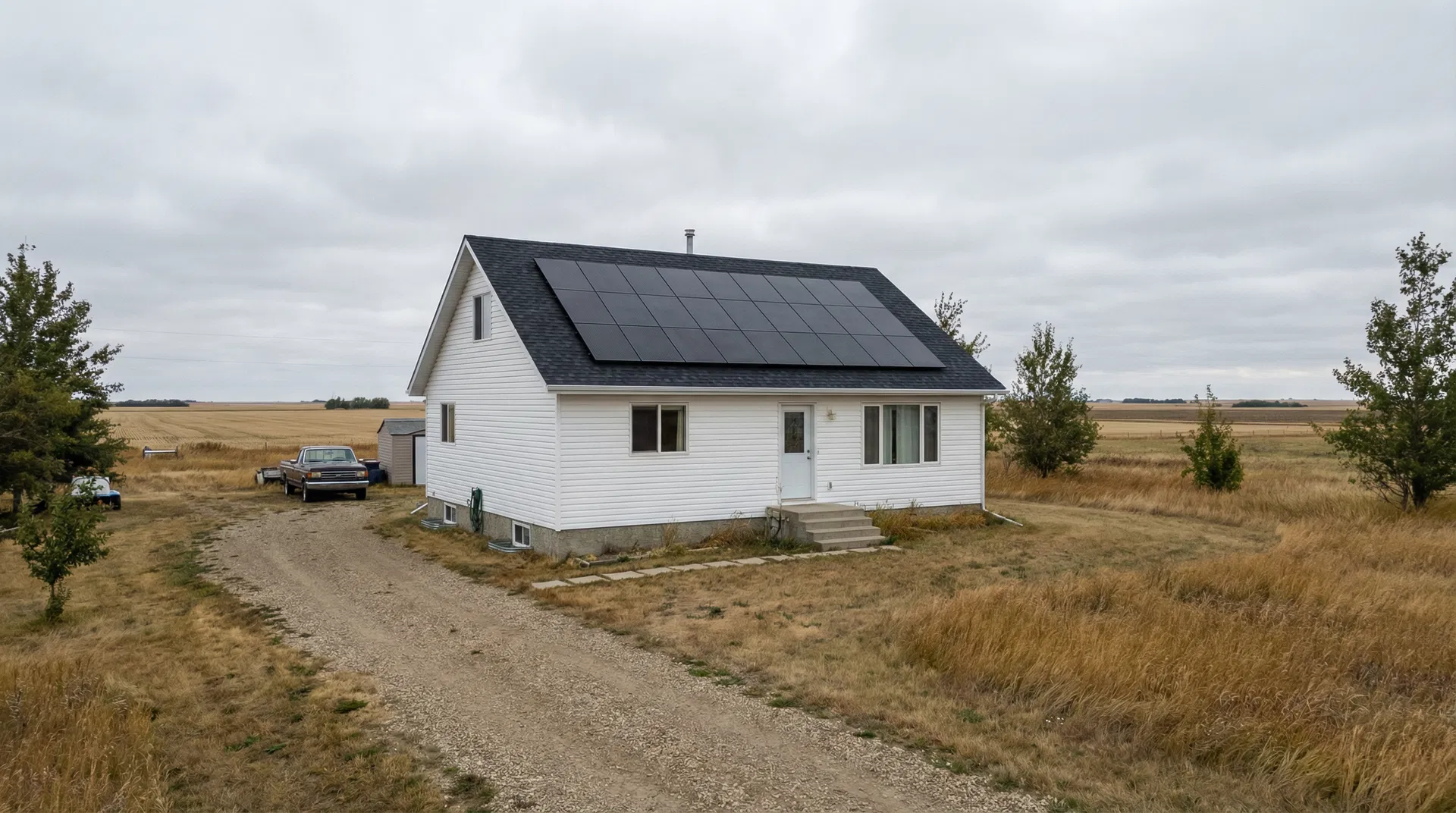
Acreage solar in Stettler means sizing for more than a rooftop: it means the house, a shop, and whatever else is pulling power off the same service entrance. Most of the acreage systems we install land in the 12 to 18 kW range, with 15 kW a common landing point once we've walked the property and reviewed the most recent power bill. We use LONGi panels paired with APsystems microinverters on nearly every acreage job. Microinverters make sense on properties with mixed roof pitches, roof sections shaded by outbuildings or shelterbelts, or layouts where a ground-mount array makes more sense than the roof. Each panel operates independently, so one shaded panel or a section facing the wrong way doesn't drag down the output of the whole string. On a property with a house roof, a detached shop roof, and open yard space, that flexibility matters. We'll design a rooftop array where the orientation supports it, a ground-mount array where open land and shelterbelt shading make more sense, or a mix of both across two structures. Every acreage design accounts for the loads specific to rural properties: a heated shop, a well pump, grain handling equipment, or a second dwelling on the same service. We size the system from the 12-month usage graph on your most recent power bill rather than a rule-of-thumb number per square foot, because two properties with the same size house can carry very different loads once the shop and outbuildings are added in.
Solar Planning for Stettler Properties
This is a town of 5,695 people today, down from 5,952 at the last count, and the local economy still runs on Agriculture and Oil & Gas. That mix shows up in the properties we design for: a working yard with a shop, a well or two, maybe grain handling equipment, all pulling power from the same panel as the house. Acreage systems here aren't sized off a rule of thumb. We start with your most recent power bill and the 12-month usage graph on it, then walk the property to check roof orientation, ground-mount options, and what's actually drawing load. Whether your place sits closer to the grain elevators or out past where the Alberta Prairie Railway Excursions run their line, the electrical review is the same: we look at what you're running now and what you might add later, like a bin dryer or a second shop. The Stettler Town & Country Museum keeps the area's history close, but the acreages around it are working properties first, and that's what we design for. A site visit and your power bill tell us more than any generic solar calculator ever could.
Electrical Site Review for Stettler Properties
Voltage Rise
Voltage rise happens when a long or heavily loaded distribution line pushes voltage at the far end of the circuit higher than what's at the transformer. Rural acreages often sit further down the line than in-town properties, so we measure voltage at the service entrance before finalizing a design. Where voltage rise is a factor, it can affect inverter clipping and push us toward a different inverter configuration or a smaller string size than the panel count alone would suggest.
Single-Phase vs Three-Phase
Some acreages run on single-phase service, and others, especially those with three-phase motors for irrigation, grain augers, or shop equipment, have three-phase service already in place. That distinction matters because inverter selection and total system capacity depend on which service type is feeding the property. We confirm the phase configuration during the site visit rather than assuming it from the address or the size of the house.
Panel Infrastructure
Older rural properties sometimes still run on a panel installed decades before microinverters or two-way metering existed, and breaker capacity can be tighter than a newer build. We check the panel's age, its rated capacity, and whether it has room for the added breakers a solar system needs. If the panel can't support the system, an upgrade means a new panel and breakers sized for both the existing loads and the array, done ahead of or alongside the solar install.
Service Entrance Review
The service entrance and meter base are part of every site review, since ATCO Electric's micro-generation application depends on the condition and rating of that equipment. A meter base that's undersized, outdated, or not built for a two-way connection needs to be flagged before the application goes in. When an upgrade is required, we scope it as part of the project so the interconnection isn't held up waiting on equipment that should've been replaced anyway.
Right-Sizing Solar for Stettler Properties
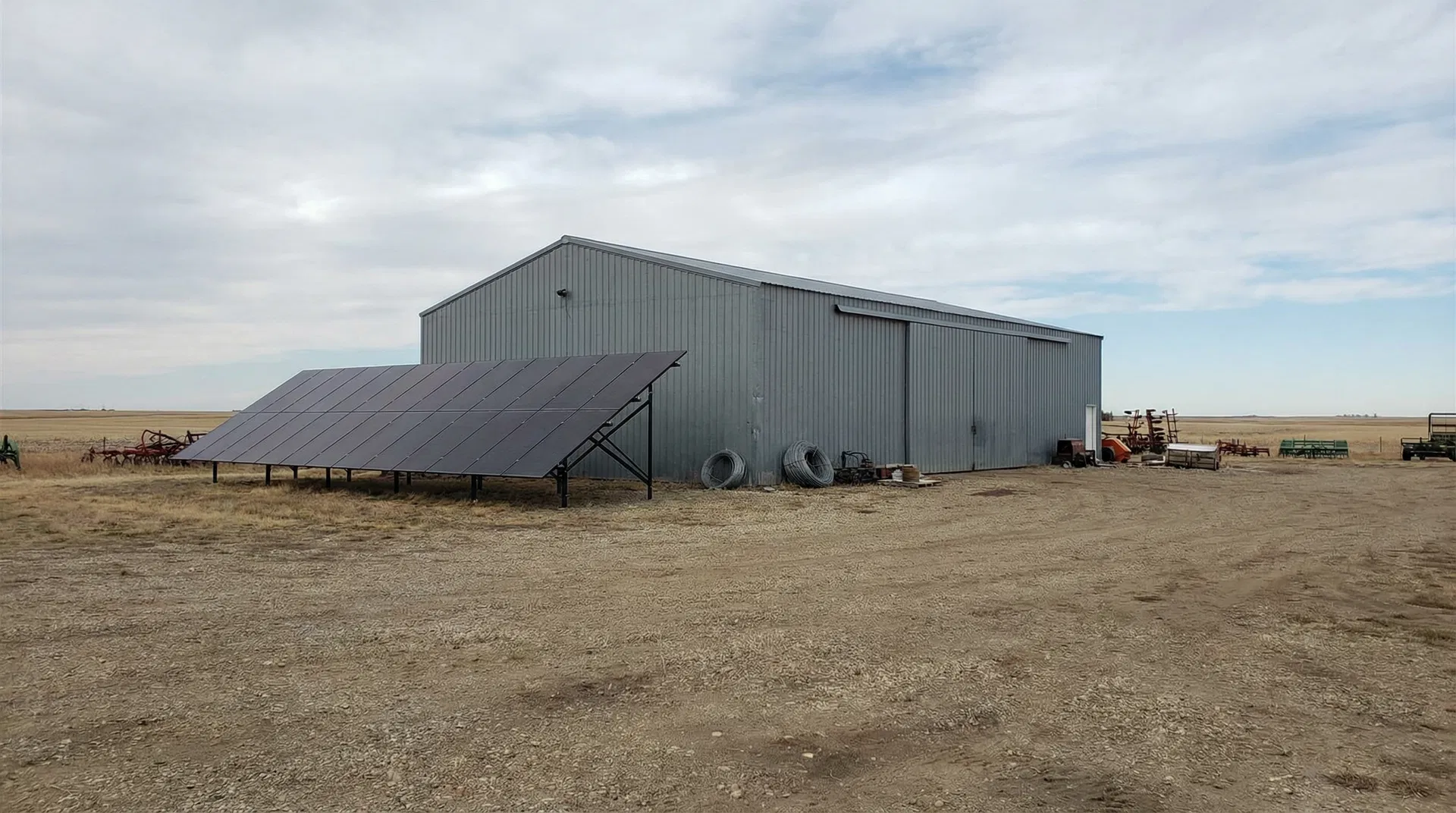
Rural Alberta properties typically need a bigger system than a comparable house in town, and it's rarely about the house alone. Add a heated shop, a well pump, grain handling equipment, or an irrigation pump, and the load profile looks nothing like a standard three-bedroom bungalow. That's why acreage systems here commonly land in the 12 to 18 kW range instead of the smaller size that's typical for an in-town roof. Roof versus ground mount comes down to the property itself. A roof with clear southern exposure and enough usable area can carry the array without issue. But when trees or a shelterbelt shade part of the roof, when the roof pitch or orientation isn't cooperating, or when the yard has open land to spare, a ground-mount array often makes more sense, and it can be sized and oriented without being locked into whatever direction the house happens to face. Either way, we don't size a system off a square-footage rule of thumb. We pull the 12-month usage graph off your most recent power bill, which shows exactly how your load moves through the year, month by month, and build the design around that real usage pattern along with a walk of the property. A shop that only runs a heater in winter looks very different on that graph than one running a compressor and welder daily.
Typical Load Profiles We Design For Near Stettler
Home + Heated Shop
This is the most common acreage profile: a house plus a detached shop with electric or in-floor heat, sometimes a welder or air compressor added in. The shop's heating load often shows up as a distinct seasonal spike on the usage graph from your most recent power bill, separate from the house's baseline draw. We size the array to cover both loads together rather than treating the shop as an afterthought.
Acreage with Well Pump and Outbuildings
Properties with their own well pump, a detached garage, and a couple of smaller outbuildings tend to have a steadier, more constant draw than a home-plus-shop layout. The well pump cycles on demand rather than seasonally, so we look at how that shows up across the usage graph before deciding on system size and array placement.
Grain Handling and Farm Equipment
Where grain handling equipment, augers, or a dryer are part of the property, the load can spike hard for short windows during harvest and sit low the rest of the year. We design around that pattern using the 12-month usage graph from your most recent power bill rather than an average, since an average would undersize the system for the weeks it actually matters.
ATCO Electric Interconnection in Stettler
ATCO Electric is the wire service for properties in this area, and every grid-tied acreage system needs a micro-generation application filed and approved through them before it's energized. Range Road Solar handles that application as part of the installation, from the technical drawings to the load calculations ATCO requires for a system in the 12 to 18 kW range. Rural acreages often have different service entrance conditions than a subdivision lot: single-phase versus three-phase service, older panel infrastructure, or a meter base that needs upgrading before it can support a two-way connection. We review the service entrance as part of the interconnection package rather than assuming a standard residential setup will work. We don't set expectations on how long ATCO's review will take or how credits or billing get settled, that's between you and ATCO under their current rules, and we confirm the specifics that apply to your property during the design review, not before.
Project Economics and Design Review
| System Size | Annual Production | Year 1 Savings | Payback Period |
|---|---|---|---|
| 12-18 kW range, 15 kW typical |
Production, savings, and payback figures are only meaningful once we've reviewed your property's design details and your most recent power bill.
How We Work in Stettler
Bill and Load Review
We review your power bill to understand your energy use in Stettler and size the system to your actual consumption, not a generic estimate.
Site Assessment
We assess your roof or ground area, south-facing exposure, electrical service, and utility interconnection requirements specific to your property.
Design and Utility Application
We produce a system layout, production estimate, and cost summary, then submit your micro-generation application to your utility on your behalf.
Installation and Commissioning
Our crew installs racking, panels, inverter, and electrical connections. All work is performed by licensed electricians. We commission and test before handoff.
Current Program and Interconnection Review
Utility connection review
ATCO Electric reviews every micro-generation grid-tie application before a system goes live, and that review applies to acreage systems the same as any other grid-tied install. Range Road Solar prepares and submits the full design package, technical drawings, and load calculations as part of your project, so you're not filing paperwork with ATCO yourself.
Current program review
Residential, farm, and commercial properties can fall under different eligibility rules depending on how the property is classified and what's currently available at the time you apply. We check your property against whatever rules are active when we build your design, rather than relying on what applied to a different project last year.
Frequently Asked Questions
Get a Solar Assessment for Stettler
Submit a recent power bill and we will review your consumption and provide an honest assessment for your Stettler property. No obligation.
(587) 330-7502 Book a CallRelated Resources
More Solar Services in Stettler