Solar financing in Stettler, Alberta starts with the same thing every project does: your most recent power bill. The 12-month usage graph on that bill shows how the property draws power across the year, and that shapes the monthly payment target. We size payments against the bill the system replaces, so the payment and the power you're offsetting are planned together from the start. Financing terms come from the lender, not from us. Rates, term length, and approval conditions vary, so we walk through the exact figures with you before you sign anything. If something in the design doesn't fit the property or the budget, we'll say so during the review instead of after the install. Every system we design uses LONGi panels paired with APsystems microinverters. Each panel runs its own microinverter, so one shaded module doesn't drag down the rest of the array. That layout also makes monitoring straightforward, which matters on acreages where the array can sit well away from the house. Here's how that plays out on a few common properties. A rural home with a detached shop usually needs an array sized to the house and the shop together, once the usage graph confirms both loads. An acreage with spread-out outbuildings and a well pump often suits a ground mount, where the panels sit clear of tree shade. A farm yard with grain handling needs a closer look, because seasonal equipment changes how the property draws power, and the usage graph on your most recent bill shows that pattern.
Solar Planning for Stettler Properties
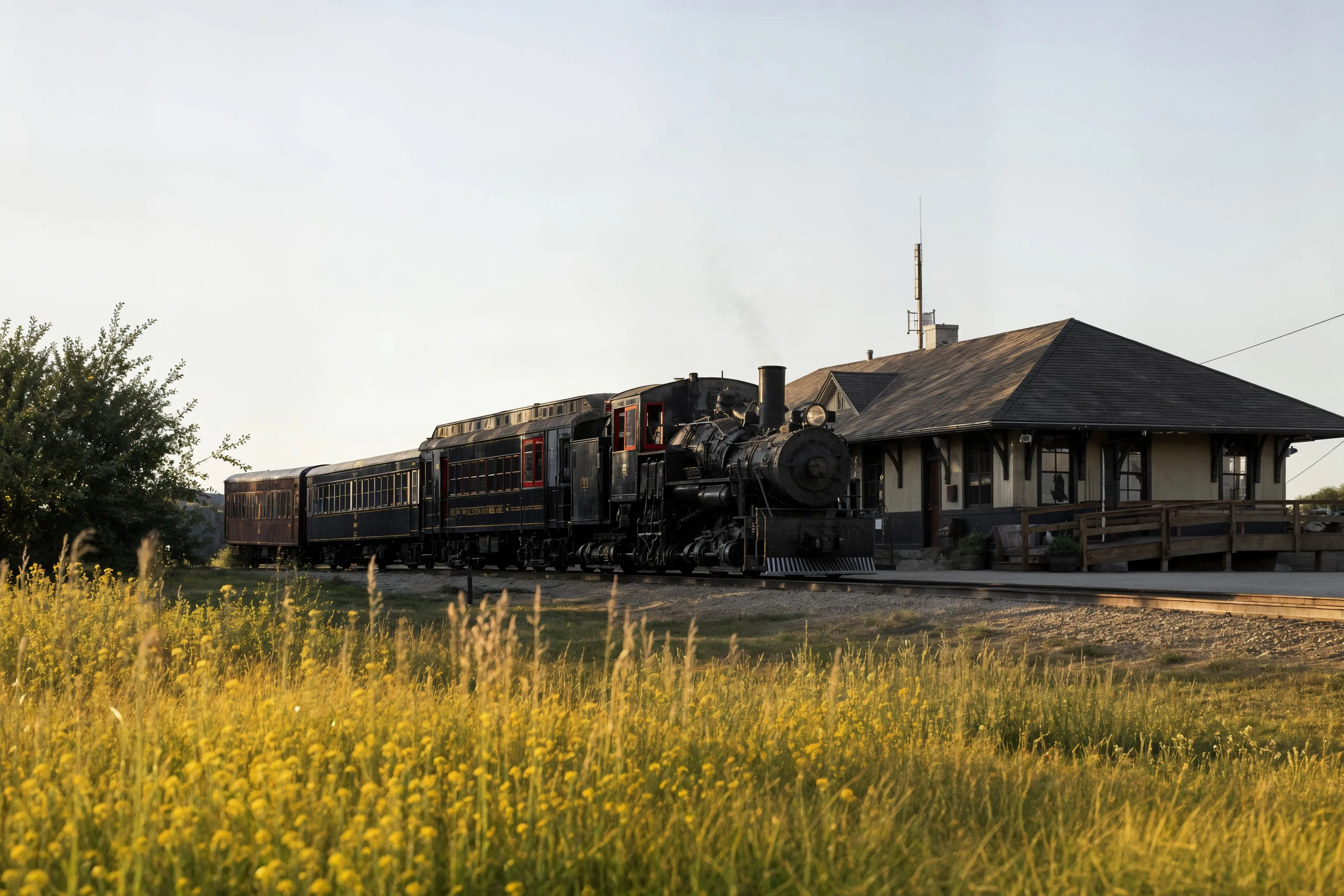
Properties around this area run on a mix of Agriculture and Oil & Gas, and that mix shows up in the electrical load we see on site. A farm yard might have a house, a shop, a grain bin fan, and a stock tank heater, all pulling from one service. The Alberta Prairie Railway Excursions draw visitors through the same country, but most of the properties we design for are working places with real equipment on them. Because the load varies so much, we don't start with a standard system size. We start with how the property actually uses power. ATCO Electric is the wire service here, so the grid connection and the micro-generation application run through that utility. We handle the design package and the paperwork that goes with it. Your site design shows where panels fit, how shade from trees or outbuildings affects the array, and whether a roof or ground mount makes more sense. Production gets confirmed against the numbers on your most recent power bill, not a generic estimate pulled from a map. If you're planning a system for a yard or a quarter section, the first step is simple. Send us your most recent power bill and tell us what's on the property. We'll look at the usage pattern and the existing service, then come back with a design you can check against your own bill. That keeps the whole process tied to what your property does every day.
Electrical Site Review for Stettler Properties
Voltage Rise
Voltage rise happens when local grid voltage climbs as solar output flows back onto the line, and how strong that effect is depends on the distribution conditions at your property. When voltage sits high, the inverter may clip or curtail output to stay within its allowed range. We factor that behavior into system sizing so you aren't paying for panels that never fully get used.
Single-Phase vs Three-Phase
Rural properties may have single-phase or three-phase service, and the difference shapes which inverter setup and system capacity make sense. Single-phase service often serves homes and smaller outbuildings, while three-phase service usually shows up on larger shops, irrigation pumps, or grain equipment. We confirm which one you have before choosing inverters, because the phase configuration determines how the system's output balances across the service.
Panel Infrastructure
Older electrical panels on rural properties are often the limit on how much solar can go in, not the roof or the yard. We check the main breaker rating, the panel's age, and whether there's room for a new breaker for the system. If the panel can't support the added capacity, the upgrade means replacing the panel with one rated for the load, and we'll quote that as a separate job during design.
Service Entrance Review
We review the service entrance and meter base as part of every site assessment. The meter base condition matters because it's part of the connection point that ATCO Electric reviews with the micro-generation application. If the entrance or meter base needs an upgrade before the system can connect, we'll explain what's required and what it involves before any work starts.
Right-Sizing Solar for Stettler Properties
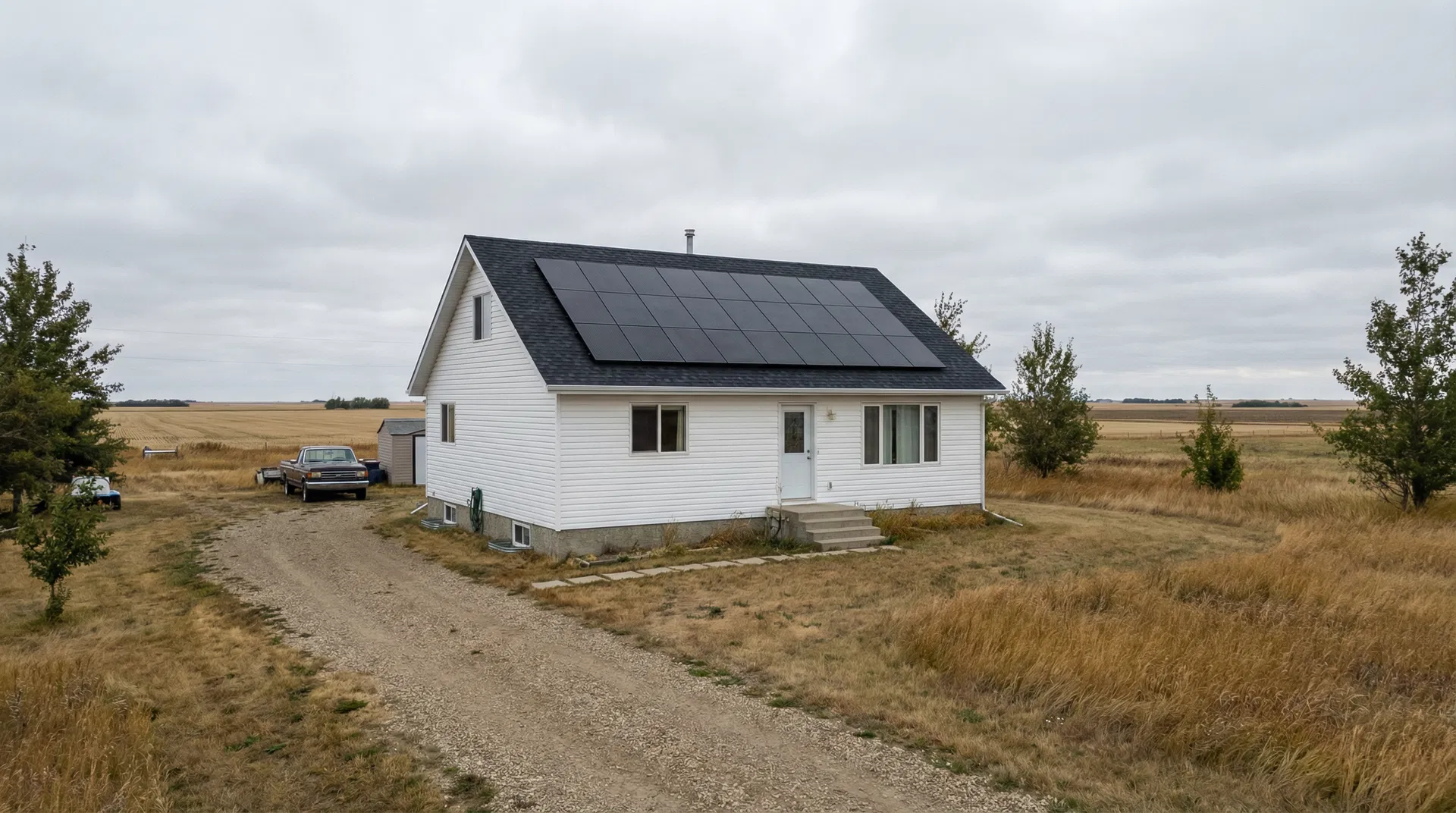
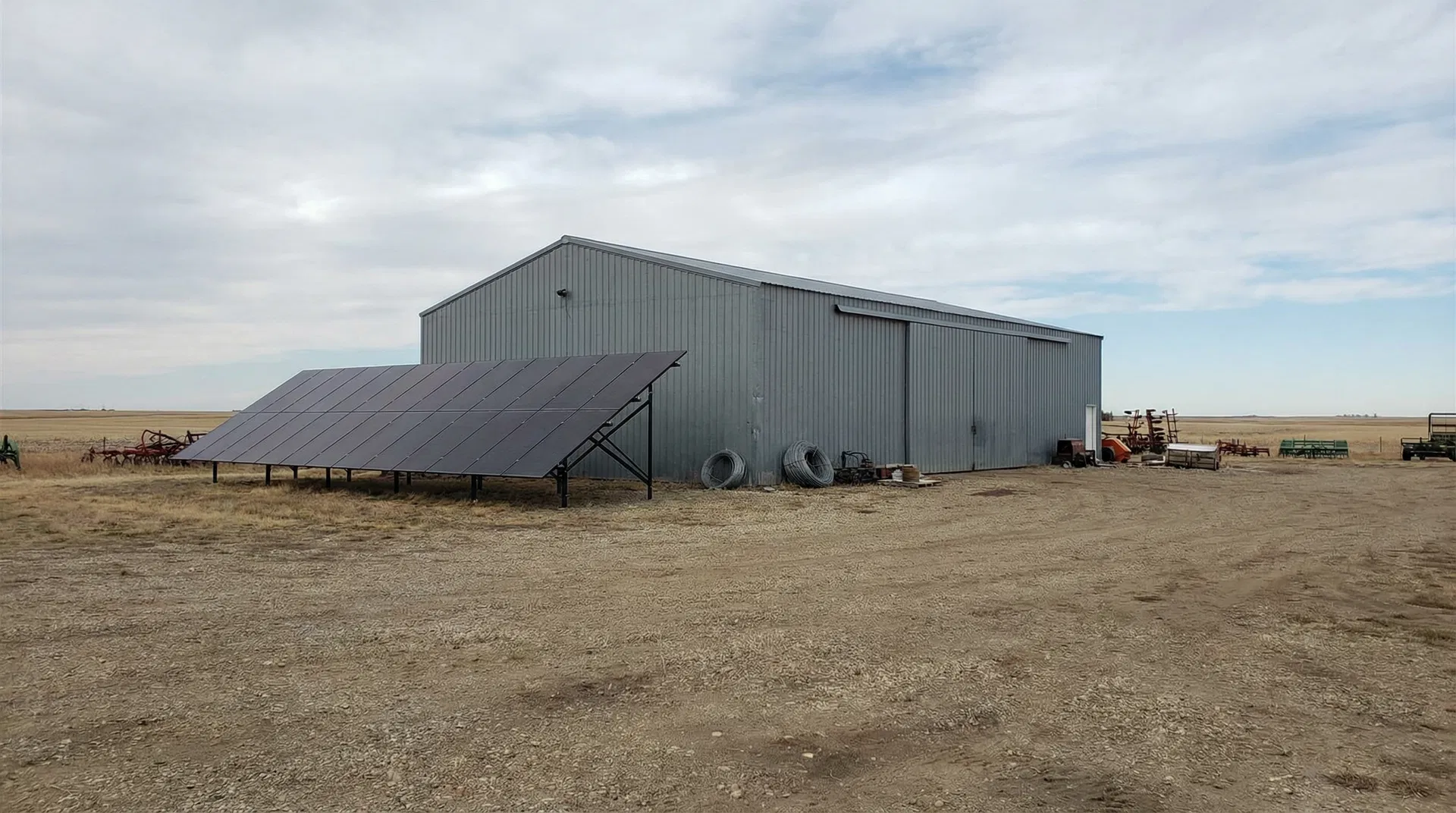
Rural Alberta systems usually end up larger than urban ones because a rural property carries more loads. A home might share power with a shop, a few outbuildings, a well pump, and grain handling or irrigation equipment, and each one adds to the daily draw. We don't size from a rule of thumb that treats every property the same. We look at how the whole place uses power. The roof or the ground is the first real decision. A roof mount works well when the roof faces a useful direction, the pitch is workable, and nearby trees or buildings don't throw shade across the array. A ground mount makes more sense on acreages and farm layouts where the yard is spread out, the roof is shaded or badly pitched, or there's open land that can take the array without getting in the way of operations. Neither choice is automatically better, and the site design settles it. Sizing starts with the 12-month usage graph on your most recent power bill. That graph shows the seasonal shape of your usage, which makes it the most reliable starting point we have. Combined with the site design, it shows where a system fits and what size matches your load. Your power bill and site conditions drive the number, so you can check our reasoning against your own data.
Typical Load Profiles We Design For Near Stettler
Home + Heated Shop
A 1,800 square foot home with a 40 by 60 foot heated shop is a common pairing on rural acreages. The shop adds a daytime load from welders, compressors, and a shop heater, which changes the usage graph compared with the house alone. Your most recent power bill and site design determine how much of that load the array covers.
Acreage Home with Well Pump
A home with a submersible well pump and a few yard lights draws power in short, sharp bursts, and those spikes matter for inverter and array sizing. Two outbuildings on the same service add a steady base load through the year. The usage graph on your most recent bill shows whether the array should lean toward the house or the yard.
Farm Yard with Grain Handling
A farm yard with a grain dryer, augers, and a bin fan has the most varied load of the three, with heavy draws at harvest and light use the rest of the year. Three large machines running at once can set the peak, so the design plans for that peak. We size the array around the seasonal pattern on your most recent power bill, not around one busy week.
ATCO Electric Interconnection in Stettler
ATCO Electric is the wire service for this area, so any solar system here connects to the ATCO Electric grid through a micro-generation application. That's the first thing we confirm during design, because the connection requirements shape the system layout, the inverter setup, and the paperwork that follows. We handle the application to ATCO Electric as part of the design package. That includes the drawings, the equipment details for the LONGi panels and APsystems microinverters, and the site information the utility needs to review the connection. You won't have to work out which forms go where or chase missing details on your own. Your part is simple: share your most recent power bill and tell us what's on the property. Those two pieces tell us what the existing service can carry and where the connection point sits. If the meter base or service entrance needs work before the system can connect, we'll tell you during design so there are no surprises later.
Project Economics and Design Review
| System Size | Annual Production | Year 1 Savings | Payback Period |
|---|---|---|---|
| 8-15 kW range, 10 kW typical |
Production, savings, and payback require a property-specific design and your most recent power bill.
How We Work in Stettler
Bill and Load Review
We review your power bill to understand your energy use in Stettler and size the system to your actual consumption, not a generic estimate.
Site Assessment
We assess your roof or ground area, south-facing exposure, electrical service, and utility interconnection requirements specific to your property.
Design and Utility Application
We produce a system layout, production estimate, and cost summary, then submit your micro-generation application to your utility on your behalf.
Installation and Commissioning
Our crew installs racking, panels, inverter, and electrical connections. All work is performed by licensed electricians. We commission and test before handoff.
Current Program and Interconnection Review
Utility connection review
ATCO Electric reviews grid connection applications for this area, and we prepare the design package that goes with each one. We handle that paperwork so you don't have to track it down yourself. The utility's review is separate from our design work, and we keep you posted on where the application stands.
Current program review
Commercial, farm, and residential eligibility is reviewed against current rules at design time. That check happens on every project, so you'll know where you stand before you commit to anything. We don't name a program on this page because the rules that apply to your property get confirmed during design.
Frequently Asked Questions
Get a Solar Assessment for Stettler
Submit a recent power bill and we will review your consumption and provide an honest assessment for your Stettler property. No obligation.
(587) 330-7502 Book a CallMore Solar Services in Stettler