Solar quotes for Stettler, Alberta properties start with a real design, not a guess pulled off a satellite image. We ask for one thing: your most recent power bill. Alberta utility bills include a 12-month usage graph, and that graph tells us more about how a property actually uses electricity than any rule-of-thumb calculation could. From there we size a system in the 8-15 kW range, with 10 kW typical for a home on this type of property, though the right number depends entirely on what the bill and the site walk show us. Every system we design uses LONGi panels paired with APsystems microinverters. Microinverters make sense on rural rooflines that get interrupted by dormers, vents, or partial shade from a shelterbelt, since each panel operates independently instead of the whole array being limited by one weak link. For acreages and farm properties in the area, we also look hard at ground mount options when the roof pitch is wrong, trees block the best exposure, or there's simply open yard space that makes more sense than squeezing panels onto an outbuilding roof. Because a lot of properties around here run more than one electrical load, a house plus a shop, a grain dryer, or irrigation, we design for the whole load profile, not just the home. The quote you get back shows the system size, the equipment, and the layout we'd actually install, built around your bill and your property instead of a generic template.
Solar Planning for Stettler Properties
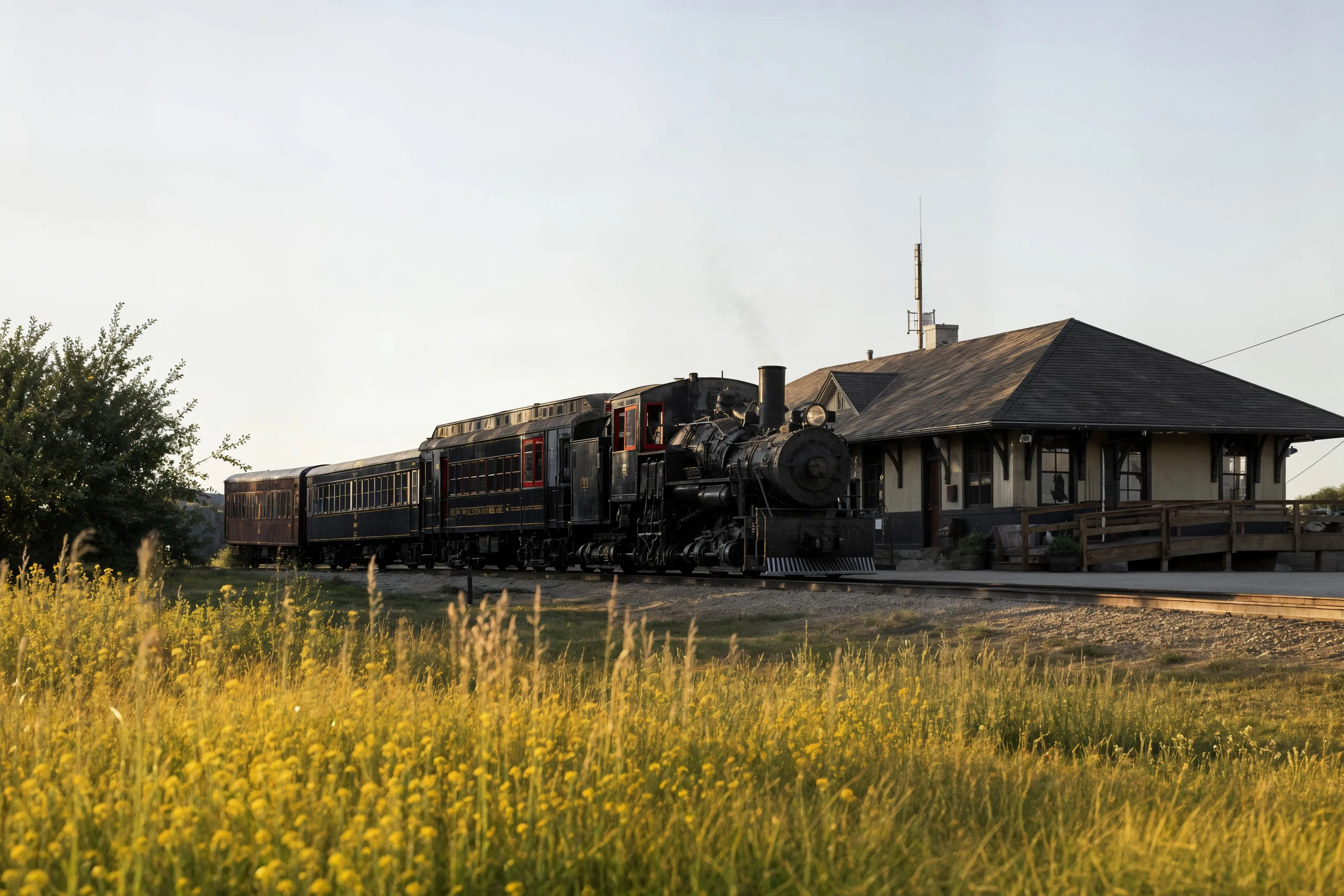
This community became a village on June 30, 1906, and a town less than five months later, on November 23, 1906. More than a century on, it's still home to 5,695 people. The local economy runs on agriculture and oil and gas, which means a lot of the properties we quote aren't just houses. They're acreages with shops, grain bins, and irrigation pumps pulling power alongside the kitchen lights. Some of the best-known stops in the area, like the Alberta Prairie Railway Excursions, draw visitors from well outside, but the solar systems we design here aren't built for tourists. They're built for the people who live and work on the land year-round. Every quote starts the same way: we look at your most recent power bill, walk the property, and figure out whether the roof, a ground mount, or some combination of both makes sense for how you actually use electricity. We don't guess at sunshine hours or production numbers from a satellite photo. We confirm what a system will do for your specific property through site design, not a generic regional average.

Electrical Site Review for Stettler Properties
Voltage Rise
Voltage rise happens when the voltage at a point on the distribution line climbs higher than at the source, and it tends to show up more on longer rural feeders than on tight urban grids. If voltage rise is significant at your property, it can affect how hard an inverter can push power back onto the line before it clips output to stay within safe limits. We check for this during the site review because it directly affects how we size the inverter and the array.
Single-Phase vs Three-Phase
Rural Alberta properties show up with both single-phase and three-phase electrical service, and which one you have changes what inverter equipment fits the job. Three-phase service generally opens up more capacity for larger systems and bigger loads like shop equipment or grain handling motors. We confirm which service type is on the property before we finalize inverter selection and overall system capacity.
Panel Infrastructure
A lot of rural properties in this area are running electrical panels that are decades old, and an older panel's breaker capacity doesn't always have room for a new solar connection. We check the panel's age, its rated capacity, and how much room is left on the breaker bus before we finalize a system design. If the existing panel can't support the addition, an upgrade means a new panel sized for both current loads and the solar connection.
Service Entrance Review
We check the condition of the service entrance and the meter base as part of every site visit, since both need to meet ATCO Electric's standards before a micro-generation application can go forward. A meter base that's worn, outdated, or not rated for the new connection can hold up the whole application. When an upgrade is needed, we fold it into the project plan so it gets handled alongside the solar installation instead of becoming a separate surprise.
Right-Sizing Solar for Stettler Properties
Rural systems tend to run bigger than a standard city rooftop, and there's a simple reason: a city home usually has one electrical load, while a property out here might have a house, a heated shop, a well pump, and grain handling equipment all pulling from the same service. When we size a system, we're sizing for everything on the property, not just the kitchen and the furnace. Roof versus ground mount is a real decision, not a default. A roof mount makes sense when the pitch, orientation, and shading are good and there's enough usable surface area. Ground mount becomes the better call when trees or outbuildings shade the roof, when the roof pitch or orientation works against solar, or when there's open yard space that can hold a larger array than any roof on the property could carry. Acreages and farm layouts often have exactly that kind of room to work with. Either way, we size the system off the 12-month usage graph on your most recent power bill, not a flat rule-of-thumb number. That graph shows seasonal swings, shop usage, and anything else pulling power across the year, and it's a far better starting point than a generic average. Combine that bill with a site design, and you get a system sized for how the property actually runs.
Typical Load Profiles We Design For Near Stettler
Home + Heated Shop
This is one of the most common setups we see: a house plus a detached shop that's heated through the winter, often with its own electrical subpanel. The shop's heating and any equipment running in it add a load the main house doesn't have on its own, and we size around both together. Your most recent power bill shows how those two loads combine across the year, which is what the design starts from.
Acreage with Irrigation or Grain Handling
Acreages running irrigation pumps or grain handling equipment, like augers, dryers, or aeration fans, see load spikes tied to the season rather than a steady year-round draw. We design around that pattern instead of smoothing it into an average, since a system sized for a flat load would miss what the property actually needs during peak months. The usage graph on your bill is what shows us that seasonal shape.
Residential-Only Property
Not every property out here has a shop or farm equipment attached. Some are straightforward residential loads: the house, standard appliances, maybe a hot tub or a garage. These tend to be more predictable to size, and the most recent power bill still drives the number rather than a generic residential estimate.
ATCO Electric Interconnection in Stettler
ATCO Electric is the wire service here, and that's the utility every grid-tied solar system in the area has to connect through. Before a system goes in, we prepare and submit the micro-generation interconnection application to ATCO Electric on your behalf, so you're not stuck figuring out form requirements or technical specifications on your own. That application includes the system design, equipment specifications for the LONGi panels and APsystems microinverters, and the electrical details ATCO needs to review the connection. We handle the paperwork end to end, from the initial submission through any follow-up questions ATCO raises during their review. We don't quote approval timelines, credit terms, or payout rules here, because those are set by ATCO Electric and can change. What we can tell you is that we've done this process before, we know what ATCO's application expects, and we'll walk you through each step as your project moves through their review.
Project Economics and Design Review
| System Size | Annual Production | Year 1 Savings | Payback Period |
|---|---|---|---|
| 8-15 kW range, 10 kW typical |
Production, savings, and payback figures require a property-specific design review built from your most recent power bill, not a generic estimate.
How We Work in Stettler
Bill and Load Review
We review your power bill to understand your energy use in Stettler and size the system to your actual consumption, not a generic estimate.
Site Assessment
We assess your roof or ground area, south-facing exposure, electrical service, and utility interconnection requirements specific to your property.
Design and Utility Application
We produce a system layout, production estimate, and cost summary, then submit your micro-generation application to your utility on your behalf.
Installation and Commissioning
Our crew installs racking, panels, inverter, and electrical connections. All work is performed by licensed electricians. We commission and test before handoff.
Current Program and Interconnection Review
Utility connection review
ATCO Electric reviews every grid-tied solar connection application before a system can go live, and that review covers the technical specifications of your proposed system. Range Road Solar prepares the full design package, including equipment specifications and electrical details, and submits it on your behalf. We don't set ATCO's review process, but we know what it expects.
Current program review
Residential, farm, and commercial properties can qualify for different treatment depending on current program rules, and those rules change often enough that we check them fresh for every project. Rather than quoting a program here that might be outdated by the time you read this, we review eligibility against whatever rules are active at the time of your design.

Frequently Asked Questions
Get a Solar Assessment for Stettler
Submit a recent power bill and we will review your consumption and provide an honest assessment for your Stettler property. No obligation.
(587) 330-7502 Book a CallMore Solar Services in Stettler