Solar cost and pricing for Stettler, Alberta properties starts with system size. Most systems we design fall between 8 kW and 15 kW, with 10 kW as the typical starting point, and that range is wide on purpose. A house with an attached garage and an electric heat pump needs something very different from a yard with a heated shop, a stock waterer, and a well pump. Every design we write uses LONGi panels and APsystems microinverters. APsystems microinverters sit under each panel, so one shaded module doesn't pull down the rest of the array. On a shop roof that matters, because a tree line or a grain bin can throw shade across part of the array for a few hours a day. Mounting type changes the scope more than almost anything else. A roof mount needs a sound roof and clear access, while a ground mount needs posts, racking, and trenching to run power back to the house. Whether either one is right depends on the site. Roof age matters too. If the roof needs replacing in the next few years, we'll tell you before the panels go on, because pulling and reinstalling an array is hard on both the roof and the schedule. Electrical work is the other big variable. Some properties need a panel upgrade or service entrance work before the system can connect, and we identify that during the design review, not after you've signed. Your quote shows the equipment, the racking or roof work, the electrical scope, and the utility paperwork as separate items, so you can see what each one covers. We don't hand you a number off a price sheet. We size the system to your site and your most recent power bill, then price what the site actually needs.
Solar Planning for Stettler Properties
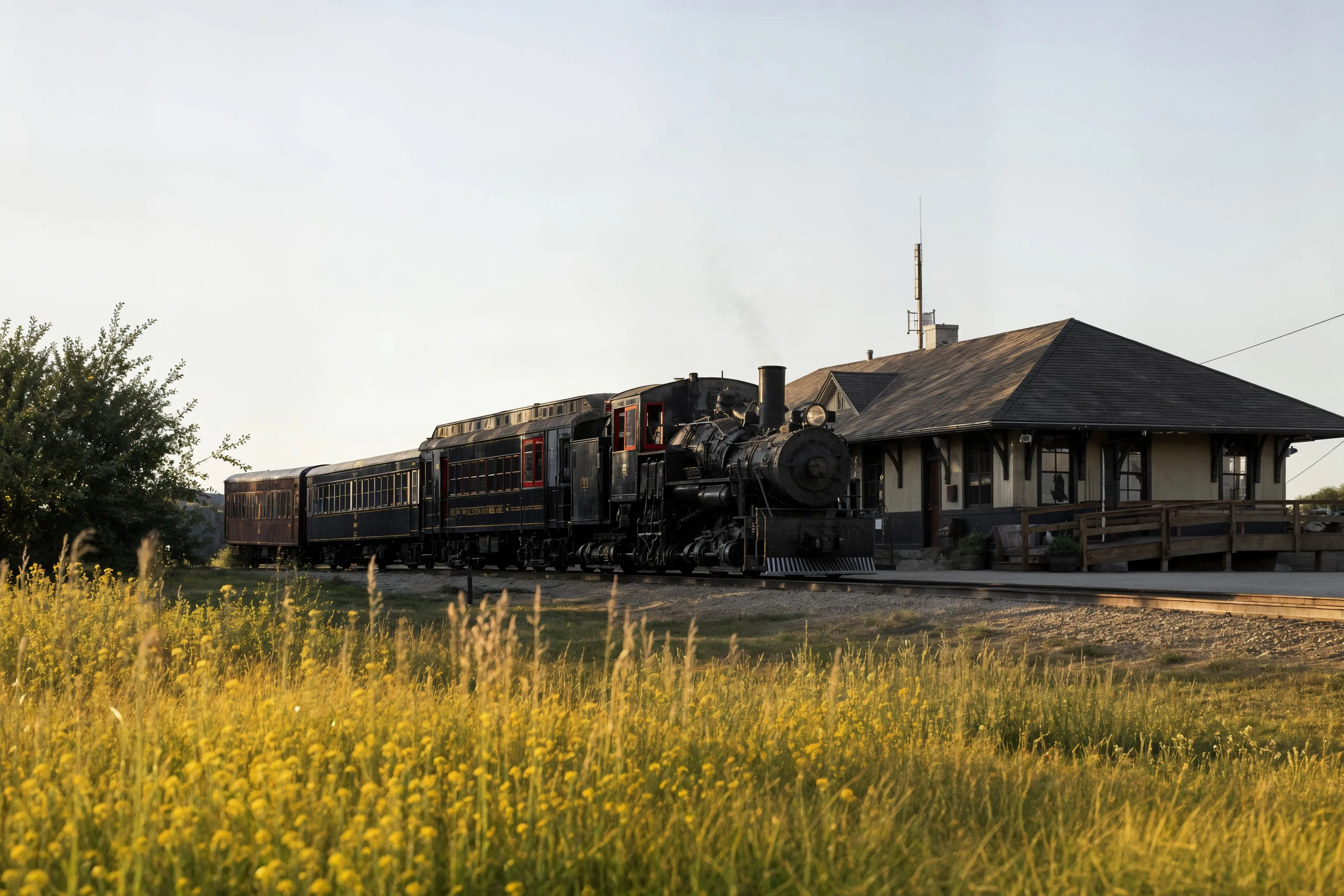
Stettler's economy rests on Agriculture and Oil & Gas, and that shows up on the properties we visit. Plenty of them are acreages or farmyards where the house is only one of several buildings pulling power, so the first thing we check is what actually runs on the meter, not just what's on the roof. The 2021 census counted 5,695 people here. Visitors come for the Stettler Town & Country Museum and the Alberta Prairie Railway Excursions, but the conversations we have are more practical: a shop that gets used all winter, a pump that kicks on during the dry months, a yard that has grown since the house went up. Because Stettler properties are served by ATCO Electric, every design has to fit that utility's micro-generation process from the start. We look at the service entrance, the panel, and the meter base before we commit to a layout, since those decide what a system can connect to. You don't need to know any of that going in. You tell us what you run and send your most recent power bill, and we work out the rest. We don't size from a rule of thumb. Each site gets a property-specific review, and the numbers that matter come from your usage and your roof or yard, not from a regional average.

Electrical Site Review for Stettler Properties
Voltage Rise
Voltage rise happens when the distribution line pushes the voltage at your service higher than nominal, which can occur when a system exports power onto a lightly loaded line. How much it matters depends on the distribution conditions at your property, and we check those before we size anything. When voltage climbs high enough, the inverters reduce output or clip to stay in range, so an oversized array on a weak line can lose production instead of gaining it.
Single-Phase vs Three-Phase
Rural properties in Stettler may have single-phase or three-phase service, and the difference shapes which inverter setup and system capacity make sense. Single-phase is common on houses and smaller outbuildings, while a large shop, a grain operation, or a big motor often runs on three-phase. We confirm which service a property has before we select inverters, because both the capacity and the phase arrangement limit how much a system can deliver.
Panel Infrastructure
Older electrical panels on rural properties often predate the load that a modern house and shop put on them, so we check breaker capacity and panel age during the site review. We look at the main breaker rating, the condition of the bus and breakers, the number of open slots, and whether the panel has room for new circuits. If the panel can't support the system, the upgrade usually means a new panel and sometimes work on the service entrance as well.
Service Entrance Review
We check the service entrance and meter base for condition, corrosion, and whether the cable and connections are sized for the system we're proposing. The meter base matters because ATCO Electric reviews the micro-generation application against the existing service, and a damaged or undersized meter base can hold up the connection until it's fixed. If an upgrade is needed, we spell out what it involves and include it in the design review before any equipment goes on the property.
Right-Sizing Solar for Stettler Properties
Rural Alberta systems are almost always larger than urban ones because the property carries more loads. A house is only the starting point. Add a heated shop, a few outbuildings, an irrigation pump or a grain auger, and the daily load looks nothing like a city lot. A system sized for the house alone would leave most of the property's usage on the grid. Roof or ground mount is the first real decision. A roof works when the roof is sound, faces a good direction, and isn't shaded by trees or a neighbour's grain bin. A ground mount makes more sense when the roof is shaded, the pitch is wrong, or the yard has room to spread the array away from buildings. On many acreages and farmyards the land is available even when the roof isn't, so ground mount ends up being the practical choice. Size comes from usage, not from a rule of thumb. We read the 12-month usage graph on your most recent power bill to see when the property draws power, how the load moves through the year, and what the baseline looks like. That graph tells us whether an 8 kW or 15 kW array fits your usage and where a 10 kW system lands. Site design then checks roof or yard conditions, shading, and orientation against that usage, and the power bill sets the size.
Typical Load Profiles We Design For Near Stettler
Home Plus Heated Shop
A house with a heated shop is a common setup on acreages around here. The shop runs in long blocks, so it shows up on the usage graph as a clear step instead of a small bump. We size the array to cover the house baseline and a real share of the shop load, then confirm the split against your most recent power bill.
Home Plus Irrigation Pump
A house with a 7.5 HP irrigation pump carries a load that switches on for hours at a time during the growing season. A pump that size can draw a heavy startup surge, so we check the service entrance capacity before we set the array. The usage graph on your most recent power bill shows that seasonal block, and it's the piece that decides whether a 10 kW or 12 kW system fits.
Farmyard with Grain Handling
A farmyard with a 10 HP grain auger, a bin fan, and a house draws power in bursts during harvest and far less the rest of the year. Those short high-draw periods are why we read the full 12-month usage graph and not a single month. A 12 kW to 15 kW system often suits a yard with this profile, but site design and your most recent power bill set the final size.
ATCO Electric Interconnection in Stettler
Stettler is served by ATCO Electric, so every system we design is built around ATCO Electric's micro-generation interconnection process. A solar system that runs alongside your utility connection needs a formal application to ATCO Electric before it's switched on, and the application is only as good as the information in it. We handle the application for you. We prepare the design package, including equipment specifications, the single-line layout, and the site details ATCO Electric needs to review the connection. You don't have to work out which forms apply to your property or how the utility wants them filled in. The part that trips up many rural properties is the metering and service entrance. The meter base, the service entrance, and the panel all have to be in the right condition before a connection can be accepted. We check those during the site review, so the application goes in with the details ATCO Electric will ask about. After the system is installed, we walk you through what to expect at connection and how the system is commissioned. Your part is small: send your most recent power bill and tell us what's on the property.
Project Economics and Design Review
| System Size | Annual Production | Year 1 Savings | Payback Period |
|---|---|---|---|
| 8-15 kW range, 10 kW typical |
Production, savings, and payback require a property-specific design and your most recent power bill.
How We Work in Stettler
Bill and Load Review
We review your power bill to understand your energy use in Stettler and size the system to your actual consumption, not a generic estimate.
Site Assessment
We assess your roof or ground area, south-facing exposure, electrical service, and utility interconnection requirements specific to your property.
Design and Utility Application
We produce a system layout, production estimate, and cost summary, then submit your micro-generation application to your utility on your behalf.
Installation and Commissioning
Our crew installs racking, panels, inverter, and electrical connections. All work is performed by licensed electricians. We commission and test before handoff.
Current Program and Interconnection Review
Utility connection review
ATCO Electric reviews grid connection applications for systems that run alongside the utility service. Range Road Solar handles the design package, including the equipment details and site information the application requires.
Current program review
Commercial, farm, and residential eligibility is reviewed against current rules at design time. We don't assume a property qualifies for anything, and we don't quote program terms before we've looked at the site and the current rules.

Frequently Asked Questions
Get a Solar Assessment for Stettler
Submit a recent power bill and we will review your consumption and provide an honest assessment for your Stettler property. No obligation.
(587) 330-7502 Book a CallRelated Resources
More Solar Services in Stettler