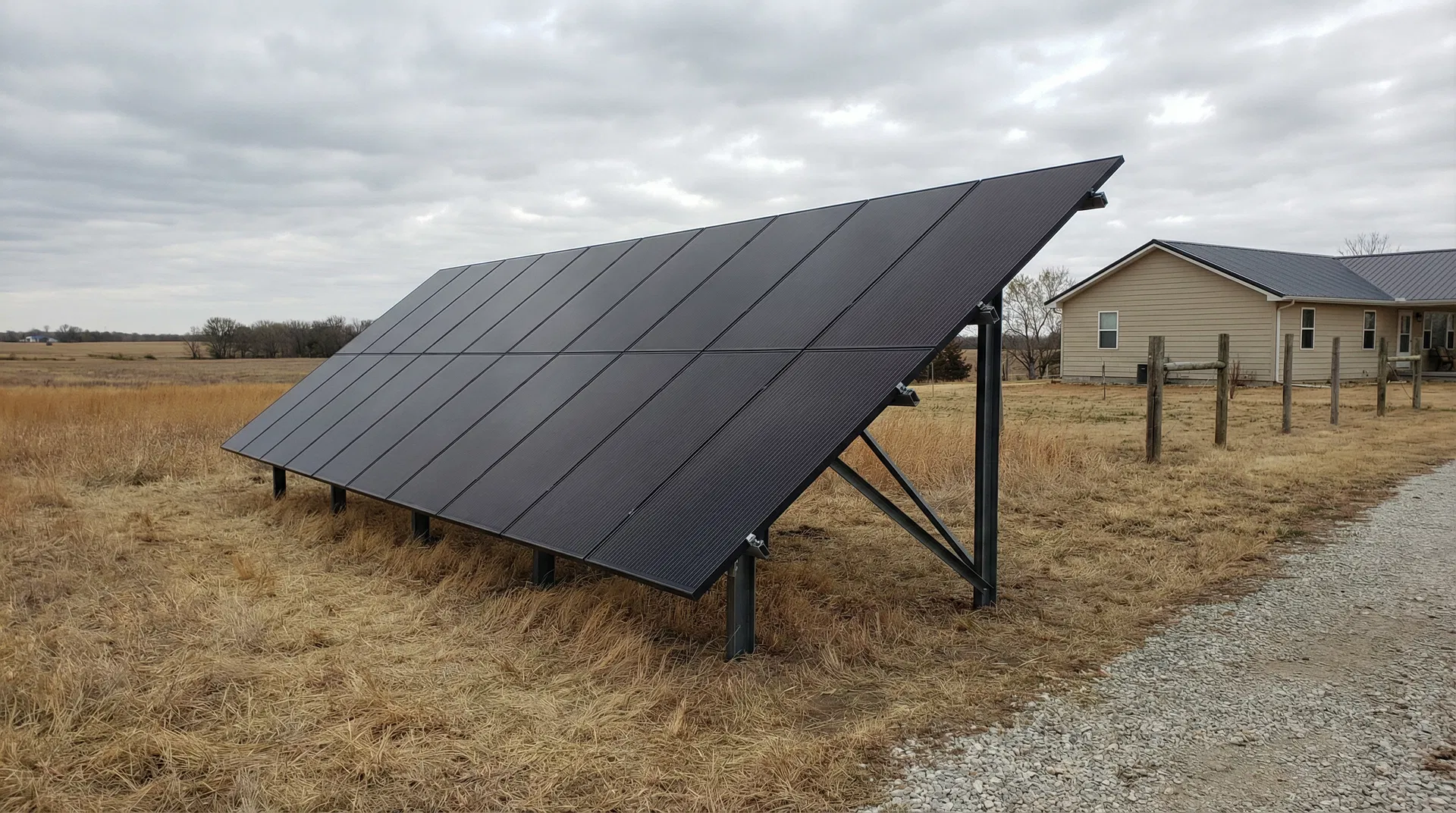
Solar battery storage in Stettler, Alberta means pairing a well-designed solar array with a hybrid inverter and lithium battery bank sized to your actual load profile. We use LONGi panels for the solar side of the system. Hybrid inverters replace the standard grid-tie inverter and manage energy flow between the panels, the battery, and the grid simultaneously. When the panels are producing more than the property is using, excess power charges the battery instead of exporting at whatever the current grid rate happens to be. When production drops or the sun goes down, the battery covers load before the grid does. That's the self-consumption benefit. The backup power benefit is separate. During an outage, a properly configured battery system keeps selected circuits live. For rural properties on ATCO Electric, where outages can be longer or less predictable than in denser service areas, that backup capability has real practical value. We design storage systems in the 8 to 20 kW range, with 12 kW being a common starting point for a home with a heated shop or a secondary outbuilding. Larger properties with grain handling equipment, irrigation, or multiple buildings often need systems toward the upper end of that range. System size is confirmed through site design and your most recent power bill, not rough estimates. We don't quote a number until we've seen what your property actually uses.
Solar Planning for Stettler Properties
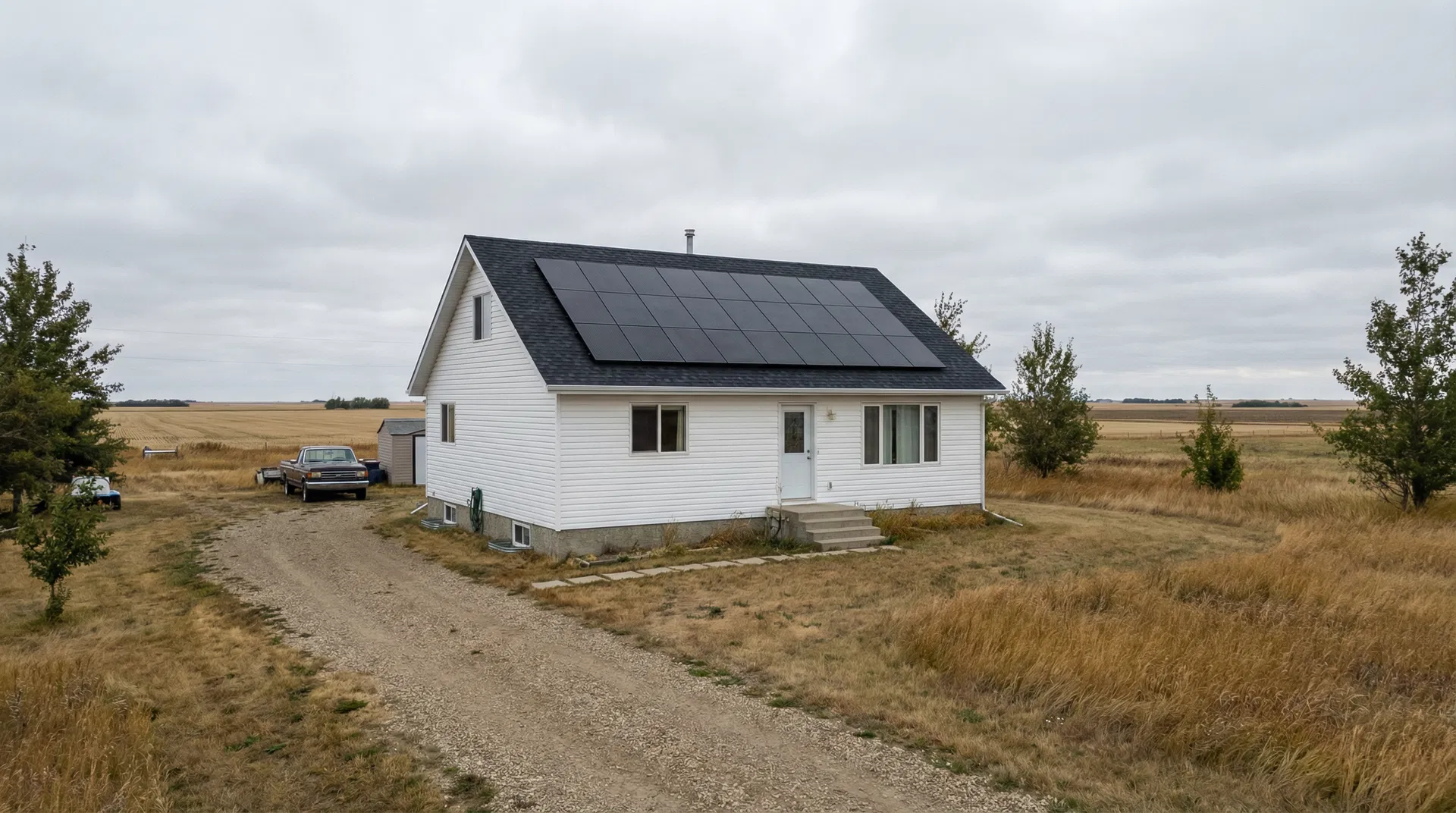
Properties on ATCO Electric's distribution network have a different set of considerations than urban grid connections. Distribution lines in this part of Alberta serve large, spread-out service areas, and that affects how systems connect, how inverters are sized, and whether a battery adds meaningful value on a given site. Battery storage isn't a universal add-on. It's a design decision. For some properties, a well-sized solar-only system makes the most sense. For others, especially those with shops, outbuildings, or loads that run day and night, a hybrid system with battery storage changes the math significantly. We assess each property individually. We look at your most recent power bill, the 12-month usage graph it contains, your roof or ground-mount conditions, and your existing electrical infrastructure. From there we build a design that reflects what your property actually needs, not what sounds good in a brochure. If you're in Stettler or anywhere in the surrounding area, we handle the full process: design, equipment, installation, and the ATCO Electric interconnection application.
Electrical Site Review for Stettler Properties
Voltage Rise
Voltage rise occurs when a solar system pushes power back toward the grid and raises the local line voltage above acceptable limits. On long distribution runs common in rural ATCO Electric territory, line impedance can be higher, which makes voltage rise a more significant factor when sizing the inverter and determining how much capacity the system can actually export. If voltage rise limits aren't accounted for during design, the inverter will clip production to protect the grid, reducing system output below what the array is capable of.
Single-Phase vs Three-Phase
Rural properties in Alberta can be served by either single-phase or three-phase electrical service depending on the loads the site was built to handle. Shops with large motors, grain dryers, or irrigation equipment are more likely to have three-phase service, while residential-only properties typically run single-phase. The service type matters because it determines which hybrid inverters are compatible and sets practical limits on total system capacity without a service upgrade.
Panel Infrastructure
Older electrical panels on rural properties are common, and they don't always have the breaker capacity to support a solar or battery storage addition without modification. We assess the panel age, the available breaker slots, and the total bus rating as part of every site review. If the existing panel can't support the system safely, we scope a panel upgrade as part of the project before installation begins.
Service Entrance Review
The service entrance and meter base are reviewed as part of the ATCO Electric interconnection process, and the condition of the meter base affects whether the application can proceed as filed or requires additional utility coordination. We inspect the service entrance early in the design process so that any required upgrades are identified before the application is submitted, not after. If the meter base needs replacement or modification, we document that clearly and coordinate with ATCO Electric accordingly.
Right-Sizing Solar for Stettler Properties
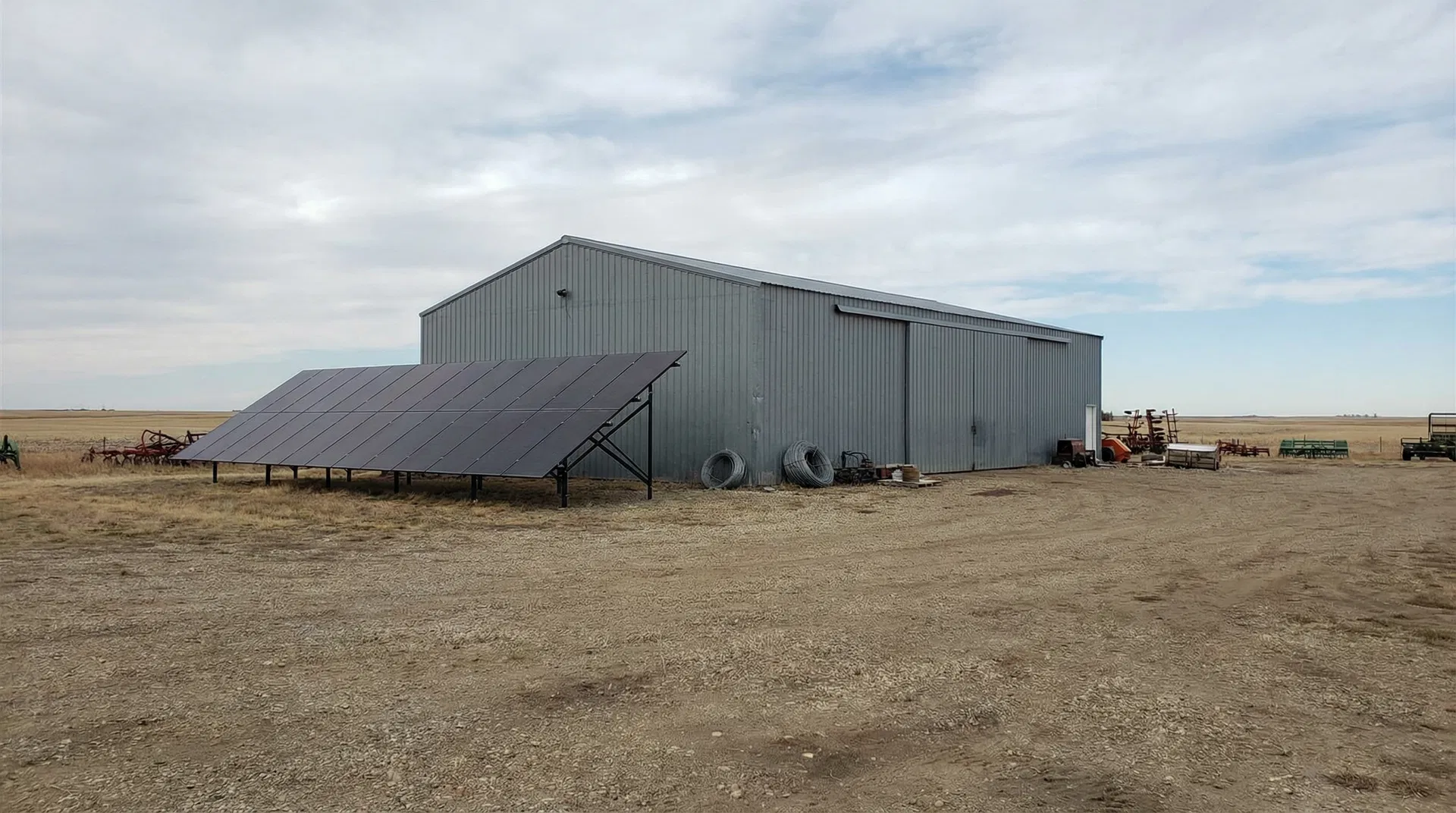
Rural Alberta properties don't size the same way a suburban house does. A home in town might have one meter and one consistent load. A property outside Stettler might have a house, a heated shop running a welder and air compressor, a second outbuilding, and a grain handling setup that pulls hard during harvest. Each of those loads matters. We add them up using the 12-month usage graph on your most recent power bill, not rule-of-thumb square-footage numbers. That graph shows us how your consumption actually moves through the year, which months carry the heaviest loads, and where battery storage can make the most difference. Roof mounts work well when the roof faces the right direction, has a reasonable pitch, isn't shaded by trees or equipment bins, and has enough clear area to fit the array. When any of those conditions fall short, a ground mount is often the better call. Acreages and farm yards usually have available land, and a ground mount gives us full control over azimuth, tilt, and row spacing. On sites with multiple buildings, a ground mount between structures can sometimes serve the whole property more efficiently than rooftop arrays on three different rooflines. We don't pick a system size until we've reviewed the site. The power bill tells us what you use. The site assessment tells us how to build the array. Together, they produce a design that fits the property rather than a product that gets sold to the property.
Typical Load Profiles We Design For Near Stettler
Home with Heated Shop
A residence plus a heated shop with 200-amp service adds meaningful electrical load beyond the house alone, particularly through the winter months when the shop heater runs continuously. Battery storage on this profile lets the system cover nighttime house load from stored solar energy and keeps the shop on backup power during outages. System size for this combination typically falls in the 12 to 16 kW range depending on shop square footage and what equipment runs inside it.
Grain Farm with Handling Equipment
Properties with grain dryers, augers, and conditioning equipment run heavy electrical loads in concentrated seasonal bursts, which shows clearly in the 12-month usage graph on the most recent power bill. A solar-plus-storage system designed for this profile prioritizes covering base load year-round while providing backup capacity for critical equipment during grid interruptions at harvest. System size for operations like this often starts at 16 kW and scales from there based on the full load inventory.
Acreage with Electric Heat and Well Pump
A property relying on electric baseboard heat and a well pump has two loads that don't stop: space heating through the winter and water pressure year-round. Neither load is optional. Battery storage on this profile is sized to keep the well pump live during outages and offset a portion of the heating load during peak solar production hours. We confirm the well pump amperage and heating circuit demand during the site review before finalizing system size.
ATCO Electric Interconnection in Stettler
ATCO Electric is the wire service for Stettler and the surrounding service territory. Any solar or solar-plus-storage system that connects to the grid requires a micro-generation application filed with ATCO Electric before the system goes live. Range Road Solar prepares and submits that application on your behalf. The application package includes the system design, equipment specifications, single-line diagrams, and any additional documentation ATCO Electric requires for review. For battery storage systems, the interconnection application must accurately reflect the hybrid inverter configuration, because the way the system interacts with the grid differs from a standard grid-tie solar setup. We make sure the design and the paperwork align so the application is complete on submission. We don't ask you to navigate the utility process. You provide your most recent power bill and access to the site. We handle the rest from design through to permission to operate.
Project Economics and Design Review
| System Size | Annual Production | Year 1 Savings | Payback Period |
|---|---|---|---|
| 8-20 kW range, 12 kW typical |
Production, savings, and payback estimates require a property-specific design review and the load data from your most recent power bill.
How We Work in Stettler
Bill and Load Review
We review your power bill to understand your energy use in Stettler and size the system to your actual consumption, not a generic estimate.
Site Assessment
We assess your roof or ground area, south-facing exposure, electrical service, and utility interconnection requirements specific to your property.
Design and Utility Application
We produce a system layout, production estimate, and cost summary, then submit your micro-generation application to your utility on your behalf.
Installation and Commissioning
Our crew installs racking, panels, inverter, and electrical connections. All work is performed by licensed electricians. We commission and test before handoff.
Current Program and Interconnection Review
Utility connection review
ATCO Electric reviews all micro-generation applications for solar and solar-plus-storage systems connecting to their distribution network. Range Road Solar prepares the full design package, including system specifications and single-line diagrams, and submits the interconnection application on your behalf. We handle the utility paperwork so you don't have to navigate it independently.
Current program review
Eligibility for commercial, farm, and residential programs is reviewed against current rules at the time of your design. Program availability, eligible equipment categories, and application requirements change, so we confirm what applies to your specific property and system type during the design process rather than making general assumptions.
Frequently Asked Questions
Get a Solar Assessment for Stettler
Submit a recent power bill and we will review your consumption and provide an honest assessment for your Stettler property. No obligation.
(587) 330-7502 Book a CallMore Solar Services in Stettler