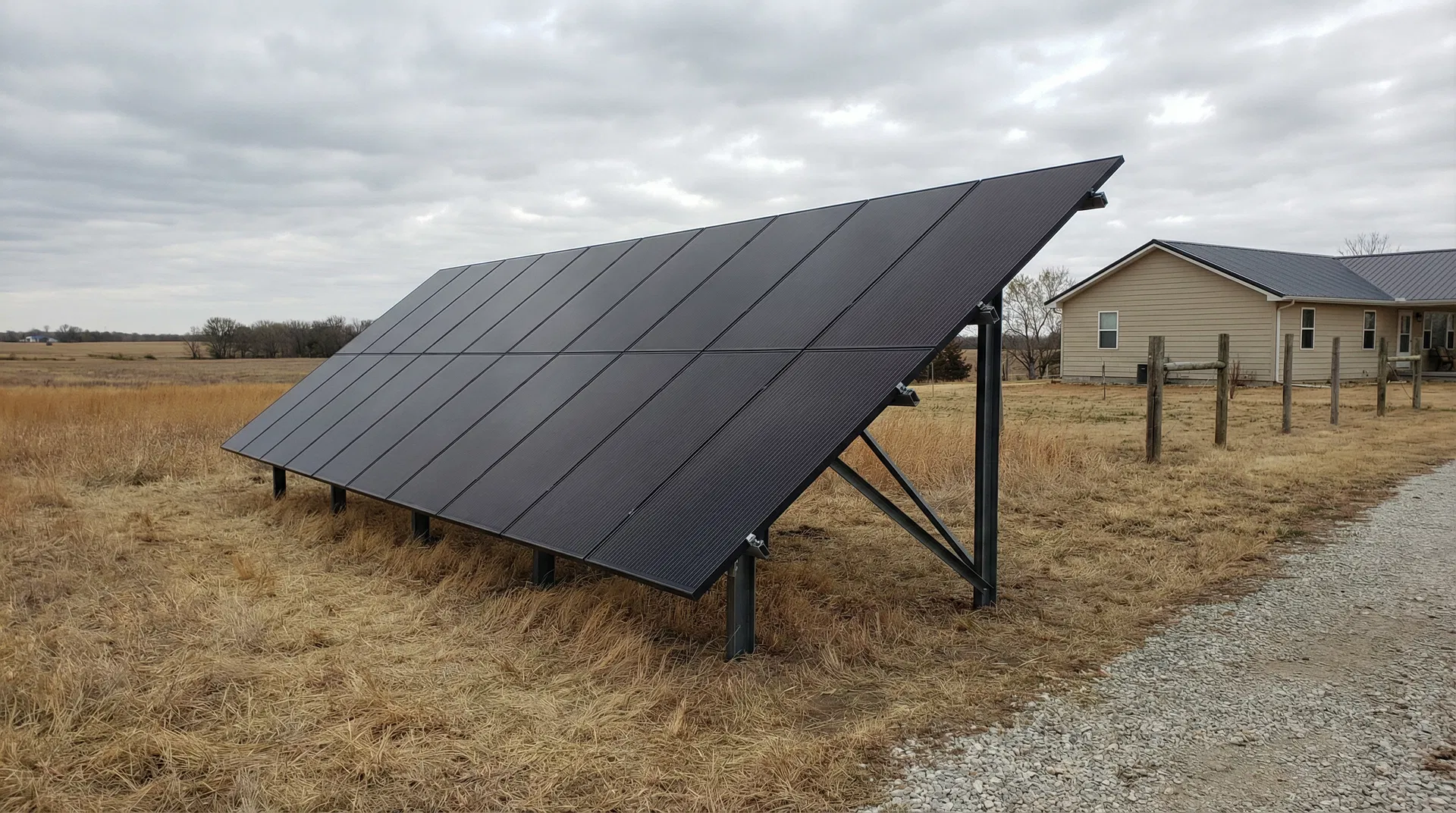
Solar in Red Deer County covers a wide range of property types, and our installation process is built to fit them all. Acreages with heated shops, farm sites with irrigation or grain handling loads, and rural residential properties with heavy winter consumption all call for different approaches. We start with a site visit and a review of your most recent power bill before recommending a system size. Every system we build uses LONGi panels paired with APsystems microinverters. LONGi panels are a dependable choice for Alberta's variable conditions. APsystems microinverters work panel-by-panel rather than string-by-string, which means partial shading from trees, a rooftop vent, or an adjacent building doesn't reduce output from the whole array. That matters on rural properties where shading conditions aren't always ideal. For properties with metal roofs, hay storage rooflines, or detached shop buildings, we assess roof angle, orientation, and structural condition before settling on a layout. Ground mounts are a standard option for sites where the roof doesn't work. The installation crew handles all electrical work to code, and we supply the complete FortisAlberta interconnection package as part of the job. You don't need to track down a separate electrician or figure out the utility application yourself. From initial design through final commissioning, it's one contractor and one point of contact.
Solar Planning for Red Deer County Properties
Rural properties in this area tend to carry bigger electrical loads than a city lot. A heated shop, a water pump, grain handling, or a detached garage all add up fast. That's the kind of load profile where a properly designed solar system can do real work. FortisAlberta serves the territory, and their micro-generation program lets grid-tied systems offset consumption directly against what you draw from the grid. The wire service connection, the metering setup, and the interconnection application all run through FortisAlberta. We handle that process on your behalf so you're not navigating utility paperwork on your own. Rural acreages and quarter sections also open up ground-mount options that aren't available to city homeowners. If the roof isn't ideal, the yard might be. We look at both before recommending a layout. System size depends on your actual usage. We size from the 12-month usage graph on your most recent power bill, not a rough estimate based on square footage. The goal is a system that fits your real consumption, not a generic number.
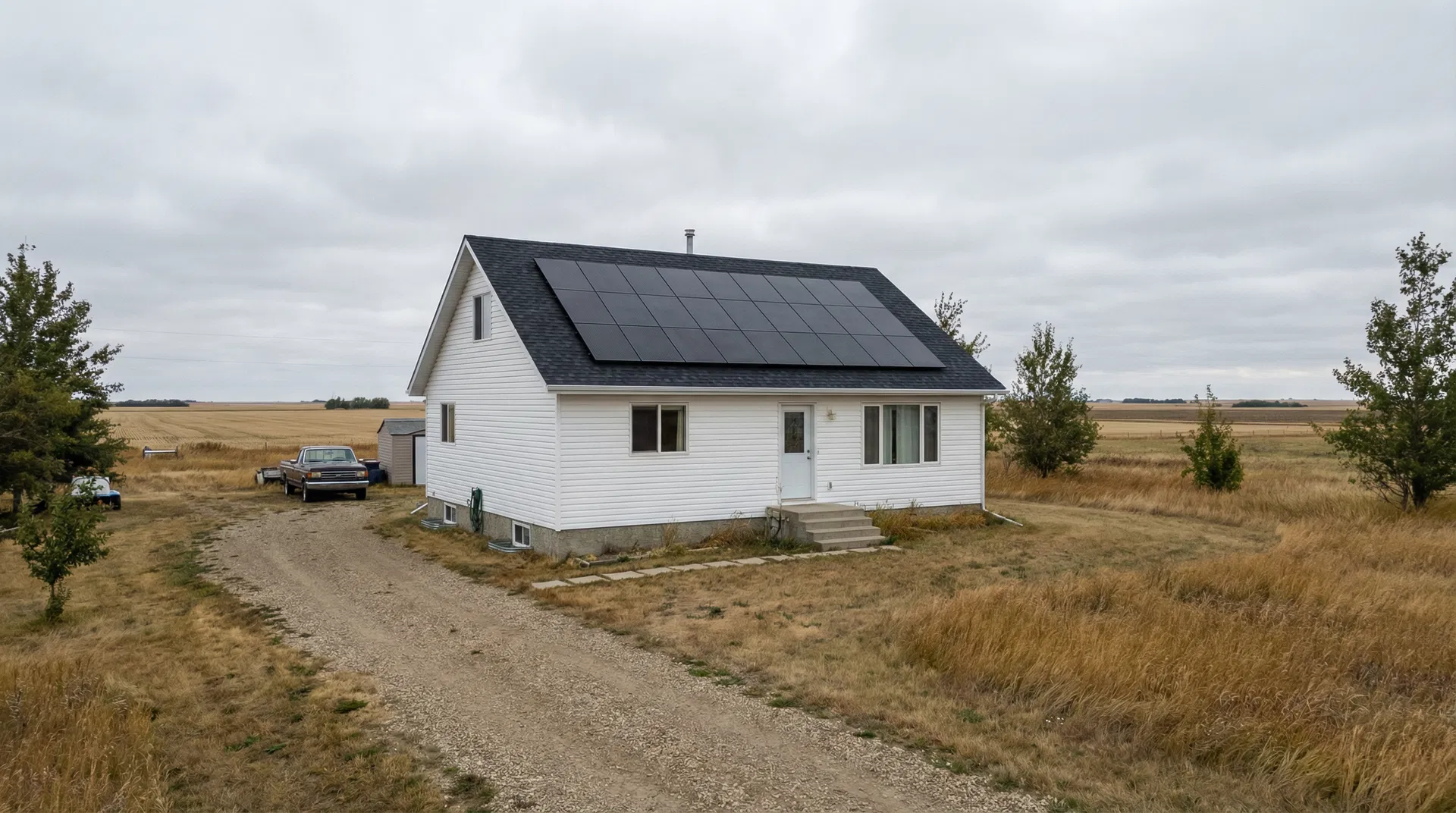
Electrical Site Review for Red Deer County Properties
Voltage Rise
Voltage rise happens when a solar system pushes power back into the distribution line and raises local voltage above acceptable limits. On rural distribution lines with longer spans and fewer customers, the grid impedance is higher, which makes voltage rise more likely to be a binding constraint. If the voltage rise calculation exceeds what FortisAlberta allows, it can require inverter export limiting or a reduction in overall system size.
Single-Phase vs Three-Phase
Rural properties in Alberta can have either single-phase or three-phase electrical service depending on what was installed when the yard was built. The service type determines which inverters are compatible and how much solar capacity can be connected to the grid. A three-phase service generally allows for a larger system, while single-phase service creates a practical ceiling on system size that needs to be worked into the design from the start.
Panel Infrastructure
Older electrical panels on rural properties are often undersized for a modern load profile, let alone a solar addition. We assess breaker capacity and panel age during the site review to confirm the panel can support the solar connection. If it can't, a panel upgrade is scoped into the project so the installation meets code and the system operates the way it's supposed to.
Service Entrance Review
The service entrance and meter base are what FortisAlberta inspects before approving a micro-generation interconnection application. We check the meter base condition, the service entrance rating, and whether the existing equipment meets current standards for grid-tied solar. If an upgrade is required, we identify it before submitting the application so the process doesn't stall partway through.
Right-Sizing Solar for Red Deer County Properties
Rural properties carry load profiles that urban solar estimates aren't built for. A residence on its own might land at the lower end of the 8-15 kW range. Add a heated shop running electric heat and a compressor all winter, and you're closer to the top. Throw in an irrigation pump or grain handling equipment with its own seasonal load, and you're looking at whether the site needs to push beyond that range entirely. That's why we don't size systems from rules of thumb. We size from the 12-month usage graph on your most recent power bill, which shows your actual monthly consumption across the full year, including the heavy winter draws that catch a lot of property owners off guard. Roof vs. ground mount is a real decision for acreage and farm layouts. A south-facing roof with decent pitch and no shading from trees or shop buildings is a good candidate. But a lot of rural properties have metal roofs on odd pitches, or the house sits in a way that puts it in shade from the shop, a grain bin, or a mature tree row. In those cases, a ground-mounted array in the yard or along a fence line often makes more sense and performs better year over year. We walk the property, look at both options, and show you what each layout would produce based on your actual bill and site conditions. What you need within the 8-15 kW range depends entirely on your usage and how the site is laid out.
Typical Load Profiles We Design For Near Red Deer County
Home and Heated Shop
A rural home paired with a heated shop is one of the most common setups we see on acreages and quarter sections. The shop's electric heat, lighting, and tools add a substantial winter load that a house-only estimate won't capture. We pull the 12-month usage graph from your most recent power bill to see how that combined load actually moves through the year before sizing the system.
Farm Site with Irrigation or Grain Handling
Properties running irrigation pumps or grain dryers have seasonal load spikes that can drive total annual consumption well above a typical acreage. A system toward the upper end of the 8-15 kW range is often the right fit when that kind of equipment is on the bill. We look at when those loads run and how they interact with the solar production window before finalizing the design.
Acreage with Multiple Outbuildings and Electric Heat
Acreages that heat with electricity and run several outbuildings often show 12-month bills that are front-loaded in the winter months with a noticeably different pattern in summer. An 8-12 kW system is a common fit for this profile, but the right answer comes from your actual bill, not a square-footage estimate. We look at both the winter peak and the summer baseline before settling on a system size.
FortisAlberta Interconnection in Red Deer County
FortisAlberta is the distribution wire service for Red Deer County. Any grid-tied solar system installed here connects through FortisAlberta's micro-generation program. The interconnection application requires a design package that includes inverter specifications, single-line diagrams, and site documentation. Range Road Solar prepares and submits that package on your behalf. We don't hand you a form and send you off to figure it out. The application goes to FortisAlberta, they review it, and the system ties in once approval comes through. In some cases, FortisAlberta may require upgrades to the meter base or service entrance before interconnection is approved. We flag those conditions during the design phase so there are no surprises after the panels are already on the roof. All grid-tied systems in this service territory must meet FortisAlberta's technical standards. Our equipment selections and design specs are built to satisfy those requirements from the start.
Project Economics and Design Review
| System Size | Annual Production | Year 1 Savings | Payback Period |
|---|---|---|---|
| 8-15 kW range, 10 kW typical |
Production, savings, and payback estimates require a property-specific design and the 12-month usage graph on your most recent power bill.
How We Work in Red Deer County
Bill and Load Review
We review your power bill to understand your energy use in Red Deer County and size the system to your actual consumption, not a generic estimate.
Site Assessment
We assess your roof or ground area, south-facing exposure, electrical service, and utility interconnection requirements specific to your property.
Design and Utility Application
We produce a system layout, production estimate, and cost summary, then submit your micro-generation application to your utility on your behalf.
Installation and Commissioning
Our crew installs racking, panels, inverter, and electrical connections. All work is performed by licensed electricians. We commission and test before handoff.
Current Program and Interconnection Review
Utility connection review
FortisAlberta reviews and approves grid-tied solar applications for all installations in this service territory. Range Road Solar prepares the full design package, including electrical diagrams and inverter specifications, and submits it on your behalf. You don't need to manage the utility application process separately from the installation.
Current program review
Commercial operations, farm properties, and residential acreages may each qualify under different federal and provincial programs, and eligibility rules change. We review what's current at the time of your design so you're working with accurate information rather than program details that may have expired. We don't quote program amounts that could be out of date by the time your system goes in.
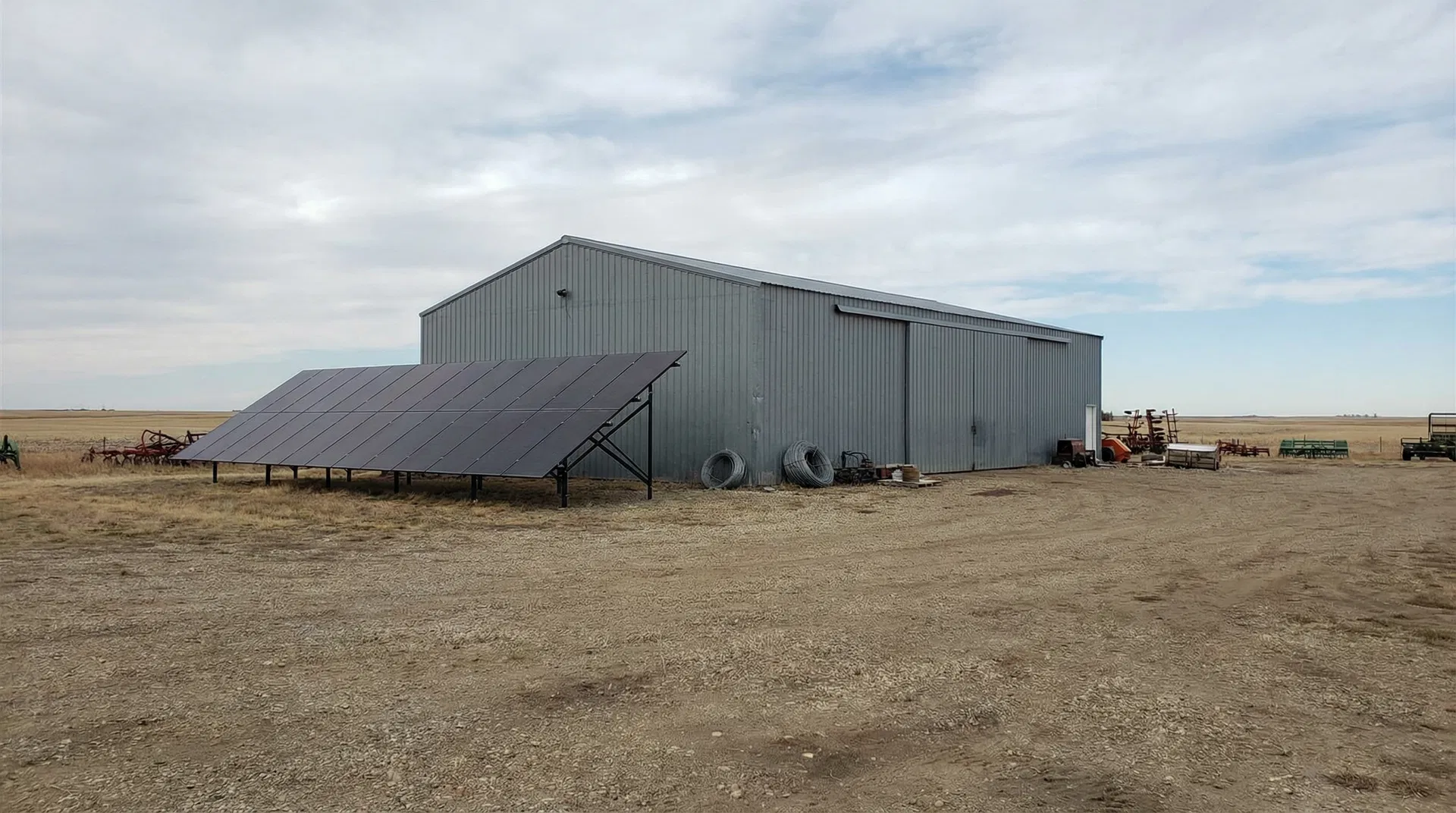
Frequently Asked Questions
Get a Solar Assessment for Red Deer County
Submit a recent power bill and we will review your consumption and provide an honest assessment for your Red Deer County property. No obligation.
(587) 330-7502 Book a CallRelated Resources