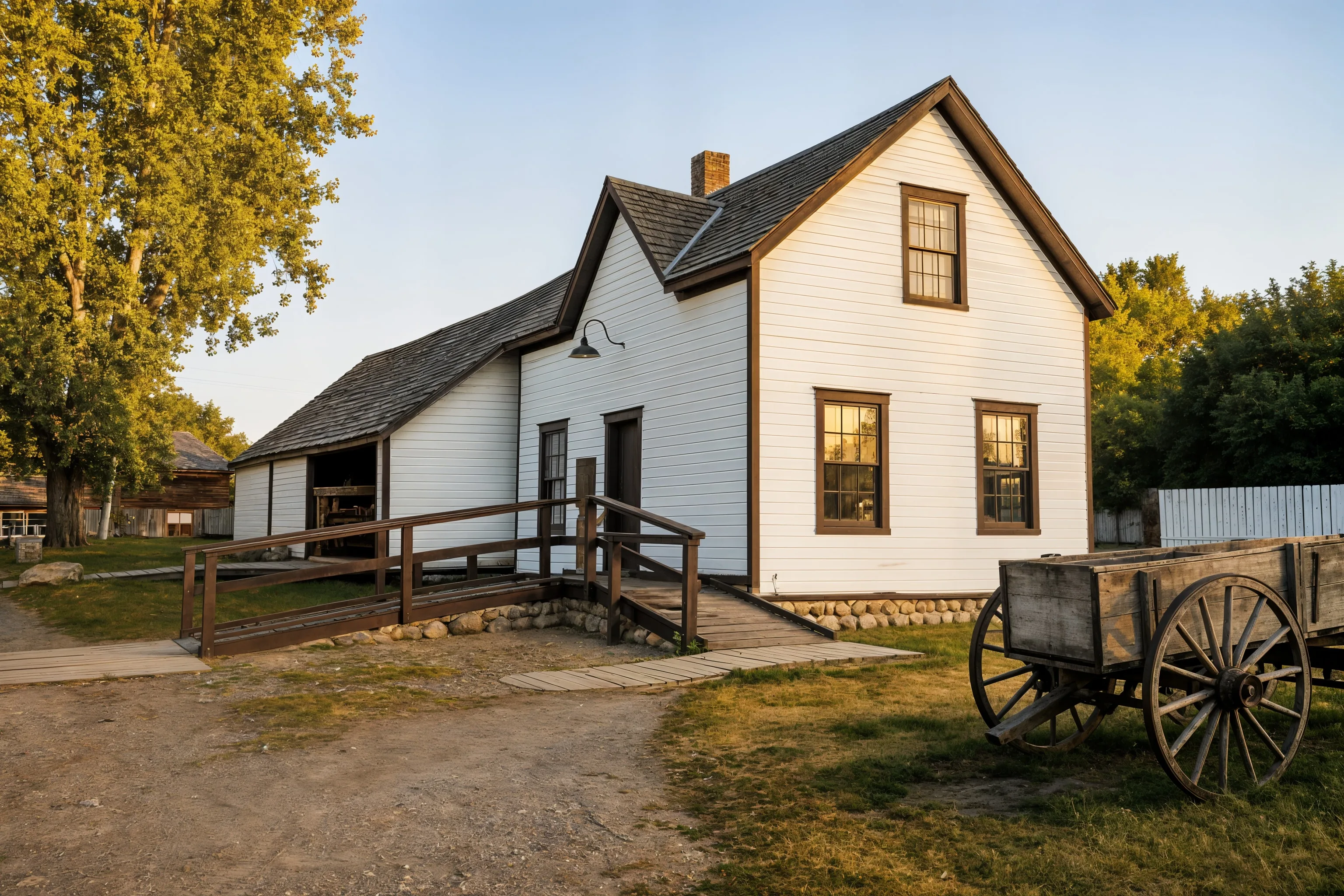
Commercial solar in Red Deer County starts with a load assessment, not a standard package. We install systems from 15 kW up to 100 kW, with most commercial projects landing around 30 kW depending on the building and operation involved. Every system uses LONGi panels, which we've standardized on for commercial installs because of consistent output specs and manufacturer support. For smaller commercial arrays, we pair them with APsystems microinverters, which let us monitor production at the panel level so a partial shading issue on one string doesn't drag down the whole array. On larger commercial systems, string inverters are often the better fit. They're more cost-effective per kW at higher capacities and simpler to service when a commercial roof or ground-mount array covers a lot of surface area. We work with the property types that make up this area's commercial base: standalone shop buildings, multi-bay operations, office and warehouse combinations, and ground-mount arrays on properties with open land. Mounting approach depends on roof condition and orientation as much as it does on available ground space. A metal-roofed shop with good south exposure might carry the whole array on the roof, while a property with heavy tree cover or a roof near end of life often makes more sense as a ground mount. We also review your building's electrical service, whether it's single-phase or three-phase, and your panel capacity as part of the design, since those factors decide what inverter setup will work before we finalize a system size or look at Clean Technology Investment Tax Credit eligibility for your operation.
Solar Planning for Red Deer County Properties
This part of Alberta covers a wide mix of commercial and agricultural properties, from grain operations and logistics yards to shops along the main corridors. With a population of 19,933, the area supports agriculture, energy, and logistics sectors that each carry different electrical loads throughout the year. That variety is exactly why we don't quote a system size before we've looked at your property. A commercial building with rooftop HVAC units and a grain operation with augers and dryers pull power in different patterns, and a solar system has to be sized around the load that's actually there, not a generic square-footage estimate. FortisAlberta serves the wire infrastructure for this location, which shapes how we structure the interconnection application and what the service entrance needs to support. Before we spec a single panel, we walk the property, review your most recent power bill, and look at roof condition, available ground space, and how your electrical service is configured. That's the same process whether you're running a single building or a yard with several structures. It's how we avoid the two most common commercial solar mistakes: oversizing a system that never gets used, or undersizing one that leaves real capacity on the table.
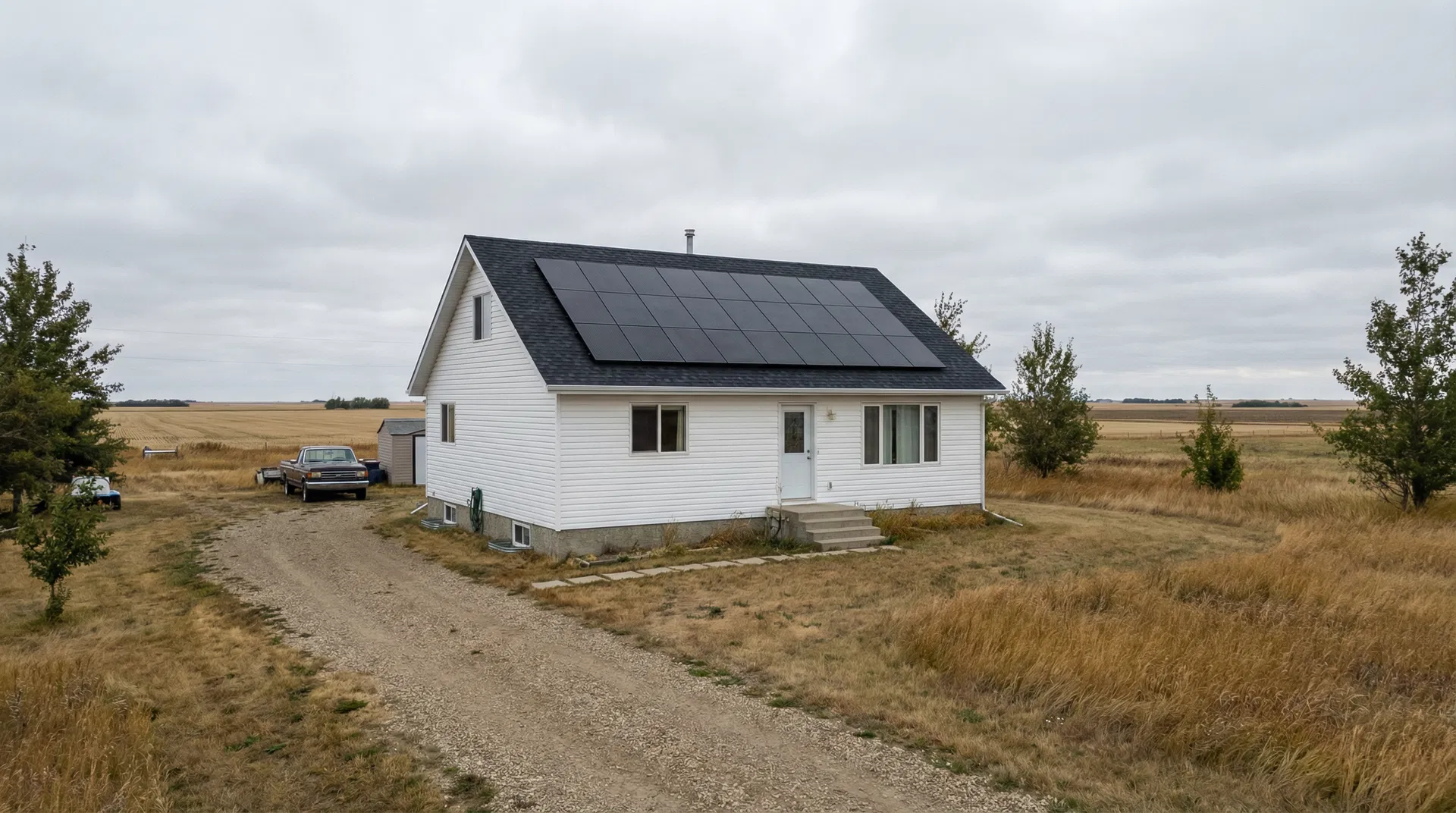
Electrical Site Review for Red Deer County Properties
Voltage Rise
Voltage rise happens when the distance and wire gauge between your service and the local transformer cause voltage to climb as solar power flows back onto the line, and rural distribution runs can be long enough for it to matter. If voltage rise pushes too high, your inverter may clip output to stay within its operating range instead of delivering full production. We check your line configuration during design so system sizing accounts for it up front, not after installation.
Single-Phase vs Three-Phase
Commercial properties around here run on either single-phase or three-phase service, and which one you have changes what inverter equipment we can use and how much capacity the system can carry. Three-phase service generally supports larger commercial systems and different inverter configurations than single-phase does. We confirm your service type early in the design process since it affects equipment selection before we finalize a quote.
Panel Infrastructure
Older commercial buildings sometimes have electrical panels that don't have the breaker capacity or physical space for a solar interconnection, especially on properties that haven't been upgraded in years. We check panel age, rated capacity, and available breaker space as part of the site review. If the panel can't support the system, an upgrade means a new panel or a capacity increase, which we scope and quote as part of the project so there are no surprises mid-installation.
Service Entrance Review
We check the condition of your service entrance and meter base since FortisAlberta's micro-generation application requires it to meet current standards before they'll approve a commercial interconnection. An older or damaged meter base can hold up an application even after the rest of the system design is finished. If an upgrade is needed, we coordinate it as part of the project scope so the interconnection application isn't delayed by equipment that was never part of the original design.
Right-Sizing Commercial Solar for Red Deer County Properties
Commercial properties in this area often carry more than one type of load: a main building plus a shop, cold storage, or equipment bays, sometimes with irrigation or grain-handling equipment running seasonally. That's different from a single-building urban commercial account, and it's why systems here tend to run larger than a standard rule-of-thumb estimate would suggest. Roof versus ground mount comes down to what your property actually offers. A building with a clean, south-facing roof and no shading is often the simplest and least expensive place to put panels. But if your roof has shading from trees or an adjacent structure, a poor pitch or orientation, or it's near the end of its service life, a ground-mount array on open yard space is usually the better call, especially on properties with room to spare. We don't size systems off a square-footage guess or a generic per-kW rule. We start with the 12-month usage graph on your most recent power bill, which shows how your load moves across the year, including seasonal spikes from equipment like grain dryers or irrigation pumps. From there, we combine that usage pattern with a site visit, a roof or ground assessment, and shading analysis to land on a system size that matches what your operation actually draws, somewhere in the 15 to 100 kW range depending on the property.
Typical Commercial Load Profiles We Design For Near Red Deer County
Shop and Cold Storage Operation
A commercial building paired with a heated shop or cold storage unit runs compressors, refrigeration, and heating loads that don't follow a simple daytime pattern. We read the 12-month usage graph on your most recent power bill to see how those loads shift by season before sizing the array. These combined-load properties often land toward the middle of our 15 to 100 kW commercial range, but the site visit and bill review decide the actual number.
Multi-Building Commercial Yard
Properties with several structures, an office, a warehouse, and equipment storage, each add their own draw to the electrical service, and that total load is what we design against rather than any single building in isolation. Site design has to account for how those buildings are wired together and where the array can physically go, whether that's split across multiple roofs or consolidated on a ground mount. We work from your most recent power bill and a walk of the whole yard before recommending a system size.
Agriculture and Logistics Operations
Grain handling, irrigation pumping, and trucking or logistics yards carry seasonal spikes that a flat annual estimate would miss entirely. These operations often need a system sized toward the upper end of our 15 to 100 kW range, and the Clean Technology Investment Tax Credit can factor into project economics for operations that qualify. We size around the actual seasonal load shown on your power bill's usage graph, not a generic per-acre or per-building formula.
FortisAlberta Interconnection in Red Deer County
FortisAlberta is the wire service for this location, and every commercial solar system we design here has to go through their micro-generation interconnection process before it's connected. That application is separate from municipal permitting and covers the technical side of how your system ties into the distribution grid. Range Road Solar handles the FortisAlberta paperwork directly: we prepare the single-line diagrams, equipment specifications, and site details the application requires, and we submit it on your behalf. For commercial systems, the application also has to account for your building's service size and whether you're on single-phase or three-phase power, since that affects what equipment can connect and how. We don't quote approval timelines or make claims about how FortisAlberta will handle credits or excess generation, because those decisions belong to FortisAlberta and your retailer, and the rules can change. What we can tell you is that we've done this application before, we know what FortisAlberta wants to see in a commercial submission, and we manage it so you're not the one chasing down technical drawings.
Project Economics and Design Review
| System Size | Annual Production | Year 1 Savings | Payback Period |
|---|---|---|---|
| 15-100 kW range, 30 kW typical |
Actual production, savings, and payback numbers come from a property-specific design review using your most recent power bill, not a generic estimate.
How We Work in Red Deer County
Bill and Load Review
We review your power bill to understand your energy use in Red Deer County and size the system to your actual consumption, not a generic estimate.
Site Assessment
We assess your roof or ground area, south-facing exposure, electrical service, and utility interconnection requirements specific to your property.
Design and Utility Application
We produce a system layout, production estimate, and cost summary, then submit your micro-generation application to your utility on your behalf.
Installation and Commissioning
Our crew installs racking, panels, inverter, and electrical connections. All work is performed by licensed electricians. We commission and test before handoff.
Current Program and Interconnection Review
Utility connection review
FortisAlberta reviews every micro-generation interconnection application before a commercial solar system can connect to their grid. Range Road Solar prepares the full design package, including the technical drawings and equipment specs FortisAlberta requires, and submits it on your behalf.
Current program review
Commercial, farm, and residential solar projects are each reviewed against current federal and provincial rules at the time of design, since eligibility criteria can change. We check what applies to your specific operation as part of the design review rather than assuming a program still applies the way it did last year.
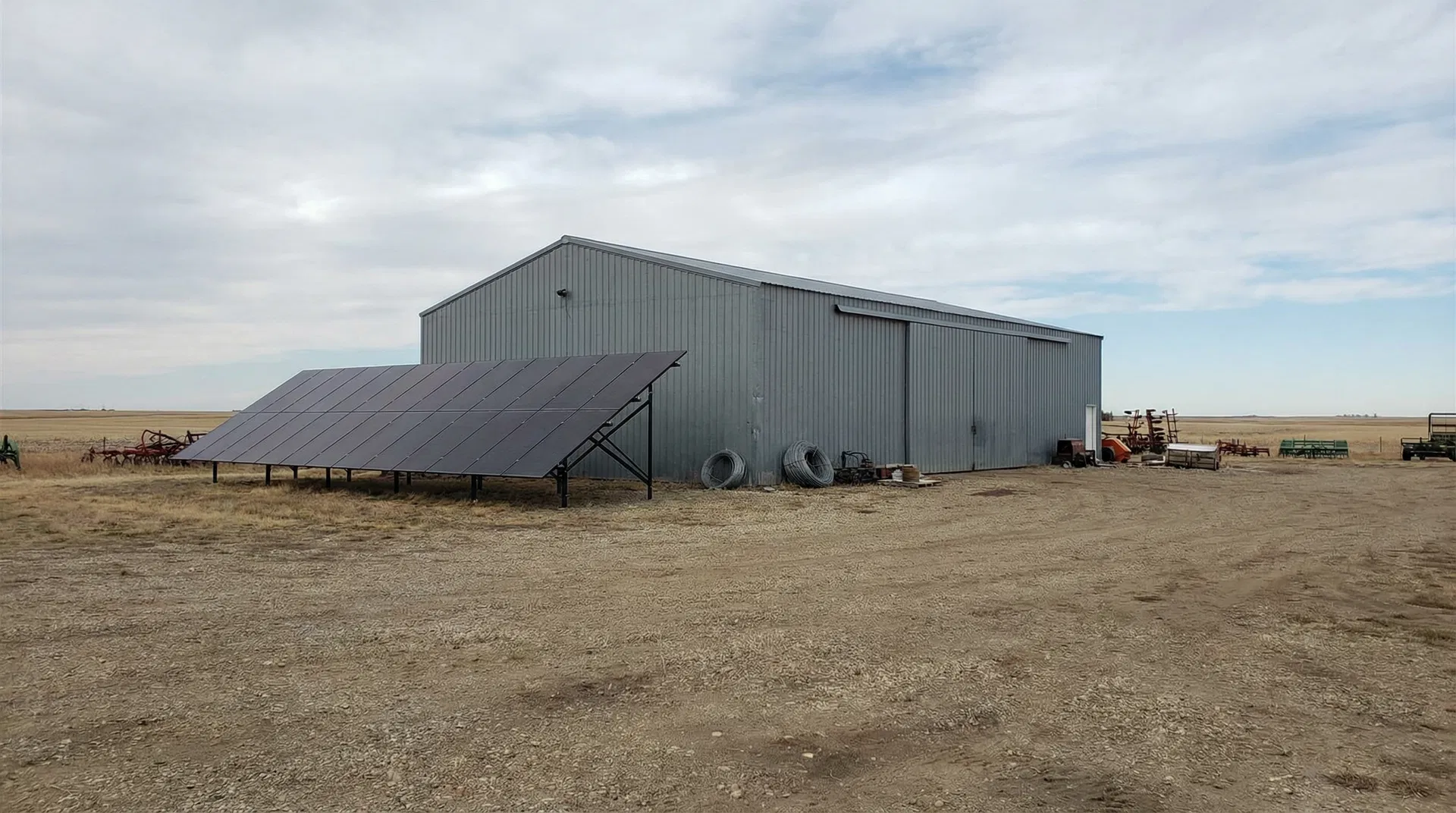
Frequently Asked Questions
Get a Solar Assessment for Red Deer County
Submit a recent power bill and we will review your consumption and provide an honest assessment for your Red Deer County property. No obligation.
(587) 330-7502 Book a CallRelated Resources