Red Deer County · Commercial solar
Commercial Solar in Red Deer, Alberta
Range Road Solar designs and installs commercial solar systems from 15 to 100 kW for Red Deer businesses, with CT ITC incentive eligibility reviewed at no cost.
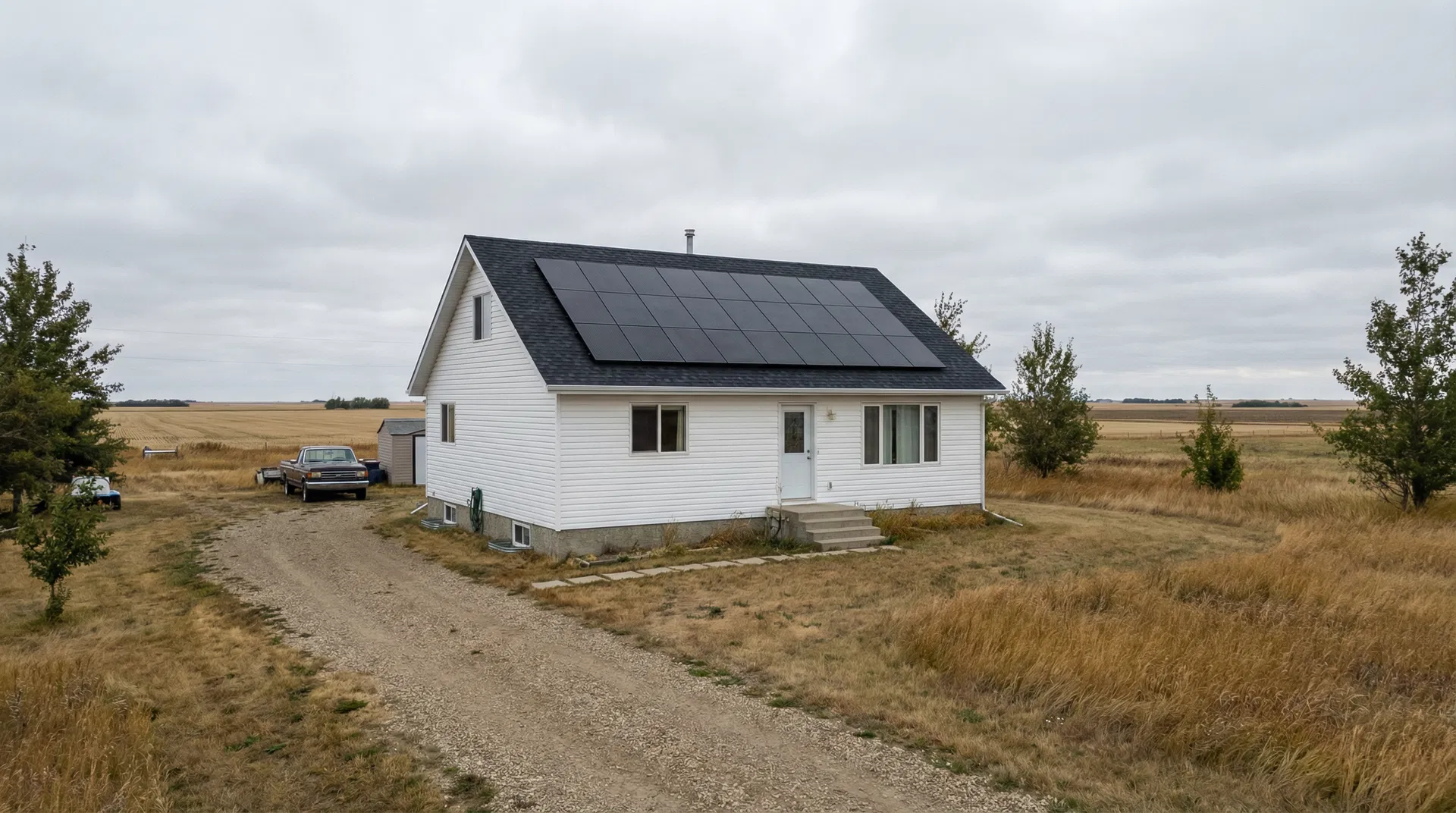
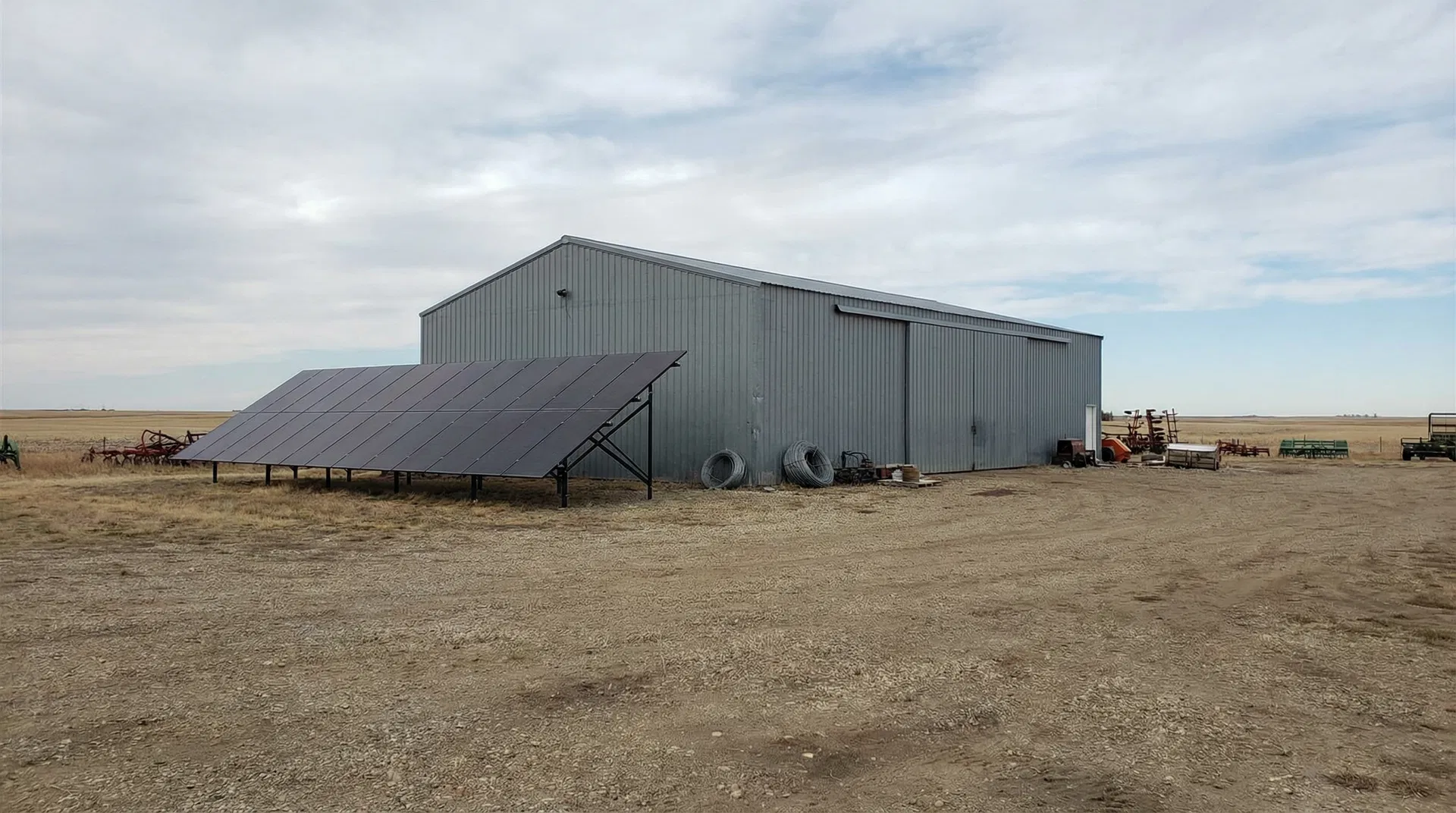
Solar commercial solar Red Deer Alberta projects at Range Road Solar run from 15 kW for smaller commercial buildings up to 100 kW for larger facilities, with 30 kW being the most common starting point for mid-size operations. We spec LONGi panels across all commercial work. They're a proven, bankable module that holds up well under Alberta's temperature swings and carries the performance warranties that matter when you're financing a larger capital project. On the inverter side, we use APsystems microinverters for smaller commercial arrays where module-level monitoring and independent string performance matter. For larger systems in the 50 to 100 kW range, string inverters are typically the right call: fewer components at the module level, simpler maintenance access, and better compatibility with three-phase service entrances common in commercial settings. Roof mounts work well on flat commercial roofs with adequate membrane condition and structural load capacity. Ground mounts make sense when the roof isn't suitable or when available land adjacent to the building offers better orientation. We'll assess both options during the site review and recommend whichever produces the most consistent output given your specific property layout. We handle the full scope: system design, City of Red Deer micro-generation application, electrical permit, installation, and commissioning. You don't coordinate between a solar company and an electrician. It's one contract and one point of contact from design through energization.
Solar Planning for Red Deer Properties
Red Deer sits in Alberta's deregulated electricity market, which means the rate your business pays can shift with the wholesale market. That variability is exactly why commercial operators here are taking a harder look at on-site generation. When you own the output from a rooftop or ground-mounted array, you're producing power at a fixed installed cost rather than buying it at whatever rate the market sets that month. Commercial properties in Red Deer tend to have the roof area, electrical infrastructure, and operational hours that make solar sizing straightforward. A warehouse, retail building, or light-industrial facility running consistent daytime loads is a strong candidate. So is a business with a large flat or low-slope roof and a three-phase service entrance. We don't apply a rule-of-thumb number to your building and call it a quote. Every design starts with your most recent power bill and a site assessment. The 12-month usage graph on that bill tells us exactly what your facility consumed across seasons, which is what we need to model a system that actually fits your operation. From there, we handle City of Red Deer interconnection paperwork, equipment specification, and CT ITC eligibility review so you're not managing multiple contractors.
Electrical Site Review for Red Deer Properties
Voltage Rise
Voltage rise occurs when a solar system pushes power back toward the grid and raises the local line voltage above acceptable limits. In commercial settings, the length and loading of the distribution feeder serving your property affects how much headroom exists before voltage rise becomes a constraint. If voltage rise limits are tight on your service, it can affect inverter operating setpoints and how we size the system to stay within utility requirements.
Single-Phase vs Three-Phase
Commercial properties in Red Deer may be served by single-phase or three-phase electrical service, and that distinction shapes how we design the solar system. Three-phase service supports larger system capacities and a wider range of string inverter configurations, while single-phase service may require more careful balancing across phases. We confirm your service type during the site review before specifying inverter equipment.
Panel Infrastructure
Older electrical panels on commercial properties sometimes don't have the breaker capacity or busbar rating to support a solar backfed breaker without an upgrade. We assess the panel age, main breaker rating, available breaker slots, and busbar ampacity as part of every site review. If the existing panel can't support the system, we'll scope a panel upgrade as part of the project so there are no surprises after installation begins.
Service Entrance Review
The service entrance and meter base are the connection point between your facility and the City of Red Deer distribution system, so their condition matters for the micro-generation application. We check the meter base for compliance with current utility standards, inspect the service entrance conductors and weatherhead, and confirm whether the existing meter socket is compatible with a bi-directional meter. If an upgrade is required, it becomes part of the project scope before we submit the interconnection application.
Right-Sizing Solar for Red Deer Properties
Commercial properties in Red Deer carry load profiles that vary widely from one operation to the next. A light-industrial building might run HVAC, compressors, and lighting across a standard business day. A retail property might have heavy HVAC demand in summer and significant lighting load year-round. A facility with cold storage, processing equipment, or multiple tenant spaces will look different again. We don't use a square-footage estimate or a generic kilowatt-per-employee formula. None of those tell us what your building actually used. Sizing starts with the 12-month usage graph on your most recent power bill. That graph shows month-by-month consumption across a full year, which is what we need to understand your seasonal demand pattern and size a system that covers a meaningful share of your load, not just summer peaks. Roof mounts work well when your building has adequate structural capacity, a suitable roof pitch or flat membrane, and minimal shading from adjacent structures. If the roof isn't the right fit, whether because of condition, orientation, or shading from neighbouring buildings, a ground-mounted array on available land adjacent to the facility is often a cleaner solution. Ground mounts also allow us to set the optimal tilt and azimuth without being constrained by roof geometry. We'll walk through both options during the site assessment and show you the production model for whichever configuration fits your property. The goal is a system that actually performs the way the numbers say it will.
Typical Load Profiles We Design For Near Red Deer
Retail or Office Building
A mid-size retail or office building typically runs consistent HVAC, lighting, and plug loads during business hours, which aligns well with solar production timing. We size these systems from the 12-month usage graph on your most recent power bill to match the daytime load profile rather than oversizing for peaks that occur outside solar hours. A 15 to 30 kW system covers a meaningful share of daytime consumption for many buildings in this category.
Light-Industrial or Warehouse Facility
Light-industrial and warehouse operations often run compressors, ventilation, overhead doors, and lighting across a predictable shift schedule, making them strong candidates for a larger commercial array. Systems in the 30 to 60 kW range are common for facilities with consistent daytime operations and adequate roof or yard space. We confirm the right size from your actual consumption data and a review of your facility's service entrance capacity.
Multi-Tenant Commercial Property
Multi-tenant buildings carry layered loads from several occupants, which can push total consumption higher than a single-tenant facility of the same footprint. A 60 to 100 kW system may be appropriate where the building's common-area and master-metered loads are substantial. We assess the metering configuration and City of Red Deer interconnection requirements before specifying equipment to make sure the system is credited correctly against the right meter.
City of Red Deer Interconnection
Red Deer's wire service is the City of Red Deer, which operates its own electrical distribution system. That's different from most of central Alberta, where FortisAlberta holds the distribution territory. Because the City of Red Deer runs its own grid, micro-generation applications for commercial solar go directly through the City rather than through a provincial wire service. Range Road Solar prepares and submits the full interconnection package on your behalf. That includes the single-line diagram, equipment specifications, protection relay documentation, and any site-specific requirements the City's engineering team needs to review the application. We don't make promises about how long the City's review process takes, because that's not something we control. What we do control is the quality and completeness of the package we submit. A well-prepared application with all required documentation tends to move through the process more smoothly than one that needs revisions. We've done this before and we know what the City expects to see.
Project Economics and Design Review
| System Size | Annual Production | Year 1 Savings | Payback Period |
|---|---|---|---|
| 15-100 kW range, 30 kW typical |
Production, savings, and payback estimates require a property-specific design and your most recent power bill before any figures can be confirmed.
How We Work in Red Deer
Bill and Load Review
We review your power bill to understand your energy use in Red Deer and size the system to your actual consumption — not a generic estimate.
Site Assessment
We assess your roof or ground area, south-facing exposure, electrical service, and utility interconnection requirements specific to your property.
Design and Utility Application
We produce a system layout, production estimate, and cost summary, then submit your micro-generation application to your utility on your behalf.
Installation and Commissioning
Our crew installs racking, panels, inverter, and electrical connections. All work is performed by licensed electricians. We commission and test before handoff.
Current Program and Interconnection Review
Utility connection review
The City of Red Deer reviews and approves grid connection applications for commercial solar systems within its distribution territory. Range Road Solar prepares the full design package, including single-line diagrams and equipment documentation, and manages the submission on your behalf. We don't make claims about credit settlement or billing treatment, as those details are governed by City of Red Deer utility rules that we confirm at design time.
Current program review
Commercial solar projects in Alberta may have access to incentive programs, tax treatment, or capital cost allowance provisions that affect project economics. Eligibility and program rules change, so we review what's current and applicable to your specific business structure at the time of design. We won't quote you an incentive that's no longer available or one we haven't confirmed applies to your situation.
Frequently Asked Questions
Get a Solar Assessment for Red Deer
Submit a recent power bill and we will review your consumption and provide an honest assessment for your Red Deer property. No obligation.
(587) 330-7502 Book a CallRelated Resources
More Solar Services in Red Deer