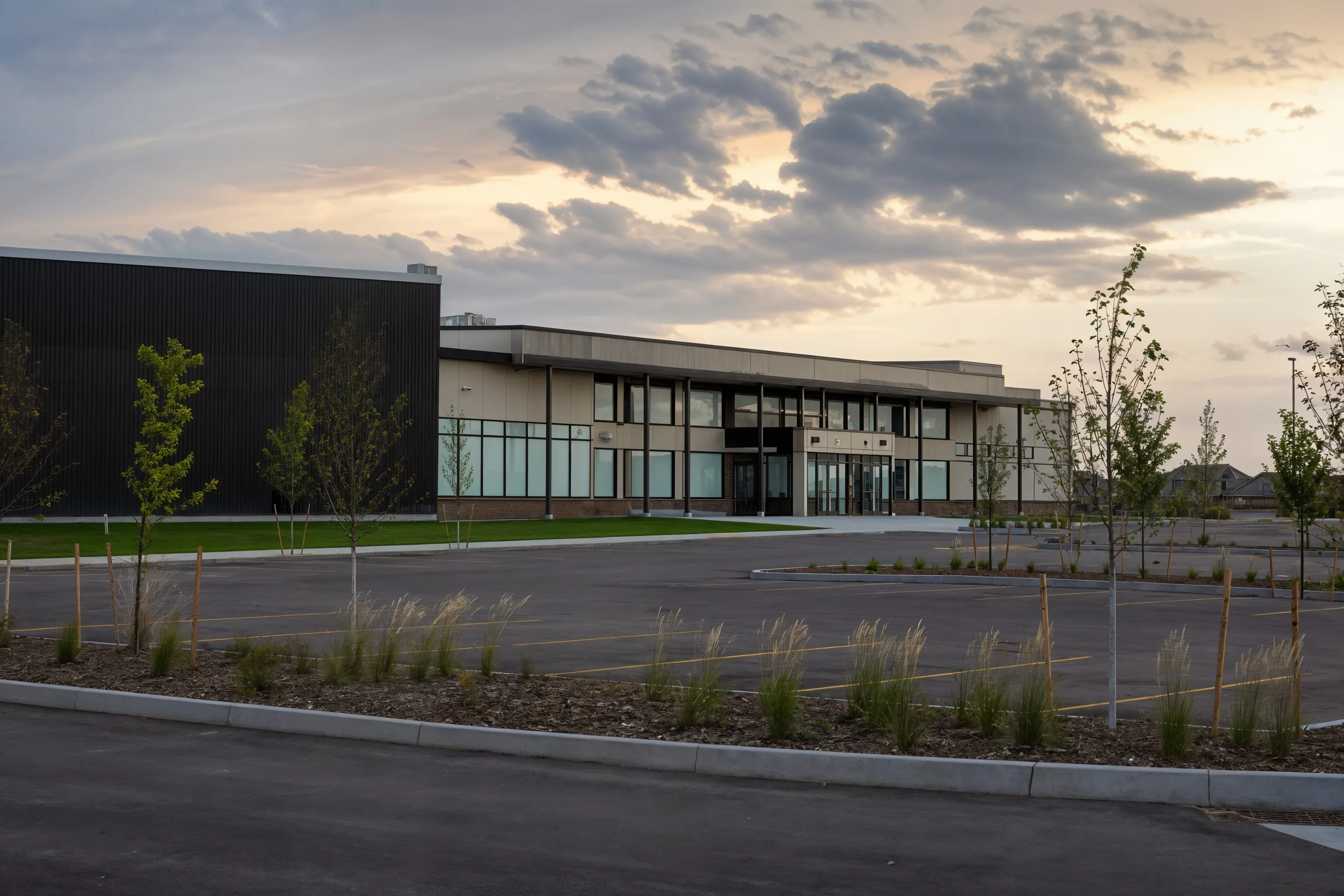
Commercial solar in Blackfalds means sizing a system for a real business load, not a residential roof with extra panels bolted on. We install LONGi panels across every commercial project, and pair them with APsystems microinverters on smaller systems or string inverters once a system moves into the higher end of our 15 to 100 kW commercial range. That range covers a lot of ground: a single retail unit with modest daytime demand sits at the lower end, while a facility running compressors, walk-in coolers, or grain-handling equipment can push toward the top. Every commercial installation we design gets reviewed against current CT ITC (Clean Technology Investment Tax Credit) eligibility rules at the time of design, alongside whatever else applies to your business structure. We don't guess at eligibility. We confirm it as part of the design package, using your actual equipment specs and business details. Roof condition and layout vary a lot across commercial properties here, from flat-roofed retail and light industrial buildings to older sloped-roof storefronts. Some properties have enough open yard or lot space that ground mount makes more sense than fighting a shaded or oddly-pitched roof. We walk every site in person before we finalize a design, checking roof structure, existing electrical service, and where the utility meter and service entrance sit, because those details change what's possible more than square footage ever does.
Solar Planning for Blackfalds Properties
Blackfalds has grown fast. The population climbed from 9,328 to 10,470 between the last two federal census counts, and that growth shows up in new commercial construction along the highway corridor and around community anchors like the Abbey Centre. For a business owner here, that growth is also a reason to look closely at electrical capacity before adding solar: newer commercial buildings often carry three-phase service and higher demand loads, while older buildings downtown may still run on single-phase panels that need review before a system gets sized. FortisAlberta is the wire service for properties in this area, and any commercial system needs a formal interconnection application before it gets turned on. We start every project with a site visit and a look at your most recent power bill, because roof orientation, shading from neighboring buildings, and your actual demand profile tell us more than any rule of thumb. A shop with walk-in coolers and a retail storefront with just lighting and till systems don't need the same system, even if their square footage is identical. We size to the building, not the postal code.
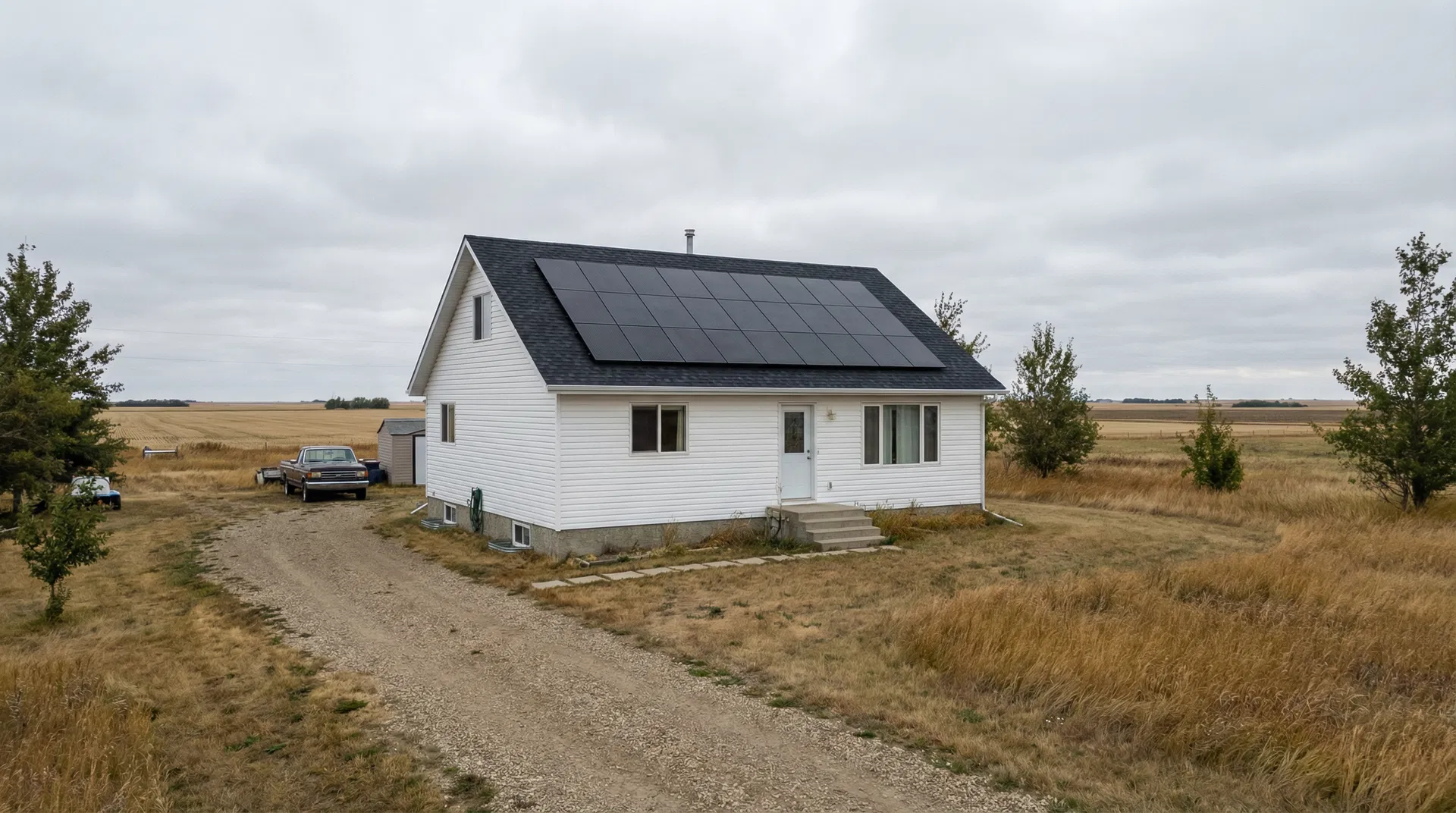
Electrical Site Review for Blackfalds Properties
Voltage Rise
Voltage rise happens when power travels a distance along a distribution line before reaching your building's service, and rural and small-town feeders can see more of it than a tight urban grid does. Higher voltage rise can push inverters into clipping or shutdown at certain points in the day, which affects how a system gets sized and where the inverter's operating window needs to sit. We check the feeder conditions at your specific property before finalizing inverter selection, not after.
Single-Phase vs Three-Phase
Commercial properties in and around this area run on either single-phase or three-phase electrical service, and which one you have changes what equipment fits. Three-phase service, common in larger commercial and light industrial buildings, opens up string inverter options and higher system capacities. Single-phase properties usually work best with microinverters or a smaller string inverter matched to that service type, which caps how large a system can go without an electrical upgrade.
Panel Infrastructure
Older commercial buildings here sometimes carry electrical panels and breaker capacity sized for the building's original, smaller load, not for a solar interconnection on top of it. We check panel age, breaker headroom, and busbar rating during the site visit to see what the existing panel can actually support. If the panel can't handle the added interconnection, an upgrade to the panel or a service disconnect happens before the system goes in, not as an afterthought.
Service Entrance Review
The service entrance and meter base are where we check that the physical connection point can support a commercial system before FortisAlberta gets an application. A meter base that's aged, undersized, or rated for a smaller service creates a problem at the interconnection stage that's better caught early. If the meter base needs an upgrade, we scope that as part of the project so the application to FortisAlberta reflects what's actually going in, not what was there before.
Right-Sizing Solar for Blackfalds Properties
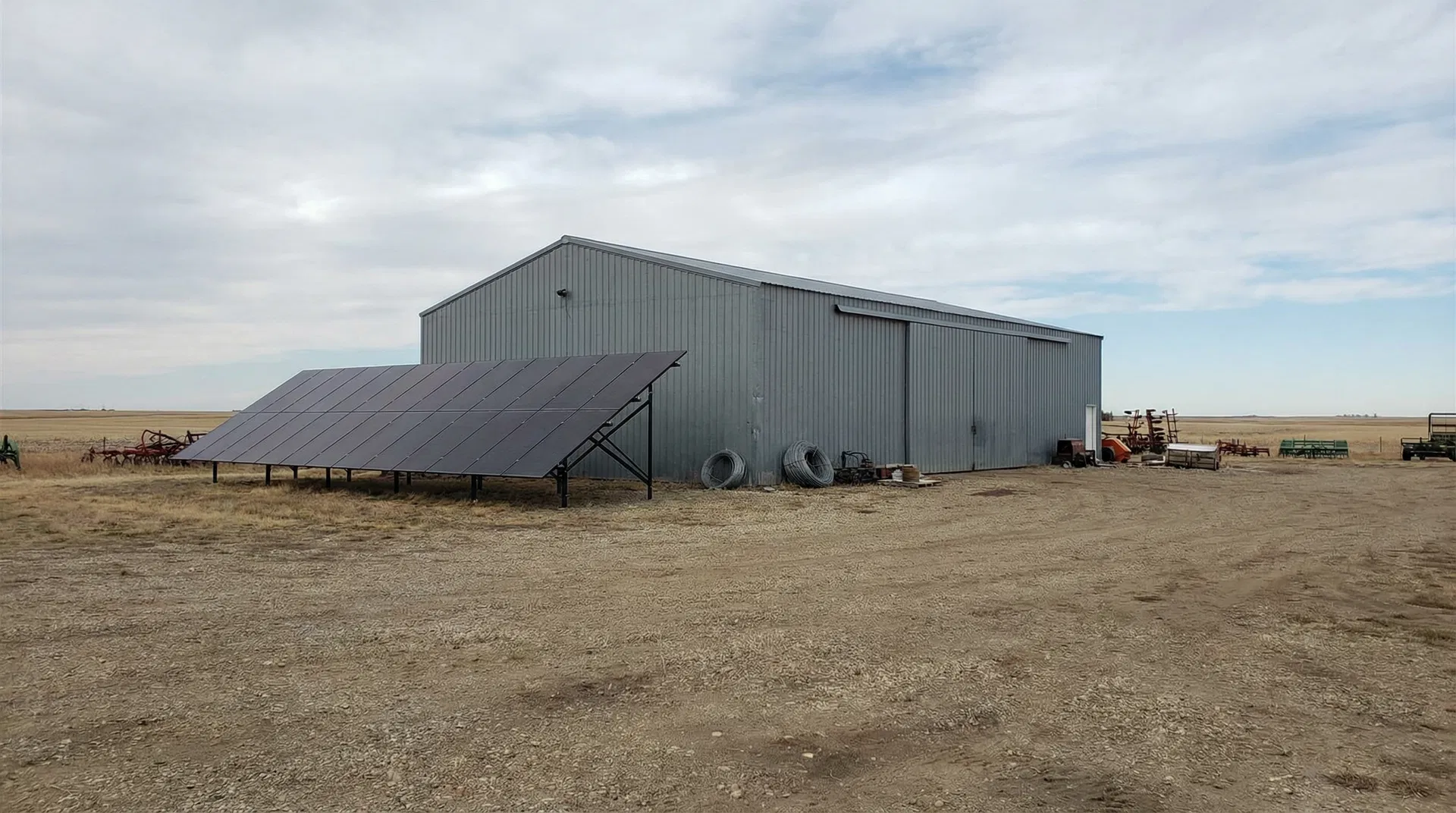
Commercial properties around here rarely run on a single, simple load. A business might have a main building, a heated shop or warehouse behind it, and equipment like compressors, coolers, or processing gear that draws power on its own schedule. Sizing a system means accounting for all of that together, not just the square footage of the main structure. Roof versus ground mount comes down to what your site actually offers. A flat commercial roof with clear southern exposure and enough structural capacity is often the simplest option. But if the roof is shaded by an adjacent building, has HVAC units and vents eating up usable space, or the pitch and orientation don't work, and there's open yard or lot space available, ground mount is usually the better call. We look at both options during the site visit rather than defaulting to roof because it's assumed to be cheaper. Either way, we size from the 12-month usage graph on your most recent power bill, which shows how your demand actually moves through the year, not a rule-of-thumb number based on square footage or industry averages. Combined with the site design, that usage graph is what tells us whether you need a system near the bottom of our 15 to 100 kW range or closer to the top.
Typical Load Profiles We Design For Near Blackfalds
Retail Storefront
A retail space here typically draws steady daytime power for lighting, till systems, and HVAC, with load that tracks store hours closely. We size these systems using the daytime demand pattern shown on the most recent power bill, since a storefront's usage rarely spikes the way a production facility's does. These tend to sit toward the lower to middle end of our 15 to 100 kW commercial range.
Light Industrial or Shop Building
A shop or light industrial building often runs compressors, welders, or bay heaters alongside general building load, and those loads can spike well above the baseline at different points in the day. We design around that variability using the usage graph on your bill and the equipment's actual specs, not an assumed average. These properties frequently land in the middle to upper end of our commercial range.
Cold Storage or Refrigeration-Heavy Operation
A property running walk-in coolers, freezers, or refrigerated processing equipment carries a load that runs around the clock rather than just during business hours. That constant baseline changes how we think about system size and inverter selection compared to a daytime-only load. We confirm the actual pattern from your most recent power bill before finalizing a design, since assumptions about refrigeration load are often wrong in either direction.
FortisAlberta Interconnection in Blackfalds
FortisAlberta is the wire service provider for properties in this area, and that's the utility your commercial system connects through, regardless of which electricity retailer bills you each month. Before any commercial solar system goes live, it needs a micro-generation interconnection application submitted to FortisAlberta and approved. We handle that application as part of every project: the electrical drawings, the equipment specifications for your LONGi panels and inverters, and the paperwork FortisAlberta requires to review a commercial-scale system. We don't ask you to navigate that process on your own or guess at what the utility needs to see. Every commercial property is different, and older service entrances or panels sized for a smaller original load sometimes need upgrades before FortisAlberta will approve the interconnection. We flag that during the site visit, not after the application is already in, so there aren't surprises partway through the project.
Project Economics and Design Review
| System Size | Annual Production | Year 1 Savings | Payback Period |
|---|---|---|---|
| 15-100 kW range, 30 kW typical |
Production, savings, and payback figures depend on a property-specific design review using your most recent power bill and actual site conditions.
How We Work in Blackfalds
Bill and Load Review
We review your power bill to understand your energy use in Blackfalds and size the system to your actual consumption, not a generic estimate.
Site Assessment
We assess your roof or ground area, south-facing exposure, electrical service, and utility interconnection requirements specific to your property.
Design and Utility Application
We produce a system layout, production estimate, and cost summary, then submit your micro-generation application to your utility on your behalf.
Installation and Commissioning
Our crew installs racking, panels, inverter, and electrical connections. All work is performed by licensed electricians. We commission and test before handoff.
Current Program and Interconnection Review
Utility connection review
FortisAlberta reviews the interconnection application for any commercial system before it's connected to the grid, and Range Road Solar prepares that full design package: electrical drawings, equipment specifications, and the documentation FortisAlberta requires. We manage that submission from start to finish as part of the project.
Current program review
Commercial, farm, and residential eligibility for any current federal or provincial program is reviewed against the rules in place at the time we design your system, since those rules can change. We check what applies to your specific business structure and property rather than assuming a blanket answer.
Frequently Asked Questions
Get a Solar Assessment for Blackfalds
Submit a recent power bill and we will review your consumption and provide an honest assessment for your Blackfalds property. No obligation.
(587) 330-7502 Book a CallMore Solar Services in Blackfalds