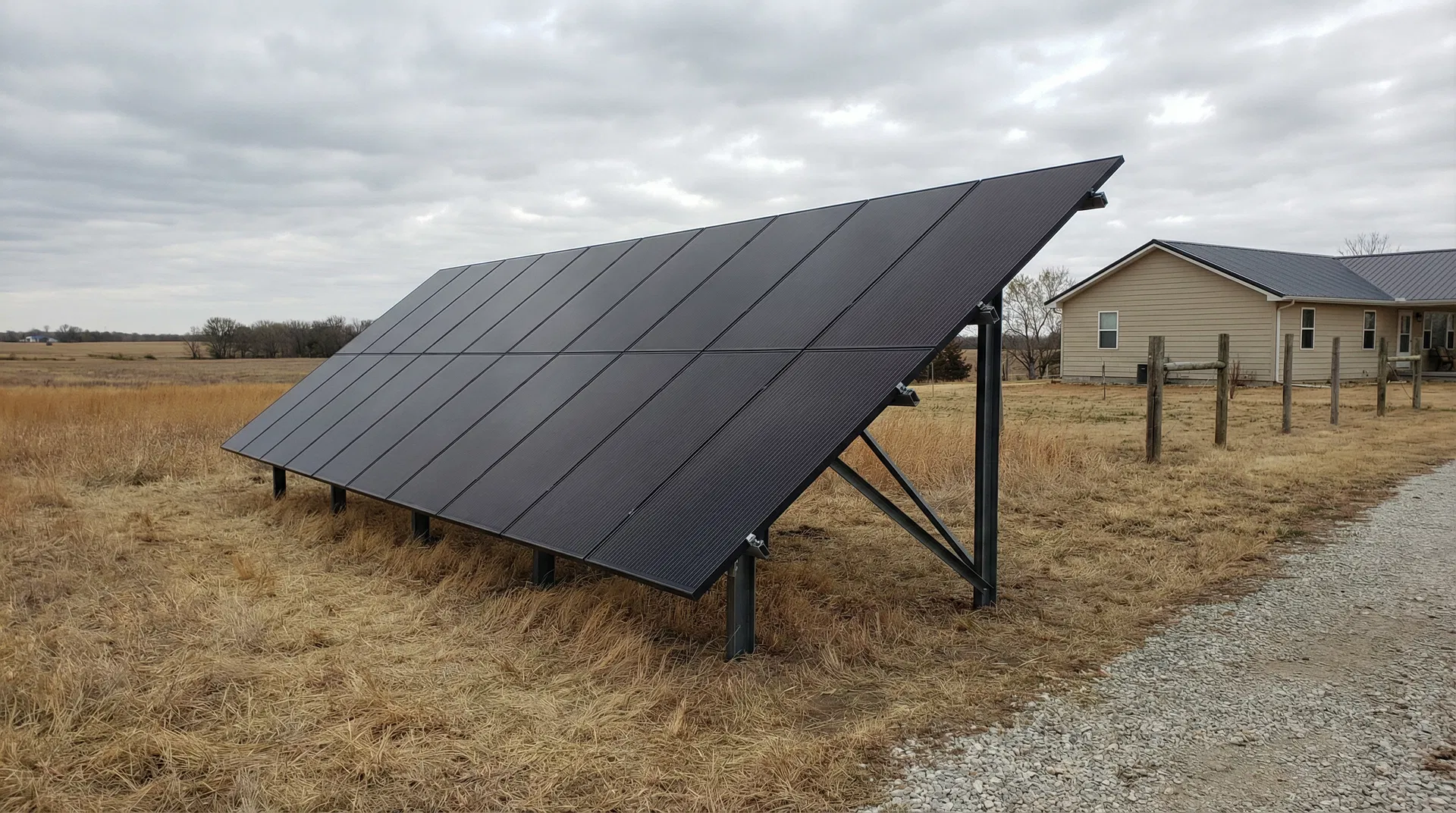
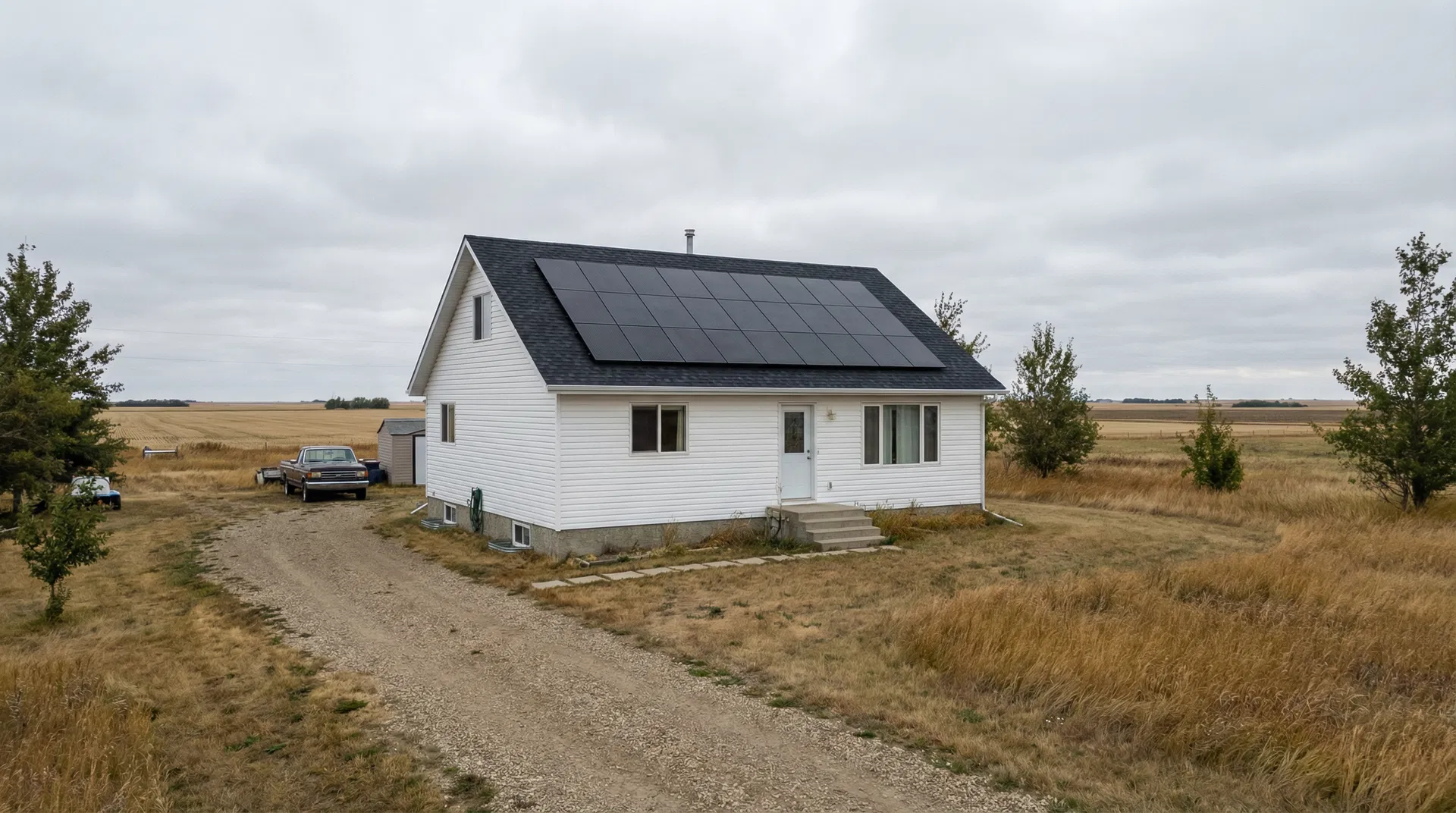
Solar installation in Red Deer, Alberta starts with a property-specific design, not a catalogue quote. Every grid-tied residential system we build uses LONGi solar panels and APsystems microinverters. That combination isn't arbitrary. LONGi panels are a proven, high-output panel that holds up in Alberta conditions. APsystems microinverters operate at the panel level, so shading on one panel from a dormer, a vent stack, or a neighbour's tree doesn't drag down output from the rest of the array. For homes in Red Deer, residential systems typically fall in the 8 to 12 kW range, with 10 kW being a common starting point for a household with average loads. Homes running electric heat, an EV charger, or a heated garage often land toward the upper end of that range. We confirm the right size through your most recent power bill and a site assessment, not a rule-of-thumb number from a website calculator. Roof mount is the default for most residential properties here. We assess pitch, orientation, and available unshaded surface before committing to a layout. Where a roof doesn't suit the array size needed, a ground mount on an available section of yard is a straightforward alternative. We handle the structural and electrical design for both configurations. Once the system design is complete, we prepare and submit the full engineering package for the City of Red Deer interconnection application. You don't need to manage the paperwork.
Solar Planning for Red Deer Properties
Red Deer sits in deregulated Alberta electricity territory, which means your retail electricity rate is set by a competitive retailer or a regulated default rate, not a locked municipal tariff. That rate structure matters when you're sizing a solar system, because the economics shift depending on what you're paying per kilowatt-hour and what credit arrangement you have with your retailer under Alberta's micro-generation rules. Properties here range from newer infill homes on grid-standard lots to older bungalows with aging panels and south-facing roofs that need an electrical review before anything gets installed. Acreage and hobby-farm properties on the outskirts have different load profiles entirely, often running a house, a shop, and outbuildings off the same service entrance. We don't size systems by guesswork. Your most recent power bill includes a 12-month usage graph, and that's the document we work from. Combined with a site review covering roof pitch, shading, and electrical infrastructure, it gives us what we need to build a design that fits your property and your actual usage, not a generic estimate built for someone else's house.
Electrical Site Review for Red Deer Properties
Voltage Rise
Voltage rise occurs when a solar system pushes current back onto the distribution grid and raises the voltage at the point of connection above acceptable limits. Distribution conditions in any service area, including the City of Red Deer grid, can affect how much voltage rise a system is permitted to introduce. If rise limits are tight, the inverter may clip output or the system size may need to be adjusted to stay within the utility's threshold.
Single-Phase vs Three-Phase
Most residential properties in Red Deer are served by single-phase electrical service, but properties with larger shop loads or older commercial-adjacent buildings may have three-phase service. The phase configuration affects which inverter models are compatible and how system capacity is distributed across the service. We confirm the service type during the site assessment and select APsystems microinverter configurations accordingly.
Panel Infrastructure
Older homes in Red Deer sometimes have electrical panels that were sized for loads that predate modern appliances, EV chargers, and electric heat. We assess breaker capacity and panel age during the site review to confirm the existing infrastructure can support a solar system without creating a backfed breaker situation. If the panel needs an upgrade to meet current code requirements, we include that scope in the project plan before installation begins.
Service Entrance Review
The meter base and service entrance are reviewed as part of every City of Red Deer micro-generation application. We check the meter base condition, the service entrance rating, and whether the existing configuration is compatible with the utility's interconnection requirements. If an upgrade is required, we identify it early so it can be scoped into the project rather than discovered partway through the approval process.
Right-Sizing Solar for Red Deer Properties
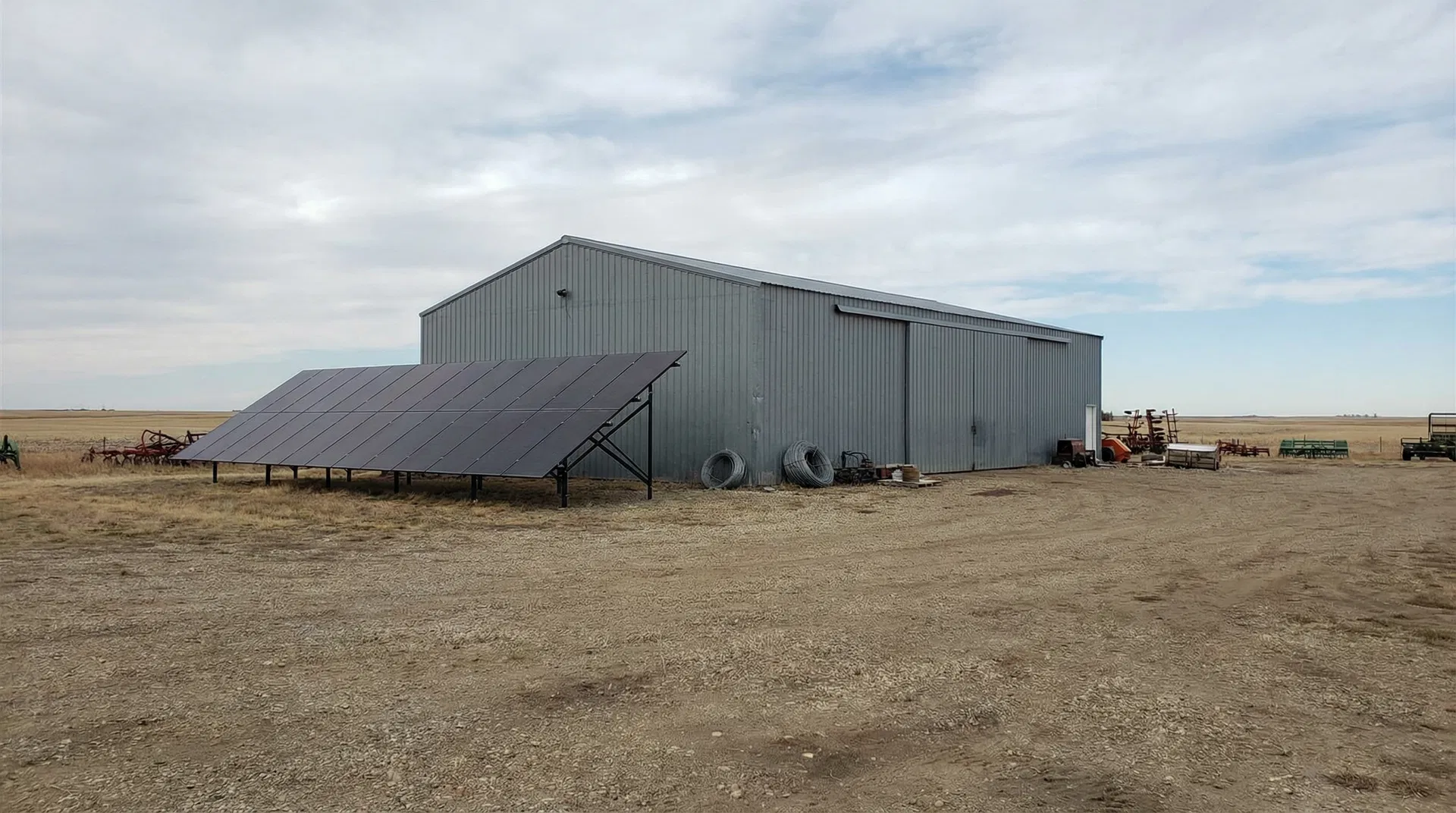
Most residential solar installations in Alberta are sized to offset a single-family home's usage. That's still true for a lot of properties in Red Deer. But properties on the edges of the area, or acreage lots a short drive out, often have multiple loads running off one service: the house, a heated shop, a secondary suite, or outbuildings. When those loads stack up, the system size needs to reflect the combined usage, not just what the kitchen and laundry are drawing. Roof mount works well for most residential properties here. It's typically the most cost-effective layout when the roof has good south-facing surface, reasonable pitch, and minimal shading from trees or dormers. Where the roof doesn't suit the full array size needed, and there's available yard, a ground mount is a clean alternative. Ground mounts can be oriented and tilted for better production than a roof that's dictated by architecture. We don't use rule-of-thumb watt-per-square-foot estimates to size a system. Your most recent Alberta power bill includes a 12-month usage graph, and that graph tells us what you're actually consuming across seasons, not just in July. We build the system size from that data, combined with the site design. If your usage has changed because you added an EV, renovated, or changed heating systems, we factor that in too. The goal is a system that fits your real load, not a number pulled from a provincial average.
Typical Load Profiles We Design For Near Red Deer
Home Plus Heated Shop
A detached heated shop running 240V equipment and a gas-assist radiant heater adds meaningful electrical load on top of a standard home. We pull the combined usage from your most recent power bill and size the system to offset both loads together, typically landing in the upper portion of the 8 to 12 kW range. Roof mount on the house is assessed first, with ground mount added if the shop roof is a better structural or orientation fit.
Standard Residential with EV Charging
A home adding a Level 2 EV charger can see meaningful increases in overnight consumption that a solar system doesn't directly offset during charging hours. We size the system to address the full annual usage reflected on the power bill, including the EV load, so the offset makes sense across the whole year rather than just daytime hours. A 10 kW system is a common starting point for this profile, though the right size depends on vehicle usage and the home's existing loads.
Older Home with Electric Baseboard Heat
Properties with electric baseboard heating carry a heavy winter load that drives annual consumption significantly higher than a gas-heated home of the same size. The 12-month usage graph on your power bill shows that seasonal spike clearly. We use it to design a system that addresses the full annual load rather than just the summer months, which often means a larger array than the homeowner initially expected.
City of Red Deer Interconnection
The wire service for residential properties in Red Deer is the City of Red Deer's electric utility. That makes it different from most surrounding Alberta communities, which are served by FortisAlberta or ATCO Electric. The City of Red Deer administers its own distribution grid and reviews micro-generation interconnection applications under its own process. Before a grid-tied solar system can operate, it needs to be approved through that interconnection process. Range Road Solar prepares and submits the full application package on your behalf. That includes the single-line diagram, equipment specifications, and any supporting documentation the City requires. We don't promise approval timelines, because those are controlled by the utility, not by us. What we can tell you is that we've built the application package to meet the utility's technical requirements from the start, which reduces the chance of back-and-forth delays. Once interconnection is approved, we complete commissioning and walk you through system operation before we leave the site.
Project Economics and Design Review
| System Size | Annual Production | Year 1 Savings | Payback Period |
|---|---|---|---|
| 8-12 kW range, 10 kW typical |
Production, savings, and payback figures require a property-specific design and the 12-month usage graph on your most recent power bill.
How We Work in Red Deer
Bill and Load Review
We review your power bill to understand your energy use in Red Deer and size the system to your actual consumption, not a generic estimate.
Site Assessment
We assess your roof or ground area, south-facing exposure, electrical service, and utility interconnection requirements specific to your property.
Design and Utility Application
We produce a system layout, production estimate, and cost summary, then submit your micro-generation application to your utility on your behalf.
Installation and Commissioning
Our crew installs racking, panels, inverter, and electrical connections. All work is performed by licensed electricians. We commission and test before handoff.
Current Program and Interconnection Review
Utility connection review
The City of Red Deer reviews all grid-tied solar interconnection applications for residential properties within its distribution territory. Range Road Solar prepares the full design package, including single-line diagrams and equipment documentation, and submits it on your behalf. We don't make claims about credit settlement terms or approval timelines, because those are governed by the City's current interconnection rules.
Current program review
Incentive programs, rebates, and eligible expenditure rules change, and eligibility depends on property type, system configuration, and the rules in effect at the time of application. We review what's current and applicable to your property during the design process. We don't pre-qualify customers for programs without confirming current eligibility rules first.
Frequently Asked Questions
Get a Solar Assessment for Red Deer
Submit a recent power bill and we will review your consumption and provide an honest assessment for your Red Deer property. No obligation.
(587) 330-7502 Book a CallRelated Resources
More Solar Services in Red Deer