Red Deer County · Acreage solar systems
Acreage Solar Systems in Red Deer, Alberta
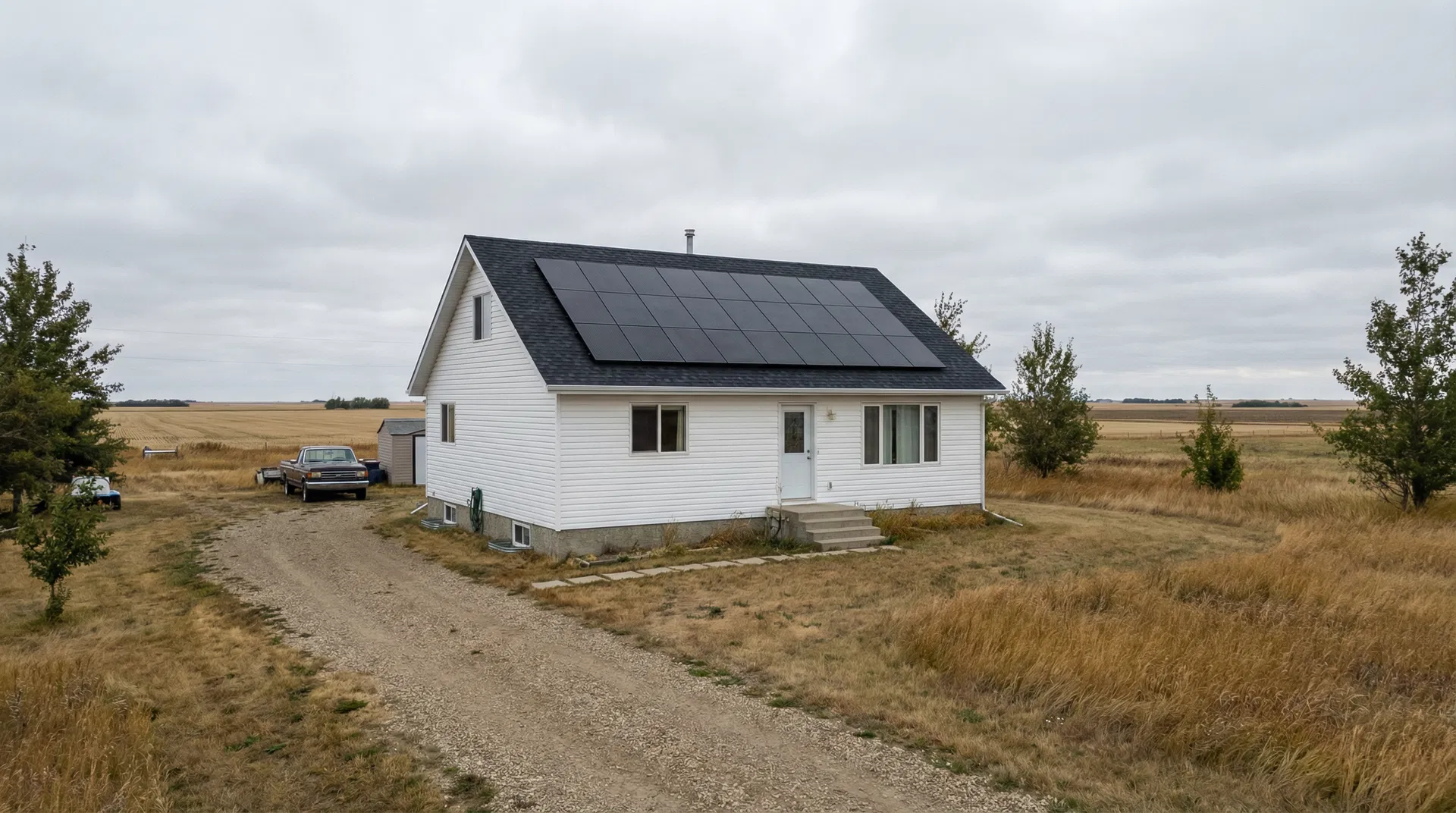
Rural properties around Red Deer carry bigger loads than a standard city lot. We design 12–18 kW rooftop and ground-mount systems sized to those real demands.
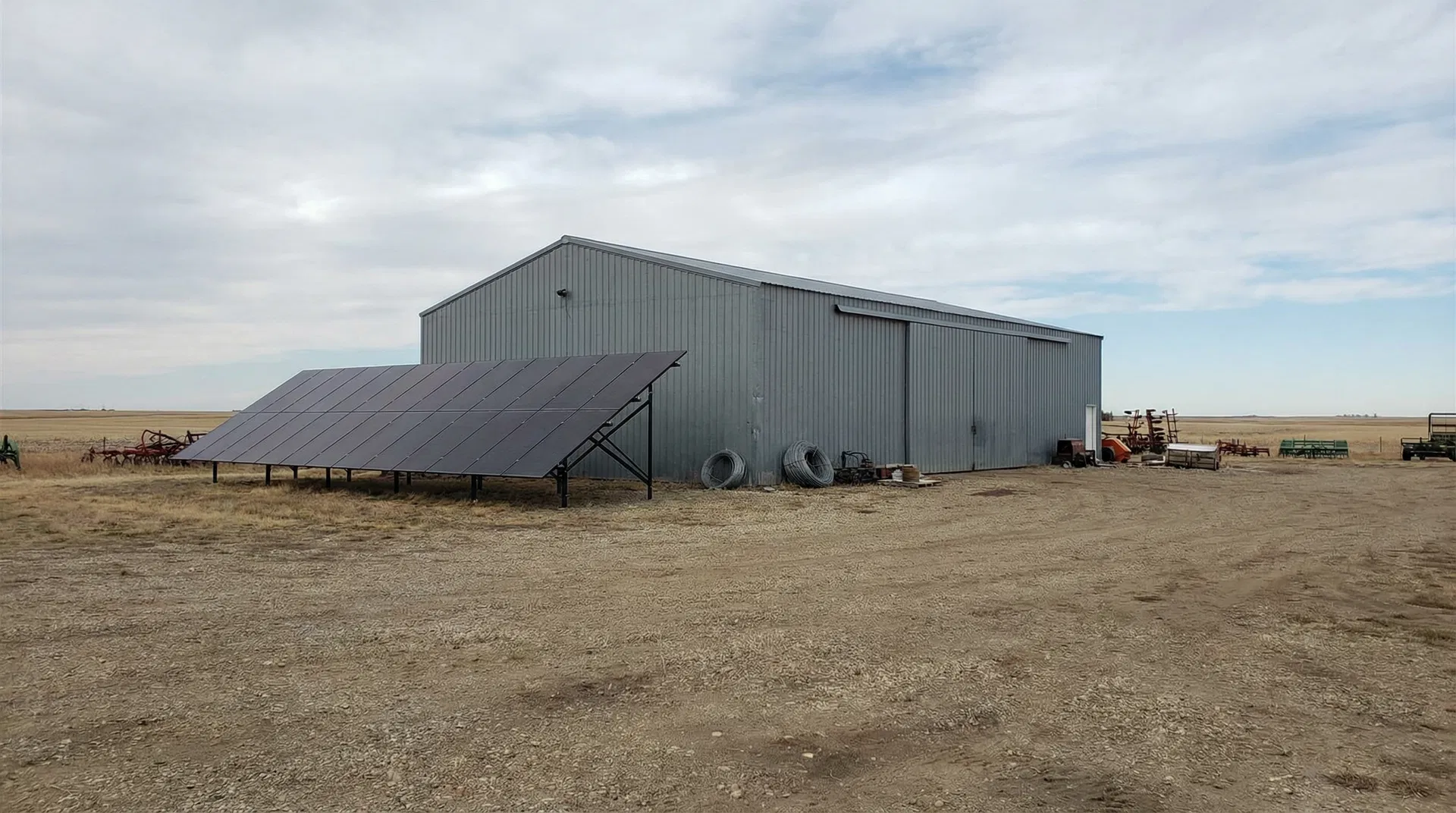
Solar acreage solar Red Deer Alberta properties call for systems built around variety: different roof pitches, outbuilding footprints, tree lines, and load combinations that shift by season. Our standard acreage systems run 12–18 kW, with 15 kW being a common landing point for a home plus heated shop combination. We use LONGi solar panels across our acreage installs. They're reliable, well-supported, and available in the module sizes that work for larger arrays without overcomplicating the racking layout. APsystems microinverters handle the DC-to-AC conversion at the panel level, which matters on acreage jobs where partial shading from a barn, tree, or roofline can pull down an entire string on a central inverter. With microinverters, each panel operates independently. One shaded panel doesn't drag the rest of the array. On rooftop installs, we work across standing seam metal, asphalt shingle, and corrugated steel common to shop and barn roofs in the area. When the roof isn't the right answer, whether due to orientation, age, structural condition, or layout, we design ground-mount systems on the available land. A properly oriented ground mount on a flat acreage yard often outperforms a compromised rooftop install, and it's easier to keep clear through winter. Every acreage design starts with your most recent power bill and a site visit. We don't guess at what size you need.
Solar Planning for Red Deer Properties
Acreages don't run on one meter and one load. Between the house, a heated shop, outbuildings, and seasonal equipment, the electricity demand on a rural property near Red Deer can look nothing like a typical residential account. That spread of usage is exactly why acreage solar deserves its own design process rather than a recycled urban quote. The City of Red Deer is the wire service here, and any grid-tied system connects through their micro-generation framework. That's the starting point for interconnection, not an afterthought. What actually drives system size is your usage history. Alberta utility bills include a 12-month usage graph, and that graph tells us more about what you need than any rule-of-thumb chart. We pull it apart, match it against your site conditions, and build a design around what you actually use. Ground mount or rooftop, single structure or multiple, shaded ridge or open south-facing yard: the answer depends on the property. We provide honest production estimates based on your actual power bills and site conditions, not inflated projections. That's the standard we hold ourselves to on every job.
Electrical Site Review for Red Deer Properties
Voltage Rise
Voltage rise occurs when a solar system pushes electricity back toward the grid and the voltage at the point of connection climbs above acceptable limits. On rural distribution lines, where the conductors may be longer and serving fewer customers, the conditions that drive voltage rise can be more pronounced than in dense urban service areas. If voltage rise is a concern at your property, it directly affects inverter clipping behaviour and may constrain how large a system the City of Red Deer will approve.
Single-Phase vs Three-Phase
Rural properties in Alberta can be served by either single-phase or three-phase electrical service, and it's not always obvious from looking at the panel which one you have. Three-phase service is common on properties with large motors, grain handling equipment, or commercial-scale loads. The phase configuration affects which inverter models are compatible and can influence the maximum system capacity that works cleanly with your existing service.
Panel Infrastructure
Older electrical panels on rural properties often weren't sized with solar in mind, and some don't have the breaker capacity to support a 12–18 kW system without upgrades. We assess the panel age, main breaker rating, and available breaker space as part of every site review. If the existing panel can't safely accommodate the solar breaker, we'll tell you what an upgrade involves before any work starts.
Service Entrance Review
The service entrance and meter base are the point where your property connects to the City of Red Deer's distribution network, and their condition matters for the micro-generation application. We check the meter base for compatibility with bi-directional metering requirements and look for any weathering or wear that could complicate the interconnection process. If the meter base needs upgrading, that work gets scoped and quoted before the interconnection application is filed.
Right-Sizing Solar for Red Deer Properties
Acreage systems are larger than urban residential installs for a straightforward reason: the loads are bigger. A typical Red Deer area acreage might run a house, a heated shop with 240-volt equipment, a garage, and seasonal loads from irrigation or grain handling. Those don't all run at the same time, but they all show up in your monthly consumption. A system sized only for the house would leave most of the opportunity on the table. Roof or ground mount is a property-by-property decision, not a default. A well-oriented south-facing roof on a newer shop building can be an excellent solar surface. But if the roof is shaded by a shelter belt, faces the wrong direction, has a shallow pitch, or needs work in the near future, a ground mount on open land often makes more sense. We don't have a preferred answer. We have the right answer for the site. Sizing comes from the 12-month usage graph on your most recent power bill. That graph shows us seasonal peaks, winter heating loads, and whether usage is relatively flat year-round or driven by specific high-consumption periods. From that, we build a system that addresses your actual consumption pattern rather than a provincial average. We don't use rule-of-thumb watts-per-square-foot estimates. Your bill and your site drive the design.
Typical Load Profiles We Design For Near Red Deer
Home Plus Heated Shop
A house combined with a heated shop running a welder, air compressor, or other 240-volt equipment represents one of the most common acreage load profiles we see. The shop can easily double the electricity draw of the home on its own, and the combined usage pattern typically pushes system sizing toward the upper end of the 12–18 kW range. We size from the 12-month usage graph on your power bill to capture the full picture, including winter heating months when both the home and shop draw harder.
Home Plus Multiple Outbuildings
Some properties run a house alongside a garage, a second shop, a barn, and storage buildings, each with its own lighting and outlet loads. The aggregate consumption is often higher than any single structure suggests, and the distribution of load across the property affects whether rooftop or ground-mount makes more sense structurally. A 15 kW system is a reasonable starting point for this type of layout, but the actual design depends on which buildings are metered together and what your usage history shows.
Home Plus Irrigation or Seasonal Ag Load
Properties that run irrigation pumps or seasonal agricultural equipment show a pronounced summer consumption spike that changes the sizing conversation entirely. A system sized for winter baseload alone would be undersized by a wide margin during peak season. We pull the seasonal shape from the usage graph on your most recent power bill, identify when those peaks hit and how high they go, and design a system that addresses the full annual profile rather than just the quieter months.
City of Red Deer Interconnection
The City of Red Deer is the wire service for properties within its service territory. Grid-tied solar systems connect through the City of Red Deer's micro-generation process, which governs how the system ties to the distribution network and how generation is accounted for on your account. Range Road Solar handles the interconnection application as part of every installation. That includes preparing the design package, submitting the documentation, and coordinating with the City of Red Deer through the review process. You don't need to manage the paperwork yourself. What we do need from you is your most recent power bill. It shows your 12-month usage history, which drives the system design, and it confirms the details needed for the application. We don't submit generic packages. The application we file reflects your actual site, your actual system, and your actual service connection. Questions about credit settlement rules, billing treatment, or retailer policy are addressed during the design review based on current City of Red Deer requirements.
Project Economics and Design Review
| System Size | Annual Production | Year 1 Savings | Payback Period |
|---|---|---|---|
| 12–18 kW range, 15 kW typical |
Production, savings, and payback estimates require a property-specific system design and review of your most recent power bill.
How We Work in Red Deer
Bill and Load Review
We review your power bill to understand your energy use in Red Deer and size the system to your actual consumption — not a generic estimate.
Site Assessment
We assess your roof or ground area, south-facing exposure, electrical service, and utility interconnection requirements specific to your property.
Design and Utility Application
We produce a system layout, production estimate, and cost summary, then submit your micro-generation application to your utility on your behalf.
Installation and Commissioning
Our crew installs racking, panels, inverter, and electrical connections. All work is performed by licensed electricians. We commission and test before handoff.
Current Program and Interconnection Review
Utility connection review
The City of Red Deer reviews grid connection applications for solar systems within its service territory. Range Road Solar prepares the full design package and submits the interconnection application on your behalf. We coordinate directly with the City of Red Deer through that process so you don't have to manage the back-and-forth.
Current program review
Eligibility for farm, residential, and commercial solar programs changes as federal and provincial rules are updated. We review what's available and what applies to your specific property type at the time of your design review. We don't make assumptions about eligibility before we've looked at your actual situation.
Frequently Asked Questions
Get a Solar Assessment for Red Deer
Submit a recent power bill and we will review your consumption and provide an honest assessment for your Red Deer property. No obligation.
(587) 330-7502 Book a CallRelated Resources
More Solar Services in Red Deer