Red Deer County · Net metering and micro-generation
Solar Net-Metering Red Deer Alberta
Range Road Solar handles the full micro-generation registration with City of Red Deer, from system design through interconnection application, for residential and acreage properties in the area.
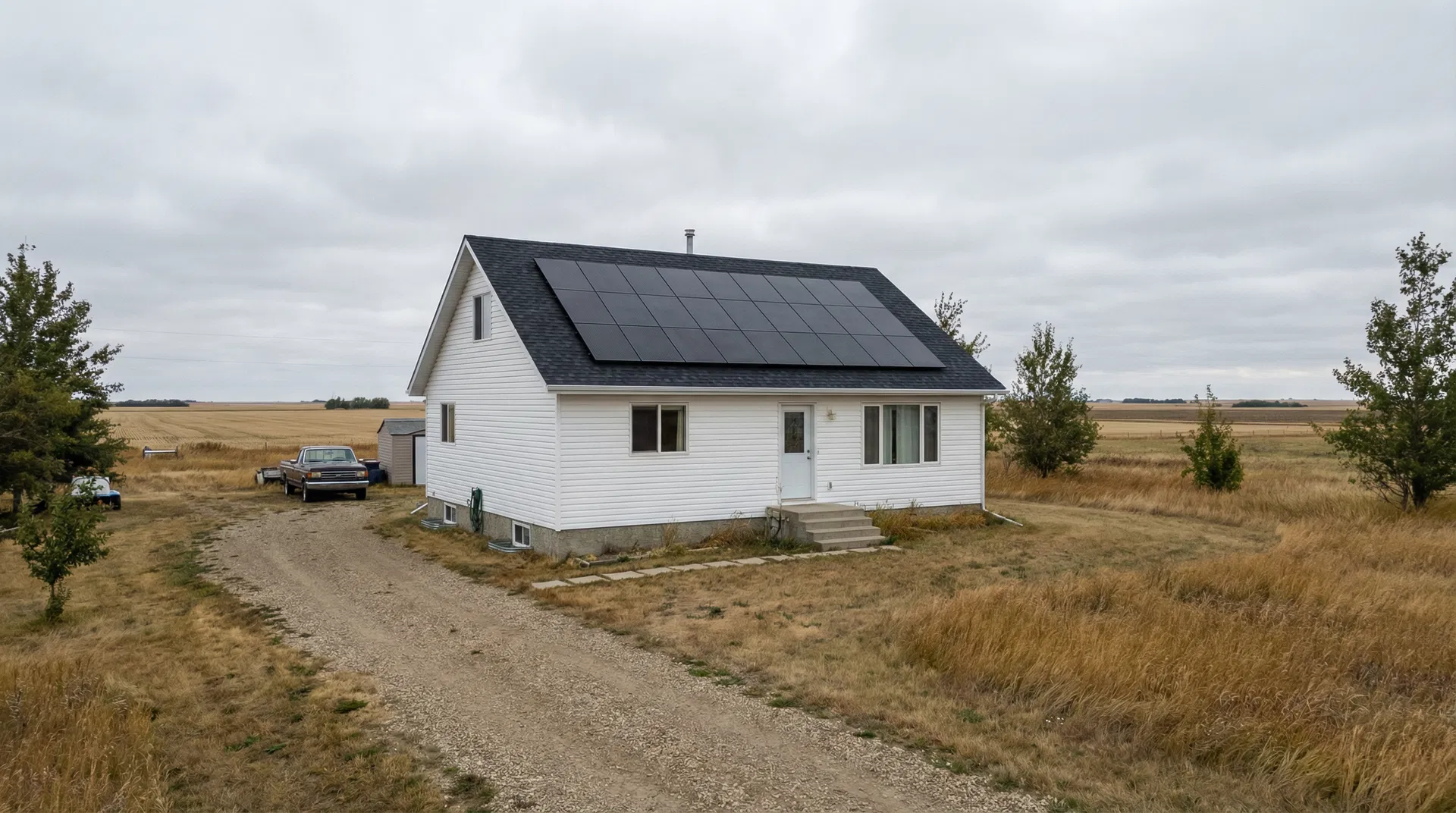
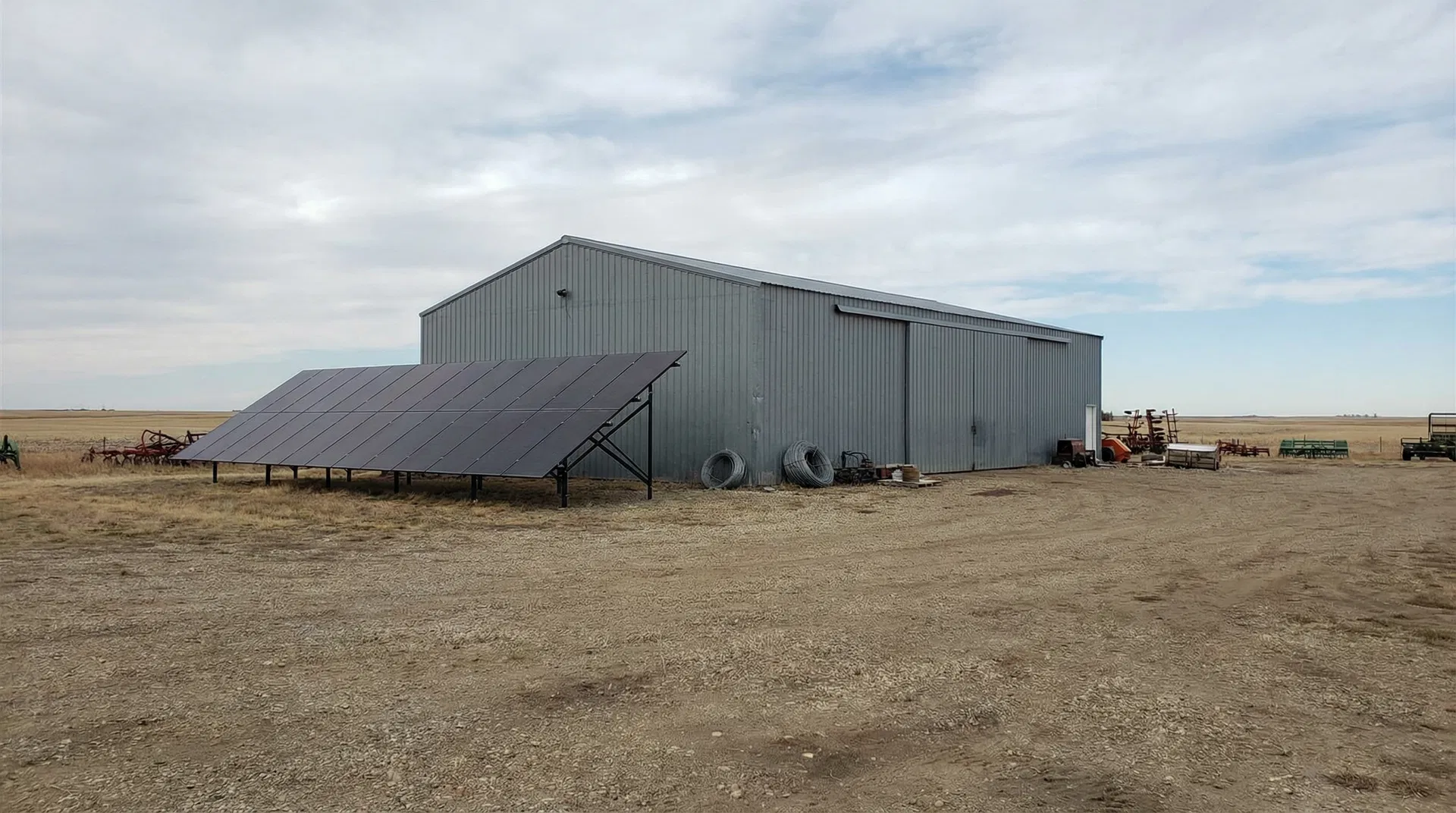
Solar net-metering Red Deer Alberta works under Alberta's Micro-Generation Regulation, which lets eligible property owners generate electricity and push surplus back to the grid for credit. Range Road Solar designs and installs systems that meet the technical requirements for that program, then handles the interconnection paperwork with City of Red Deer on your behalf. For residential and acreage installs in this area, we typically work in the 8-12 kW range, with 10 kW being a common starting point for a home with moderate to heavier loads. System size is confirmed through a site-specific design review, not a blanket estimate. We use LONGi solar panels, which are a reliable, well-tested module without the premium markup of boutique brands. Paired with APsystems microinverters, each panel in the array operates independently. That matters on properties where partial shading from a tree, roofline, or outbuilding could otherwise drag down a string-based system. Microinverters also simplify the monitoring picture: you can see panel-level output, which makes it straightforward to catch any underperformance early. Ground mounts are a common choice on larger lots where roof orientation isn't ideal. We handle both roof and ground mount designs. The right call depends on your available land, roof pitch and condition, and where the shading falls at your specific address. We assess all of that at the design stage before recommending an approach.
Solar Planning for Red Deer Properties
Red Deer, Alberta sits in Alberta's deregulated electricity market, which means your delivered electricity cost includes retailer charges, distribution charges, and transmission charges. A properly sized micro-generation system offsets kilowatt-hours at that full delivered cost, not just the commodity portion. That distinction matters when you're reviewing whether a solar investment pencils out for your specific property. City of Red Deer is the wire service for properties within the city boundary. Properties outside that boundary fall under different wire services, so the first step in any design review is confirming who owns the distribution infrastructure at your meter. Range Road Solar does that confirmation before any design work begins. We size systems from the 12-month usage graph on your most recent power bill. That graph shows your actual seasonal load pattern, which is the only reliable way to size a net metering system correctly. If your property runs a heated shop, an outbuilding, or other sustained loads, those show up in that graph and they need to be factored into the design. We provide honest production estimates based on your actual power bills and site conditions, not inflated projections.
Electrical Site Review for Red Deer Properties
Voltage Rise
Voltage rise occurs when a solar system pushes power back through a distribution line and the voltage at the meter climbs above the acceptable range. In areas where the local distribution infrastructure runs longer line segments or serves fewer loads, that effect can be more pronounced. If voltage rise is a concern, APsystems microinverters can be configured to limit export, and system sizing may need to be adjusted to keep the installation within City of Red Deer's interconnection standards.
Single-Phase vs Three-Phase
Properties in and around Red Deer, Alberta can be served by either single-phase or three-phase electrical service depending on location and historical load requirements. Three-phase service is more common on commercial properties and larger acreages with heavy equipment, while most residential lots are single-phase. The phase configuration at your service entrance determines which inverter configuration we specify and sets a practical ceiling on how much capacity the system can carry without additional infrastructure work.
Panel Infrastructure
Older electrical panels can present capacity constraints when a solar system is added to the service. We check the breaker capacity, the bus bar rating, and the age of the panel during the site review, because a panel that's already loaded close to its limit may not support the additional breaker required for a solar interconnection. If an upgrade is needed, we scope that work as part of the design so there are no surprises once installation begins.
Service Entrance Review
The meter base and service entrance are reviewed as part of every micro-generation application to City of Red Deer, because the utility needs to confirm the metering arrangement is compatible with bi-directional measurement. We check the meter base condition and service entrance rating during the site visit. If the meter base needs to be upgraded to meet City of Red Deer's requirements, we identify that before the application is submitted so it's addressed as part of the project scope.
Right-Sizing Solar for Red Deer Properties
Properties in and around Red Deer, Alberta often carry more electrical load than a standard urban home. A house with a heated shop, a secondary outbuilding, or year-round irrigation draws from the grid in patterns that don't fit a simple square footage estimate. That's why we don't size systems from rule-of-thumb numbers. We size every system from the 12-month usage graph on your most recent power bill. That graph shows how your consumption actually moves through the seasons, including the months when your shop heater runs hardest or your grain handling equipment is in full operation. It's the only starting point that reflects what your property actually uses. The roof versus ground mount decision is a practical one. If your roof has a good south-facing pitch, no significant shading from trees or adjacent buildings, and enough area to fit the array, a roof mount is often the simpler path. But on properties with large, flat lots or where the home and shop are spread across the yard, a ground mount can be pointed at the right angle regardless of where the roof faces. We assess both options during the site review and recommend the configuration that delivers the best production for your specific layout. For residential installs in this area we work in the 8-12 kW range, with 10 kW as a common reference point. Properties with heavier or more diverse loads may warrant the upper end of that range. The design review is where that determination gets made, not before.
Typical Load Profiles We Design For Near Red Deer
Home Plus Heated Shop
A property with a house and a heated detached shop running 240V equipment and in-floor heat will carry a substantially different load profile than a house alone. We pull both loads together from the 12-month usage graph on your most recent power bill and size the array to offset the combined consumption pattern, including the heavy winter months when the shop heater runs continuously. A system in the 10-12 kW range is a common starting point for this scenario, confirmed through site design.
Residential Plus Electric Vehicle Charging
Level 2 EV charging adds a meaningful and relatively consistent daily load that shows up clearly in the 12-month usage graph. For a home charging one or two vehicles overnight, that load can add several kilowatt-hours per day to the consumption baseline. We account for that in the system sizing so the micro-generation array is covering actual usage rather than undershooting because the EV load wasn't factored in.
Light Commercial or Home-Based Business
Some properties near Red Deer, Alberta run a home-based business with continuous equipment loads, refrigeration, or lighting running through business hours. These loads behave differently from a residential-only property because they're active during the daytime hours when solar production is highest, which improves the self-consumption ratio. We design the system from the actual consumption data in your most recent power bill and confirm the commercial or mixed-use load pattern before finalizing system size.
City of Red Deer Interconnection
City of Red Deer is the wire service for properties within the city boundary. When you apply for micro-generation registration, City of Red Deer reviews the interconnection application to confirm the system meets their technical standards before granting permission to operate. Range Road Solar prepares the full interconnection design package required by City of Red Deer. That includes the single-line diagram, equipment specifications, and any site documentation the utility needs to process the application. We submit on your behalf and follow up through the approval process so you don't have to manage the back-and-forth. We don't make claims about how long City of Red Deer takes to process an application, because that timeline depends on their current queue and whether any additional site information is requested. What we can tell you is that we submit complete packages the first time, which avoids the most common cause of delays. Once the interconnection is approved and the system is commissioned, your meter arrangement is confirmed with City of Red Deer before you begin generating.
Project Economics and Design Review
| System Size | Annual Production | Year 1 Savings | Payback Period |
|---|---|---|---|
| 8-12 kW range, 10 kW typical |
Production, savings, and payback estimates require a property-specific design and your most recent power bill.
How We Work in Red Deer
Bill and Load Review
We review your power bill to understand your energy use in Red Deer and size the system to your actual consumption — not a generic estimate.
Site Assessment
We assess your roof or ground area, south-facing exposure, electrical service, and utility interconnection requirements specific to your property.
Design and Utility Application
We produce a system layout, production estimate, and cost summary, then submit your micro-generation application to your utility on your behalf.
Installation and Commissioning
Our crew installs racking, panels, inverter, and electrical connections. All work is performed by licensed electricians. We commission and test before handoff.
Current Program and Interconnection Review
Utility connection review
City of Red Deer reviews grid connection applications for properties within their service boundary under Alberta's Micro-Generation Regulation. Range Road Solar prepares the complete design package required for that application, including the single-line diagram and equipment documentation. We handle submission and follow-up directly with City of Red Deer so the process doesn't fall on you.
Current program review
Residential, acreage, and commercial properties may be eligible for federal or provincial programs that apply to solar installations. Eligibility rules and program availability change, so we review current options against your property type and system size at the time of your design review. We don't name programs that may no longer be available or that you may not qualify for.
Frequently Asked Questions
Get a Solar Assessment for Red Deer
Submit a recent power bill and we will review your consumption and provide an honest assessment for your Red Deer property. No obligation.
(587) 330-7502 Book a CallRelated Resources
More Solar Services in Red Deer