Rocky View County · Net metering and micro-generation
Solar Net-Metering in Rocky View County, Alberta
We handle the full FortisAlberta micro-generation application for acreage and farm properties across Rocky View County, from system design through interconnection approval.
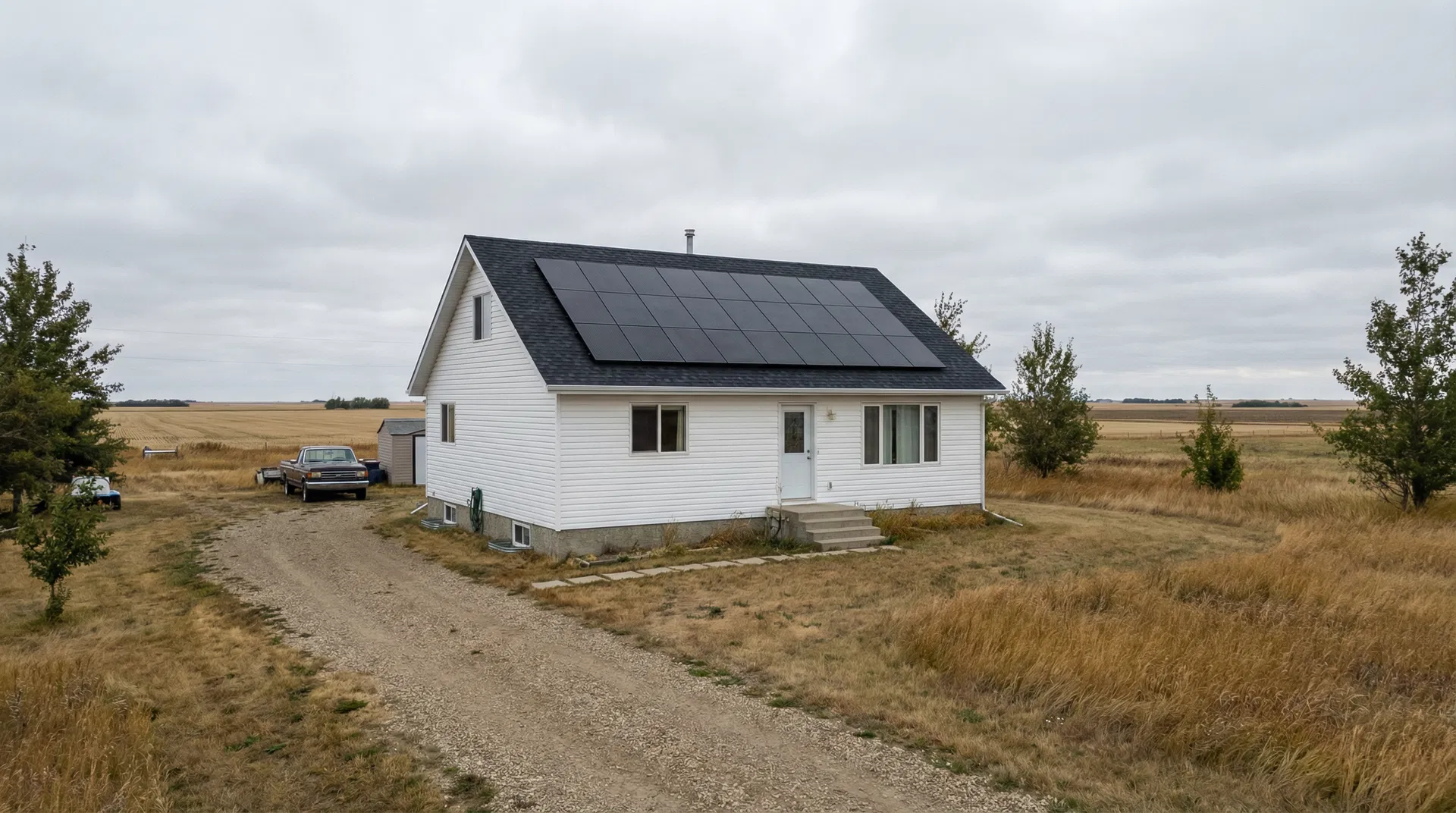
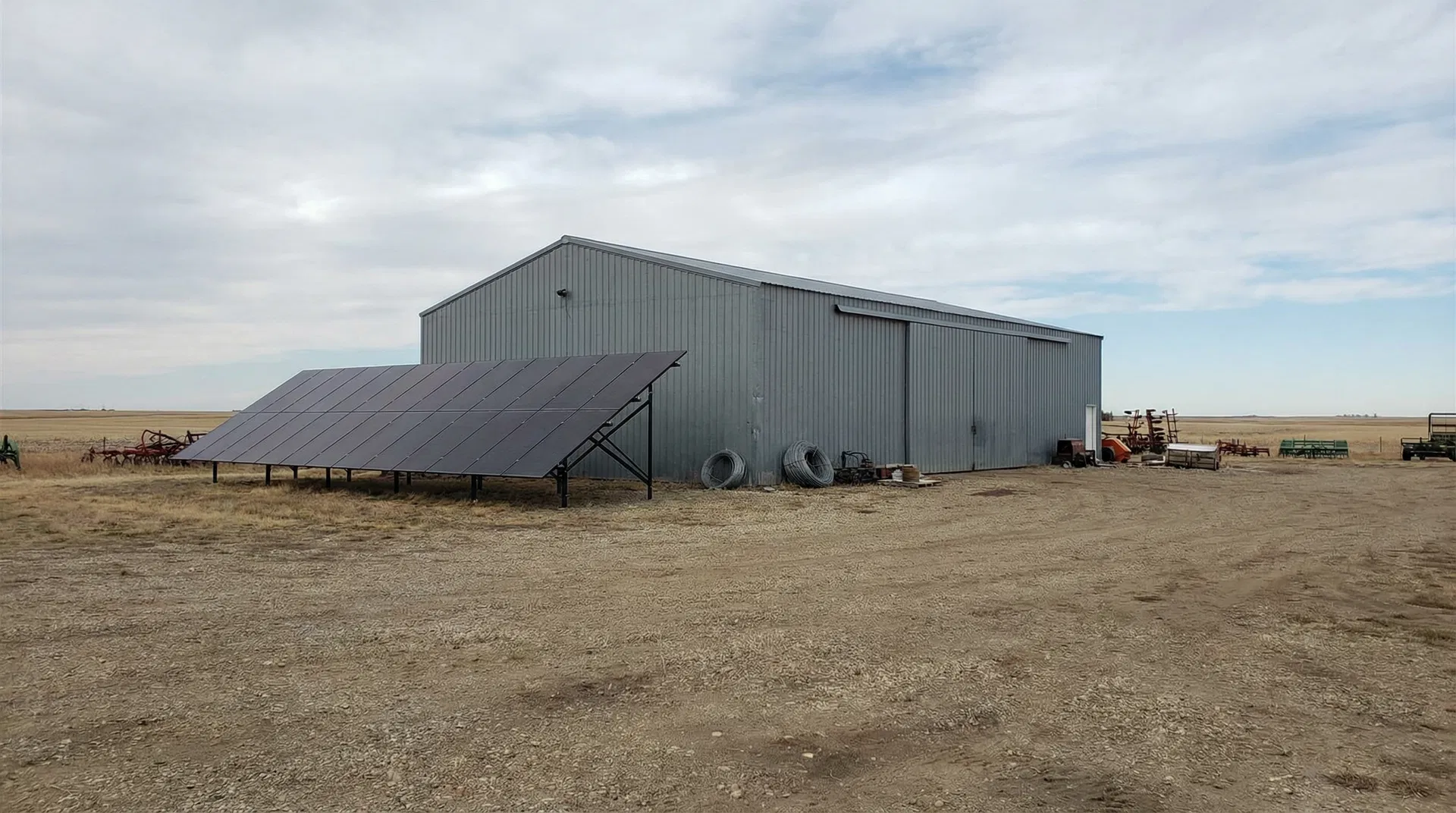
Solar net-metering in Rocky View County, Alberta starts with a proper site design, not a sales pitch. Under Alberta's micro-generation regulation, a grid-tied solar system exports surplus generation back to the grid and receives a credit against future consumption. The application to FortisAlberta has to be submitted before installation, and it has to be accurate. We install LONGi panels, which hold up well on pitched roofs, low-slope metal roofs, and ground-mount frames. For inverter technology, we use APsystems microinverters. Microinverters are a deliberate choice for rural Alberta properties where partial shading from trees, outbuildings, or equipment storage can drop string-inverter output significantly. With APsystems microinverters, each panel operates independently, so shade or soiling on one panel doesn't pull down the rest of the array. Residential and acreage systems on these properties typically fall in the 8 to 12 kW range, with 10 kW being a common design point. Properties with heated shops or additional outbuildings may warrant a larger array, and we size from your actual usage data, not from a standard per-square-foot assumption. Roof mounts work well on newer construction with adequate structural capacity and good southern orientation. Ground mounts are often the better call on acreage layouts where the house roof is shaded by mature trees, or where the best solar exposure is out in the yard. We assess both options during the site review.
Solar Planning for Rocky View County Properties
Properties here aren't the same as a city lot with a single electrical meter and a simple roof. Acreages and farm operations typically run multiple loads, heated shops, outbuildings, and sometimes irrigation or grain handling equipment. That complexity matters when you're planning a net metering system, because the size of the system has to reflect actual consumption, not a generic residential guess. FortisAlberta is the wire service for Rocky View County, and Alberta's micro-generation rules require a formal interconnection application before a grid-tied system goes live. That application has to match your system design, your meter base condition, and the capacity of your electrical service. We take care of that paperwork from the start. We don't use rule-of-thumb sizing. Your most recent power bill includes a 12-month usage graph, and that's what we use to model a system that fits how this property actually consumes power across the full year. We provide honest production estimates based on your actual power bills and site conditions, not inflated projections.
Electrical Site Review for Rocky View County Properties
Voltage Rise
Voltage rise occurs when a solar system exports power onto the distribution line and the local voltage climbs above acceptable limits. On rural distribution lines, which can be long and lightly loaded, this effect is more pronounced than in dense urban grids. If voltage rise is a concern at your service point, it can cause the inverters to clip output or throttle back, which affects how the system performs at full generation.
Single-Phase vs Three-Phase
Rural Alberta properties can have either single-phase or three-phase electrical service depending on what loads are connected and how the property was originally built out. Three-phase service is common on farm operations running large motors or grain handling equipment. The type of service matters because it determines which inverter configurations are compatible and what the practical system capacity ceiling looks like under the interconnection application.
Panel Infrastructure
Older acreage and farm properties sometimes have electrical panels that were sized for the loads of a different era. We check breaker capacity and panel age during the site review to confirm the existing infrastructure can safely support a new solar interconnection. If the panel doesn't have the capacity or the breaker positions to accommodate the system, we'll scope an upgrade as part of the project so nothing is left undiscovered during installation.
Service Entrance Review
The service entrance and meter base are the interface point between the FortisAlberta distribution system and your property. FortisAlberta reviews the meter base condition as part of the micro-generation application, and a meter base that doesn't meet current utility standards will need to be upgraded before the application can be approved. We assess the service entrance during the site visit so that any required upgrade is identified and scoped before the application goes in.
Right-Sizing Solar for Rocky View County Properties
Rural Alberta properties don't size like city houses, and that's especially true here. A home on an acreage might run a heated shop, a well pump, electric heat in an outbuilding, and a standard household all from the same meter. Some farm operations add irrigation loads or grain drying on top of that. When you're designing a net metering system, all of those loads have to be accounted for, because undersizing the array means you're still buying more power from the grid than you should be. The 8 to 12 kW range we work within for this service reflects typical residential and light acreage loads. Some properties land at 10 kW. Others with larger shops or additional outbuildings need the full 12 kW or we discuss whether a different service category fits better. We don't size from square footage or a generic per-bedroom estimate. Your most recent power bill includes a 12-month usage graph, and that graph tells us how consumption shifts across the seasons, which is the actual information needed to size an array correctly. The roof vs ground-mount decision is separate from system size but equally important. If the house roof has good southern exposure and solid structure, a roof mount is often the cleanest option. If the roof is shaded by spruce trees or outbuildings, or if the pitch isn't ideal, a ground mount in an open part of the yard can deliver better performance. We look at both during the site review and recommend the layout that fits the property.
Typical Load Profiles We Design For Near Rocky View County
Home and Heated Shop
This is the most common profile we see on acreage properties in this area: a residential household plus a heated shop running electric or in-floor heat through the winter months. The shop load can be substantial on its own, and combined with the house it often pushes the design toward the upper end of the 8 to 12 kW range. We size the array from the 12-month usage graph on your most recent power bill to capture both the winter heating peak and the summer baseline.
Hobby Farm With Multiple Outbuildings
Properties running a small livestock operation with multiple heated outbuildings, waterers, and lighting loads across several structures have a different consumption pattern than a simple home plus shop. These loads are often spread across the property, which influences both the mount type and where we locate the inverter equipment. A site visit lets us assess whether a single ground-mount array or a split design across structures makes more sense for the interconnection design.
Rural Residential With Electric Vehicle Charging
Acreage owners adding a Level 2 EV charger to an existing home load see a meaningful increase in overnight and shoulder-season consumption that a standard residential sizing estimate won't capture. A vehicle charging primarily at home can add several hundred kilowatt-hours per month depending on driving patterns. We factor that into the array size when it's part of the current load profile, which your most recent power bill will reflect if the charger has been in use for a full billing cycle.
FortisAlberta Interconnection in Rocky View County
FortisAlberta is the wire service for Rocky View County. Any grid-tied solar installation here goes through a FortisAlberta micro-generation interconnection application, and that application has to be submitted with a complete design package before work begins. Range Road Solar handles the full interconnection process. We prepare the application documents, coordinate with FortisAlberta on technical requirements, and make sure the design package is complete before it's submitted. That includes the single-line diagram, equipment specifications, and the meter base review that FortisAlberta needs to process the application. If the existing meter base or service entrance doesn't meet current requirements, we flag that during the site review so there are no surprises mid-project. Getting the application right from the start avoids back-and-forth with the utility and keeps the project on schedule. We don't hand you a stack of forms and leave you to figure it out.
Project Economics and Design Review
| System Size | Annual Production | Year 1 Savings | Payback Period |
|---|---|---|---|
| 8-12 kW range, 10 kW typical |
Production, savings, and payback estimates require a property-specific design review and your most recent power bill.
How We Work in Rocky View County
Bill and Load Review
We review your power bill to understand your energy use in Rocky View County and size the system to your actual consumption — not a generic estimate.
Site Assessment
We assess your roof or ground area, south-facing exposure, electrical service, and utility interconnection requirements specific to your property.
Design and Utility Application
We produce a system layout, production estimate, and cost summary, then submit your micro-generation application to your utility on your behalf.
Installation and Commissioning
Our crew installs racking, panels, inverter, and electrical connections. All work is performed by licensed electricians. We commission and test before handoff.
Current Program and Interconnection Review
Utility connection review
FortisAlberta reviews all micro-generation interconnection applications for properties in Rocky View County. Range Road Solar prepares the complete design package, including the single-line diagram and equipment specifications, and submits the application on your behalf. We handle the back-and-forth with the utility so you're not navigating the technical requirements on your own.
Current program review
Commercial, farm, and residential properties may have access to different programs depending on current rules and eligibility criteria. We review what's available at the time of your design appointment so the information reflects what's actually in place, not what was available in a previous program year. Eligibility and program details are confirmed during the design review.
Frequently Asked Questions
Get a Solar Assessment for Rocky View County
Submit a recent power bill and we will review your consumption and provide an honest assessment for your Rocky View County property. No obligation.
(587) 330-7502 Book a CallRelated Resources
More Solar Services in Rocky View County