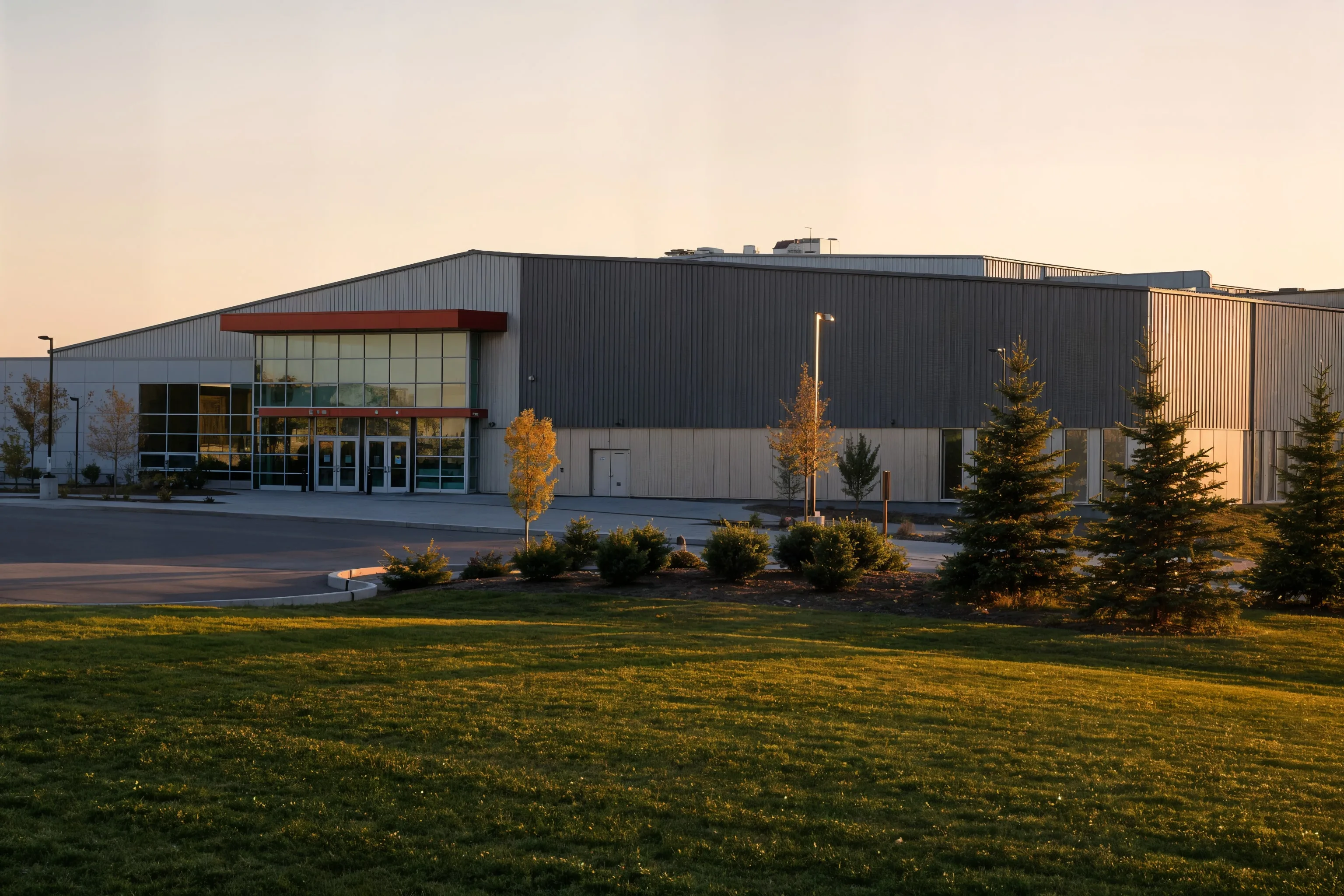
Solar Penhold projects for shops and outbuildings usually start with the loads, not the roof. We install standalone or grid-tied systems in the 8 to 20 kW range, with 12 kW as the typical size, built on LONGi panels and APsystems microinverters. A standalone system suits a building that sits well away from the main service or doesn't connect to the grid. A grid-tied system ties into the existing service, which is often the simpler path when the shop already has a subpanel fed from the house. Ground mount and rooftop both work for outbuildings, but they suit different yards. A metal-clad shop with a sound, unshaded roof is a natural rooftop candidate. A machine shed under tall trees or a building with a poor pitch usually points to a ground mount. Acreage yards with open land and spread-out buildings often end up there too. APsystems microinverters work at the individual panel level, so one shaded panel doesn't drag the rest of the array down. That matters on a shop roof that gets partial shade from a neighbouring building or a tree line. It also helps when the array is split across two roof planes. Shop loads bring their own wiring questions. A heated bay, a welder, or a compressor pulls harder and less predictably than a house's evening load. We check the breaker sizes, the subpanel, and the wire run to the building before we settle on the array size. If the shop shares a service with the house, the design has to account for both loads on that same connection. The sizing starts with your most recent power bill. Its 12-month usage graph shows the seasonal pattern, including winter heating in the shop and summer equipment runs. We size against that pattern, then confirm the layout with a site visit.
Solar Planning for Penhold Properties
3,484 people live here, and a lot of the properties we work on are working places as much as homes. A typical yard might have a house, a heated shop, a machine shed, and a barn, and each building draws power differently. That mix changes how a solar project should be planned. Electric service here comes through FortisAlberta, so the interconnection review runs through the same utility that serves these buildings. We start with the loads themselves. A shop running a welder, compressor, or heated bay asks different questions than a house with a fridge and a few lights. We want to know which equipment runs daily, which runs seasonally, and whether those buildings share a service with the house. The Penhold Regional Multiplex and the Penhold Museum are the public landmarks people know, but the buildings on your yard are what set the design. Nothing in the plan rests on guesswork. Your most recent power bill shows what the property actually uses, and the site design shows what the roof or yard can physically take. We confirm the final layout and production figures with both in hand, so you're working from your own numbers.

Electrical Site Review for Penhold Properties
Voltage Rise
Voltage rise happens when the grid voltage at your property climbs as solar output flows back onto the line, and how much it climbs depends on the distribution conditions between your property and the substation. On a long rural feed, that rise can push an inverter toward its voltage limit and cause it to clip output on sunny days. That affects how we size the array, since adding panels past the point of clipping adds little usable production.
Single-Phase vs Three-Phase
Rural properties can have either single-phase or three-phase service, and the difference matters for inverter selection. Single-phase service limits how much power the building can export and sets the inverter capacity we can use on that connection. Three-phase service supports larger arrays and three-phase shop equipment, so we confirm which one the property has before we choose the inverter setup.
Panel Infrastructure
Many rural properties run older electrical panels that were sized for a house and a few tools, not a shop, a solar system, and a heated bay together. We check the panel's rated capacity, the breaker sizes, and the age and condition of the components before we add a solar breaker. If the panel can't support the system, the upgrade usually means a larger panel or a subpanel, and we'll show that work in the design package.
Service Entrance Review
We inspect the service entrance and meter base on every project, since those components feed the micro-generation application to FortisAlberta. We look at the condition of the meter base, the service mast or conductors, and the grounding, and we flag anything that needs attention before the application goes in. If the meter base or service entrance needs an upgrade, we explain what's needed and what the work involves, and it's scoped in the design package.
Right-Sizing Solar for Penhold Properties
Rural Alberta systems tend to run bigger than urban rooftop systems because a rural property usually has more loads on one meter. The house runs the kitchen and heat, the shop runs tools and a heated bay, and outbuildings run freezers, lights, and block heaters. Some acreages add irrigation pumps or grain handling equipment on top of that. Each load changes the daily and seasonal curve, so a single rule-of-thumb number doesn't fit most yards. Roof or ground mount is the next call. A roof works when the structure is sound, the pitch is workable, and trees or neighbouring buildings aren't blocking the sun for most of the day. A ground mount makes more sense when the roof is badly shaded, has a poor pitch, or can't carry the added load. It also suits a spread-out yard with open land, where the buildings are too far apart for a single roof to hold the array. Ground mounts take more site prep, so we weigh that against the roof before we recommend one. Sizing starts with your most recent power bill. The 12-month usage graph on that bill shows how demand moves across the year, including winter heating in the shop and summer equipment runs. We size against that pattern instead of guessing from square footage. Your bill and the site design together show how much the array can produce and how much the buildings can use, so the system fits both. You don't need to send anything else to get started.
Typical Load Profiles We Design For Near Penhold
Home + Heated Shop
A house with a 40 by 60 foot heated shop is a common setup on rural lots. The house runs the kitchen, well pump, and furnace fan, while the shop adds a heater and a welder that run in bursts. We size from the 12-month usage graph on your most recent power bill, then confirm how the load splits between the two buildings with the site design.
Machine Shed + Workshop Bay
A 30 by 40 foot machine shed with a 10 by 20 foot workshop bay adds a compressor, a plasma cutter, and a bench grinder to the load. These tools pull in short, heavy bursts rather than a steady draw, so panel and breaker sizing matter as much as the total kilowatt count. We confirm peak demand against the usage pattern on your most recent power bill and the layout of the shed.
Barn + Hay Shed + Grain Bin Fans
A 24 by 48 foot barn with a hay shed and two grain bin fans has loads that come and go with the season. Grain handling equipment can draw a lot at once, so we check which machines share a circuit and how they're switched. The seasonal peaks show up on the 12-month usage graph of your most recent power bill, and that's what guides the array size.
FortisAlberta Interconnection in Penhold
Electric service here comes through FortisAlberta, so that's the utility we work with when a solar system connects to the grid. FortisAlberta reviews each grid connection application, and the review covers the equipment, the inverter settings, and how the system ties into your existing service. We handle the application package for you. That means the single-line diagram, the equipment specs, and the site details the utility needs, prepared in the format it expects. You don't have to learn the forms or chase the paperwork yourself, though you will need to review and sign off on the design. We build the layout to match interconnection requirements from the start, so the application doesn't get reworked later. Grid-tied shops and outbuildings go through this review. Standalone systems without a grid connection don't need it. We're checking the panel and meter base at the same visit, so nothing turns up as a surprise once the paperwork is in.
Project Economics and Design Review
| System Size | Annual Production | Year 1 Savings | Payback Period |
|---|---|---|---|
| 8-20 kW range, 12 kW typical |
Production, savings, and payback require a property-specific design and your most recent power bill.
How We Work in Penhold
Bill and Load Review
We review your power bill to understand your energy use in Penhold and size the system to your actual consumption, not a generic estimate.
Site Assessment
We assess your roof or ground area, south-facing exposure, electrical service, and utility interconnection requirements specific to your property.
Design and Utility Application
We produce a system layout, production estimate, and cost summary, then submit your micro-generation application to your utility on your behalf.
Installation and Commissioning
Our crew installs racking, panels, inverter, and electrical connections. All work is performed by licensed electricians. We commission and test before handoff.
Current Program and Interconnection Review
Utility connection review
FortisAlberta reviews grid connection applications for solar systems that tie into the grid. Range Road Solar handles the design package and application for Penhold properties, so you're not chasing forms yourself. We prepare the documents the utility asks for and flag anything that needs a decision before submission.
Current program review
Commercial, farm, and residential eligibility is reviewed against current rules at design time. We check the property type, how the building will be used, and the rules in effect when the design is prepared. Nothing is assumed from an older rule or a past project.

Frequently Asked Questions
Get a Solar Assessment for Penhold
Submit a recent power bill and we will review your consumption and provide an honest assessment for your Penhold property. No obligation.
(587) 330-7502 Book a CallRelated Resources
More Solar Services in Penhold