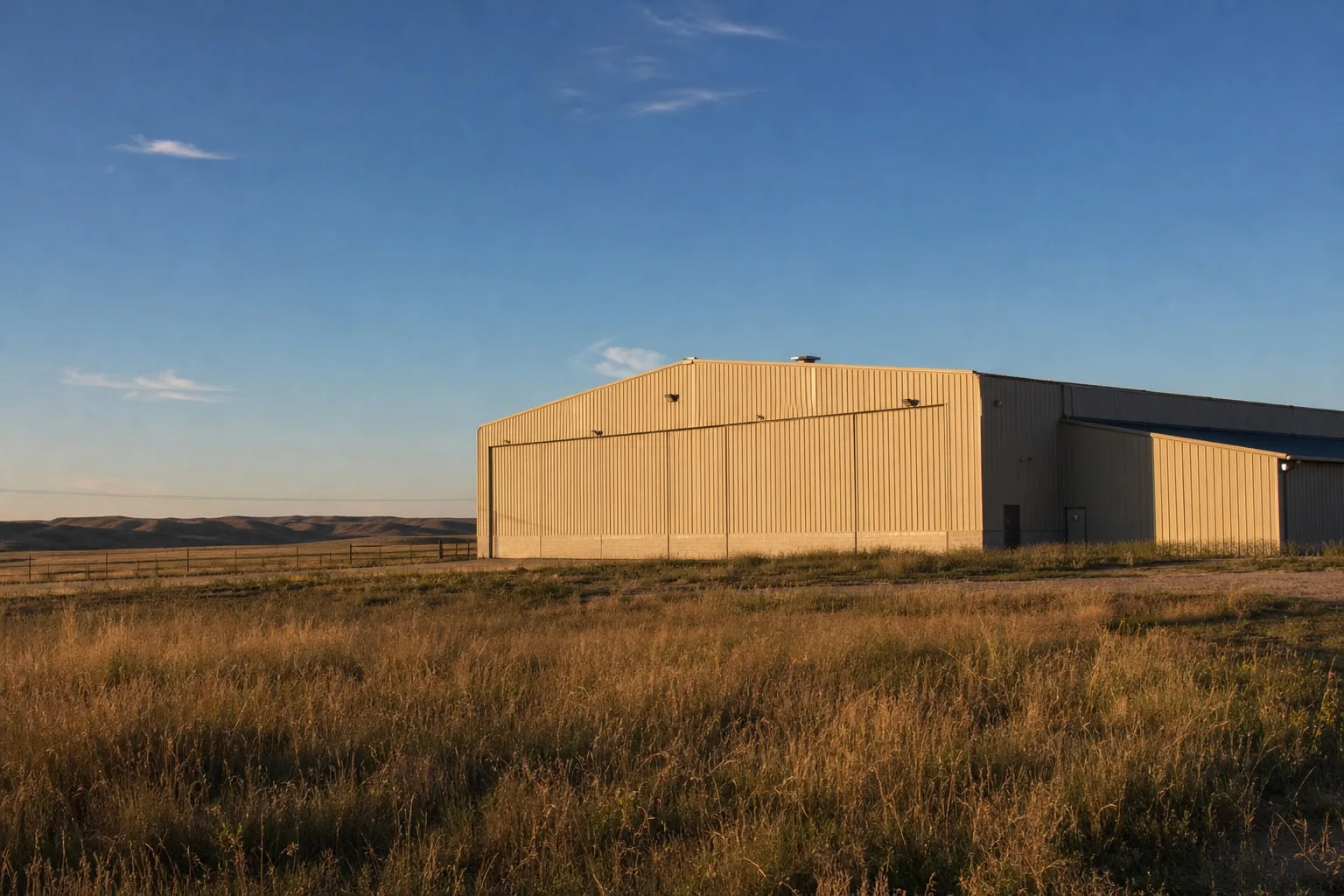
If you've searched solar Nanton and want installers who actually show up for rural properties, that's us: Range Road Solar installs complete systems, from design through FortisAlberta interconnection, using LONGi panels and APsystems microinverters. Our crews size systems in the 8 to 15 kW range for most properties here, with a 10 kW system the usual standard for a well-insulated home with mixed electric and gas loads. For acreages with a shop, grain bins, or an irrigation pump running alongside the house, we look at the whole load, not just the house meter, before we settle on panel count. LONGi panels handle the panel side of the install and APsystems microinverters do the conversion at each panel, which means a shadow or a bit of snow cover on one panel doesn't take the whole string down with it, a real consideration where a Quonset or grain bin throws shade over part of a roof for half the day. We mount on asphalt shingle and metal roofing, which is common on shops and outbuildings in the area, and we ground mount where the roof geometry or shading doesn't work. Every install includes the structural review, the electrical panel assessment, and the paperwork for the FortisAlberta micro-generation application. We handle that application start to finish so you're not the one chasing down forms.
Solar Planning for Nanton Properties
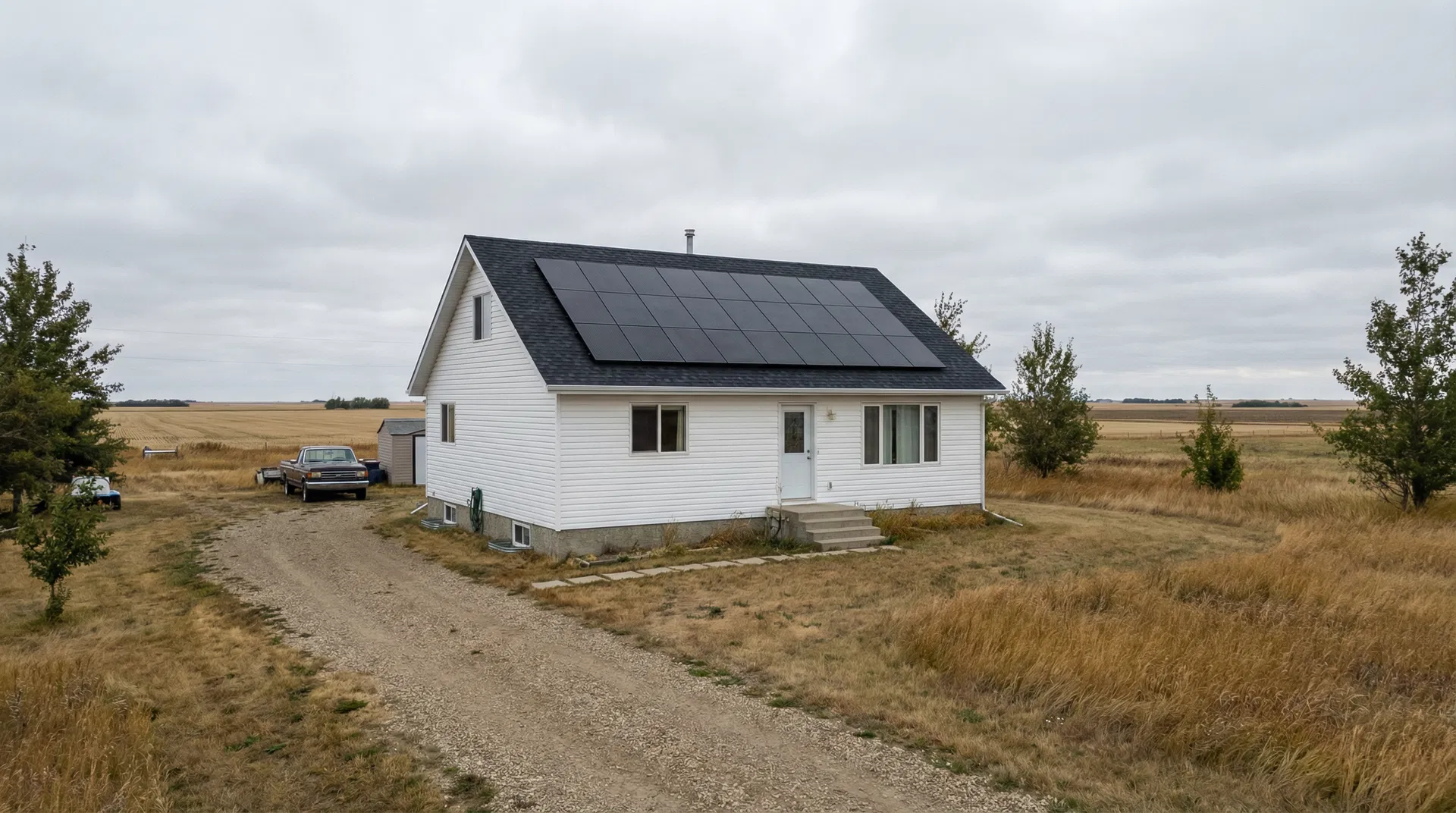
Nanton, Alberta sits inside the Municipal District of Willow Creek No. 26, home to about 2,167 people. It's a small enough place that solar conversations here still happen face to face, not through a call center, and that's also how we run install quotes. Properties in the area range from in-town lots near the Bomber Command Museum of Canada, the landmark behind the town's Wyvern heraldic emblem, to acreages with shops, grain bins, and irrigation pumps on the outskirts, and each one draws power differently. A bungalow with electric heat pulls a different load profile than a shop with a welder and a grain dryer running in the fall. We don't quote off a brochure number or a town-wide average. We walk the property, review your electrical service, and size the system around your most recent power bill and how you actually use power through the year. That's the only way a solar design for a property like this means anything, whether it's in town or out on an acreage past the municipal district line.
Electrical Site Review for Nanton Properties
Voltage Rise
Voltage rise happens when power travels a long distance along a distribution line and the voltage at the far end drifts from what left the transformer. Rural feeders serving spread-out properties can run longer than in-town service, and that affects how close to the panel's rated output an inverter can run before it clips. We measure voltage at your service entrance during the site visit so the system is sized and the inverter settings are set correctly for your actual line conditions, not a generic assumption.
Single-Phase vs Three-Phase
Rural Alberta properties can have either single-phase or three-phase electrical service, depending on when the property was connected and what loads it was built to support. A shop running a three-phase motor or a grain dryer needs different inverter hardware and wiring than a single-phase home, and the service type also caps how much inverter capacity we can connect at that location. We confirm which service type your property has before we finalize equipment, since it changes both the inverter model and the system's maximum capacity.
Panel Infrastructure
Older rural properties sometimes still run 100-amp or early 200-amp panels installed decades before solar was part of the plan. We check the panel's rated capacity, its age and condition, and whether the existing breakers leave enough headroom for a solar backfeed breaker without exceeding the panel's busbar rating. If the panel can't support the added breaker safely, the upgrade means a new panel sized for both your current loads and the solar system, done before the solar install goes in.
Service Entrance Review
We inspect the service entrance and meter base for corrosion, loose connections, and whether the meter base is rated for the added solar equipment, since this is also where FortisAlberta's micro-generation application gets reviewed against the physical setup. A meter base in poor condition or one that can't accommodate the required metering equipment has to be flagged in the application, not discovered after the fact. If an upgrade is needed, we coordinate it as part of the install so the FortisAlberta paperwork and the physical site match up.
Right-Sizing Solar for Nanton Properties
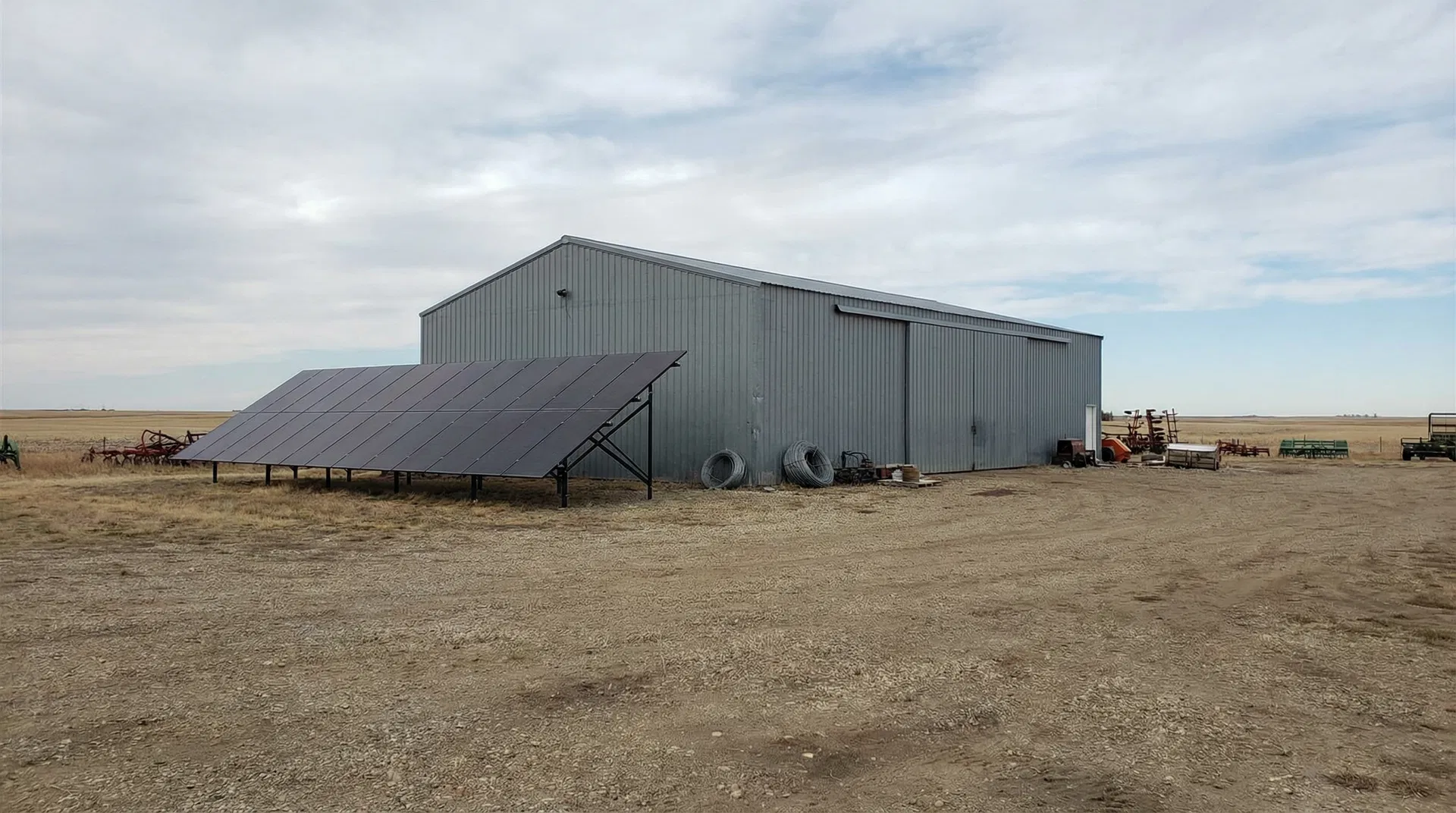
Solar systems on properties out here tend to run bigger than a typical in-town urban install, and that's because rural loads stack up. A property might carry the house, a heated shop, a well pump, and seasonal loads like a grain dryer or irrigation pump, and all of that factors into system size before we ever talk panel count. Roof mount is the default when the roof has good southern or western exposure and isn't shaded by trees, a Quonset, or a neighboring outbuilding for a big chunk of the day. Ground mount becomes the better call when the roof pitch is wrong for solar, the roof is shaded out, or the yard has open land and the ground-mounted array can be angled and oriented without any of those constraints. On a lot of acreages in this area, there's enough open ground that this isn't a hard trade-off either way. We size every system off the 12-month usage graph on your most recent power bill, which shows how your actual load moves through the year, including seasonal spikes from heating, a dryer, or irrigation pumping. That's a real usage pattern, not a rule-of-thumb number pulled from a generic home size. Combine that bill with the site design, the roof or ground-mount decision, and your electrical service, and we land on a system sized for what the property actually does, not an average.
Typical Load Profiles We Design For Near Nanton
Home + Heated Shop
A lot of properties out here pair a house with a heated shop used for equipment storage or as a workspace through winter. We size for both loads together, using the usage graph on your most recent power bill to see how much the shop heat adds on top of the home's baseline draw. That combined load usually pushes system size toward the higher end of the 8 to 15 kW range.
Acreage with Irrigation or Well Pump
Properties with an irrigation system or a well pump see load spikes tied to pumping schedules rather than a steady daily pattern. We look at when those spikes show up on the power bill's usage graph and size the system so it's not just built for the quiet months. This is one of the clearest cases where a generic rule-of-thumb size misses the real picture.
Grain Handling and Seasonal Loads
Grain bins, augers, and dryers add a load that's concentrated in a few weeks each fall rather than spread evenly across the year. We account for that seasonal spike using the most recent power bill's usage graph instead of averaging it away, since averaging would undersize the system for harvest season. It's a different design problem than a steady year-round load, and we treat it as one.
FortisAlberta Interconnection in Nanton
FortisAlberta is the wire service for properties in the area, which means every grid-tied solar system here goes through FortisAlberta's micro-generation interconnection process before it's allowed to operate in parallel with the grid. Range Road Solar handles that application for you: we prepare the single-line diagram, the equipment specifications for the LONGi panels and APsystems microinverters, and the rest of the technical package FortisAlberta requires, and we submit it on your behalf. We coordinate the site work and inspections around FortisAlberta's process so the system isn't energized before it's been reviewed and cleared. We don't control FortisAlberta's review timeline or their internal approval steps, and we won't promise a specific turnaround. What we can tell you is that we've done this paperwork before for FortisAlberta-served properties, and we know what their application package needs to include the first time, so it doesn't bounce back for missing information.
Project Economics and Design Review
| System Size | Annual Production | Year 1 Savings | Payback Period |
|---|---|---|---|
| 8-15 kW range, 10 kW typical |
Production, savings, and payback figures require a property-specific design review using your most recent power bill, not a generic estimate.
How We Work in Nanton
Bill and Load Review
We review your power bill to understand your energy use in Nanton and size the system to your actual consumption, not a generic estimate.
Site Assessment
We assess your roof or ground area, south-facing exposure, electrical service, and utility interconnection requirements specific to your property.
Design and Utility Application
We produce a system layout, production estimate, and cost summary, then submit your micro-generation application to your utility on your behalf.
Installation and Commissioning
Our crew installs racking, panels, inverter, and electrical connections. All work is performed by licensed electricians. We commission and test before handoff.
Current Program and Interconnection Review
Utility connection review
FortisAlberta reviews every grid-tied solar application in its service territory before a system is allowed to connect and operate. Range Road Solar prepares that application package, from the single-line diagram to the equipment specifications, and submits it on your behalf. We don't control how FortisAlberta processes it internally, but we make sure the package is complete the first time.
Current program review
Residential, farm, and commercial solar projects in the area are each reviewed against whatever program and eligibility rules are current at the time of your design, since rules and criteria do shift. We check what applies to your specific property type and project during the design review rather than assuming last year's rules still hold. That review happens before we finalize your quote, not after.
Frequently Asked Questions
Get a Solar Assessment for Nanton
Submit a recent power bill and we will review your consumption and provide an honest assessment for your Nanton property. No obligation.
(587) 330-7502 Book a Call