Farm solar Eckville installations start with a property walk, not a standard package, because every grain and cattle operation runs a different load. Most of the systems we design in this area fall in the 20 to 50 kW range, with 25 kW as a common starting point for a mixed operation running a home, a shop, and grain handling equipment. We default to LONGi panels paired with APsystems microinverters, and for larger farm arrays we typically recommend ground-mount racking over rooftop. A ground-mount array lets us orient panels for the best exposure regardless of how the house or shop roof is pitched, and it keeps the array clear of the dust and residue that rooftop systems near grain bins can pick up. Rooftop still makes sense on some properties, especially where roof space is good and the yard is tight on usable ground. Either way, we build the array around your actual electrical panel capacity and the loads you run day to day: bin fans, augers, water pumps, shop heaters, and the house itself. Before we finalize a design, we walk the property to check the service entrance, confirm whether you're on single-phase or three-phase power, and look at what the existing panel can support. That review, combined with the usage graph on your most recent power bill, is what determines system size, not a generic farm solar formula. Whether the operation is a quarter section of grain or a smaller acreage running cattle, the same site-first approach applies before we spec equipment or quote a size.
Solar Planning for Eckville Properties
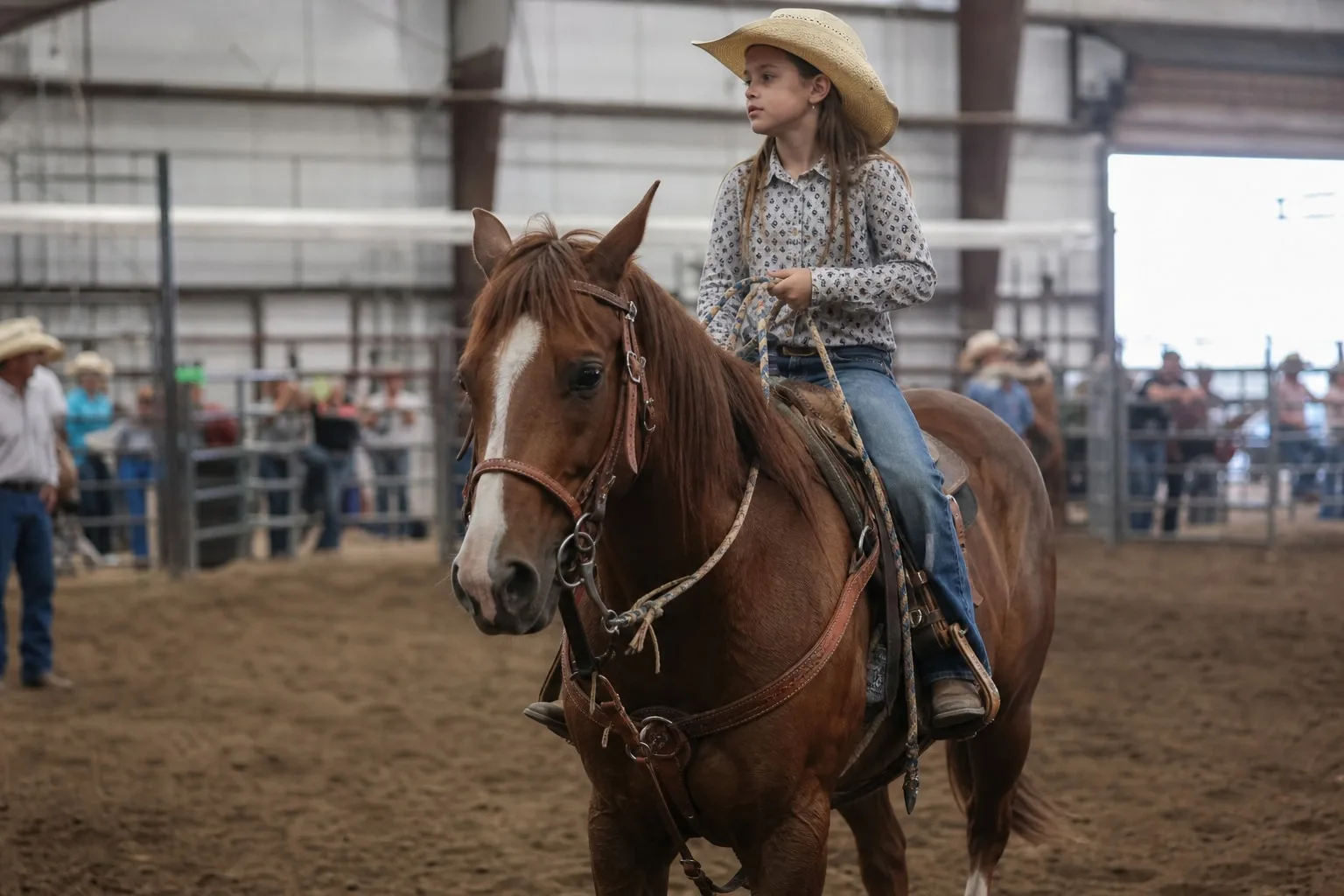
Eckville, Alberta sits within Lacombe County, an area built around agricultural support industries that keep the region working through seeding, haying, and harvest. The town's population sat at 1,014 in the 2021 census, down from 1,125 a decade earlier, and most of the properties we design for aren't inside town limits at all. They're farmyards, acreages, and grain operations spread across the surrounding countryside, each with its own mix of home, shop, and outbuilding loads. Environment Canada's climate normals list 2,125.0 hours of bright sunshine annually at the nearby Red Deer A station, one data point among several we factor into a design, alongside a property's orientation, shading, and the loads an operation actually runs. We don't size a system off a regional average. We start with your most recent power bill and the 12-month usage graph printed on it, then walk the property to confirm what the panel, service entrance, and available roof or yard space can support. Whether you're running grain equipment near the Eckville Indoor Rodeo grounds or a mixed cattle and cropping operation further out, Range Road Solar builds the system around your actual usage pattern, not a generic farm template.

Electrical Site Review for Eckville Properties
Voltage Rise
Voltage rise happens when the distance and wire gauge between a property and the nearest transformer cause voltage to climb as solar power feeds back onto the line. Rural distribution runs can make voltage rise a real factor in how we size an inverter and where we set its output limits. We check this during the site review so the system doesn't clip production or trip on voltage protection once it's running.
Single-Phase vs Three-Phase
Rural properties can have either single-phase or three-phase electrical service, and which one you have affects both inverter selection and how much system capacity we can install. Three-phase service generally supports larger arrays and bigger equipment loads, while single-phase properties need equipment matched to that supply. We confirm which service type a property has before finalizing equipment specs, not after.
Panel Infrastructure
Older farm properties often have electrical panels sized for the loads of decades ago, not a modern shop, grain dryer, and solar array combined. We check breaker capacity, panel age, and available space for new circuits as part of every site visit. If the panel can't support the added solar equipment, an upgrade to the panel or a subpanel becomes part of the project scope before installation moves forward.
Service Entrance Review
We inspect the service entrance and meter base condition on every property, since a worn or outdated meter base can hold up a FortisAlberta micro-generation application. FortisAlberta needs to see that the point of interconnection meets current standards before approving the connection. If the meter base needs an upgrade, we identify that early so it's handled before the application goes in, not discovered partway through the process.
Right-Sizing Solar for Eckville Properties
Farm and acreage systems around Eckville run bigger than a typical in-town rooftop system because they're covering more than just a house. A working property might carry a home, a heated shop, grain handling equipment, and sometimes an irrigation pump or livestock waterer, all on one electrical service. Sizing has to account for every one of those loads together, not the house alone. Roof versus ground-mount comes down to what the property actually offers. If the house or shop roof has good south or west exposure and isn't shaded by shelterbelts or nearby buildings, rooftop can work fine and keeps the array off usable yard space. But a lot of farmyards have roofs that are shaded, poorly pitched, or already crowded with vents and other equipment, and that's when ground-mount becomes the better call. A ground-mount array also makes sense simply because there's open land available and it's easier to expand later if the operation grows. Either way, we don't size a system off a rule-of-thumb kW-per-acre number. We pull the 12-month usage graph off your most recent power bill to see how your actual consumption moves through the year, then combine that with a site walk to finalize orientation, mounting, and equipment. That combination, your bill and the property itself, is what determines the final system size.
Typical Load Profiles We Design For Near Eckville
Home + Heated Shop
This is the most common setup on smaller acreages: a house plus a detached shop with heat, lighting, and power tools running through the winter. We size the array around both structures' combined draw, using the usage graph on your most recent power bill to see how load shifts between summer and winter rather than guessing at shop heater run-time.
Grain Handling and Bin Yard
Operations with a bin yard add augers, aeration fans, and sometimes a grain dryer to the load, and those loads tend to spike hard during harvest rather than staying steady year-round. We look at how your bill reflects that seasonal spike and size equipment and array to handle the peak draw without over-building for the rest of the year.
Livestock and Water Systems
Cattle and mixed livestock operations often run water pumps, waterers, and barn equipment that draw power steadily through the year rather than in short bursts. For these properties we look at the baseline load shown across the usage graph and size the system to offset that ongoing draw, factoring in whatever seasonal shop or house load runs alongside it.
FortisAlberta Interconnection in Eckville
Eckville, Alberta is in FortisAlberta's service territory, which means any farm solar system installed here goes through FortisAlberta's micro-generation interconnection process before it can be connected to the grid. Range Road Solar handles that application on your behalf: we prepare the technical package, including equipment specifications for the LONGi panels and APsystems microinverters, and submit it along with the site design. For farm systems in the 20 to 50 kW range, the application documents what's being installed, where it connects to your existing service, and how it's protected. We don't control FortisAlberta's review timelines or the specific terms of their micro-generation program, and we won't guess at how long approval takes or what credit arrangement applies to your account. What we can tell you is that we've prepared this paperwork before and know what FortisAlberta expects to see in a complete application. Any current program details or account-specific terms get confirmed directly with FortisAlberta as part of your design review.
Project Economics and Design Review
| System Size | Annual Production | Year 1 Savings | Payback Period |
|---|---|---|---|
| 20-50 kW range, 25 kW typical |
Actual production, savings, and payback figures depend on a property-specific design and the usage graph on your most recent power bill.
How We Work in Eckville
Bill and Load Review
We review your power bill to understand your energy use in Eckville and size the system to your actual consumption, not a generic estimate.
Site Assessment
We assess your roof or ground area, south-facing exposure, electrical service, and utility interconnection requirements specific to your property.
Design and Utility Application
We produce a system layout, production estimate, and cost summary, then submit your micro-generation application to your utility on your behalf.
Installation and Commissioning
Our crew installs racking, panels, inverter, and electrical connections. All work is performed by licensed electricians. We commission and test before handoff.
Current Program and Interconnection Review
Utility connection review
FortisAlberta reviews every micro-generation application before a system can connect to the grid, checking equipment specifications and the point of interconnection. Range Road Solar prepares that full design package, including LONGi panel and APsystems microinverter specifications, and submits it on your behalf.
Current program review
Eligibility for commercial, farm, and residential solar programs changes over time, so we check current rules against your property type at the time we design your system rather than relying on outdated information. This applies whether the array serves a farm operation, a home, or a mixed-use property.

Frequently Asked Questions
Get a Solar Assessment for Eckville
Submit a recent power bill and we will review your consumption and provide an honest assessment for your Eckville property. No obligation.
(587) 330-7502 Book a CallRelated Resources
More Solar Services in Eckville