When people search for solar and solar-battery options in Lacombe, Alberta, they're usually trying to figure out two things at once: how many panels they need, and how much battery backup actually makes sense for their property. Range Road Solar builds both parts of that system together instead of treating the battery as an afterthought. Our standard equipment is LONGi panels paired with APsystems microinverters, which let us bring individual panels online or offline for monitoring and troubleshooting without touching the whole array. Residential systems here typically fall in the 8 to 12 kW range on the panel side, with battery capacity sized separately based on what loads you want covered during an outage. A homeowner on a quarter-acre lot near downtown has different backup priorities than a property with a detached shop or outbuildings on the edge of town, and the equipment list reflects that. We walk through your most recent power bill, your roof or ground-mount options, and your panel capacity before we size anything. Microinverter-based systems also make partial shading from mature trees, common on older lots in the area, less of a design headache than it would be with a single string inverter. Battery placement gets the same scrutiny: ambient temperature swings, available wall or pad space, and proximity to your electrical panel all factor into where the unit goes and how it's wired in. Nothing here gets finalized until we've seen the property and the bill.
Solar Planning for Lacombe Properties
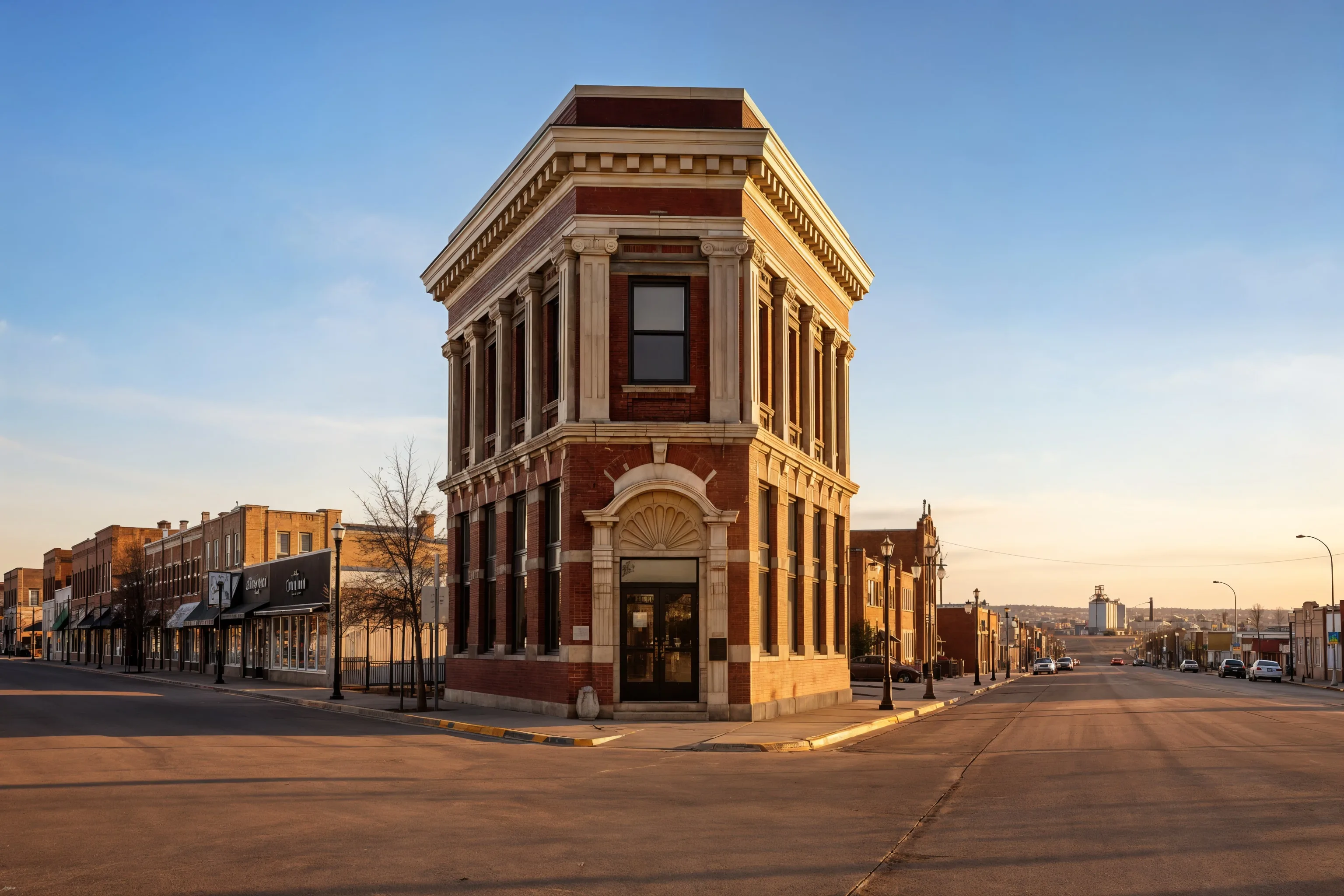
Lacombe, Alberta carries a longer history than most people realize: incorporated as a village on July 28, 1896, it became a town on May 5, 1902, and reached city status on September 5, 2010. The population now sits at 13,396, and that growth shows up in the mix of properties Range Road Solar sees here, from century-old lots downtown near the Flatiron Building (Merchant's Bank of Canada), built 1903-04, to newer subdivisions and acreages on the outskirts where lot sizes and rooflines vary widely. A solar and battery system that works for a steep-pitched heritage-area roof isn't the same system that works for a walkout bungalow with a detached shop. We don't quote a system size off a drive-by. Every design starts with your most recent power bill and a look at roof orientation, shading, and the electrical panel already in place. For battery storage specifically, that review also covers what you actually want backed up: the furnace and well pump, a sump pump, a home office, or the whole house. The area sits on FortisAlberta's wire service, which shapes how the interconnection application gets filed and reviewed, and we handle that paperwork directly so you're not the one chasing it down. The goal is a system sized to the property in front of us, not a generic number.
Electrical Site Review for Rural Alberta Properties
Voltage Rise
Voltage rise happens when the distance and wire gauge between a transformer and a property cause voltage to climb higher than expected once solar is exporting power. On rural distribution lines, where properties can sit farther from the nearest transformer, this effect can be more pronounced than on a tighter urban grid. We measure for it during the site visit because it affects how hard we can push inverter output before clipping kicks in, which feeds directly into how we size the system.
Single-Phase vs Three-Phase
Properties in this area can have either single-phase or three-phase electrical service, depending on when the property was built and what it was originally wired to run. That distinction matters for solar and battery design because inverter models and maximum system capacity differ between the two, and a battery sized for a single-phase home won't necessarily transfer directly to a three-phase shop setup. We confirm which service type you have before specifying any equipment.
Panel Infrastructure
Older properties in this area sometimes have electrical panels that predate the breaker capacity or labeling standards a modern solar and battery system needs. We check the panel's age, amperage rating, and available breaker space during the site visit, since a full panel with no room left can stop a project before it starts. If the panel can't support the new system, an upgrade means swapping in a panel with adequate capacity and clearances, which we scope and quote as part of the same design package.
Service Entrance Review
The service entrance and meter base are where FortisAlberta's micro-generation application gets most particular, since the equipment there has to be rated and configured correctly for a two-way connection. We check the condition and rating of the meter base as part of every site visit, because an outdated or damaged one can hold up the application even if the rest of the system is ready to go. When an upgrade is needed, we coordinate it with FortisAlberta so the sequencing doesn't stall your install.
Right-Sizing Solar and Battery Storage for Lacombe Properties
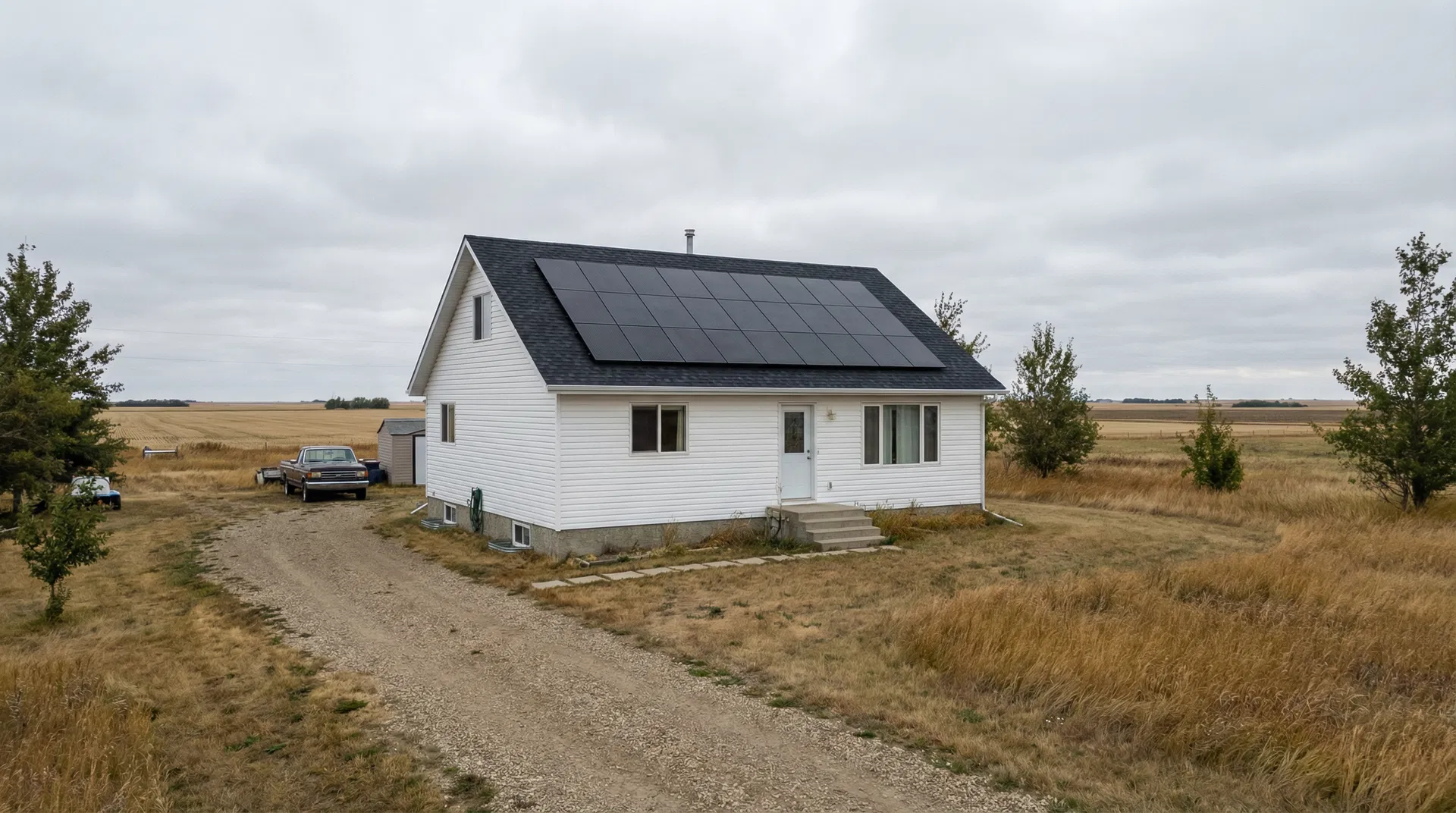
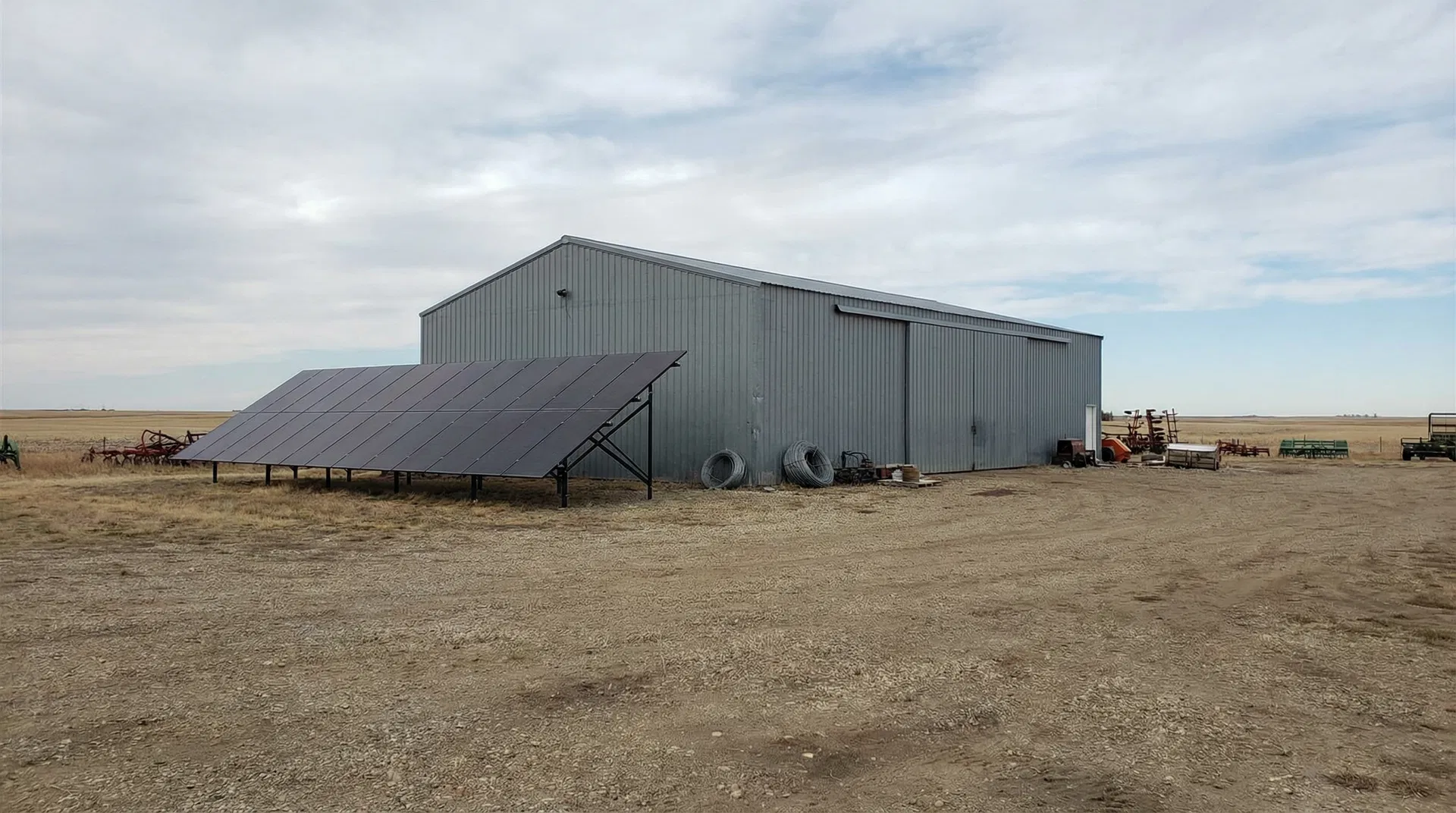
Rural Alberta properties typically need more solar than a comparable house in a subdivision, simply because there's more to power. A property in this area might run a home, a heated shop, a well pump, and maybe grain handling or irrigation equipment, and each of those loads adds to the system size we design around. That's one reason the 8 to 12 kW range we typically install here runs higher than a standard urban rooftop system. Roof versus ground mount is its own decision, separate from sizing. A roof with heavy shading from mature trees, a steep or oddly angled pitch, or just not enough usable south or west-facing area often points toward a ground mount instead, especially on acreages with open yard space to work with. Properties with a detached shop sometimes end up with panels split between both structures. None of this gets decided from a rule of thumb. We size every system from the 12-month usage graph printed right on your most recent power bill, because that graph shows actual seasonal load, not a generic estimate. Battery capacity follows the same logic: we size it to the specific loads you want backed up, not a flat number. Bring us your current bill and let us see the property, and we'll tell you what size actually fits.
Typical Load Profiles We Design For in Rural Alberta
Home + Heated Shop
This is one of the most common setups we see around this area: a primary residence plus a heated detached shop that runs power tools, a block heater circuit, or occasional welding equipment. The shop's load pattern is usually spikier than the house's, which changes how we size both the solar array and any battery backup. We read both loads off your most recent power bill and design around whichever one actually drives peak demand.
Acreage with Well Pump and Outbuildings
Properties with a private well pump, a barn, or multiple outbuildings have a different load shape than a straightforward residential lot, often with short bursts of high draw rather than a steady background load. Battery sizing for this kind of property usually centers on keeping the well pump and a handful of critical circuits running through an outage, not backing up everything at once. We map out which circuits matter most to you before we size anything.
Grain Handling and Seasonal Farm Load
Grain dryers, augers, and other handling equipment create seasonal spikes that look nothing like a typical household's usage pattern, often concentrated in a few weeks each fall. A system sized only for average household draw would miss that entirely, so we look specifically at how that equipment shows up on your power bill before recommending a size. Battery storage in this scenario tends to focus on protecting specific circuits rather than running the whole farm operation off-grid.
FortisAlberta Interconnection in Lacombe
Properties here are served by FortisAlberta, which means any solar or battery system we install goes through FortisAlberta's micro-generation interconnection process before it can be energized. Range Road Solar prepares and submits that application on your behalf, including the electrical drawings and equipment specifications FortisAlberta needs to review the connection. We don't control how long FortisAlberta takes to process an application, and we're not going to guess a number here, but we do keep you updated as the file moves through review. If your service entrance or panel needs upgrading to support the new system, we flag that during the site visit, not after the paperwork is already in. Battery storage adds another layer to the application since FortisAlberta wants to understand how the system is configured, including whether it can export to the grid or is set up for backup only. We handle that documentation as part of the same design package, so you're dealing with one point of contact instead of juggling the utility yourself.
Project Economics and Design Review
| System Size | Annual Production | Year 1 Savings | Payback Period |
|---|---|---|---|
| 8-12 kW range, 10 kW typical |
Production, savings, and payback figures require a property-specific design review and your most recent power bill; we don't publish generic numbers because they don't hold up property to property.
How We Work in Lacombe
Bill and Load Review
We review your power bill to understand your energy use in Lacombe and size the system to your actual consumption, not a generic estimate.
Site Assessment
We assess your roof or ground area, south-facing exposure, electrical service, and utility interconnection requirements specific to your property.
Design and Utility Application
We produce a system layout, production estimate, and cost summary, then submit your micro-generation application to your utility on your behalf.
Installation and Commissioning
Our crew installs racking, panels, inverter, and electrical connections. All work is performed by licensed electricians. We commission and test before handoff.
Current Program and Interconnection Review
Utility connection review
FortisAlberta reviews every micro-generation interconnection application before a solar or battery system here can be energized. Range Road Solar prepares the full design package, including electrical drawings and equipment specs, and submits it on your behalf so the application reflects what's actually being installed.
Current program review
Eligibility for any commercial, farm, or residential incentive program changes over time, so we check what currently applies to your property type at the design stage rather than assuming last year's rules still hold. That review happens alongside the electrical site assessment, not as a separate step.
Frequently Asked Questions
Get a Solar Assessment for Lacombe
Submit a recent power bill and we will review your consumption and provide an honest assessment for your Lacombe property. No obligation.
(587) 330-7502 Book a CallMore Solar Services in Lacombe