Solar and solar battery storage in Ponoka, Alberta starts with a system built for what's actually drawing power on the property, not a generic residential package. Range Road Solar installs LONGi panels paired with APsystems microinverters, sized to the 8 to 12 kW range most homes in this category need, with 10 kW as the typical starting point before a site-specific design adjusts it up or down. Microinverters make sense on properties with partial shading from trees, outbuildings, or roof lines that face more than one direction, since each panel operates independently instead of the whole string dropping output if one panel is shaded. Battery storage adds a layer most grid-tied solar doesn't have: backup power when the grid goes down, and the ability to shift when stored energy gets used. For a property here, that might mean keeping well pumps, freezers, or shop equipment running through an outage, or it might mean targeting specific load windows identified from the usage graph on your power bill. We size the battery around what you actually need backed up, not a flat default, which means walking through your panel, your critical loads, and your roof or ground-mount layout before we spec hardware. Equipment and battery capacity get confirmed during that property-specific design, after we've seen the site and your most recent bill, because two houses with the same square footage can have very different load profiles once a shop, irrigation pump, or grain-handling equipment gets added to the mix.
Solar Planning for Ponoka Properties
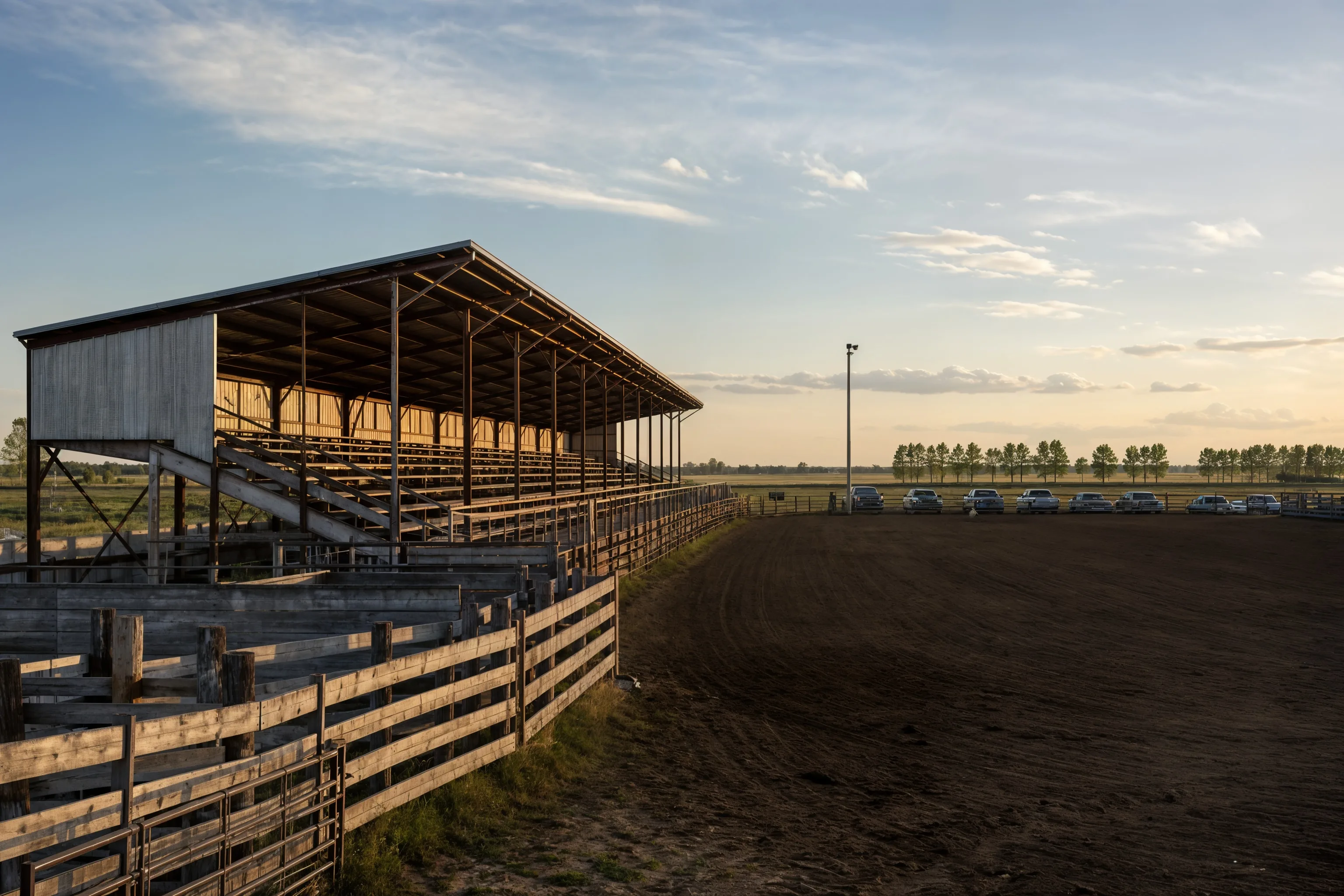
Ponoka sits on its own wire service: the town owns and runs the local electrical transmission system here, rather than a regional utility like FortisAlberta or ENMAX handling it. That matters for a solar plus battery project, because the interconnection paperwork, metering, and approval process run through the town directly. Properties in the area range from in-town residential lots to larger acreages on the edge of town, and the right system size depends on what's actually on the meter: a home alone, a home with a heated shop, or a home with outbuildings and well pumps added in. The town was incorporated on October 19, 1904, and its population has grown from 7,229 to 7,331 people between the last two census counts, Statistics Canada figures that point to a community still adding rooftops and panel upgrades. The name comes from the Blackfoot word for 'Elk,' and every summer the town hosts the Ponoka Stampede, one of the bigger draws in central Alberta. None of that changes the electrical math, but it's the backdrop Range Road Solar designs against: a working town with a mix of older and newer housing stock, where panel capacity and service type vary block to block. We confirm system size and placement with a site visit and your most recent power bill, not a rule of thumb.
Electrical Site Review for Ponoka Properties
Voltage Rise
Voltage rise happens when power pushed back onto the line from your solar system raises the voltage at your service point above where the distribution line normally runs it, and it tends to show up more on longer rural feeders with fewer customers sharing the line. If voltage climbs too high, inverters are built to throttle back output or shut down to protect themselves and the grid, which caps how much of your system's capacity you actually see. We check feeder conditions and account for this when sizing the inverter and string layout, so clipping doesn't quietly eat into production you're paying for.
Single-Phase vs Three-Phase
Properties in this area can have either single-phase or three-phase electrical service, and which one you have changes what inverter hardware fits and how much capacity you can run. Single-phase service caps how much inverter capacity can be installed without additional equipment or utility coordination, while three-phase service generally gives more headroom for larger systems. We confirm which service type is present during the site visit, because guessing wrong here means ordering the wrong inverter.
Panel Infrastructure
Older rural properties often have electrical panels rated for far less capacity than a modern home with solar and battery storage needs, sometimes 60 or 100 amp service installed decades ago. We check breaker capacity, panel age, and available slots for the solar and battery disconnects before finalizing a design, because a panel that's full or undersized won't support the interconnection. If an upgrade is needed, that means a new panel rated for the added capacity, done as part of the project rather than as a surprise after installation.
Service Entrance Review
We inspect the service entrance and meter base condition as part of every site visit, checking for wear, corrosion, or capacity limits that could affect the micro-generation application to the local wire service. A meter base that can't accept the required metering equipment, or wiring that's degraded, needs to be flagged before the application goes in, not after it's rejected. If an upgrade is required, we fold it into the project scope and timeline so it's not a separate surprise cost conversation later.
Right-Sizing Solar for Ponoka Properties
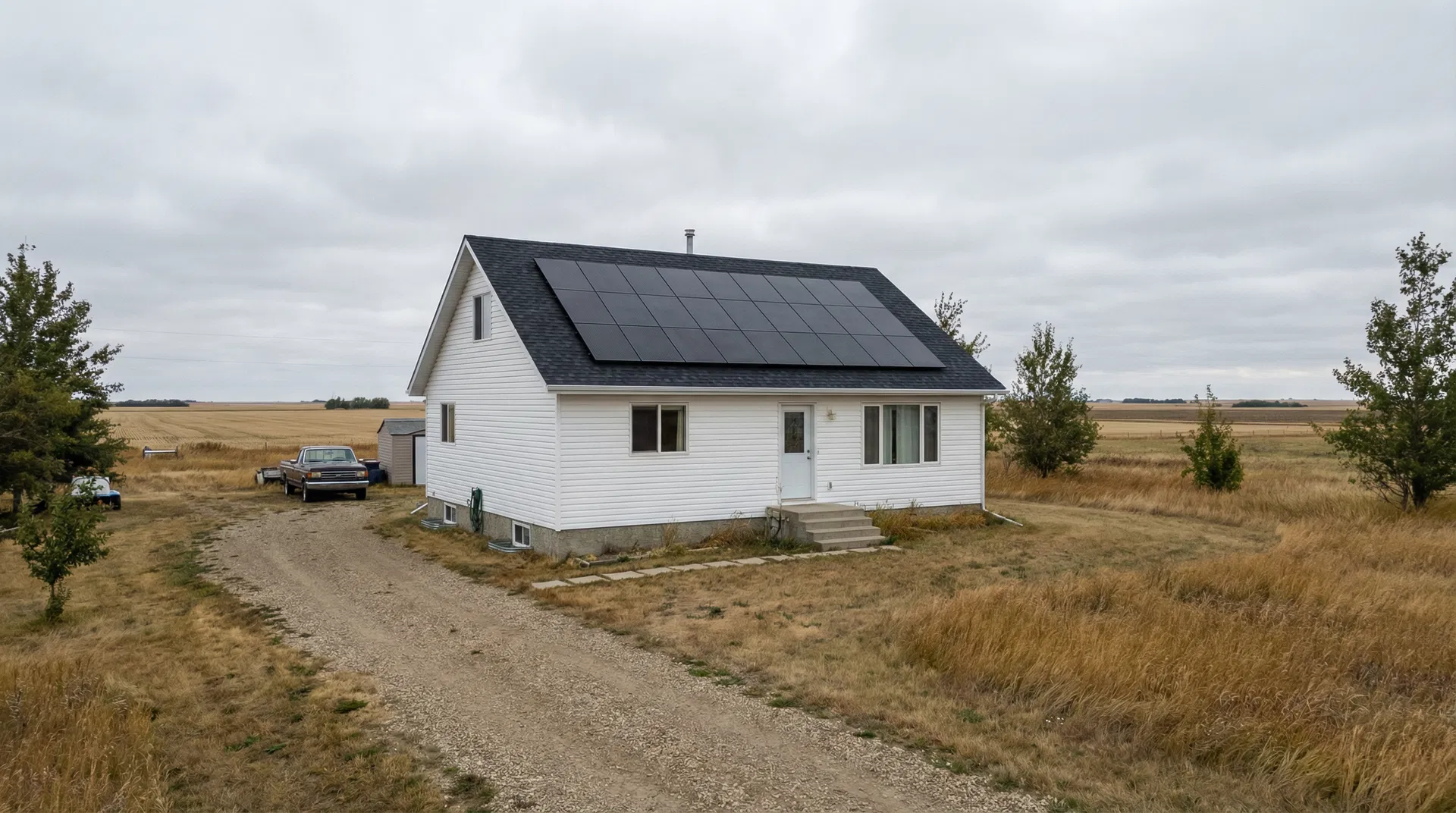
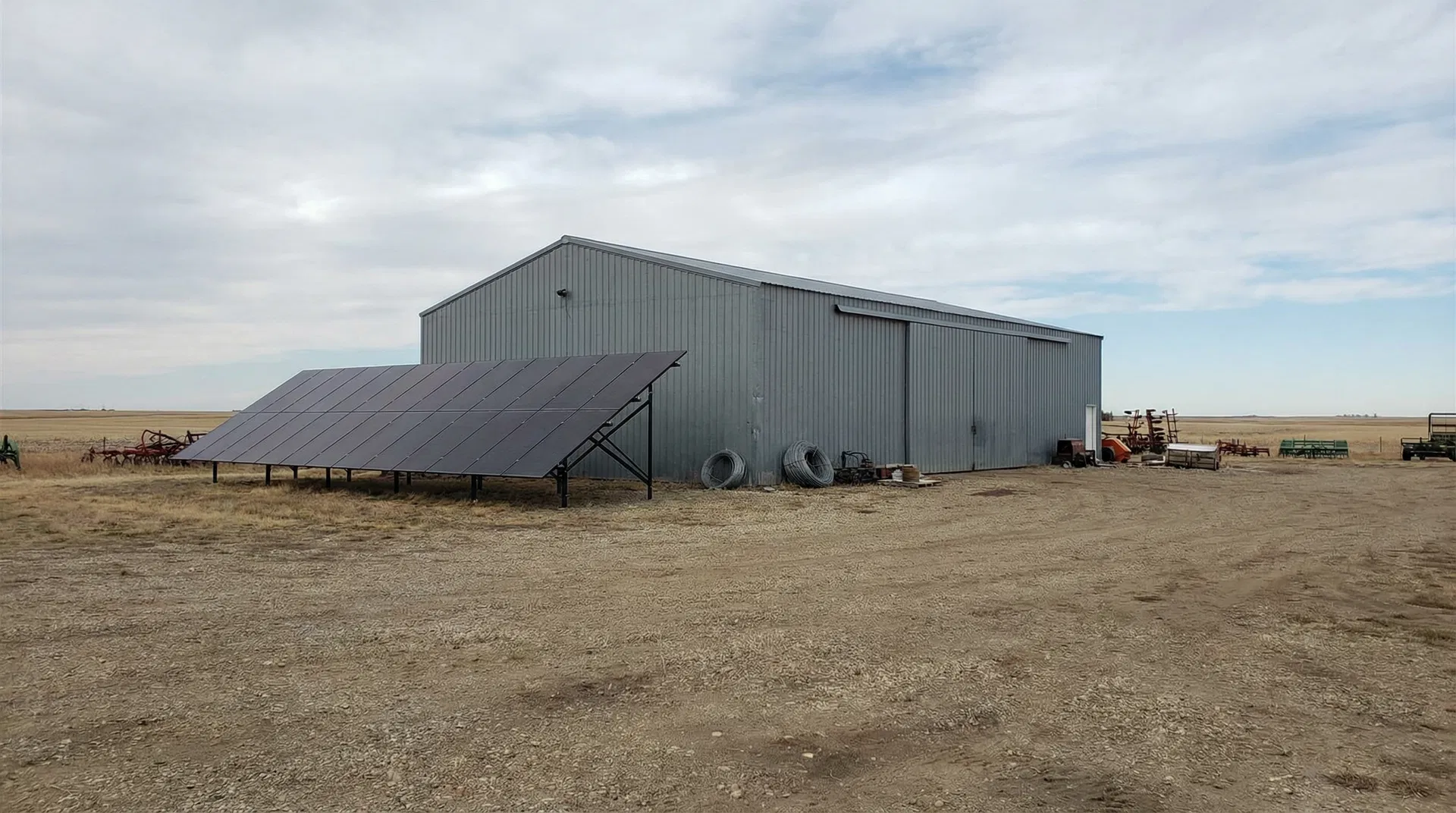
Rural and town-edge properties typically need more solar capacity than a comparable urban home, because the load list is longer: a house plus a heated shop, a well pump, maybe irrigation or grain-handling equipment that runs seasonally but hard. Sizing a system to just the house square footage misses all of that, which is why we don't start from a rule-of-thumb number per square foot. Roof versus ground mount comes down to what the property actually offers. A roof with good southern or western exposure and no shading issues is often the simpler, lower-cost build. Ground mount becomes the better call when trees or outbuildings shade the roof, when the roof pitch or orientation isn't workable, or when there's a spread-out yard with open land that makes a ground array easy to access for maintenance and snow clearing. Neither option is automatically better, it depends on the lot. The real sizing input is the 12-month usage graph on your most recent power bill. That graph shows how your load moves through the year, winter heating draw, summer irrigation, shop use, whatever your pattern actually is, and we size the array and battery against that curve instead of an average. Combined with a site visit to confirm roof or ground conditions, that's what turns into an actual system size, not a generic range.
Typical Load Profiles We Design For Near Ponoka
Home Plus Heated Shop
This profile covers a main residence plus a detached shop with heat, often used for vehicle or equipment storage and repair work through the winter. The shop's heating load and any tools running in it get added to the home's baseline, which usually pushes the system toward the higher end of a given size range. We pull the actual load split from your power bill and site visit rather than assuming a flat add-on for the shop.
Home Plus Well Pump and Outbuildings
This profile fits properties with a well pump, a few outbuildings, and maybe a detached garage, where the loads are smaller individually but add up across the property. Well pumps in particular can have brief high-draw startup moments that factor into inverter and battery sizing even though their average draw is modest. We map out each load during the site visit so the design accounts for peak moments, not just average use.
Home Plus Backup-Critical Loads
This profile is less about total load and more about what needs to stay on during an outage, things like a sump pump, freezer, well pump, or medical equipment. Battery capacity here gets sized around keeping those specific circuits running for a defined stretch of time, rather than backing up the whole panel. We identify critical circuits during the design review and build the battery and transfer equipment around that list specifically.
Town of Ponoka Interconnection
This wire service, the Town of Ponoka, owns and operates its own local electrical transmission system, which puts it in a different position than most Alberta communities that run on FortisAlberta or ENMAX wire service. That means the micro-generation interconnection application for a solar plus battery system goes directly to the town rather than a regional utility, and the town reviews the technical package: panel capacity, inverter specs, and the proposed point of connection. Range Road Solar prepares and submits that application package on your behalf, including the single-line diagrams and equipment specifications the review requires. We don't control how long the review takes or what conditions get attached to approval, those are set by the utility's own process, and we don't make claims about credit carryover, payout structure, or rate treatment because those are utility and retailer decisions, not installer decisions. What we do control is making sure the application is complete and accurate the first time, so it isn't sitting in a queue over a missing document.
Project Economics and Design Review
| System Size | Annual Production | Year 1 Savings | Payback Period |
|---|---|---|---|
| 8-12 kW range, 10 kW typical |
Production, savings, and payback figures are only provided after a property-specific design review that uses your actual roof or ground-mount conditions and your most recent power bill.
How We Work in Ponoka
Bill and Load Review
We review your power bill to understand your energy use in Ponoka and size the system to your actual consumption, not a generic estimate.
Site Assessment
We assess your roof or ground area, south-facing exposure, electrical service, and utility interconnection requirements specific to your property.
Design and Utility Application
We produce a system layout, production estimate, and cost summary, then submit your micro-generation application to your utility on your behalf.
Installation and Commissioning
Our crew installs racking, panels, inverter, and electrical connections. All work is performed by licensed electricians. We commission and test before handoff.
Current Program and Interconnection Review
Utility connection review
Your utility reviews the interconnection application for any new solar or solar plus battery system before it can be connected to the grid. Range Road Solar prepares the full design package, including equipment specs and single-line diagrams, and submits it on your behalf.
Current program review
Eligibility for residential, farm, and commercial incentive programs changes over time, so we check what currently applies against your project type and property use at design time rather than assuming last year's rules still hold. That review happens before we finalize a proposal, not after.
Frequently Asked Questions
Get a Solar Assessment for Ponoka
Submit a recent power bill and we will review your consumption and provide an honest assessment for your Ponoka property. No obligation.
(587) 330-7502 Book a CallMore Solar Services in Ponoka