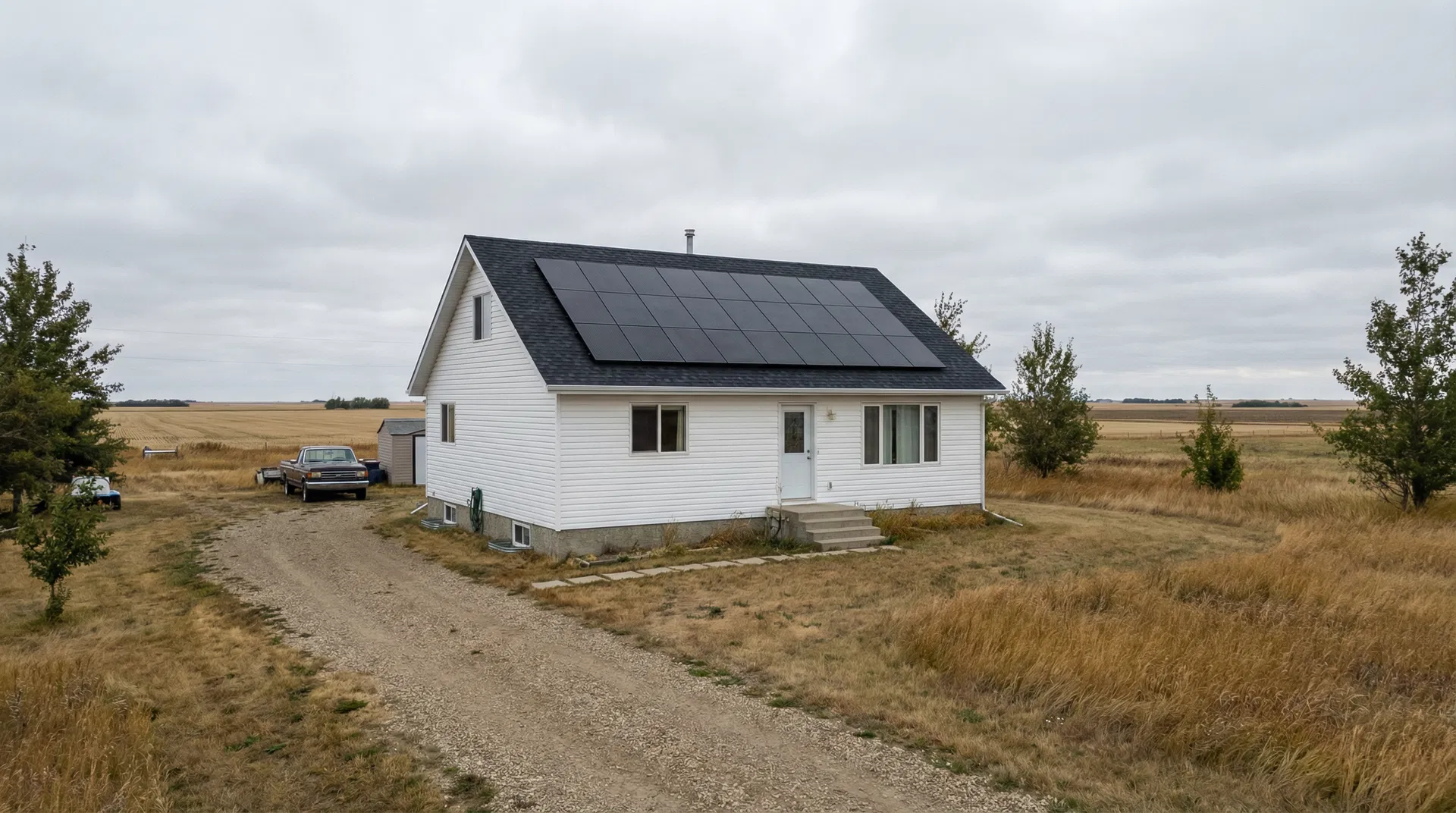
Solar installation in Ponoka, Alberta means designing a system around your roof, your loads, and the local wire service, not just bolting panels onto whatever roof space is open. Most of the residential systems we install land in the 8 to 12 kW range, with 10 kW being a common middle ground for a typical single-family home. We use LONGi panels for the array, which hold up well on both standing-seam metal and asphalt shingle roofs, and pair them with APsystems microinverters instead of a single central string inverter. Microinverters matter on a lot of properties here because each panel operates independently, so if part of the roof picks up shade from a tree or a neighboring structure for a stretch of the day, it doesn't drag down the output of the rest of the array. We handle the structural work too: roof penetrations, flashing, conduit runs to the electrical panel, and racking rated for Alberta wind and snow loads. For properties with a detached garage or a second structure on the lot, we'll look at whether one combined system or a split installation makes more sense. Every design starts the same way, with a review of your most recent power bill and an in-person walk of the roof or site, so we can confirm what the panel and service entrance can actually support before finalizing a system size. That's also where the interconnection application comes in, which we cover next.
Solar Planning for Ponoka Properties
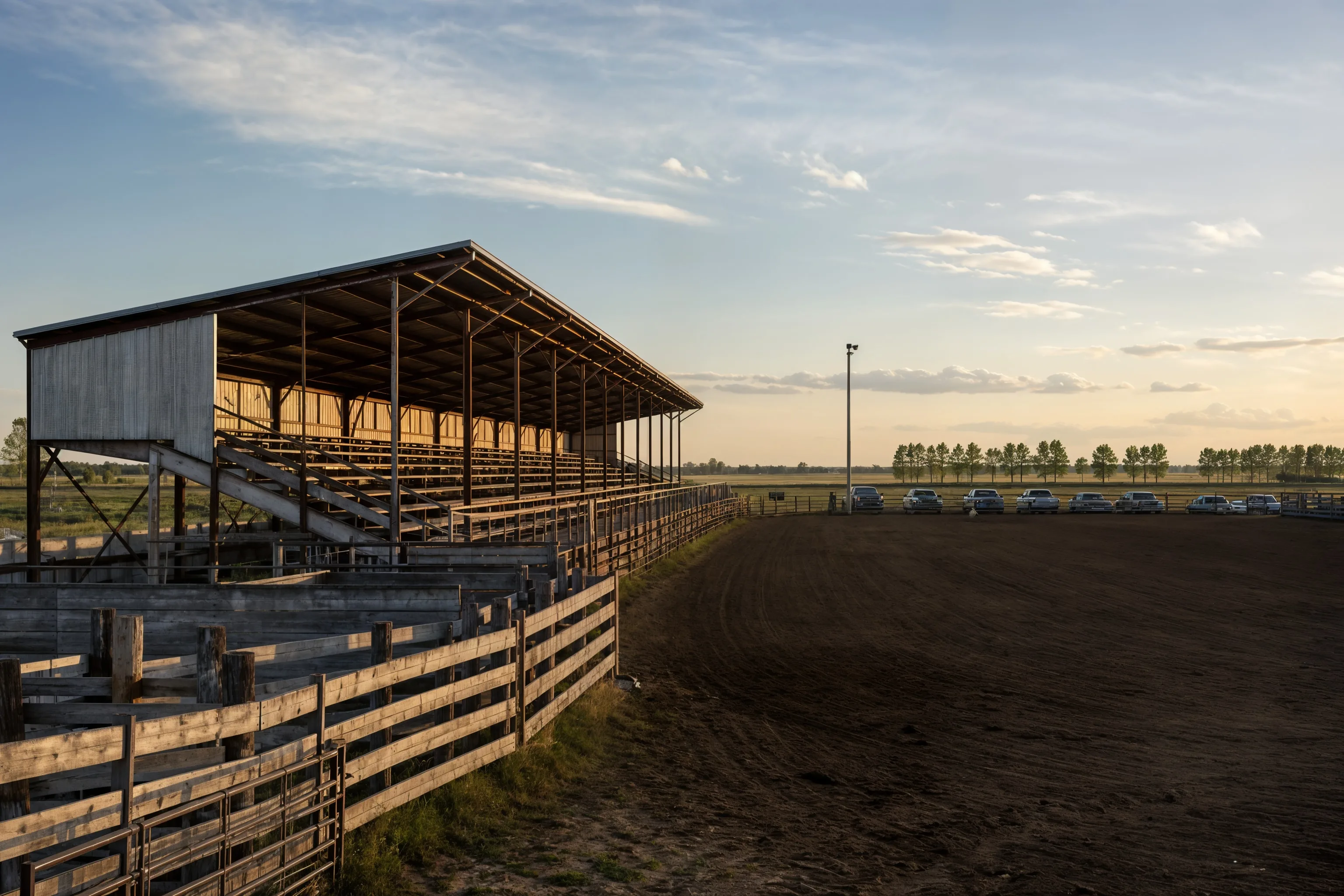
Ponoka was incorporated as a town on October 19, 1904, and the property stock here still reflects that history: older lots close to downtown, postwar bungalows, and newer builds on the outskirts. The population sits at 7,331 as of the latest census, up from 7,229, and that growth shows up as a mix of single-family homes, rental properties, and small commercial buildings, each with its own roof pitch, panel age, and shading pattern. Larger structures like the Centennial Centre for Mental Health and Brain Injury and the grounds that host the Ponoka Stampede each year sit alongside standard residential rooflines and detached garages, which is where most of our work happens. Before we talk panel count, we look at roof orientation, any shade from mature trees or neighboring structures, and the condition of the electrical panel feeding the house. This area is also served by its own electrical wire service rather than a provincial utility, which changes the interconnection paperwork in ways we cover separately below. None of that changes the fundamentals of a good system: right-sized equipment, a clean roof penetration plan, and a design built around what's actually on your most recent power bill, not a generic per-home estimate.
Electrical Site Review for Ponoka Properties
Voltage Rise
Voltage rise happens when the distance and wire gauge between a solar inverter and the point of common coupling cause the voltage at the inverter to run higher than what's at the panel board. Distribution conditions on rural and small-grid lines can vary enough that this needs a real measurement at your property rather than an assumption. We check it during the site visit because excessive voltage rise can trigger inverter clipping, which caps production and can change how we size the array.
Single-Phase vs Three-Phase
Properties can have either single-phase or three-phase electrical service, depending on the age of the property and what's connected to it. Single-phase is standard on most homes, while three-phase shows up more often on properties with larger motor loads, like certain shop setups. We confirm which service type is present before specifying equipment, since inverter selection and maximum system capacity both depend on it.
Panel Infrastructure
A number of homes still have older electrical panels, and panel age and breaker capacity are some of the first things we check before finalizing a design. We look at the panel's rated amperage, how much spare breaker space is available, and whether the bus bar can handle the added back-feed from a solar system. If the existing panel can't support the install, the upgrade usually means a new panel and breaker, sometimes paired with a service entrance upgrade, scoped out before any panels go on the roof.
Service Entrance Review
We check the condition of the meter base and service entrance conductors on every site visit, since both need to be in good shape before the local utility will approve a micro-generation interconnection application. Corroded, undersized, or outdated meter bases get flagged during this review because they can hold up the application or create a safety issue once the system is energized. If an upgrade is needed, we coordinate it as part of the install so it isn't a separate project later.
Right-Sizing Solar for Ponoka Properties
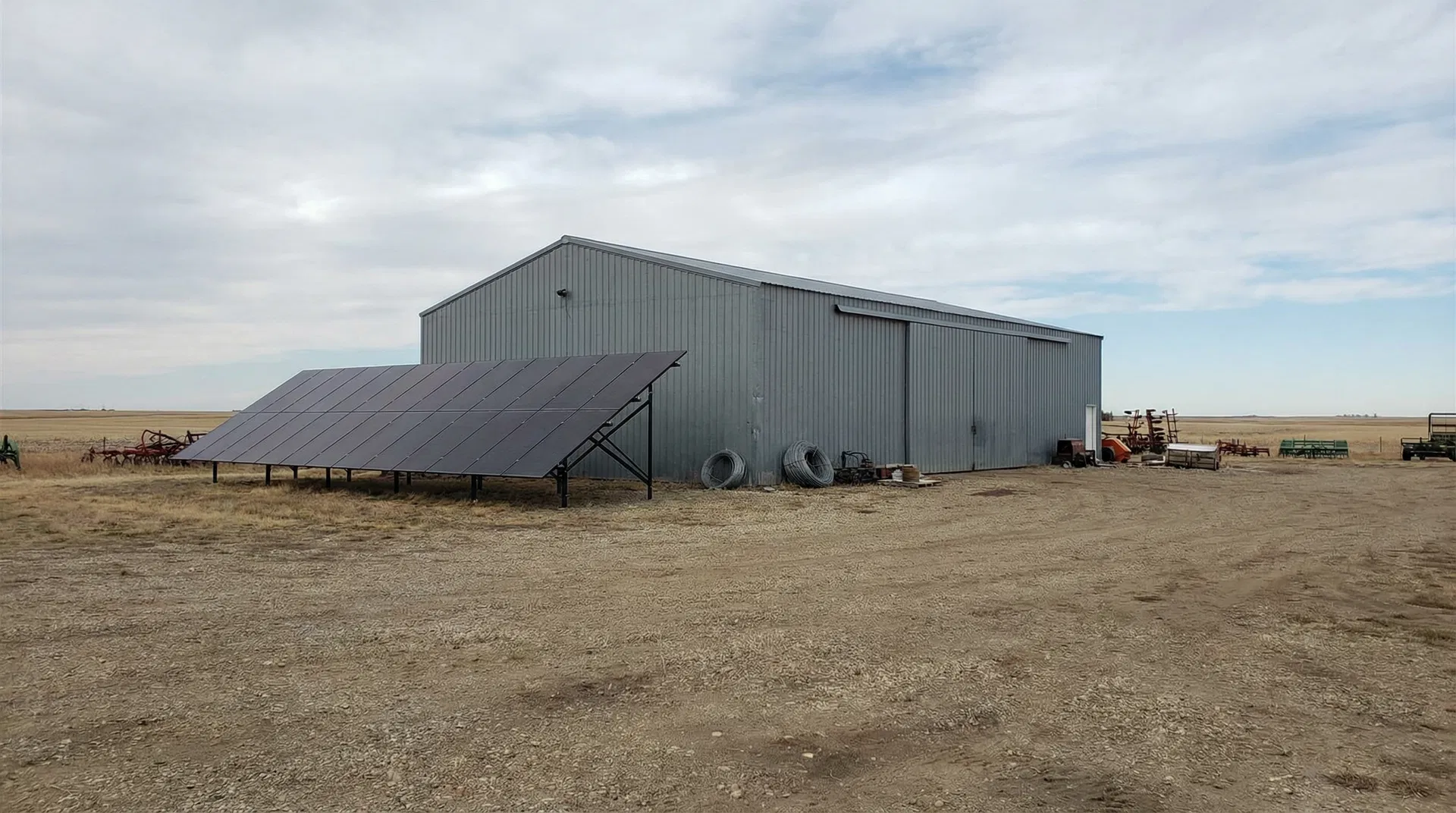
Rural Alberta properties, including those in smaller communities, often need more solar capacity than a comparable house in a big city, simply because there's more going on behind the meter. A home with a heated detached shop, a well pump, or grain-handling equipment draws differently than a house on its own, and that difference shows up on the power bill before it shows up in a system design. That's why we size every system off the 12-month usage graph on your most recent power bill instead of a rule-of-thumb number per square foot of roof. Roof mount is the default when the roof has good southern or western exposure, decent pitch, and isn't shaded by mature trees or a taller structure for most of the day. Ground mount becomes the better call when the roof is shaded, pitched wrong, cluttered with dormers and vents that eat up usable space, or when the yard has open land and the owner would rather keep the roofline clear. On acreages and larger lots, we see both outcomes: some properties are a straightforward roof job, others make more sense as a ground-mounted array closer to the shop or the main panel. Either way, the process is the same. We walk the property, review your most recent power bill, and come back with a system size, typically in the 8 to 12 kW range for a residential install, built around actual usage rather than an estimate.
Typical Load Profiles We Design For Near Ponoka
Home Only
This is the simplest profile: a single-family home with standard household loads like appliances, electronics, and HVAC, and no major outbuildings sharing the meter. We size these systems directly off the usage pattern on your most recent power bill, and they tend to land toward the lower end of the typical range for this service.
Home Plus Detached Shop
Add a heated or powered shop to the property and the load profile shifts, especially with a compressor, welder, or shop heater running through colder months. We look at how much of that shop usage shows up on the same meter as the house before deciding whether to size the system up or treat the shop as a separate design question.
Home Plus Acreage Equipment
Properties with a well pump, grain-handling equipment, or several outbuildings on one meter have the most variable load profile we design for. These setups usually need the full 12-month usage graph from the power bill to understand properly, since usage can swing seasonally in ways a single month's reading won't show.
Town of Ponoka Interconnection
This area is served by its own electrical wire service rather than a provincial utility like FortisAlberta or ATCO, so any grid-tied solar system here goes through the local utility's own interconnection process. We prepare the micro-generation application package for your system, including the electrical drawings and equipment specifications the utility office needs to review the install. Because that utility owns and operates its own distribution lines, the application goes directly to that office rather than a separate provincial retailer. We handle the submission, coordinate the required inspections, and stay in contact with the utility office through to final approval. We don't quote approval timelines or make claims about credit settlement or payout structure here, those specifics are governed by the utility's current rules and your retailer agreement, and we'll walk you through exactly how they apply once we have your site design and most recent power bill in hand. Properties just outside this coverage area can fall under a different wire service entirely, so we confirm the correct process for every address before we design anything.
Project Economics and Design Review
| System Size | Annual Production | Year 1 Savings | Payback Period |
|---|---|---|---|
| 8-12 kW range, 10 kW typical |
Production, savings, and payback figures require a property-specific design review and your most recent power bill, we don't estimate them without those two inputs.
How We Work in Ponoka
Bill and Load Review
We review your power bill to understand your energy use in Ponoka and size the system to your actual consumption, not a generic estimate.
Site Assessment
We assess your roof or ground area, south-facing exposure, electrical service, and utility interconnection requirements specific to your property.
Design and Utility Application
We produce a system layout, production estimate, and cost summary, then submit your micro-generation application to your utility on your behalf.
Installation and Commissioning
Our crew installs racking, panels, inverter, and electrical connections. All work is performed by licensed electricians. We commission and test before handoff.
Current Program and Interconnection Review
Utility connection review
The local utility reviews every grid-tied solar interconnection application against its own current rules before a system can be energized. Range Road Solar prepares the full design package, electrical drawings, and equipment specifications that application requires, and submits it on your behalf.
Current program review
Eligibility for any current program support, whether the project is residential, a farm operation, or a small commercial building, gets checked against the rules in place at the time we finalize your design, not what applied in a prior year. We confirm what's current before locking in a system size or equipment list.
Frequently Asked Questions
Get a Solar Assessment for Ponoka
Submit a recent power bill and we will review your consumption and provide an honest assessment for your Ponoka property. No obligation.
(587) 330-7502 Book a CallRelated Resources
More Solar Services in Ponoka