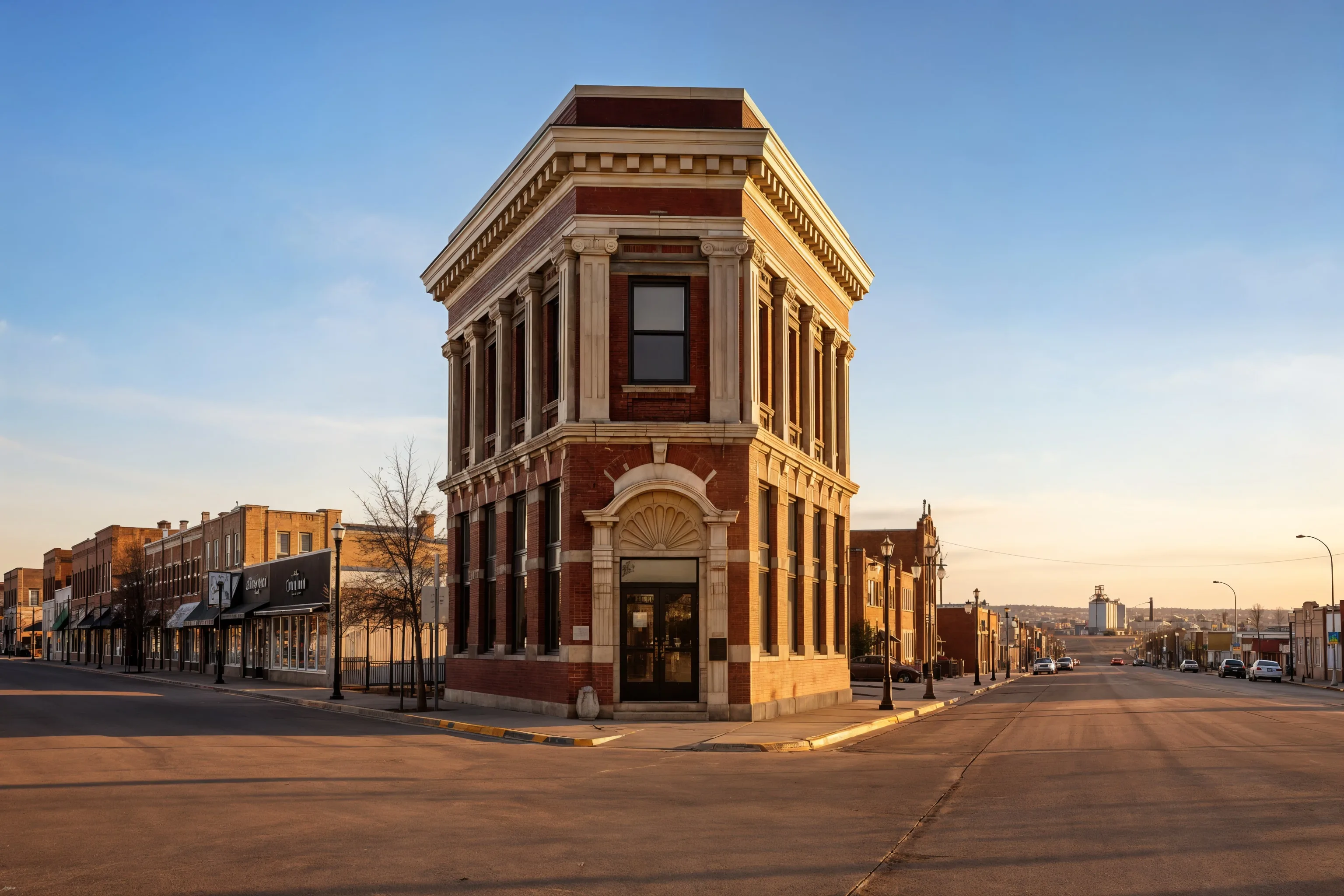
When people search solar lacombe, they're typically looking for installers who handle everything from the electrical assessment through the FortisAlberta paperwork, not just panel installation. Range Road Solar is a licensed installer serving this area, and we run LONGi panels paired with APsystems microinverters on nearly every rooftop and ground-mount system we design here. LONGi panels give us a dependable, widely available product line with performance warranties that hold up over decades, and APsystems microinverters let each panel operate independently, so partial shading from a tree line or a shop roofline doesn't drag down output for the whole array. That module-level approach matters on properties where the roof isn't a clean, unobstructed rectangle, which describes a lot of what we see between older in-town homes and acreages with mixed outbuildings. For rooftop installs, we assess pitch, orientation, and shading before we finalize a layout. For ground-mount systems on acreages with open yard space, we look at soil conditions, racking anchor points, and distance to the service panel. Every install includes the structural and electrical review needed for the FortisAlberta interconnection application, plus the microgeneration paperwork that has to accompany it. System size for a typical property here runs 8 to 15 kW, with most residential jobs landing around 10 kW, though the final number always comes from the site design and your most recent power bill rather than a standard package. We handle the full sequence: design, permitting, installation, and the utility application, so you're not coordinating between separate contractors for the electrical and the racking.
Solar Planning for Lacombe Properties
Lacombe, Alberta incorporated as a Village on July 28, 1896, became a Town on May 5, 1902, and reached City status on September 5, 2010. Statistics Canada put the population at 13,396 in the most recent census, up from 13,057 in the prior count, and that growth shows up in the mix of properties we get called out to: infill homes on smaller in-town lots, acreages ringing the edges, and working farms further out. Every one of those needs a different electrical starting point. FortisAlberta runs the distribution wires here, and that's the utility we design every system around, not a franchise-agnostic template. A rooftop close to downtown, near landmarks like the Flatiron Building built in 1903-04, faces different shading and roof-pitch questions than a shop roof on a quarter section outside town. We don't guess at any of it. Before we draw a system, we walk the property, check the electrical panel and service entrance, and pull the 12-month usage graph off your most recent power bill. That's what tells us whether an 8 kW system covers the load or whether you need closer to 15 kW. Solar planning in this area isn't about hitting a number from a brochure. It's about matching the array, the inverters, and the interconnection paperwork to what's actually on the property and what FortisAlberta will sign off on.
Electrical Site Review for Lacombe Properties
Voltage Rise
Voltage rise happens when the distance and load on a distribution line push voltage at the end of the line higher than what's at the source, and rural feeders can see more of it than dense in-town circuits. If voltage on your line runs high, it changes how much room your inverters have before they start clipping output. We measure voltage at the panel during the site visit so system sizing accounts for it up front, rather than discovering a clipping problem after installation.
Single-Phase vs Three-Phase
Rural Alberta properties can have either single-phase or three-phase electrical service, and which one you've got changes what inverter equipment is even an option. Three-phase service generally opens up more capacity for larger systems, while single-phase service caps things differently and shapes how we split the array across circuits. We confirm which service type is on the property before we spec equipment, since guessing wrong here means reordering hardware.
Panel Infrastructure
A lot of rural properties are still running electrical panels that are decades old, and breaker capacity in an older panel doesn't always leave room for a solar interconnection without changes. We check the panel's age, its rated capacity, and how many open breaker slots are available as part of every site visit. If the panel can't support the added interconnection, the upgrade is scoped and priced as part of the design package, not discovered as a surprise mid-install.
Service Entrance Review
The service entrance and meter base have to be in good condition to support a micro-generation connection, since FortisAlberta reviews that hardware as part of the interconnection application. We check the meter base, the weatherhead, and the entrance conductors for wear or capacity issues during the site visit. If any of it needs upgrading before FortisAlberta will approve the connection, that work gets scoped into the project plan up front instead of stalling the application later.
Right-Sizing Solar for Rural Alberta Properties
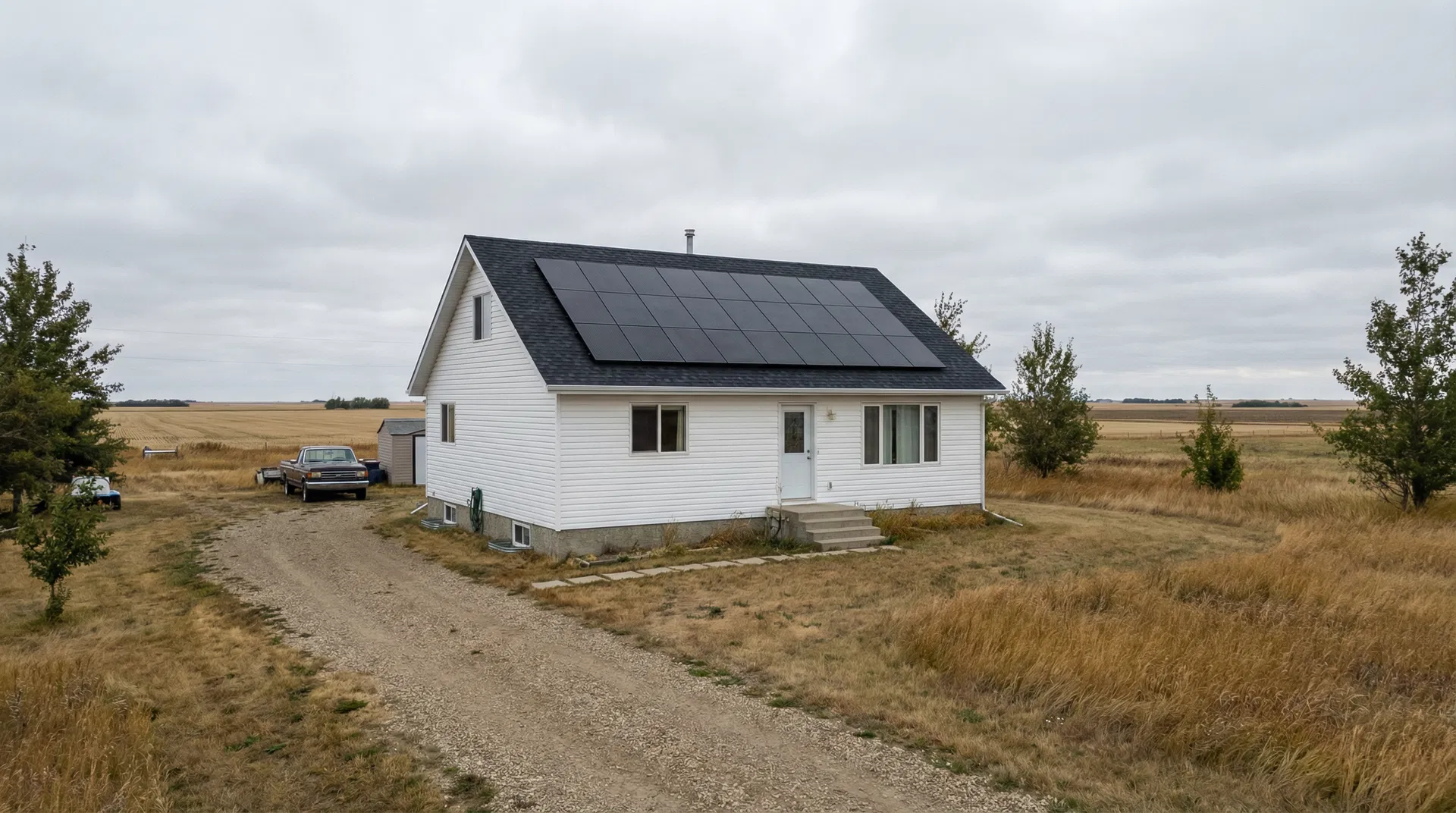
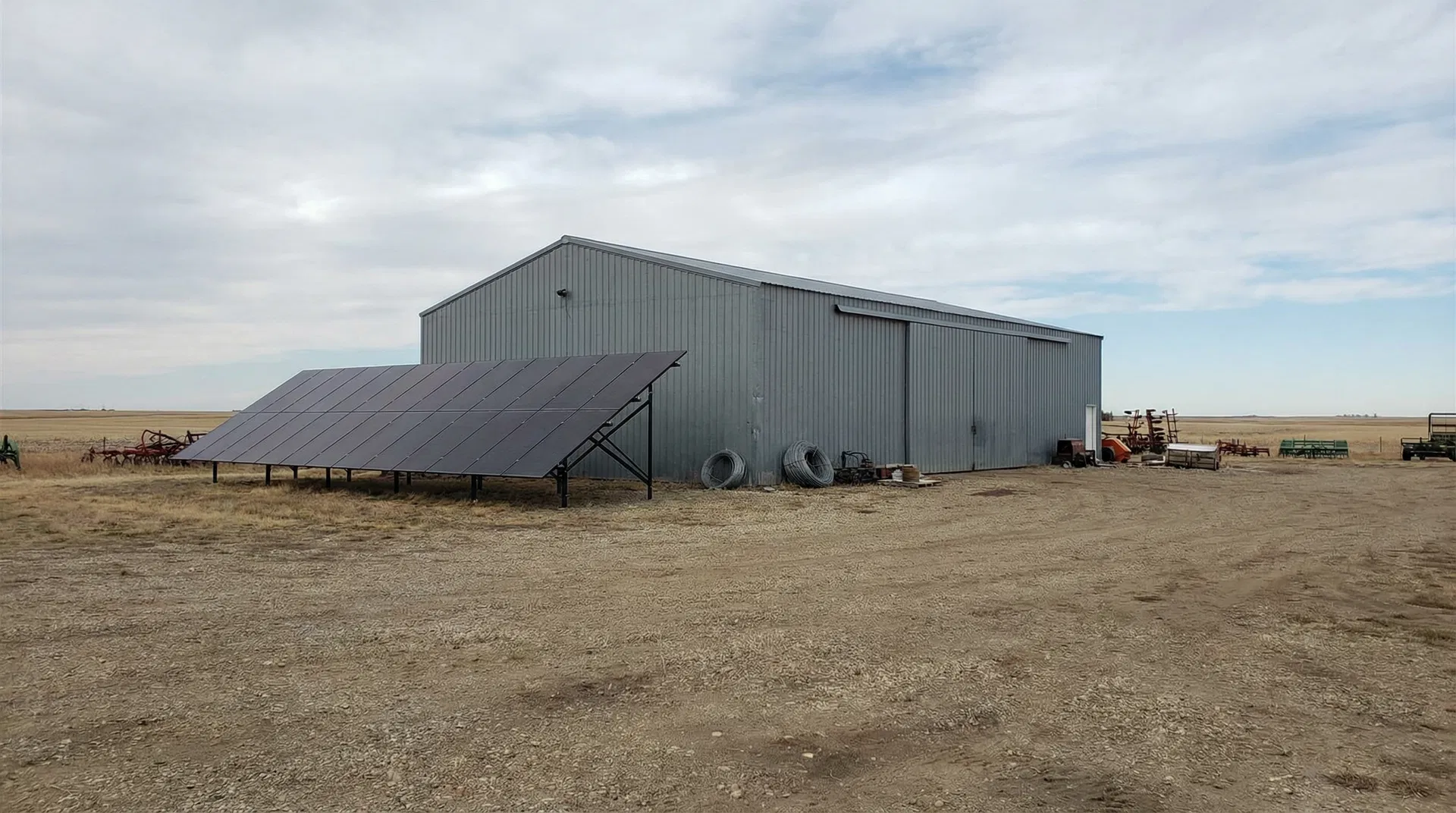
Rural properties usually carry more electrical load than a standard in-town house, because the system has to cover the home plus whatever else is running on the property: a heated shop, a well pump, grain handling equipment, or irrigation. That combined load is why systems out here often land at the higher end of the 8 to 15 kW range instead of the low end. Roof versus ground mount comes down to what the property actually offers. If the roof has good southern exposure, decent pitch, and no shade from trees or a taller outbuilding, it's usually the simpler and less expensive option. Ground mount becomes the right call when the roof is shaded, poorly pitched, or already crowded with vents and equipment, or when the yard has open, unshaded space that's easier to work with than fighting a roofline. We don't size any of this off a rule-of-thumb number or square footage. We pull the 12-month usage graph off your most recent power bill, which shows exactly how your load moves through the seasons: heating months, shop use, irrigation season, whatever it is, and we size the array against that actual pattern. Combined with a site design that accounts for shading, orientation, and available mounting space, that usage graph and your current bill are what determine the final system size, not a generic estimate.
Typical Load Profiles We Design For in This Area
Home + Heated Shop
This is one of the most common setups we size for: a house plus a detached shop with electric heat, which pushes winter load well above what the home uses on its own. We size the array and inverter configuration off the combined usage graph on your most recent power bill, not off the home's load alone. Getting the shop's heating pattern right in the design is what keeps the system from being undersized every winter.
Acreage with Well Pump and Outbuildings
Acreage properties often run a well pump, a couple of outbuildings, and general household load, all pulling from the same panel at different times of day. We look at how those loads stack through the day and across seasons using the usage graph on your bill, since a well pump's start-up draw can matter as much as its steady running load for inverter sizing. The result is usually a system sized toward the middle or upper end of the residential range.
Small Farm with Grain Handling
Grain handling equipment, augers, aeration fans, dryers, runs hard for short, seasonal windows rather than steadily year-round, which makes it a different sizing problem than a house with steady daily use. We size these systems off the seasonal spikes shown on the usage graph from your most recent power bill, not an averaged monthly number, so the system actually covers the load when the equipment is running.
FortisAlberta Interconnection in Lacombe
FortisAlberta is the wire service for Lacombe, and every grid-tied system we install here gets designed around their distribution network from the start. That means the interconnection application, the single-line diagram, and the microgeneration paperwork are all built to FortisAlberta's specifications before we ever schedule an install date. Range Road Solar handles that application on your behalf: we prepare the technical package, submit it, and stay on top of the review process so you're not the one chasing down utility correspondence. We don't promise a specific approval timeline or make claims about how FortisAlberta handles credit settlement or payout, because those are utility-controlled processes that can shift, and we'd rather tell you straight that we don't control the clock than guess at a number. What we do control is making sure the submission is accurate and complete the first time, which is the biggest factor in avoiding back-and-forth delays. If your property already has FortisAlberta service, which is standard across the area, the interconnection process folds into the same design review as the rest of your system.
Project Economics and Design Review
| System Size | Annual Production | Year 1 Savings | Payback Period |
|---|---|---|---|
| 8-15 kW range, 10 kW typical |
Production, savings, and payback figures are provided only after a property-specific design review that uses your most recent power bill and actual site conditions.
How We Work in Lacombe
Bill and Load Review
We review your power bill to understand your energy use in Lacombe and size the system to your actual consumption, not a generic estimate.
Site Assessment
We assess your roof or ground area, south-facing exposure, electrical service, and utility interconnection requirements specific to your property.
Design and Utility Application
We produce a system layout, production estimate, and cost summary, then submit your micro-generation application to your utility on your behalf.
Installation and Commissioning
Our crew installs racking, panels, inverter, and electrical connections. All work is performed by licensed electricians. We commission and test before handoff.
Current Program and Interconnection Review
Utility connection review
FortisAlberta reviews every micro-generation grid connection application before a system can go live, and that review covers the technical details of your specific installation. Range Road Solar prepares the full design package, the single-line diagram, and the application itself, and submits it on your behalf. We don't make claims about how FortisAlberta handles credit settlement or payout timing, since that's outside our control.
Current program review
Eligibility for residential, farm, and commercial solar projects can depend on rules that change, so we check current program and utility requirements against your specific property at the time we run your design review. That review looks at whether your project classifies as residential, farm, or commercial use, since that can affect which rules apply. We'll walk you through whatever currently applies before you commit to anything.
Frequently Asked Questions
Get a Solar Assessment for Lacombe
Submit a recent power bill and we will review your consumption and provide an honest assessment for your Lacombe property. No obligation.
(587) 330-7502 Book a CallMore Solar Services in Lacombe