Solar financing in Carstairs, Alberta ties your monthly payment to the system size we design for your property, not a flat-rate loan estimate pulled from a brochure. We start with the equipment: LONGi panels paired with APsystems microinverters, the same combination we install across the rest of Mountain View County. APsystems microinverters let us build a system out in stages on a farm or acreage property, which matters when financing covers the house now and a shop or irrigation pump later. The financing structure follows the system, not the other way around. An 8 kW system on a smaller in-town lot carries a different monthly payment than a 15 kW system built for a property running a shop, a well pump, and grain-handling equipment off the same service. We walk through the equipment and the payment schedule together, so there's no gap between what the quote says and what shows up on the loan paperwork. We also finance in stages when a property calls for it. Some homeowners want the roof-mount portion covered now and a ground-mount addition for an outbuilding financed separately once the first phase is producing. LONGi panels carry the manufacturer warranty regardless of which phase they're installed in, and we document each stage separately so the paperwork matches what's actually on site, not a generic package.
Solar Planning for Carstairs Properties
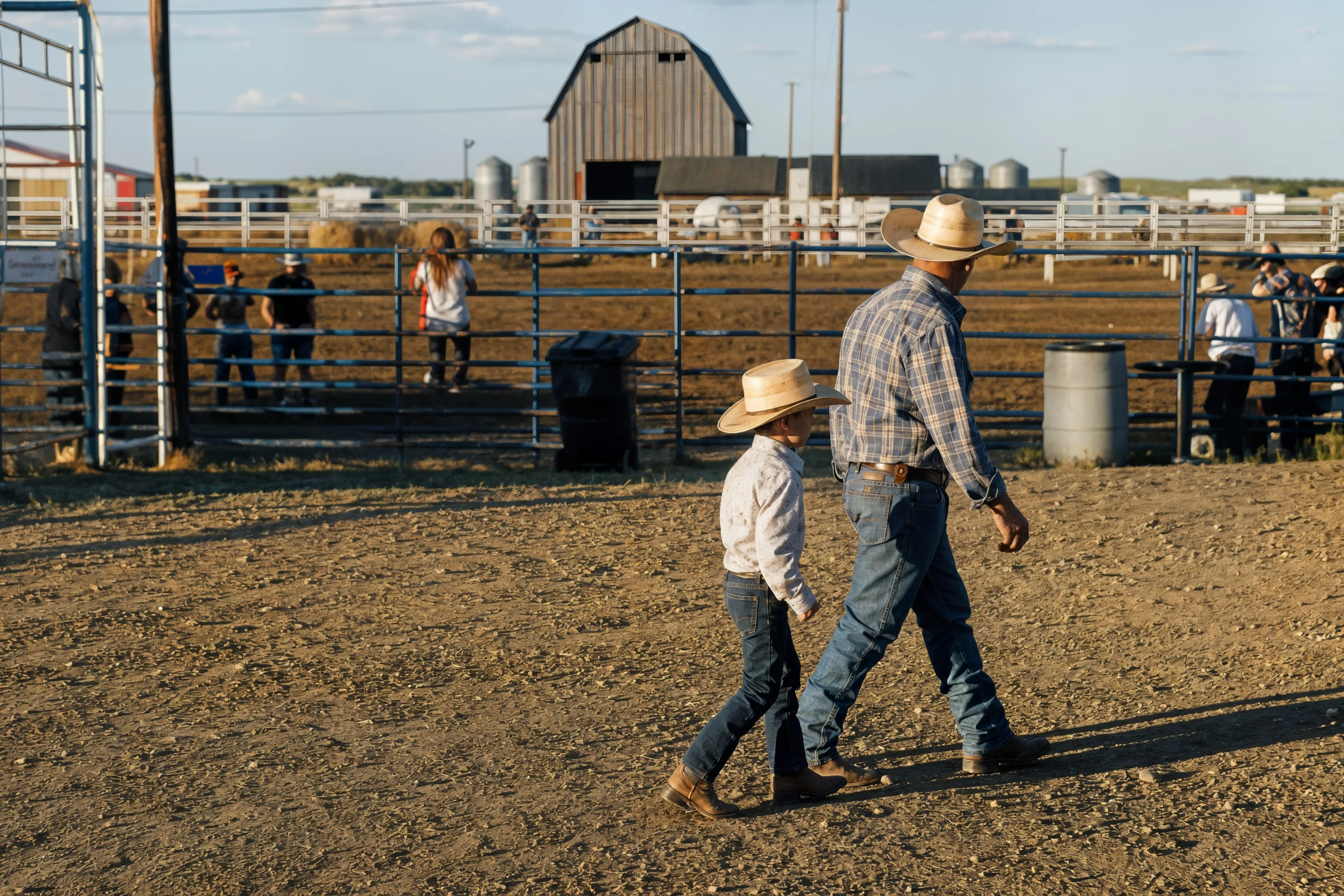
Properties here fall within the Town of Carstairs, Mountain View County, and that jurisdiction matters once financing conversations start. The Town issues the building permit for a solar install; FortisAlberta separately reviews the wire-side application for anything tied into the grid. We keep those two approvals straight from the start, so a financing timeline doesn't get held up by a permit question that has nothing to do with the loan itself. This is a farm and acreage community, and the local calendar reflects it: Beef & Barley Days draws people in every year, and the Carstairs Heritage Centre keeps that agricultural history on display downtown. A lot of the properties we quote here aren't just a house. There's a shop, a barn, or grain-handling equipment drawing power alongside the home, and a financed system has to be sized for all of it, not just the main panel. The area has grown from 4,077 residents to 4,898 between the last two census counts, and that growth shows up as a mix of older farmhouses and newer builds on the edge of town. We don't size financing off population numbers or the address, though. We size it off a site visit, a look at the electrical panel, and the most recent power bill, the same process whether the property is brand new or fifty years old.

Electrical Site Review for Carstairs Properties
Voltage Rise
Voltage rise happens when power pushes back onto a distribution line that's already running close to its limit, which is more common on longer rural feeders. On a line like that, voltage can sit higher than on a tighter in-town circuit, and that affects how hard an inverter can push before it clips output. We check feeder conditions as part of the site review so the system is sized to the line it's actually connecting to, not a generic assumption.
Single-Phase vs Three-Phase
Rural Alberta properties run on either single-phase or three-phase service, and which one a property has changes which inverters and how much capacity we can design around. A shop or grain-handling setup on three-phase service opens up equipment options that a single-phase farmhouse doesn't have. We confirm the service type on site before we size anything, since guessing wrong here means re-quoting the whole system.
Panel Infrastructure
Older rural properties sometimes carry an electrical panel that predates the breaker capacity a solar system needs. We check the panel's age, its rated capacity, and how much room is left for a new breaker before finalizing a design. If the panel can't support the system, an upgrade happens before installation, not as a surprise change order partway through the project.
Service Entrance Review
We check the service entrance and meter base condition as part of every site visit, since FortisAlberta's micro-generation application depends on that infrastructure being in good shape. A meter base that's aging or doesn't meet current standards gets flagged before the application goes in, not after it's rejected. If an upgrade is required, we fold it into the project scope so the application and the installation stay on the same timeline.
Right-Sizing Solar for Carstairs Properties
Rural systems around here tend to run bigger than a typical in-town install, and it's not because rural homes use more power per square foot. It's because the load isn't just the house. A property might be running a home plus a heated shop plus a well pump plus grain-handling equipment, all off the same service, and a system sized only for the house leaves most of that load uncovered. Roof versus ground mount comes down to what the property actually looks like. A roof with good southern exposure and no shading is often the simpler, cheaper build. But if mature trees or outbuildings shade the roof, if the pitch or orientation isn't workable, or if the yard has open land to spare, ground mount is usually the better call, and acreage properties often have exactly that kind of space available. Either way, we size the system from the 12-month usage graph on your most recent power bill, not a rule-of-thumb multiplier based on square footage or panel count. That graph shows us the real load pattern across the year, including the shop, the pump, and anything seasonal. Combined with a site visit and design, that's what tells us whether a property needs an 8 kW system or something closer to 15 kW, and it's what the financing conversation gets built around once the number is confirmed.
Typical Load Profiles We Design For Near Carstairs
Home + Heated Shop
This is one of the most common setups we finance in the area: a farmhouse with a heated shop pulling power for tools, a welder, or vehicle storage through the winter. We read the combined load off the usage graph on your most recent power bill rather than estimating the shop separately, since shop use swings a lot by season. The system we finance covers both loads together, sized from that real pattern.
Acreage with Irrigation or Well Pump
A well pump or irrigation setup adds a load that spikes at specific times of year rather than running steady like a house does. We look at how that spike shows up on the 12-month usage graph and size the system so it isn't just built for an average day. Financing here accounts for that peak demand, not just the property's baseline draw.
Grain Handling and Outbuildings
Grain dryers, augers, and other handling equipment can pull a lot of power in a short, seasonal window, which is a different problem than a steady year-round load. We design around that seasonal spike using the pattern from your most recent power bill, and we'll talk through whether a roof-mount, a ground-mount addition near the outbuilding, or a staged financing approach fits the property best.
FortisAlberta Interconnection in Carstairs
FortisAlberta is the wire service here, and any grid-tied system we finance goes through their micro-generation application process. That application is separate from the financing itself, and separate again from the Town's building permit. We prepare the FortisAlberta paperwork as part of the project, pulling the technical details, inverter specs, and single-line diagram together so it's submitted correctly the first time. We don't promise a specific turnaround on FortisAlberta's review, and we don't make claims about credit carryover, payout timing, or rate structure, because those details sit with FortisAlberta and the retailer on your account, not with us. What we can tell you is that the application gets handled as part of the project we finance, not as a separate task you're left to chase down. If anything in the application needs a site detail we don't have yet, we'll ask for it before the paperwork goes in, not after.
Project Economics and Design Review
| System Size | Annual Production | Year 1 Savings | Payback Period |
|---|---|---|---|
| 8-15 kW range, 10 kW typical |
Production, savings, and payback figures require a property-specific design review and your most recent power bill.
How We Work in Carstairs
Bill and Load Review
We review your power bill to understand your energy use in Carstairs and size the system to your actual consumption, not a generic estimate.
Site Assessment
We assess your roof or ground area, south-facing exposure, electrical service, and utility interconnection requirements specific to your property.
Design and Utility Application
We produce a system layout, production estimate, and cost summary, then submit your micro-generation application to your utility on your behalf.
Installation and Commissioning
Our crew installs racking, panels, inverter, and electrical connections. All work is performed by licensed electricians. We commission and test before handoff.
Current Program and Interconnection Review
Utility connection review
FortisAlberta reviews the grid connection application for any financed system we install. Range Road Solar prepares the full design package, technical specs, and paperwork that go into that application. We don't make claims about how FortisAlberta settles credits or how long their review takes, since those terms sit with them.
Current program review
Commercial, farm, and residential eligibility for any financing or incentive program gets checked against the rules in place at the time we design your system, not assumed from a past program. We review that eligibility as part of the design process, before any financing numbers get finalized.

Frequently Asked Questions
Get a Solar Assessment for Carstairs
Submit a recent power bill and we will review your consumption and provide an honest assessment for your Carstairs property. No obligation.
(587) 330-7502 Book a CallMore Solar Services in Carstairs