
Solar repair in Cochrane, Alberta covers everything from a single tripped breaker to a full system teardown and reinstall. We service installations from any contractor, any brand, any age. If your system was installed by someone else and it's throwing error codes, producing less than it used to, or sitting dark after a storm, we'll come out and figure out why. Most repair calls break down into a handful of categories: inverter faults (a string inverter that won't restart, or a microinverter that's stopped reporting), panel-level issues (cracked glass, hot spots, a junction box that's failed), wiring and connector problems (corroded connectors, rodent damage in conduit runs), and racking or mounting failures after wind or ice loading. We also run full system audits for homeowners who inherited a solar system when they bought their property and have no idea what condition it's in. When a component needs replacing, we default to LONGi panels and APsystems microinverters for new hardware, since that's what we stock and warranty directly. If your existing system uses a different brand of panel or inverter, we'll source a compatible replacement or recommend swapping that section over to hardware we can stand behind long-term. Either way, you get a written explanation of what failed, why, and what it'll cost to fix, before any work starts. We don't push a full system replacement when a single component swap solves the problem.
Solar Planning for Cochrane Properties
This community has grown from 25,853 residents to 32,199 in the most recent census count, and a lot of that growth sits on properties where the solar system is now five, eight, or ten years old. Founded in 1881, incorporated as a village in 1903 and a town in 1971, this community has had rooftop and ground-mount solar in the ground long enough that inverters, connectors, and racking hardware are starting to show their age. Solar repair and maintenance work here isn't about selling someone a new system. It's about keeping the one they already have running the way it was designed to. We see the same patterns over and over: a microinverter that drops offline after a hailstorm, a string that underperforms because a connector corroded, a monitoring app that's gone quiet for months without anyone noticing. Properties near Historic Downtown Cochrane and out toward the acreages bring us systems installed by other companies, and we service all of them regardless of brand. Before we touch a panel or open a combiner box, we walk the site, pull the production history, and figure out what's actually wrong instead of guessing. That approach holds whether it's a ten-panel rooftop array or a larger ground-mount setup feeding a shop.
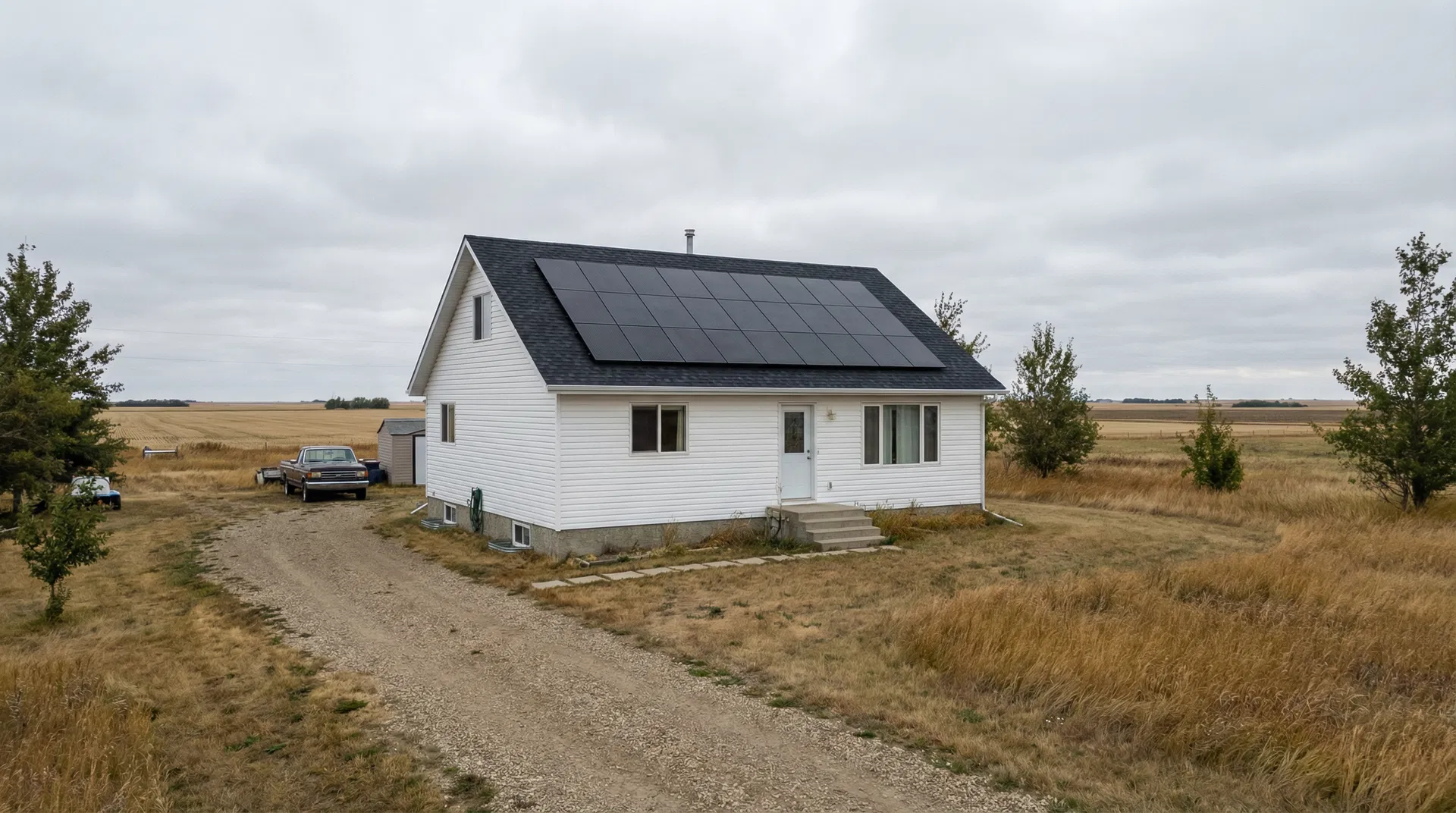
Electrical Site Review for Cochrane Properties
Voltage Rise
Voltage rise happens when a solar inverter pushes power back toward the grid faster than the local distribution line can absorb it, and it tends to show up more on longer or more heavily loaded line sections. On properties farther from a distribution transformer, that rise can push inverter voltage close to its upper limit and trigger protective clipping or shutdown. We measure line voltage on site before finalizing inverter selection and system capacity, so sizing decisions account for it instead of guessing.
Single-Phase vs Three-Phase
Rural Alberta properties run on either single-phase or three-phase electrical service, and which one a property has changes what inverter hardware is even an option. Three-phase service generally supports higher-capacity inverters and larger systems without the same derating concerns. We confirm your service type early, since it affects both inverter selection and the maximum system capacity we can recommend.
Panel Infrastructure
Older electrical panels, especially ones original to a property built decades ago, don't always have the breaker capacity to handle a solar interconnection without modification. We check panel age, brand, and available breaker space as part of every site visit, along with whether the busbar rating can accommodate the added solar interconnection. If the panel can't support the added capacity, an upgrade means a new panel sized for both existing loads and the solar interconnection before we move forward.
Service Entrance Review
We inspect the service entrance and meter base condition on every job, since a corroded or undersized meter base can hold up a micro-generation application with FortisAlberta regardless of how well the solar system itself is designed. Weathered lugs, undersized conductors, or a meter base that isn't rated for bidirectional metering are the most common issues we find. When an upgrade is required, we coordinate it as part of the project so the interconnection application isn't delayed on our end.
Right-Sizing Solar Repairs and Upgrades for Cochrane Properties
Rural and acreage properties in the area typically carry more electrical load than a standard in-town home: a house plus a heated shop, a well pump, maybe grain handling or livestock equipment on top of normal household use. When we're asked to expand or repair a system that's clearly undersized for what's actually plugged into the property, we don't default to a rule-of-thumb number. We pull the 12-month usage graph off your most recent power bill and size any addition or repair around what the property actually draws, month by month. Roof versus ground mount matters here too, especially when a repair turns into a partial rebuild. A roof system that's been fighting shade from mature trees or a detached garage for years, or that's stuck on a pitch that was never ideal to begin with, is sometimes better rebuilt as a ground mount if the yard has the space for it. We walk the property and look at shading, available ground area, and panel condition before recommending which direction makes sense. Every sizing decision, whether it's a repair that restores original capacity or an upgrade that adds to it, comes back to the same two inputs: your current power bill and a site-specific design. We don't size off square footage or a generic per-watt assumption.
Typical Load Profiles We Design For Near Cochrane
Home + Heated Shop
This is the most common profile we see on acreages in the area: a main residence plus a detached shop with electric or in-floor heat, welding equipment, or vehicle charging. We size the repair or upgrade around the combined load shown on your most recent power bill, not the house alone, since the shop often draws as much or more than the home does in winter months.
Grain Handling and Farm Equipment
Properties running grain dryers, augers, or bin aeration fans have load spikes that look very different from a residential graph, short, heavy pulls rather than steady draw. We design around that pattern using your power bill's usage graph, since sizing for average load alone would leave the system undersized during harvest.
Multi-Building Residential
Some properties we service have a main house, a guest suite or secondary dwelling, and sometimes a barn or outbuilding all metered through one service. Repairs and upgrades on these systems need to account for all of it, since the whole property draws against a single interconnection with FortisAlberta, not just the main residence.
FortisAlberta Interconnection in Cochrane
Properties here sit in FortisAlberta's distribution territory, and that matters for repair work too, not just new installs. Any change to an existing solar system, a capacity increase, a full inverter swap to a different model, or re-commissioning a system that's been offline, can trigger a new or amended micro-generation application with FortisAlberta. We handle that paperwork directly so you're not the one trying to figure out which form applies to a repair versus a new connection. If we're replacing a failed inverter with the same make and model, that's usually a straightforward swap. If the repair changes your system's rated capacity or inverter type, we submit the updated application to FortisAlberta before we energize anything. We also check that your existing interconnection agreement and meter configuration still match what's actually installed on the property, since repairs done by other contractors over the years don't always get reported back to the utility. Range Road Solar manages that process so your system stays properly documented with FortisAlberta, not just physically repaired.
Project Economics and Design Review
| System Size | Annual Production | Year 1 Savings | Payback Period |
|---|---|---|---|
| 8-20 kW range, 10 kW typical |
Actual production, savings, and payback depend on a property-specific design review using your most recent power bill, and we won't quote a number without one.
How We Work in Cochrane
Bill and Load Review
We review your power bill to understand your energy use in Cochrane and size the system to your actual consumption, not a generic estimate.
Site Assessment
We assess your roof or ground area, south-facing exposure, electrical service, and utility interconnection requirements specific to your property.
Design and Utility Application
We produce a system layout, production estimate, and cost summary, then submit your micro-generation application to your utility on your behalf.
Installation and Commissioning
Our crew installs racking, panels, inverter, and electrical connections. All work is performed by licensed electricians. We commission and test before handoff.
Current Program and Interconnection Review
Utility connection review
FortisAlberta reviews every micro-generation interconnection application against its current technical requirements before a repaired or upgraded system can be reconnected to the grid. Range Road Solar prepares and submits that application as part of the repair, so you're not navigating FortisAlberta's process on your own.
Current program review
Whether a property qualifies for any current commercial, farm, or residential program is checked against the rules in place at the time of the repair or upgrade, since eligibility details change. We confirm what applies to your specific property during the design review rather than assuming anything carries over from when the system was first installed.
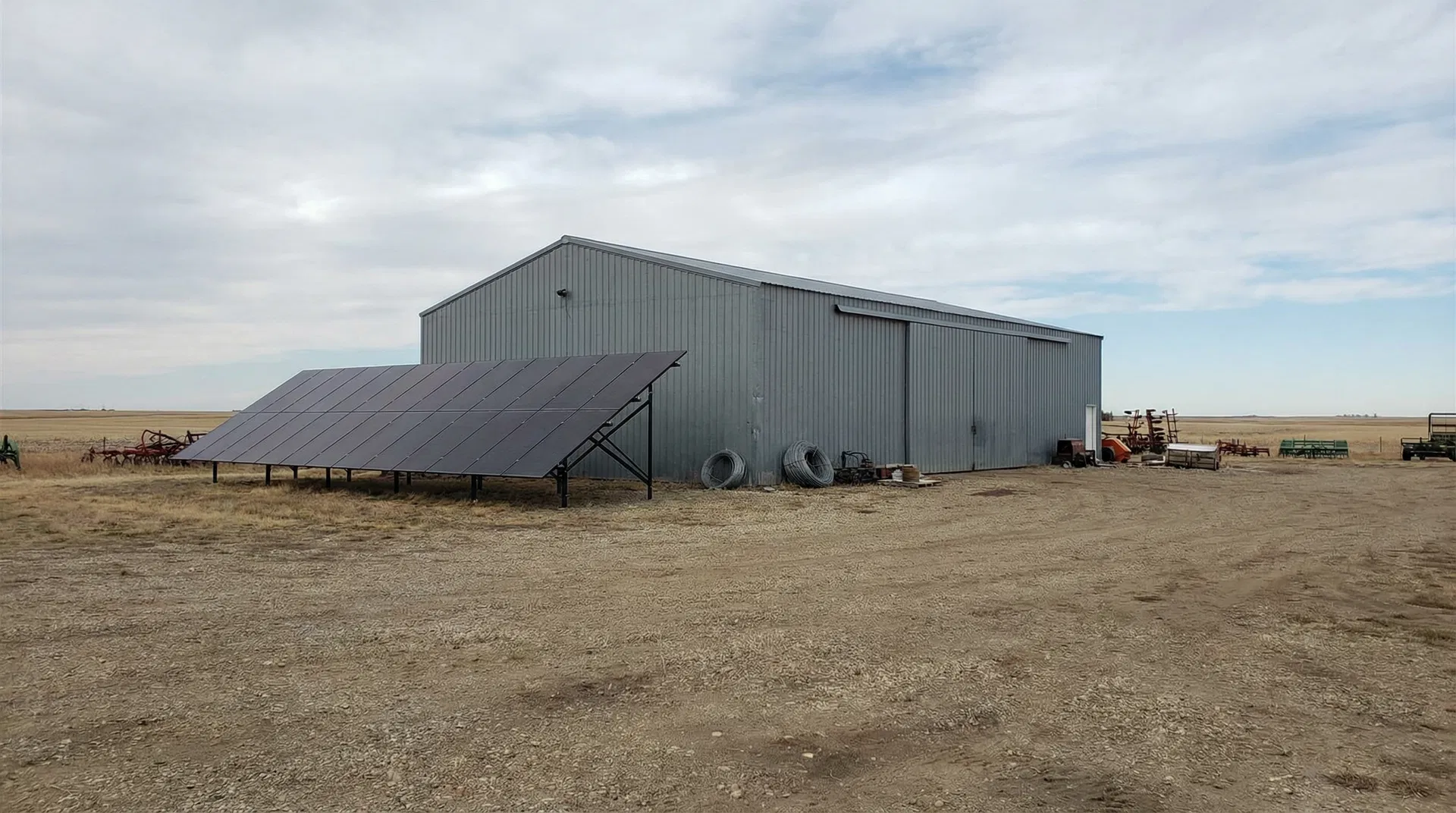
Frequently Asked Questions
Get a Solar Assessment for Cochrane
Submit a recent power bill and we will review your consumption and provide an honest assessment for your Cochrane property. No obligation.
(587) 330-7502 Book a CallMore Solar Services in Cochrane