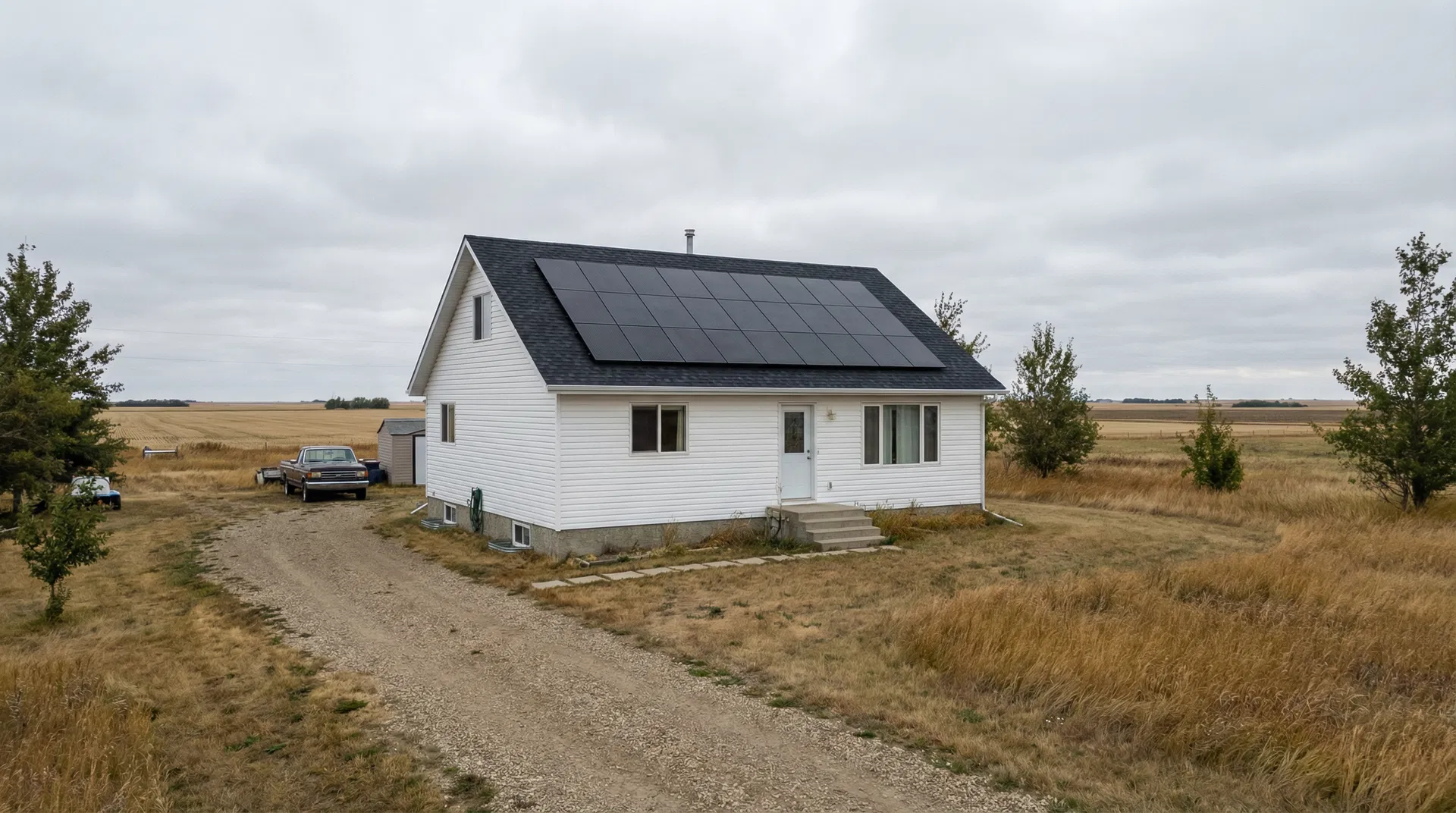
Off-grid solar in Okotoks, Alberta means designing a complete power system that never touches FortisAlberta's grid, built around equipment chosen for years of unattended operation. We install LONGi panels for the array, paired with a hybrid inverter that manages battery charging, load switching, and, where it makes sense, a backup generator input. Lithium battery storage handles the overnight and overcast-day capacity, since a cabin or remote shop can't rely on the grid to fill gaps the way a grid-tied home can. Off-grid systems in this size range typically run from 5 to 15 kW, with an 8 kW system being a common starting point for a modest cabin with lights, a fridge, and a well pump. Larger acreage setups with a heated shop, irrigation pump, or full-time residence push toward the top of that range. Every system is different because every property's loads are different: a weekend cabin with a propane fridge draws almost nothing compared to a year-round home with electric heat backup and a shop full of power tools. We walk the site, review what needs to run and when, and size the panel count, inverter capacity, and battery bank from that, not from a standard package. Because there's no grid connection to fall back on, we also build in enough reserve capacity for a string of cloudy days, so the system holds up through an Alberta winter stretch without constant generator backup.
Solar Planning for Okotoks, Alberta Properties
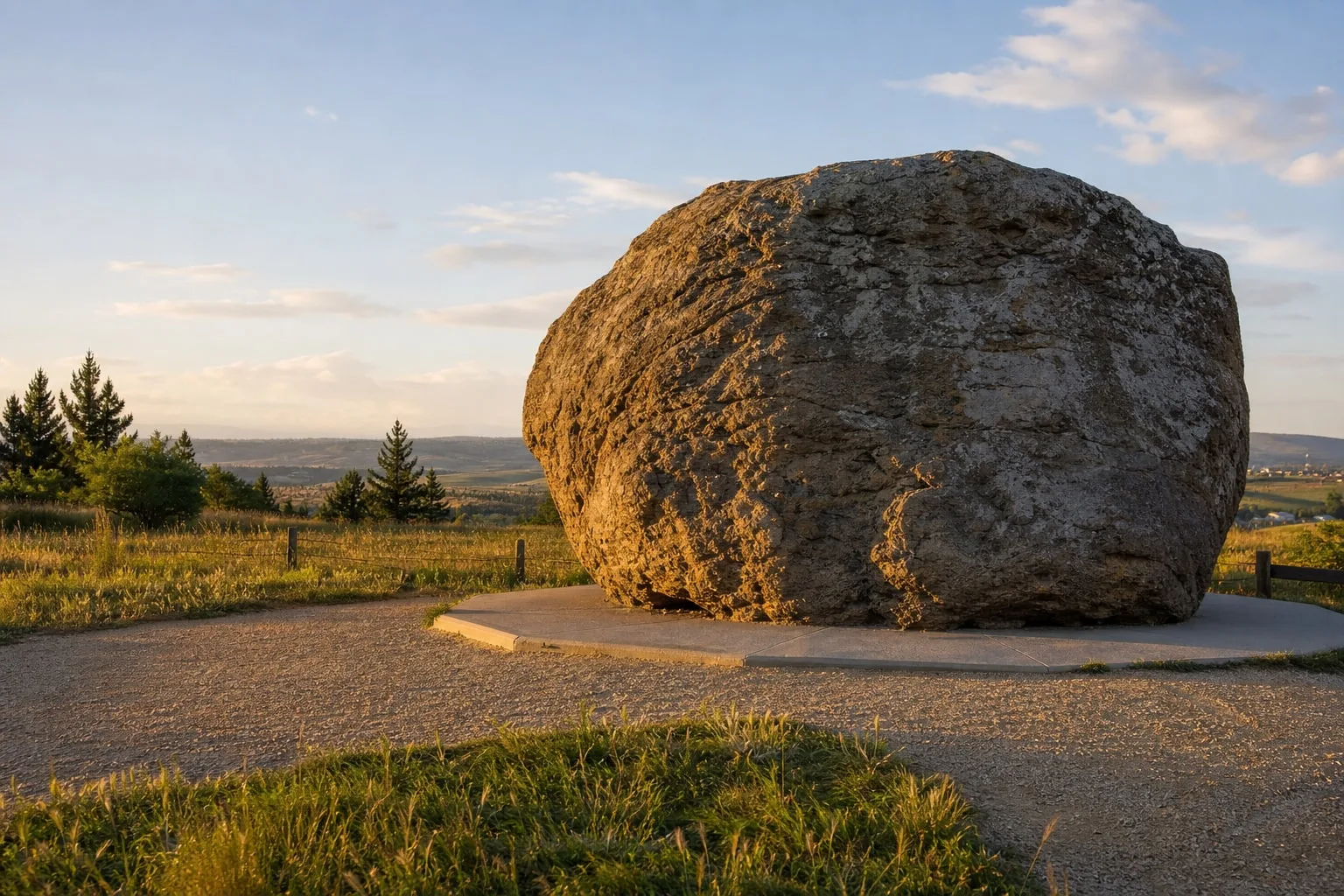
Okotoks sits in Foothills County, and the population here has grown from 29,016 to 30,405 residents over the last census cycle. That growth has pushed more acreages and rural parcels onto the edges of the area, many of them well outside the reach of FortisAlberta's distribution lines. For a cabin, workshop, or remote parcel sitting past the serviced grid, running a new utility line in can cost more than building an independent power system outright. People know the area for landmarks like the Okotoks Erratic (The Big Rock), but past the rock and the built-up core, plenty of acreages and rural parcels still sit far enough from existing lines that an independent system makes more sense than a grid extension. An off-grid system built around LONGi panels, a hybrid inverter, and lithium battery storage gives a property real independence: power for lights, well pumps, freezers, and shop tools without a monthly utility bill or any grid connection at all. We don't guess at a size. Every off-grid design starts with a walk-through of what the property actually needs to run, day and night, through an Alberta winter, and we size the battery bank and array around that load, not a one-size-fits-all package.
Electrical Site Review for Okotoks, Alberta Properties
Voltage Rise
Voltage rise happens when power travels a long distance along a conductor and the voltage at the far end drifts outside the expected range. On a rural property with a long run from the main panel to a shop or well pump, that condition can affect how an inverter clips output or throttles back to stay within its operating window. We measure the actual wire run and gauge on site so the inverter and array get sized around real conditions, not a rule of thumb.
Single-Phase vs Three-Phase
Some rural Alberta properties run single-phase service, while others, especially those with three-phase motors for irrigation pumps or grain handling equipment, have three-phase service instead. Which type of service a property has changes which inverter model fits and how much capacity it can support. We confirm the service type before finalizing an inverter selection, since the wrong assumption here means a system that doesn't match the equipment it needs to run.
Panel Infrastructure
Older rural properties often still run on a panel installed decades ago, sometimes with breaker space already used up by shop, well, or outbuilding circuits. We check the panel's age, amperage rating, and available breaker capacity before adding a solar or battery connection. If the existing panel can't support the added load, an upgrade to a larger panel with more breaker space becomes part of the project scope, not an afterthought discovered mid-install.
Service Entrance Review
The service entrance and meter base are where FortisAlberta's incoming service meets a property's own wiring, and their condition matters even on an off-grid design when part of the property keeps a grid connection. A worn or outdated meter base can hold up a micro-generation application on the grid-tied side of a property. If we find one that needs replacing, that upgrade gets scoped and handled before any interconnection paperwork goes in.
Right-Sizing Off-Grid Solar for Okotoks, Alberta Properties
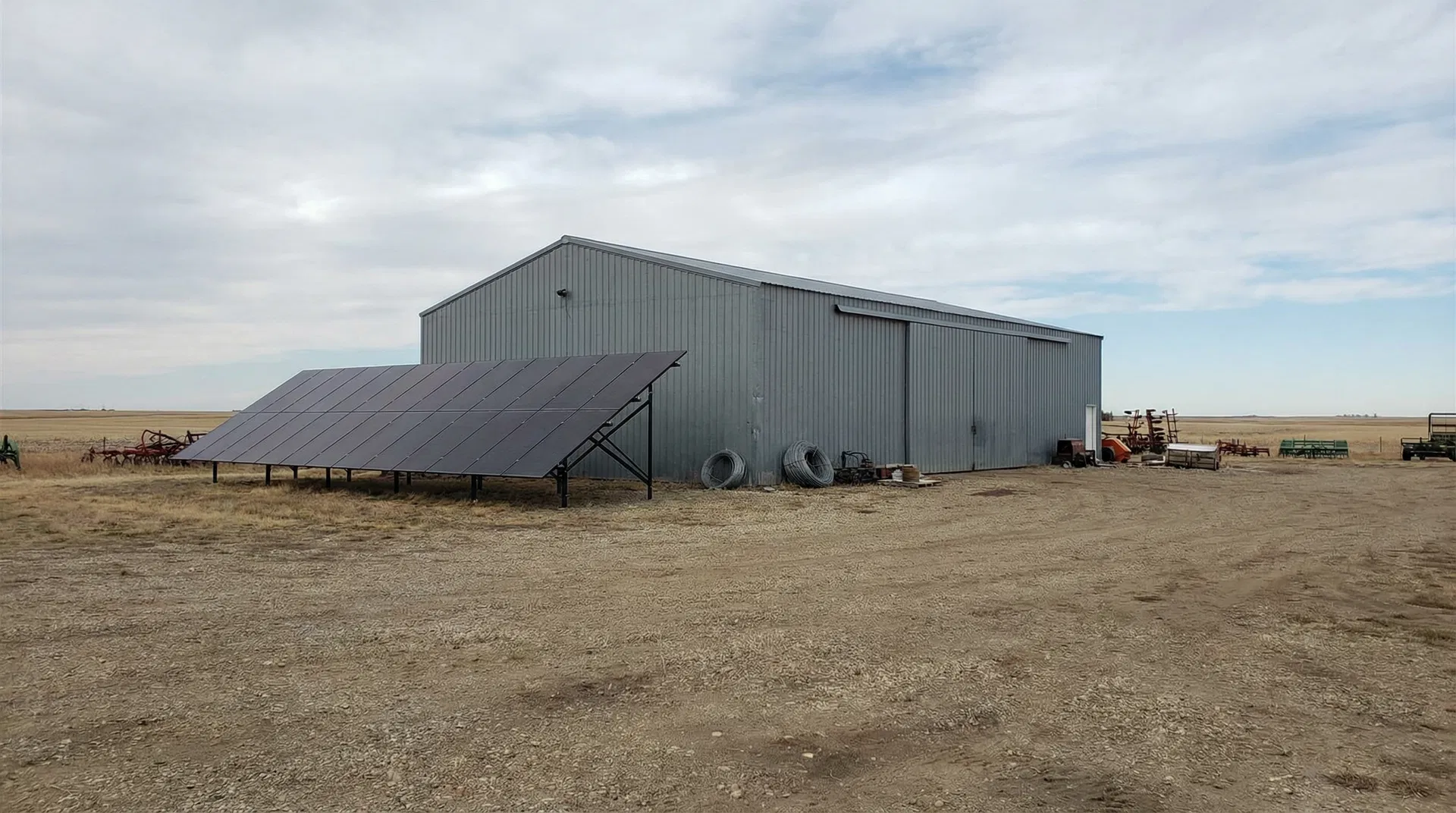
An off-grid system built for a rural property usually needs to be bigger than a typical in-town rooftop system, because it's covering more than one thing: the house, plus maybe a heated shop, a well pump, and equipment scattered around a yard, rather than a single electrical panel. That's part of why the range for off-grid work runs from 5 to 15 kW instead of settling on one number. Roof mount makes sense when the roof faces the right direction, has enough clear, unshaded area, and is in good enough condition to carry panels for the next couple of decades. Ground mount becomes the better call when trees or outbuildings shade the roof, when the pitch or orientation doesn't work well for solar, or when a property has open yard space and it's easier to build a ground-mounted array at a better angle than to fight a bad roof. We don't size a system off a rule of thumb like watts per square foot of building. We size it from the 12-month usage graph on your most recent power bill, which shows the actual pattern of what a property draws through every month of the year, including the winter months that matter most for battery sizing. That graph, combined with a site walk and design review, is what determines the array size, inverter capacity, and battery bank, not a generic estimate.
Typical Load Profiles We Design For Near Okotoks
Weekend Cabin
A weekend cabin usually needs to run lighting, a small fridge, a water pump, and maybe a space heater or two, without needing power around the clock. These properties often work well with a system toward the lower end of the off-grid range, sized around occasional-use patterns rather than daily peak demand. We size the battery bank around how long the cabin sits empty between visits, not just what it draws while someone's there.
Home Plus Heated Shop
A full-time home paired with a heated shop is one of the most common load profiles we design for on acreages in the area. The shop alone, with space heat, lighting, and power tools, can draw as much as the house, so the system has to account for both buildings running at once, not just the home. We size the array and battery bank toward the higher end of the off-grid range for this kind of layout.
Remote Site with Well Pump and Irrigation
Remote parcels with a well pump, livestock waterer, or irrigation equipment have loads that cycle on and off through the day rather than running continuously. Those short, high-draw cycles need an inverter and battery bank that can handle a sudden surge without tripping, even if the average draw across a day looks modest. We design around the peak cycle, not just the daily average, so the system holds up when the pump or irrigation equipment kicks on.
FortisAlberta Interconnection Near Okotoks
FortisAlberta is the wire service provider for this area, but an off-grid system is built specifically to avoid needing an interconnection to that grid at all. That's the point: for a remote cabin, acreage, or outbuilding sitting well past FortisAlberta's existing lines, an independent power system can cost less than the line extension needed to bring grid power in. Because there's no grid tie, there's no micro-generation application, no meter change, and no interconnection agreement to file with FortisAlberta for the off-grid portion of a property. If a property already has FortisAlberta service to part of it, a house, for example, while a detached shop or cabin runs off-grid, we review both pieces separately and handle any paperwork the grid-tied portion actually needs. We'll walk you through exactly what applies to your site during the design review.
Project Economics and Design Review
| System Size | Annual Production | Year 1 Savings | Payback Period |
|---|---|---|---|
| 5-15 kW range, 8 kW typical |
Production, cost, and payback details are provided after a property-specific design review that includes your most recent power bill and a site assessment.
How We Work in Okotoks
Bill and Load Review
We review your power bill to understand your energy use in Okotoks and size the system to your actual consumption, not a generic estimate.
Site Assessment
We assess your roof or ground area, south-facing exposure, electrical service, and utility interconnection requirements specific to your property.
Design and Utility Application
We produce a system layout, production estimate, and cost summary, then submit your micro-generation application to your utility on your behalf.
Installation and Commissioning
Our crew installs racking, panels, inverter, and electrical connections. All work is performed by licensed electricians. We commission and test before handoff.
Current Program and Interconnection Review
Utility connection review
FortisAlberta reviews grid connection applications for any part of a property that stays tied to the grid, but an off-grid system built to avoid that connection altogether doesn't go through that process. Range Road Solar puts together whatever design package the grid-tied portion of a property needs, if there is one, separately from the off-grid design itself.
Current program review
Eligibility for residential, farm, and commercial solar work gets reviewed against whatever rules are in place at the time your project is designed, since program details change. We check this during the design review rather than assuming last year's rules still apply.
Frequently Asked Questions
Get a Solar Assessment for Okotoks
Submit a recent power bill and we will review your consumption and provide an honest assessment for your Okotoks property. No obligation.
(587) 330-7502 Book a CallMore Solar Services in Okotoks