Why Solar Fits Ranchland's Ranch-Property Mix
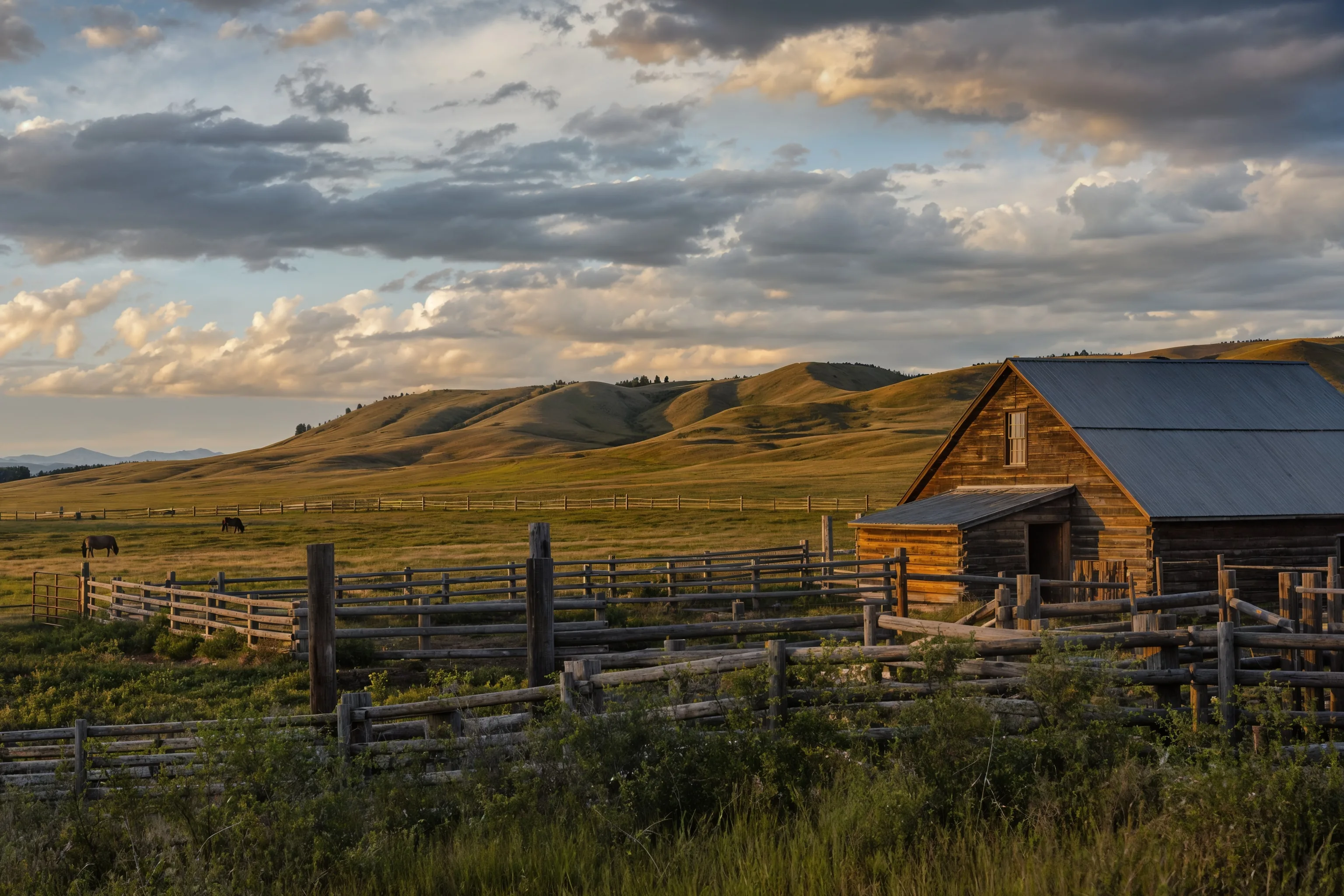
The Municipal District of Ranchland No. 66 is the least-populated municipal district in Alberta: 110 residents spread across 2,637 square kilometres in the 2021 Census, with no towns, no villages, and not a single hamlet inside its boundaries. The district office sits at Chain Lakes Provincial Park, at the junction of Highway 22 and Highway 533, roughly 38 kilometres southwest of Nanton. This is the heart of the Cowboy Trail corridor, where Highway 22 runs north-south through foothill ranch country at the front of the Porcupine Hills and the southern Rockies. Ranching has been the only livelihood here since the 1880s: A.E. Cross, one of the Big Four cattlemen behind the Calgary Stampede, established the A7 Ranch in 1886, and the Alberta Southwest Regional Alliance notes it is believed to be the oldest ranch in Canada still held by its founding family.
That settlement pattern matters for solar design. There are no subdivisions here and no small-lot acreages: property after property is a working headquarters on deeded and leased ranch land, with a house, a heated shop, a calving barn, one or more water wells, and electric fence energizers running along miles of pasture. Power bills on these operations are driven by pumps, motors, and winter heating rather than by lights and appliances. Solar fits because the load profile is heavy, continuous, and often concentrated in daylight hours when pumps and shop equipment run. It also fits because a grid-tied array on a quarter section has room to breathe: there is no need to squeeze panels onto a small urban roof when a south-facing corner of the yard site will take a ground mount with a perfect tilt.
The resource is genuine southern Alberta sun. At roughly 50 degrees north latitude, the MD enjoys long summer days, frequent winter chinooks that strip snow off panels, and a photovoltaic yield in the neighbourhood of 1,250 to 1,300 kilowatt-hours per kilowatt-peak per year for a south-facing array tilted at latitude, based on Natural Resources Canada data for the Calgary and Lethbridge station areas that bracket the district. Distribution lines reach most ranch headquarters, so the standard answer here is a grid-tied system with no batteries: your surplus banks as net metering credits through the bright months and works down your winter bill.
Typical Electrical Loads We See in the MD
Every Ranchland property is its own small utility, but three load profiles cover most of the systems we design. The ranges below reflect real FortisAlberta rural bills we review; your 12-month history sets the final number.
Working Cow-Calf Headquarters
House, calving barn with heat lamps and fans, heated shop, one or two well pumps, electric fence energizers, and a grain or feed handling motor or two.
Typical bill: $450 to $950 per month, spiking during calving season and irrigation runs.
Ranch House and Heated Shop
A modest headquarters or retirement-sized place on ranch land: house, detached or attached shop kept above freezing, domestic well, yard and barn lights.
Typical bill: $200 to $400 per month, dominated by winter heating and the well pump.
Equestrian and Horse Properties
Arena and barn lighting on evening timers, heated automatic waterers, a heated tack room, fencing energizers, and often a small hay or equipment operation alongside.
Typical bill: $300 to $600 per month, with evening lighting driving the winter peak.
What Ranchland Solar Costs and What It Returns
Installed pricing for this part of southern Alberta currently runs $2.25 to $2.85 per watt for a rooftop system on a suitable roof, and $2.50 to $3.50 per watt for a ground mount. Ground mounts carry more steel, geotechnical work, and trenching, but on ranch land they are usually the right place to spend money because the array lands at a true south tilt with clear air drainage and easy service access. A rooftop quote only makes sense when the roof itself is an asset: a newer home or a standing-seam machine shed with years of life left.
One worked example, taken from the middle of the range. A 12 kilowatt ground mount at $3.00 per watt comes in around $36,000 installed, permits and FortisAlberta paperwork included. At roughly 1,250 kWh per kWp per year, that array produces about 15,000 kWh annually. Valued against a realistic all-in rural rate of $0.16 to $0.20 per kilowatt-hour, that is $2,400 to $3,000 of electricity offset each year, which puts simple payback in the 12 to 15 year range on a product warranted for 25 to 30 years of output. We would rather show you that honest math up front than surprise you later.
| Ground-mount size | Est. annual production | Est. installed cost | Est. annual offset |
|---|---|---|---|
| 8 kW | About 10,000 kWh | $20,000 to $28,000 | $1,600 to $2,000 |
| 12 kW | About 15,000 kWh | $30,000 to $42,000 | $2,400 to $3,000 |
| 20 kW | About 25,000 kWh | $50,000 to $70,000 | $4,000 to $5,000 |
Two Ranchland-specific notes. First, many ranch accounts sit on demand-metered farm rates, and solar reduces energy charges rather than demand charges, so we size against your real consumption history instead of chasing a theoretical maximum. Second, production here benefits from chinook cycles: warm wind events clear panels repeatedly through the winter, which keeps annual yield closer to the prairie forecast than the elevation would suggest.
Wire Service and Micro-Generation in Ranchland No. 66
We verified the wire owner before writing this page. FortisAlberta's Alberta Utilities Commission approved rate schedules list Ranchland #66, M.D. Of, among the municipalities subject to a FortisAlberta municipal franchise fee rider (1.5 percent in the January 2026 schedules). A franchise fee is collected by the wire owner serving points of service in that municipality, which confirms FortisAlberta as the distribution provider for the district. That matches what we see on Ranchland power bills in practice.
One honest hedge: Alberta's rural map is not perfectly tidy. A handful of parcels near district boundaries, particularly toward Longview and the High River country to the north, may be served by a rural electrification association, and some remote sites own their line extension outright as T-rural customers. The wire owner is printed on every power bill, and confirming it takes us one email. Once confirmed, we file the micro-generation application with FortisAlberta under Alberta's micro-generation regulation, arrange the connection agreement, and manage the bi-directional meter swap.
Timing is straightforward. After your system passes electrical inspection, the interconnection and meter exchange with FortisAlberta typically takes two to six weeks. FortisAlberta's farm rate classes, including the demand-metered Rate 22 common on working ranches, are fully compatible with micro-generation: surplus production flows back through the meter and returns as credits on the energy portion of future bills.
Working With an Airdrie Crew From Two Hours North
Our shop is in Airdrie. The Ranchland office at Chain Lakes is roughly 140 kilometres away: south on the QE2 to Nanton, then west on Highway 533 to the Highway 22 junction, about two hours with a trailer. We make that run deliberately. Ranchland site assessments are batched so the visit happens when it should, not squeezed between city jobs, and the drive is ours to manage, not yours to subsidize.
Bill Review Before We Drive
Send a photo or PDF of your last power bill. We read the 12-month usage graph, confirm the wire owner and rate class, and tell you straight whether the numbers justify a trip south.
Site Assessment on the Ground
We walk the yard site with you: well head, shop, barn, windbreaks, and the south-facing ground where a mount would sit. Shading, terrain, and service capacity all get measured, not guessed.
Design, Permits, and Filing
We produce the layout, production estimate, and fixed-price quote, then handle the MD of Ranchland building permit, the electrical permit, and the FortisAlberta micro-generation application.
Install and Commission
A ground-mount install in the MD typically takes one to three days on site. After inspection and the meter swap, you watch the first sunny afternoon push your meter backwards.
Ranchland County Solar FAQs
Ready to Assess Your Property?
Submit a recent power bill and we will review your consumption and provide an honest assessment of what solar can do for your Ranchland No. 66 property. No obligation.
Also Serving Nearby Communities